
Trasforma le intuizioni dell’IA in azioni concrete

Tendenze
Categories
Notable Aviation Incidents in 2025 Contrast with Overall Safety Trends
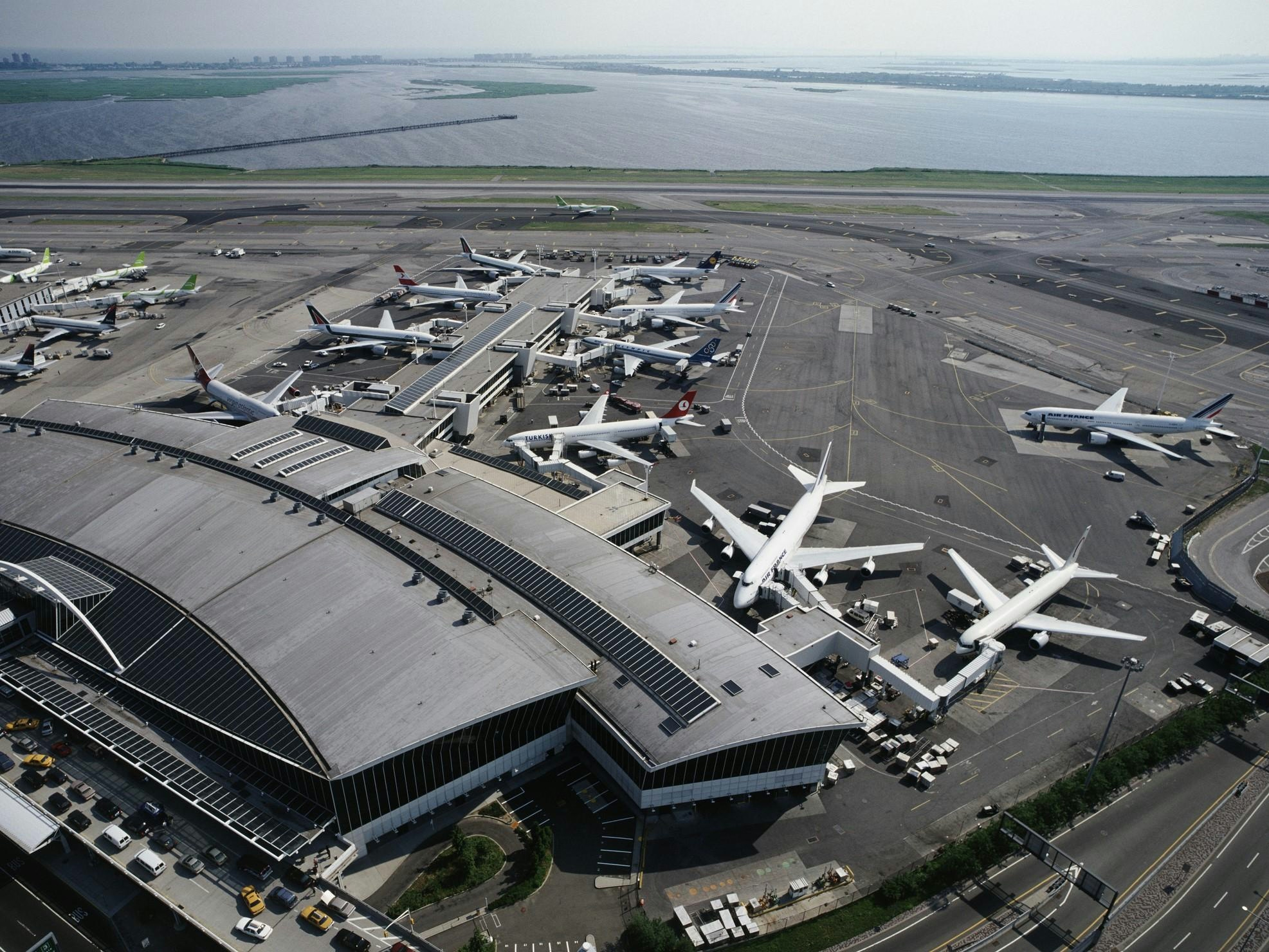
Notable Aviation Incidents in 2025 Contrast with Overall Safety Trends
Despite a year marked by several high-profile aviation incidents, insurance claims within the airline industry have remained close to long-term historical averages, according to a year-end review by WTW. This report reveals a notable disconnect between the dramatic headlines and the underlying stability of claims activity, highlighting an industry that has largely returned to pre-pandemic operational levels while managing increasingly complex risks.
High-Profile Incidents and Industry Response
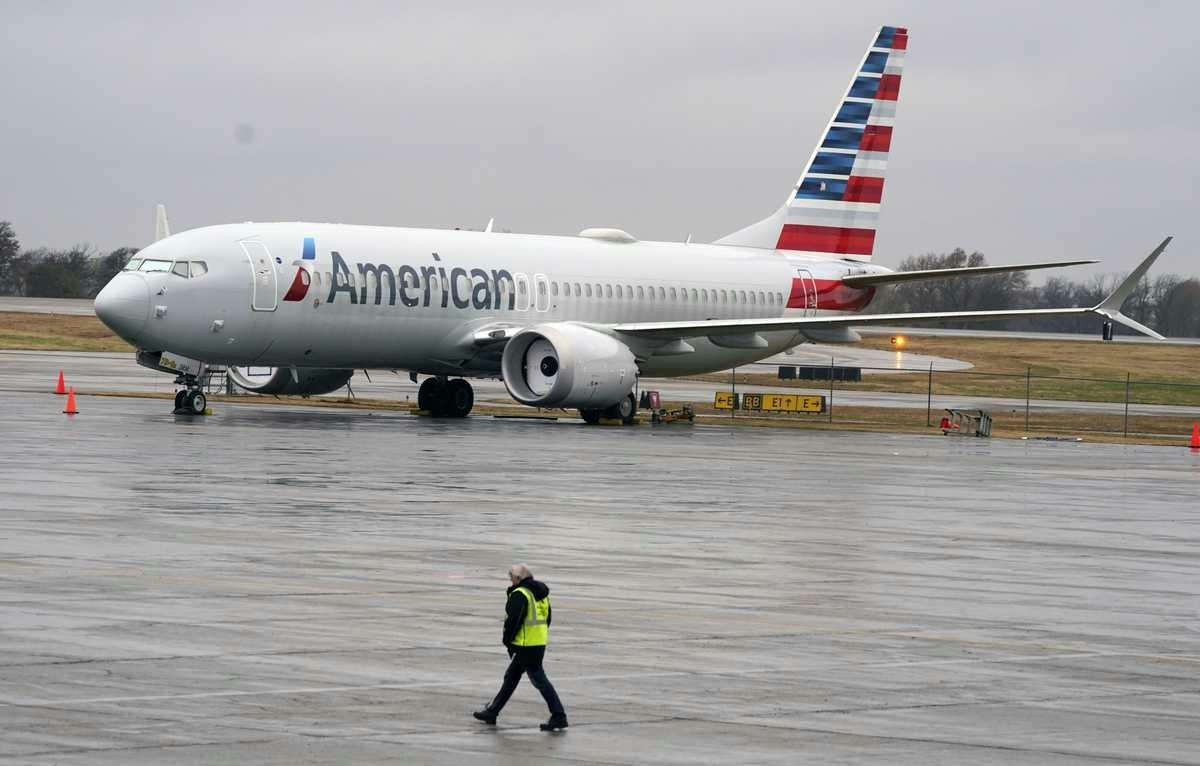
In 2025, several major incidents captured global attention. Among the most significant was one of the deadliest commercial aviation accidents in U.S. airspace since 2001: the January collision involving American Airlines near Washington, D.C. Additionally, the Air Busan fire, triggered by a passenger’s power bank, drew widespread media coverage. On the international front, the Air India crash and operational failures at IndiGo resulted in airspace restrictions and a noticeable decline in traveler confidence. These events intensified scrutiny of safety protocols and prompted legislative responses, including provisions within the National Defense Authorization Act (NDAA). However, some experts have expressed concern that certain aspects of the NDAA could inadvertently compromise airspace safety around the nation’s capital.
In response to these challenges, industry competitors have heightened vigilance and accelerated modernization efforts. Testimonies such as Bedford’s and the Federal Aviation Administration’s renewed emphasis on safety and air traffic control improvements underscore a sector-wide commitment to addressing operational vulnerabilities. Concurrently, evolving geopolitical tensions, particularly in Venezuela, have introduced new security risks for aircraft operators, leading to advisories urging extreme caution in affected regions.
Recovery Amid Operational Headwinds
The airline sector’s recovery from the COVID-19 pandemic continued steadily through 2025, with passenger numbers and cargo volumes rising consistently. Declining fuel prices and improved load factors have bolstered the financial health of many carriers, enabling debt reduction. Nevertheless, this growth has been tempered by persistent operational challenges. Supply chain disruptions, notably prolonged waiting lists for new aircraft deliveries, have compelled airlines to rely on older fleets that are more expensive to maintain and more susceptible to being written off following incidents.
Compounding these difficulties is a critical shortage of skilled maintenance, repair, and overhaul (MRO) personnel, alongside extended lead times for spare parts. These operational pressures, combined with emerging threats such as cyber-attacks, increased drone activity, and geopolitical instability, have created a complex and challenging environment for airlines worldwide.
Rising Costs and Complex Claims
Claims expenses have escalated sharply in recent years, driven by factors extending beyond traditional economic inflation. While average inflation stood at 3.7% annually between 2017 and 2022, liability claim payouts—often referred to as “social inflation”—increased at a rate of 5.4% annually, according to Swiss Re. The frequency and complexity of psychological harm claims have grown, complicating settlement processes. The industry has also witnessed a rise in “nuclear judgments,” defined as jury awards exceeding $10 million, which establish new precedents and contribute to escalating costs.
Modern aircraft, constructed with advanced composite materials, present higher repair costs compared to older aluminum models. Delays in obtaining replacement parts further exacerbate these expenses. Additionally, airlines face significant revenue losses when grounded aircraft await repairs, intensifying the financial impact of incidents.
Looking Ahead
As the aviation industry continues to navigate a landscape shaped by operational constraints, regulatory changes, and evolving security threats, the overall safety trajectory remains positive. Despite headline-grabbing incidents and rising costs, the sector’s resilience and ongoing commitment to modernization underpin its long-term stability.
Air India Expands Use of Salesforce AI to Enhance Customer Service
European Regulators Order Urgent Inspections After Cracks Found in Airbus A380 Wing Spars
Embraer Delivers 2,000th E-Jet as Airbus A220 Seeks Market Share
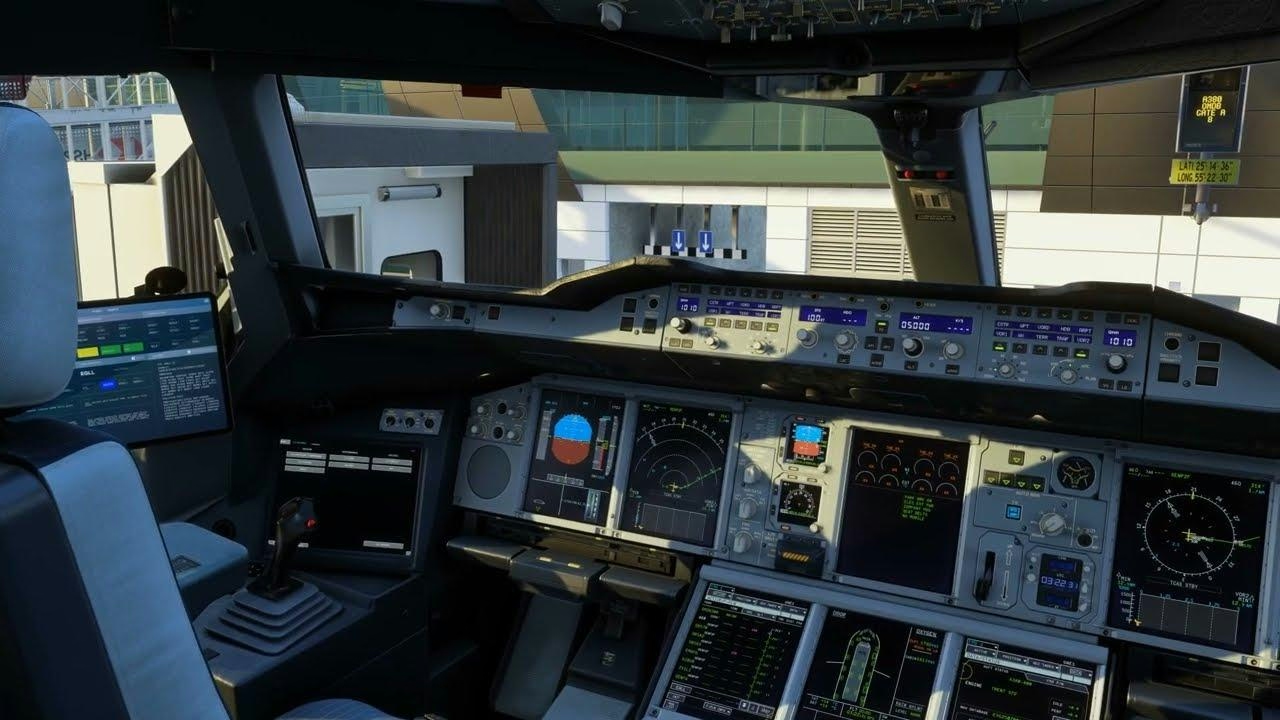
iniBuilds Releases Second In-Depth A380 Video
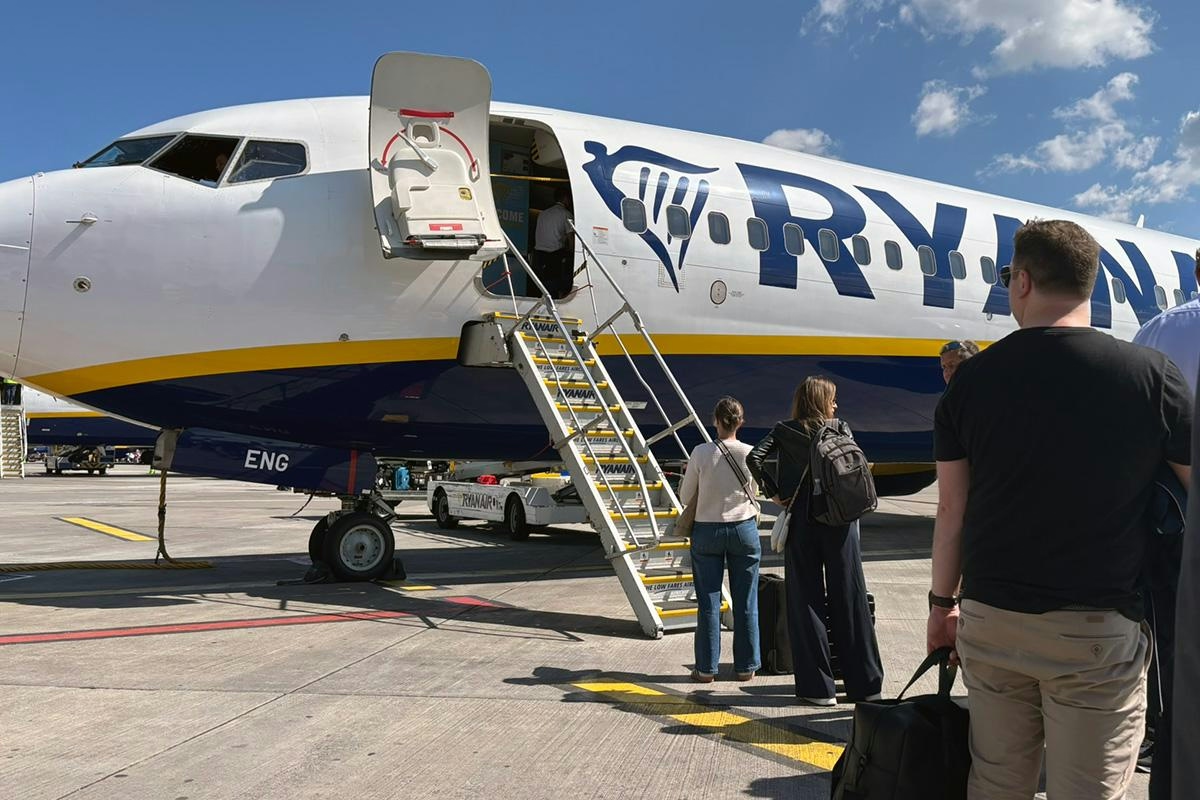
Ryanair and Alaska Airlines Apply AI to Operational Decision-Making

Digital Payments, AI, and Aviation Strengthen Philippines-India Relations
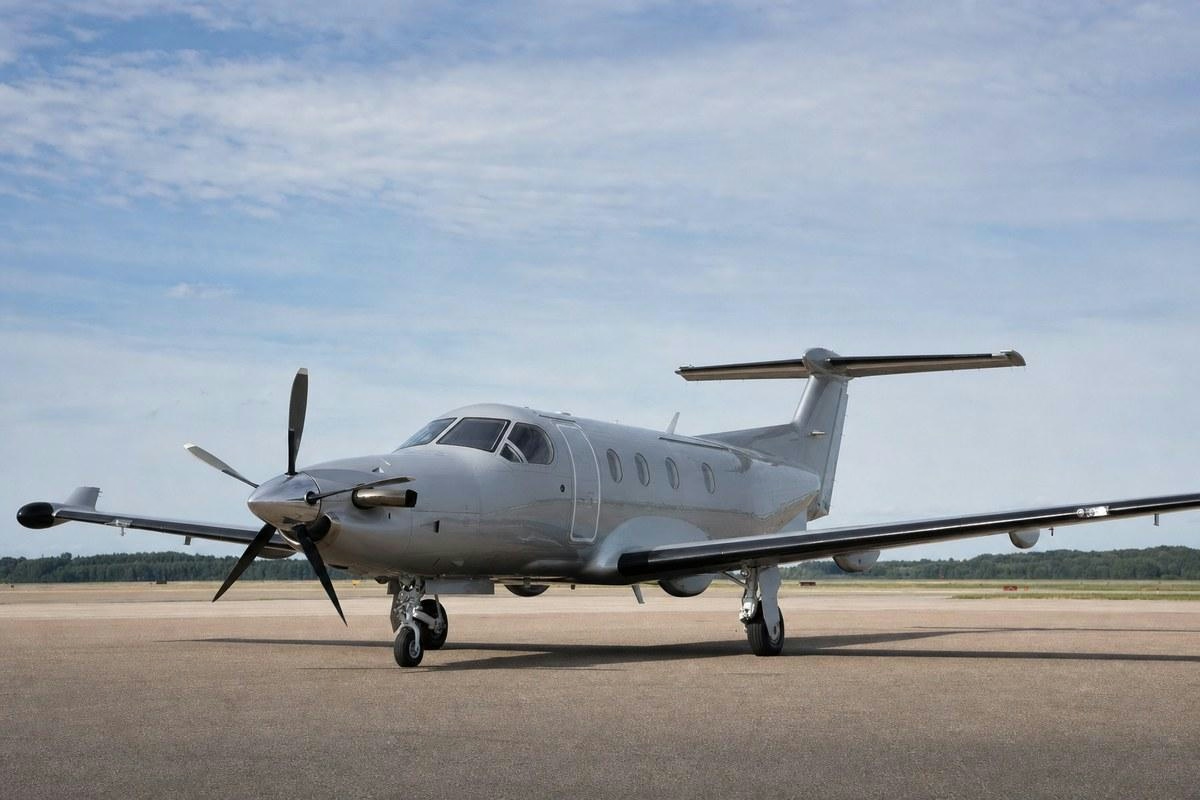
PlaneSense Suspends PC-12 Jet Card Sales
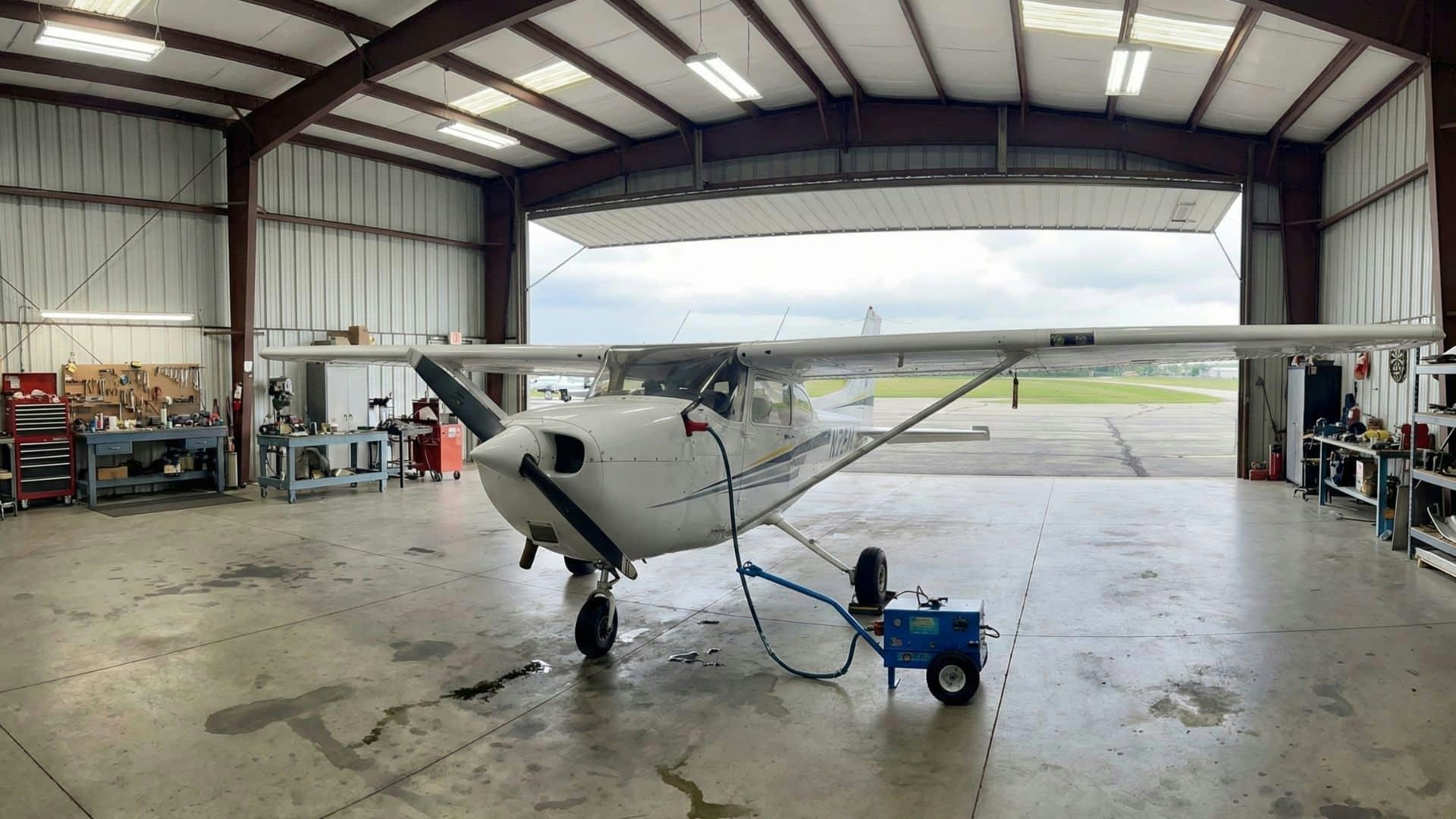
How AI Could Transform Bird-Strike Prevention for Business Aviation
American Airlines and Boeing Complete First 737 MAX Landing Gear Swap

Vietjet and Thales sign major MRO and AI deals in Paris
