
Zet AI‑inzichten om in gerichte actie

Trending
Categories
Airlines Offering the Widest Economy Seats in 2026
Airlines Offering the Widest Economy Seats in 2026
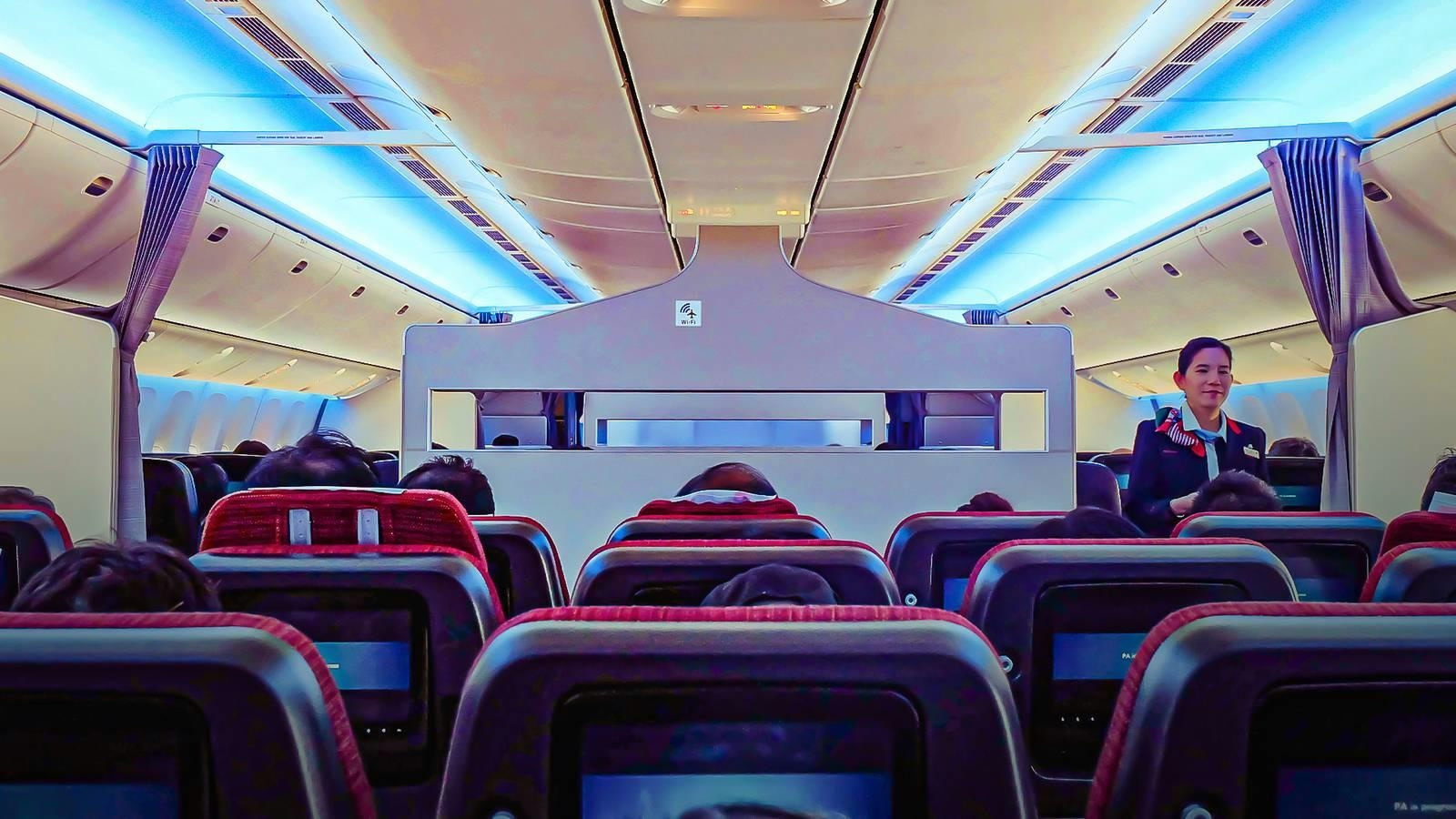
Economy class seat widths across the airline industry generally range between 17 and 18 inches (43–45 cm), with many U.S. carriers’ widebody aircraft featuring seats closer to the narrower end of this spectrum. However, a select group of airlines distinguishes itself by offering economy seats exceeding 18 inches, with some reaching up to 19 inches (48.26 cm) on specific aircraft models. Conversely, certain low-cost carriers, such as French Bee, provide notably narrower seats measuring as little as 16.7 inches. Aircraft like the Airbus A220 and Airbus A380 are recognized for their more generous cabin space, while some Asian airlines configure their Boeing 777s with nine seats across instead of the industry-standard ten, enhancing passenger comfort.
Despite these variations, the physical limitations imposed by aircraft cabin dimensions remain a significant factor. For instance, both Ryanair and Southwest Airlines operate Boeing 737s with six seats abreast within a cabin width of 11.62 feet (3.54 meters), resulting in seat widths that typically range from 17 to 18 inches.
Japan Airlines Leads in Economy Comfort
Japan Airlines (JAL) is notable for providing some of the widest economy seats available. Departing from the common ten-abreast configuration, JAL arranges its Boeing 777-300ER cabins with nine seats across (3-3-3), a layout that was once standard but has become increasingly rare. This configuration affords passengers approximately 18.5-inch-wide seats (47 cm) in the JAL SKY SUITE 777 and about 17.7 inches (45 cm) in the JAL SKY SUITE 767, positioning JAL as a leader in economy class comfort.
Similarly, Korean Air employs a nine-abreast layout on its 777-300ERs. Although the airline briefly considered transitioning to a ten-abreast configuration, it reversed this decision following customer feedback emphasizing comfort. JAL further distinguishes itself by configuring its Boeing 787 Dreamliners with eight seats across (2-4-2), rather than the industry-standard nine (3-3-3), resulting in seat widths of approximately 18.9 inches (48 cm). In contrast, All Nippon Airways (ANA) initially adopted similar eight-abreast layouts on its 787s but has since reverted to nine-abreast seating.
Asian Airlines Set the Standard
Several other Asian carriers are also recognized for prioritizing spacious economy seating. Singapore Airlines, for example, is renowned for its comfort, offering economy seats ranging from 18.5 to 19 inches (47–48 cm) wide on its widebody fleet. Cathay Pacific provides economy seats up to 18.5 inches (47 cm) wide, particularly on its Boeing 777 aircraft, which are similarly configured with nine seats across. The Airbus A380, operated by multiple Asian airlines including ANA, is another aircraft noted for its generous seat width, with ANA offering economy seats measuring around 18 inches.
Industry Challenges and Market Impact
Looking ahead to 2026, airlines face a complex balancing act in offering wider economy seats. Redesigning aircraft interiors to accommodate more spacious seating arrangements entails significant costs and operational considerations. Airlines must weigh these investments against passenger demand and competitive pressures. Market trends indicate a growing preference among travelers for carriers that emphasize comfort, which could translate into increased bookings for airlines that prioritize wider seats.
In response, competitors may pursue similar cabin redesigns or introduce innovations aimed at enhancing passenger comfort to maintain market share. For instance, United Airlines has launched new Economy Plus seats that provide additional elbow room. Meanwhile, the industry’s increasing focus on premium cabins may further accentuate disparities in service and pricing between economy and premium classes, potentially affecting budget-conscious travelers.
While a select group of airlines—particularly in Asia—continue to set the benchmark for economy class comfort, the broader industry must navigate the challenge of meeting evolving passenger expectations without compromising profitability.

Etihad and Swissport Extend Global Partnership
Sepehran Airlines B737 Returns to Mashhad After Tyre and Engine Issues
Etihad Deploys Widebody Fleet to Meet Strong Demand
Korean Air Finalizes $36.2 Billion Deal with Boeing
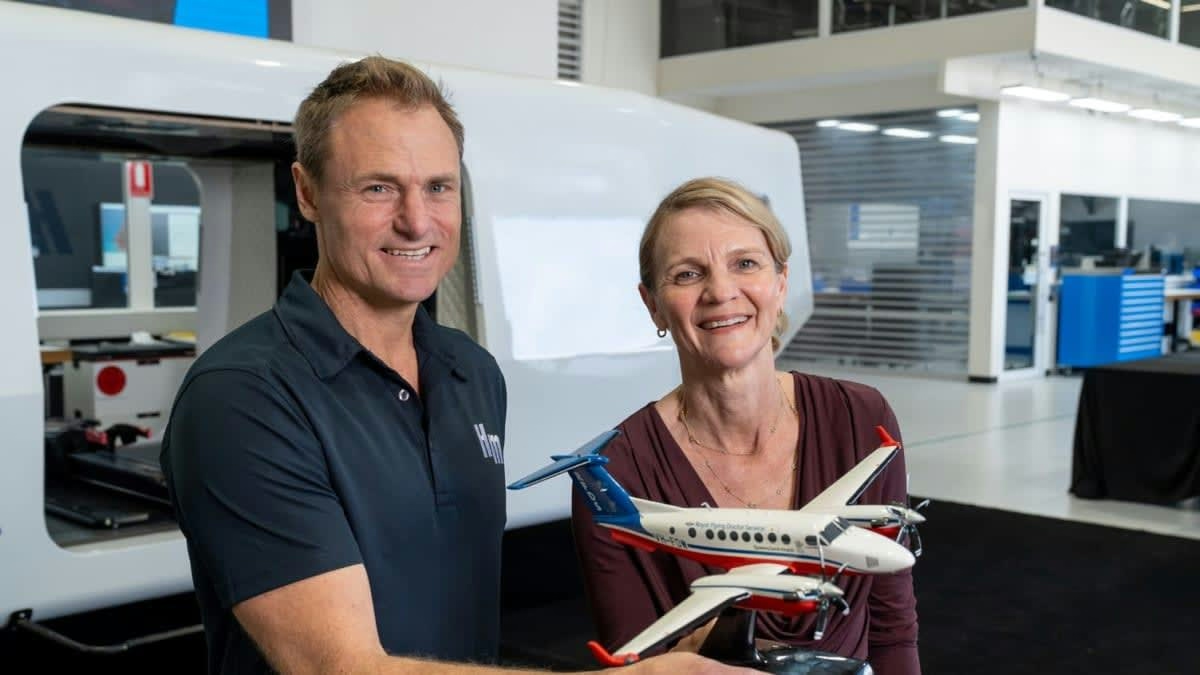
Australia’s RFDS Queensland Section Orders Six King Air 260Cs

Korean Air Finalizes Order for 103 Boeing Jets and Engines
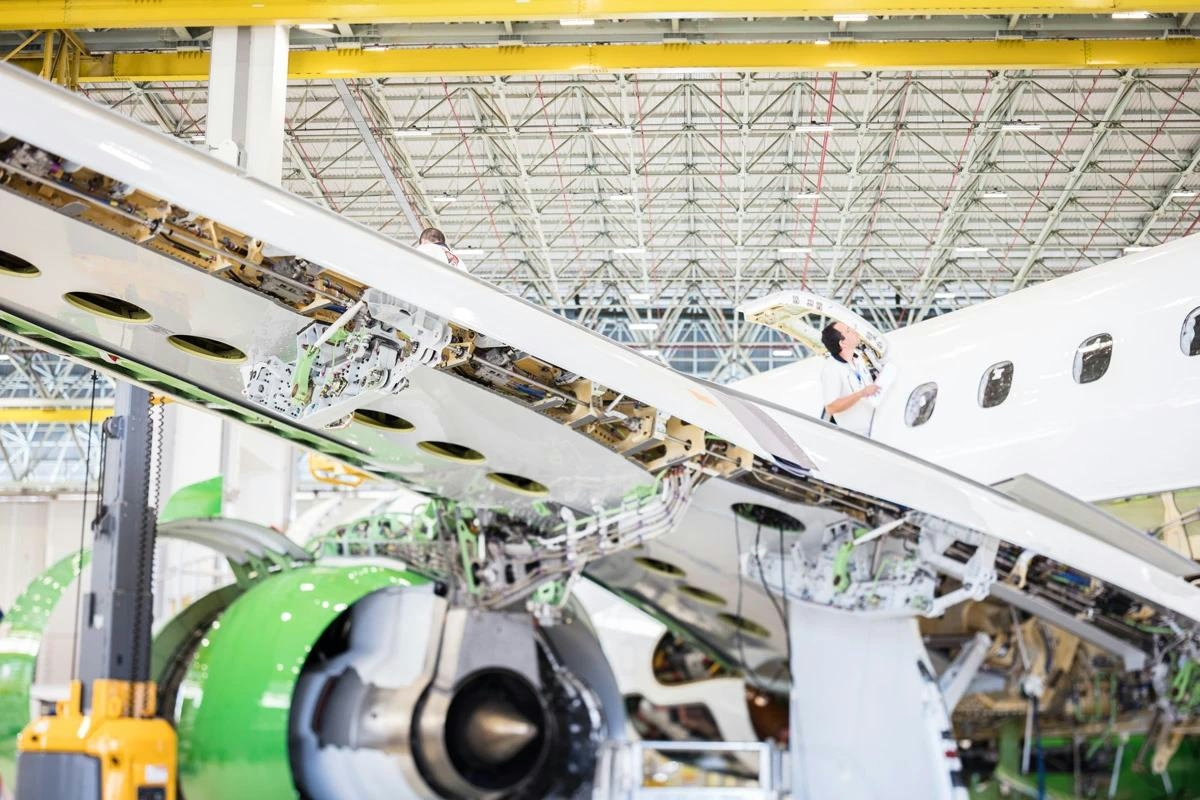
Embraer E195-E2 Features Distinctive Engine Placement Among Regional Jets
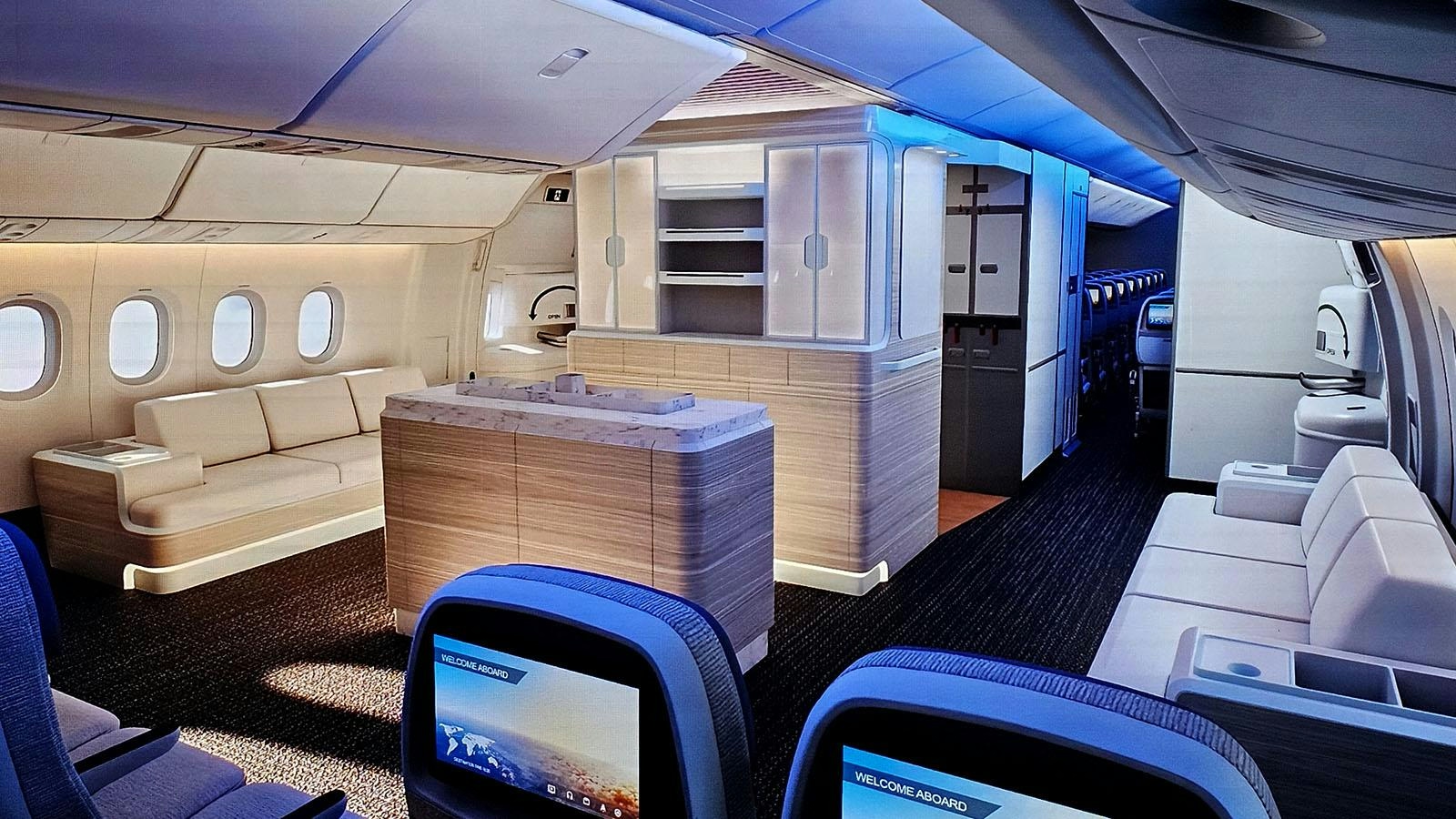
What Passengers Can Expect on Boeing’s New 777X Jet
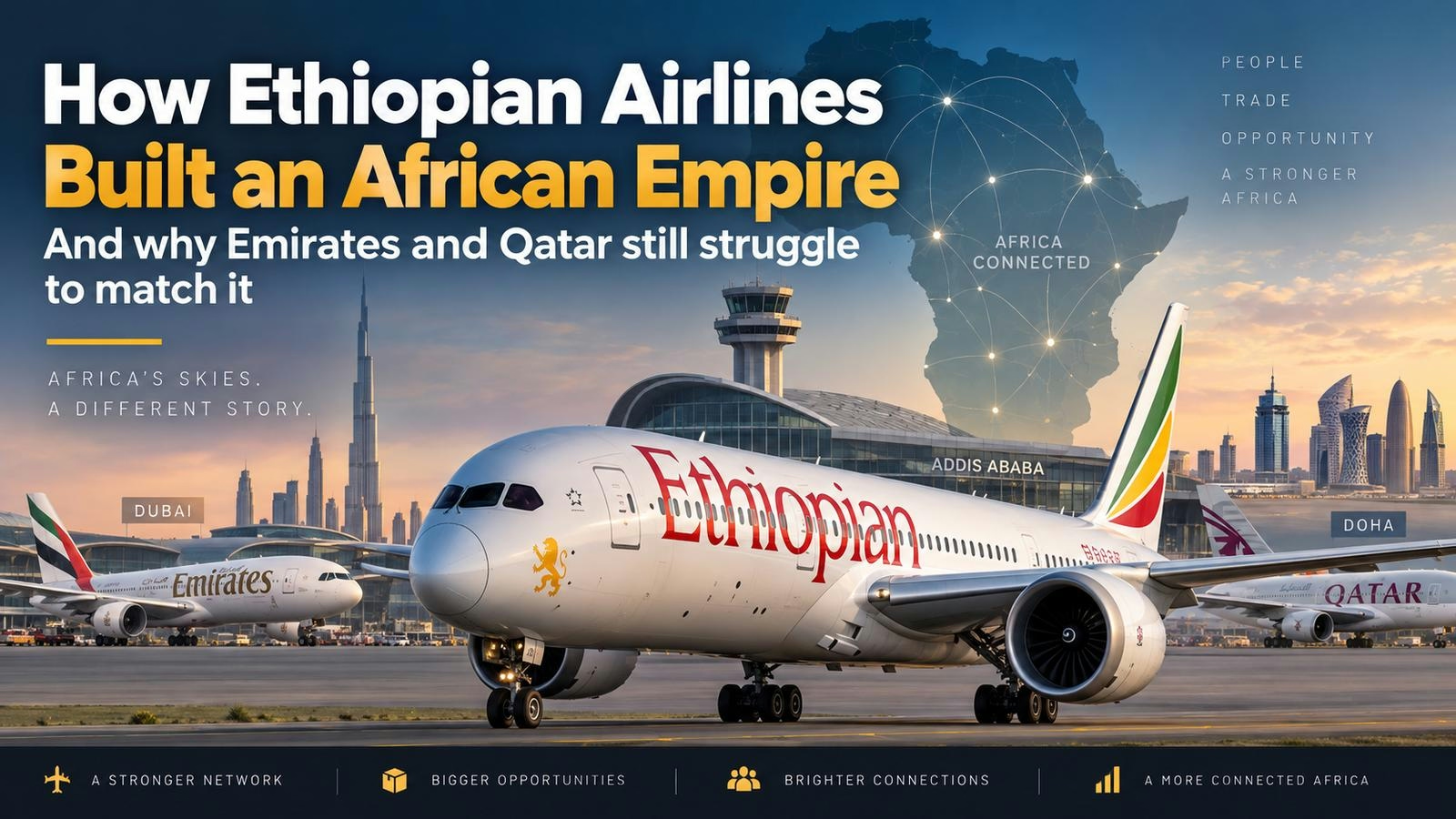
How Ethiopian Airlines Became Africa’s Leading Carrier Amid Gulf Competition
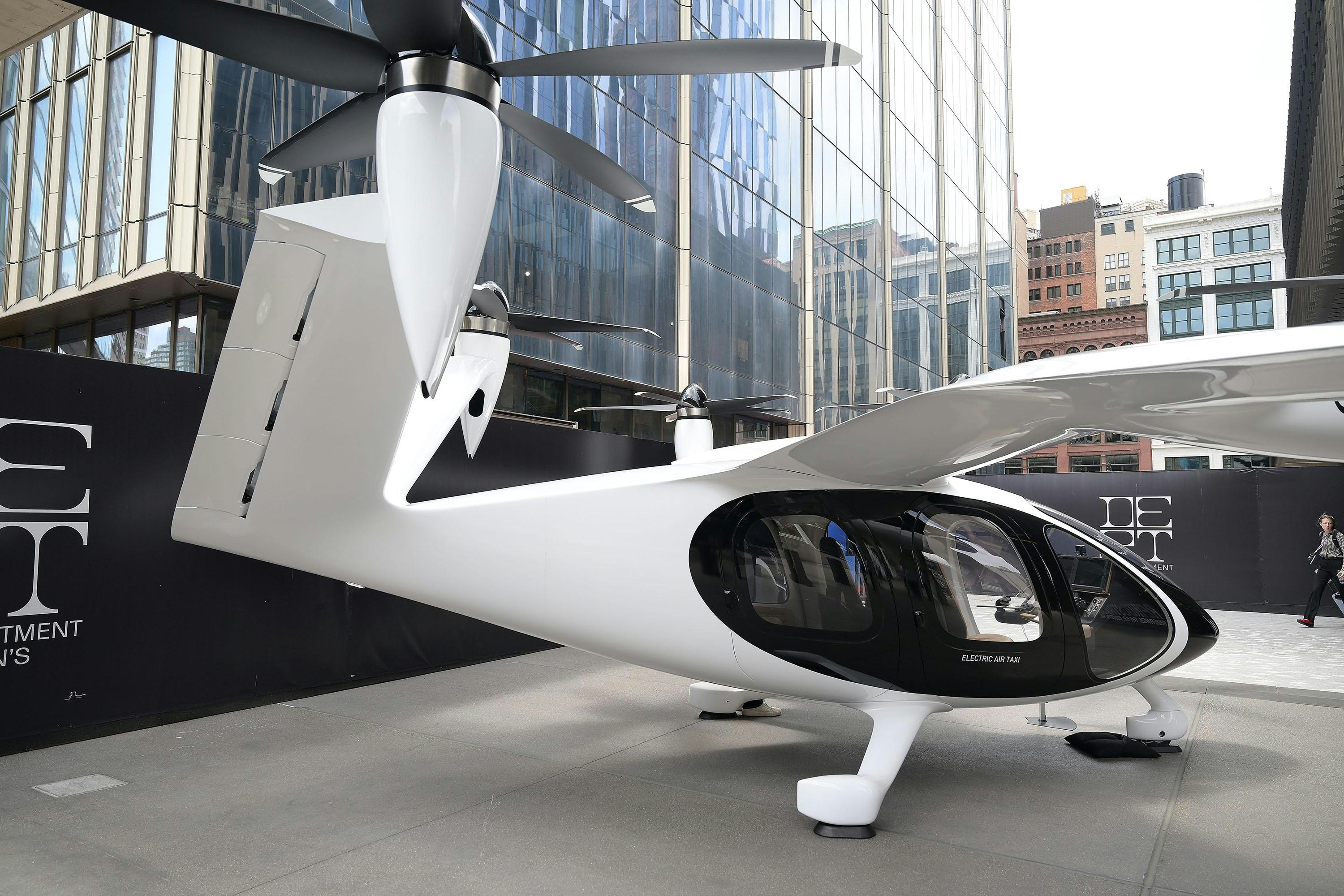
Joby Aviation Extends Autonomous Flight Capabilities with Cross-Country Tour
