
Zet AI‑inzichten om in gerichte actie

Trending
Categories
The Slowdown in Aviation Technology Will Soon Come at a Cost
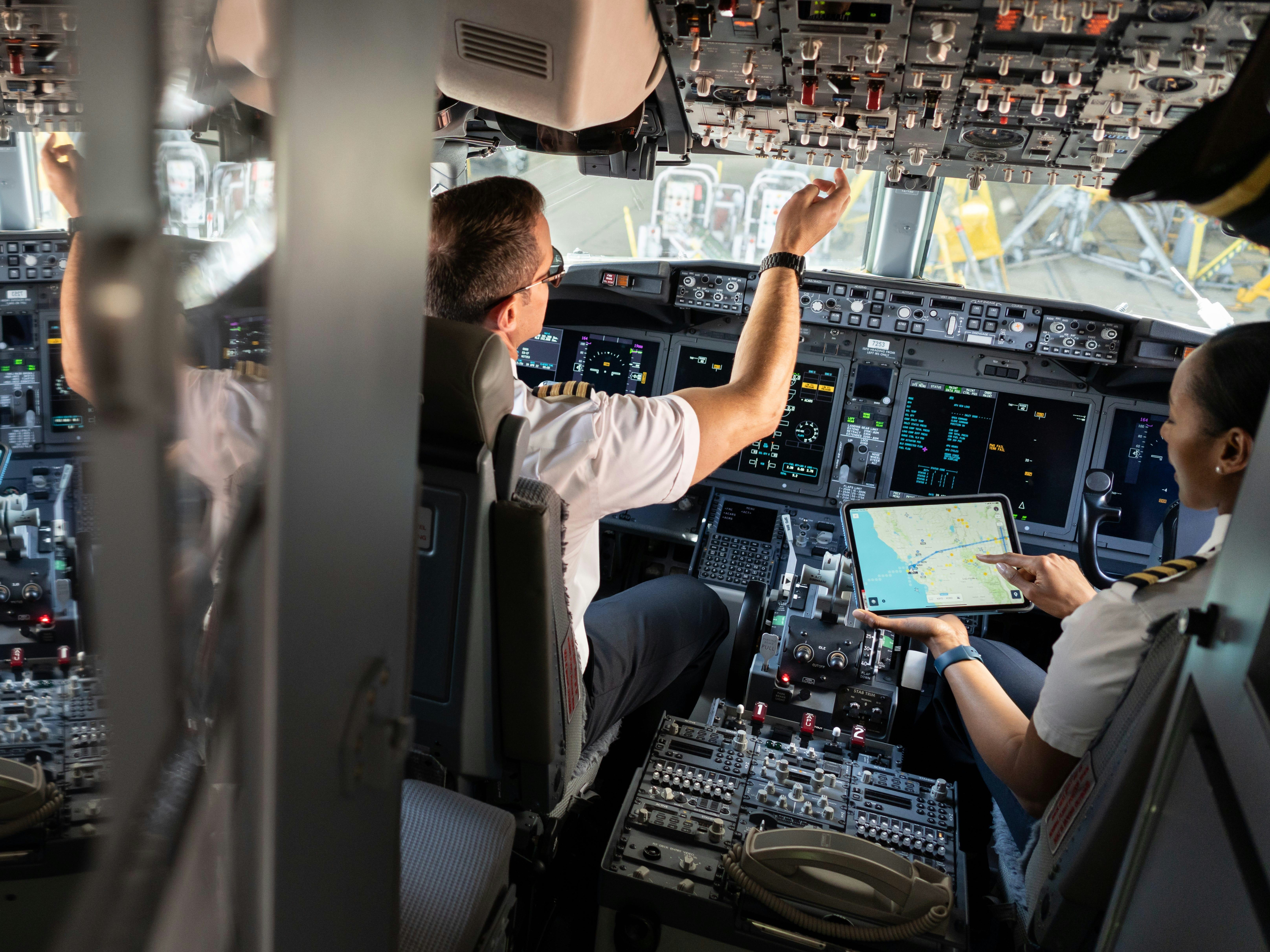
The Slowdown in Aviation Technology Will Soon Come at a Cost
Industry Challenges Overshadow Innovation
Farnborough — Traditionally, the day before the Farnborough Airshow is filled with anticipation surrounding new commercial orders, aircraft unveilings, and product enhancements. However, this year’s event is marked less by excitement and more by persistent concerns over supply chain disruptions, record order backlogs, and ongoing engine reliability issues. These challenges highlight a more profound issue: the pace of technological advancement in aviation is decelerating, with significant implications for the industry’s future.
Since the onset of the COVID-19 pandemic, such operational difficulties have dominated conversations at major international airshows. While these remain pressing, they tend to obscure a broader trend. Original equipment manufacturers (OEMs) are increasingly extending the service lives of existing aircraft models. The Airbus A320neo, Boeing 737 MAX, and Embraer E2 series have all achieved record sales recently, reflecting a strategic emphasis on proven platforms. This approach delivers tangible benefits, including dependable performance, operational efficiency, and cost reductions in fuel consumption, training, and maintenance. With order backlogs extending into the 2030s, leading OEMs enjoy a stable revenue stream that, in theory, should support the development of next-generation, cleaner, and more efficient aircraft.
Limited Progress on Decarbonization and Rising Costs
Despite these financial advantages, meaningful advancements in decarbonization remain elusive. Airlines acknowledge that next-generation technologies are essential for significant reductions in fuel consumption, yet recent improvements have largely been incremental, focusing mainly on engine efficiency rather than revolutionary aircraft designs. Operational adjustments, such as optimized climb profiles and route planning, provide only marginal gains and cannot replace the need for substantial technological breakthroughs.
This stagnation carries tangible costs. The Asia-Pacific Airlines Association (AAPA) has warned of rising operational expenses following a robust 2025, cautioning that the absence of new, more efficient aircraft could further escalate costs. China’s three largest airlines have already reported first-half losses, attributing them to soaring fuel prices aggravated by ongoing conflicts in the Middle East. In the business aviation sector, infrastructure capacity constraints are intensifying pressures, as highlighted by Signature Aviation CEO Tony Lefebvre in a recent Aviation Week survey. These financial challenges are prompting airlines to reevaluate their fleet strategies, with some carriers now more willing to accept delivery delays amid an increasingly difficult economic environment.
Innovation Stalled Amid Complex Industry Dynamics
The industry’s preoccupation with razor-thin profit margins, geopolitical uncertainties, and shortages of engines, materials, and skilled labor has left little room for bold innovation. Although the urban air mobility (UAM) sector offers a glimpse of new ideas, it confronts similar obstacles. The growing disconnect among policymakers, airlines, airports, OEMs, and local authorities has become so pronounced that senior executives are openly expressing their frustrations.
As the rapid technological growth that characterized aviation after World War II appears to have plateaued, the sector stands at a critical crossroads. Without renewed dedication to breakthrough innovation, the current slowdown threatens to persist for decades, driving up costs, limiting capacity, and delaying progress toward a more sustainable future.

Etihad and Swissport Extend Global Partnership
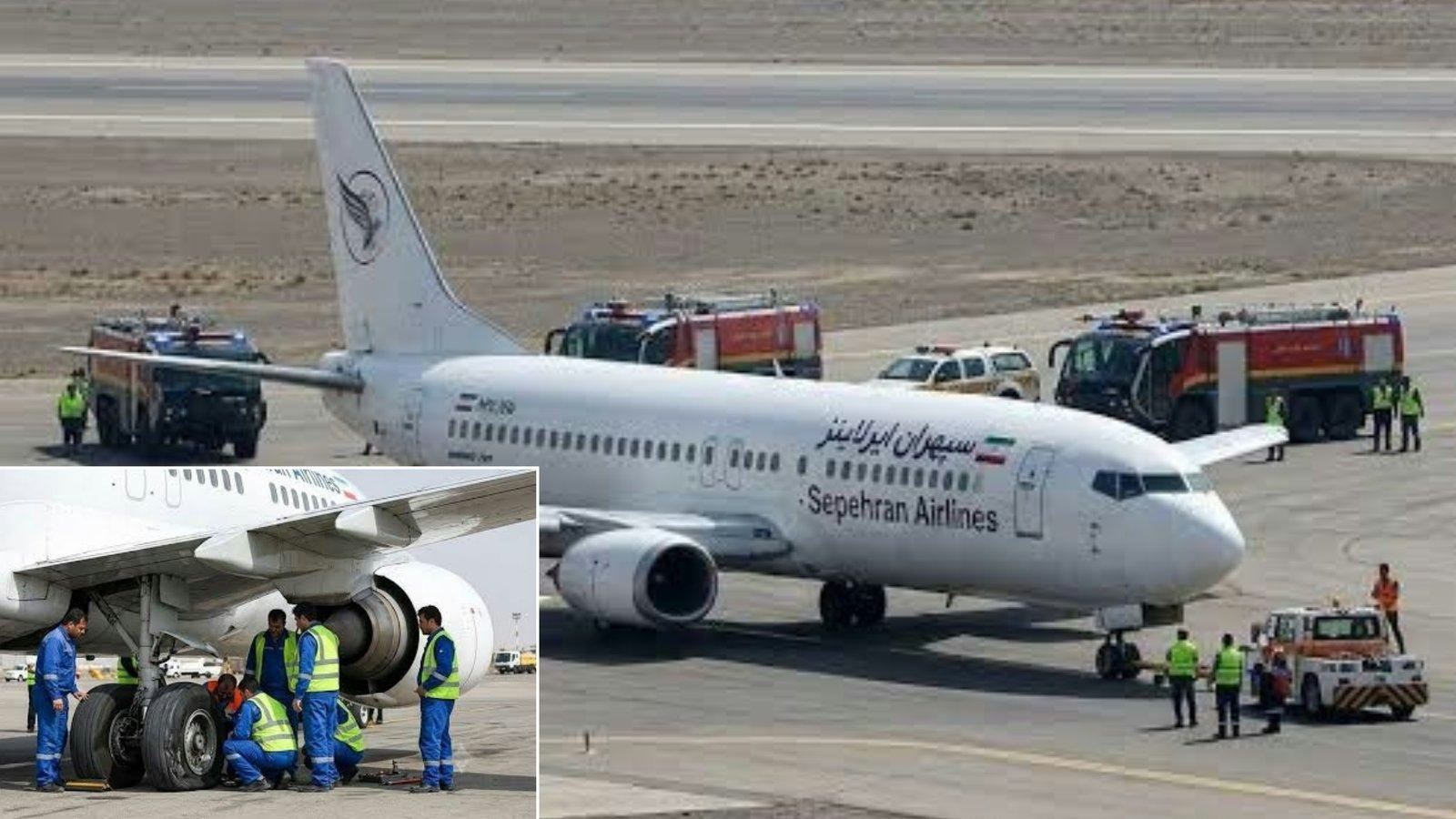
Sepehran Airlines B737 Returns to Mashhad After Tyre and Engine Issues

Etihad Deploys Widebody Fleet to Meet Strong Demand
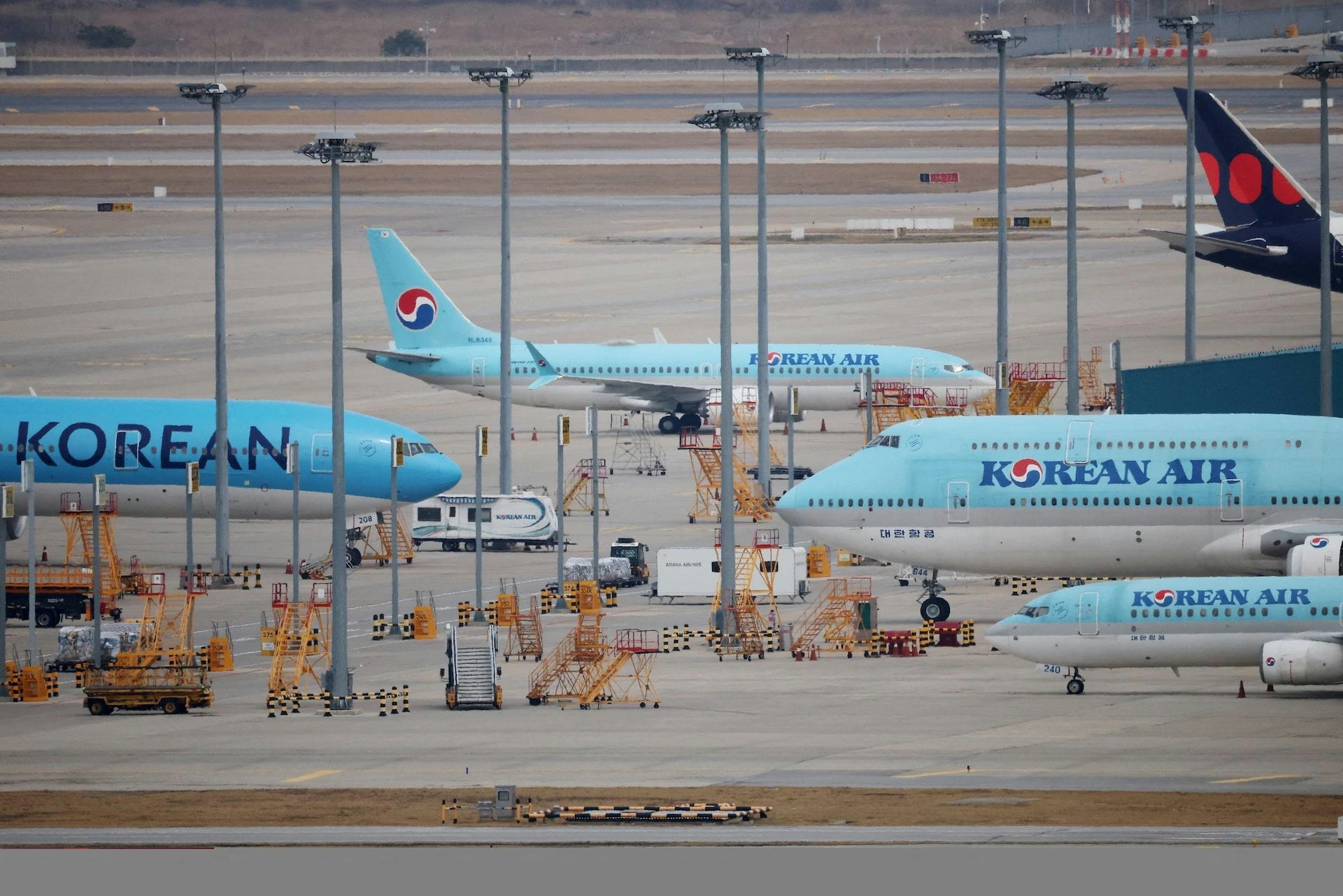
Korean Air Finalizes $36.2 Billion Deal with Boeing
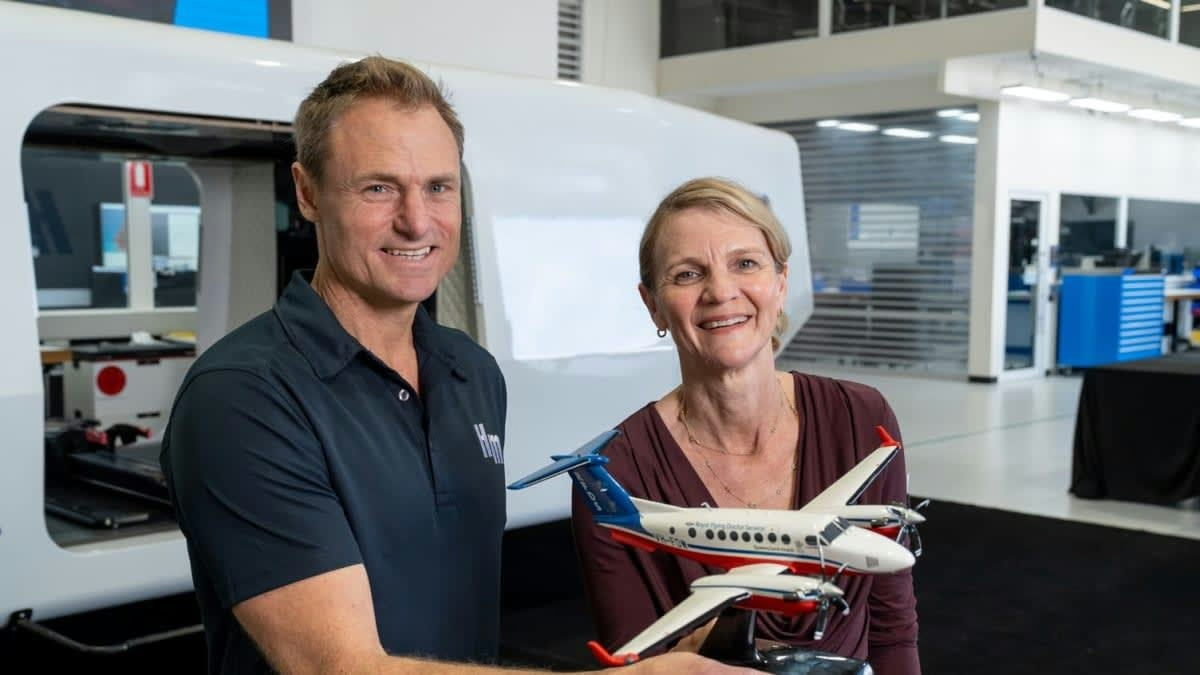
Australia’s RFDS Queensland Section Orders Six King Air 260Cs

Korean Air Finalizes Order for 103 Boeing Jets and Engines
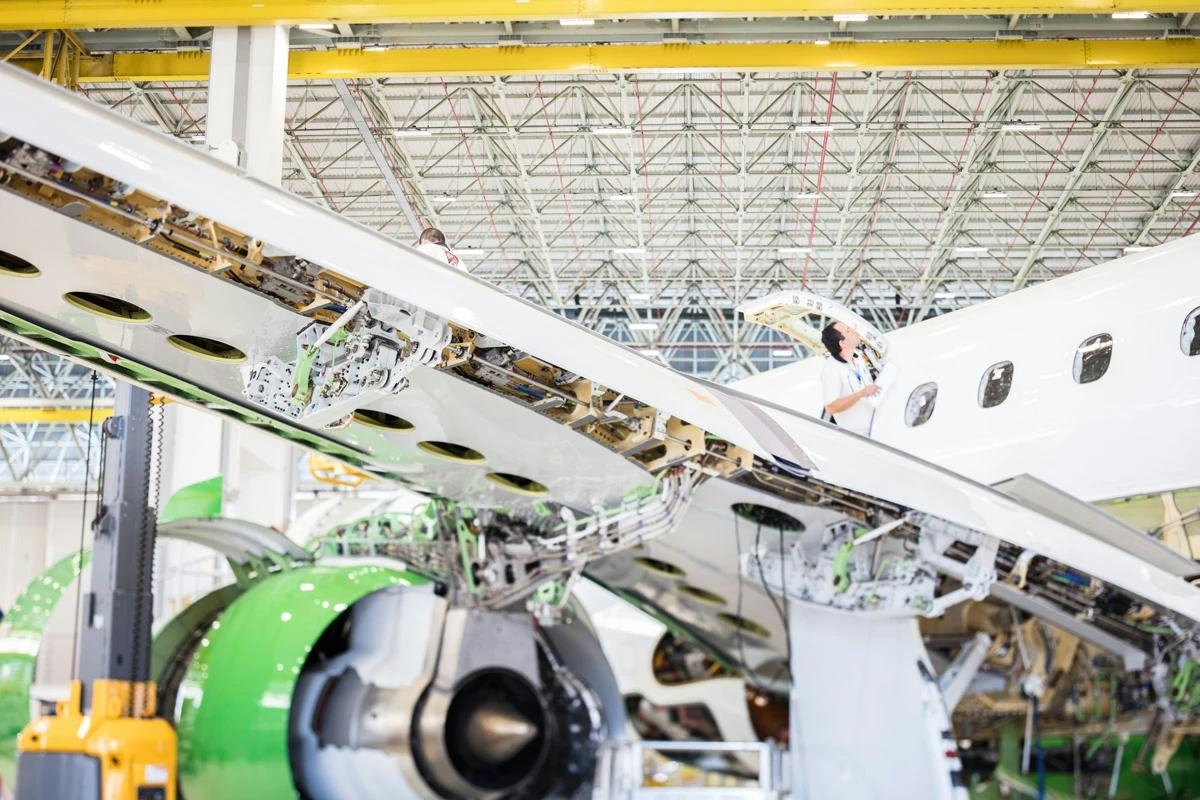
Embraer E195-E2 Features Distinctive Engine Placement Among Regional Jets
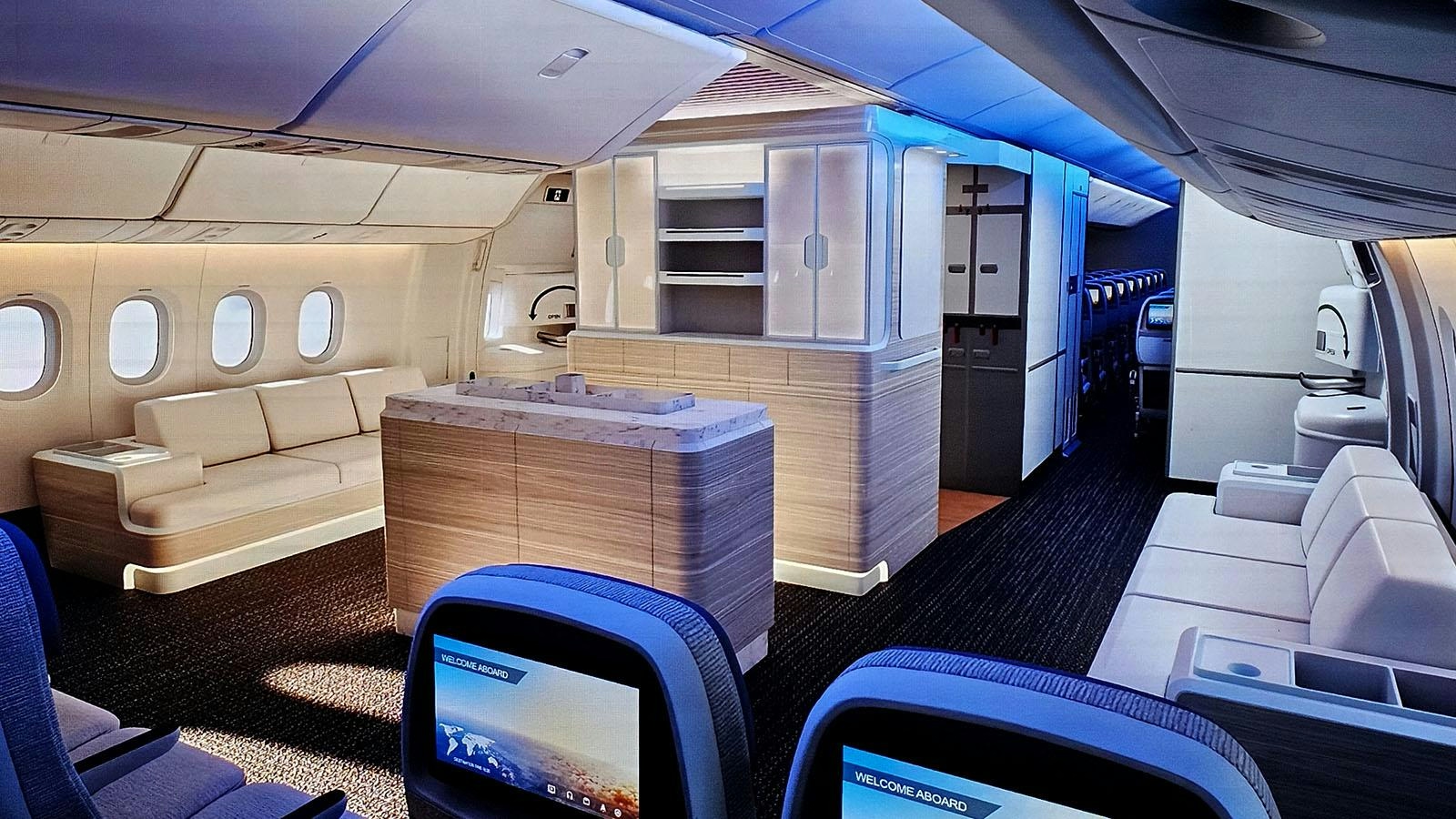
What Passengers Can Expect on Boeing’s New 777X Jet

How Ethiopian Airlines Became Africa’s Leading Carrier Amid Gulf Competition
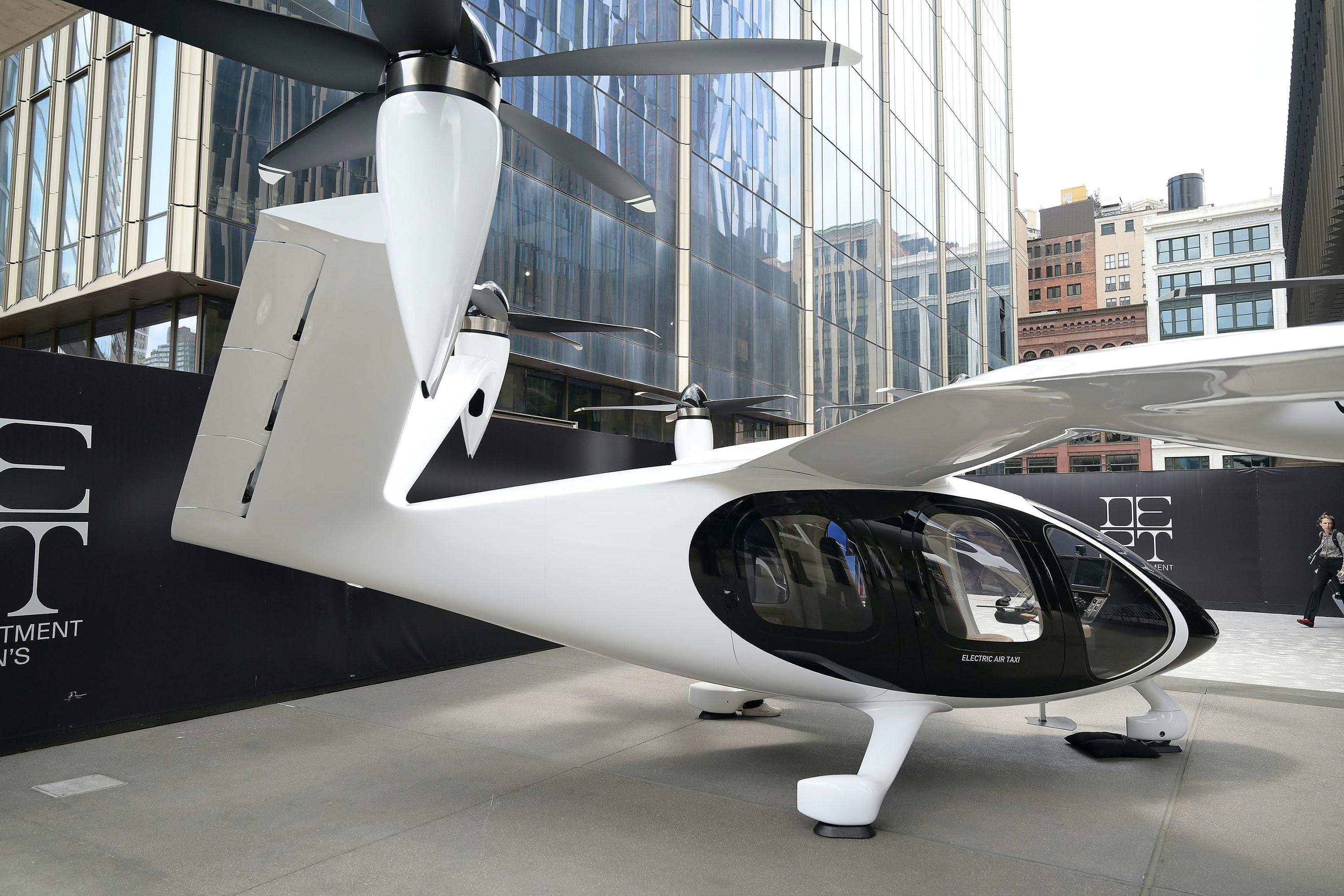
Joby Aviation Extends Autonomous Flight Capabilities with Cross-Country Tour
