
Orquestre insights de IA em ações

Tendências
Categories
Air India A320neo Makes Emergency Return to Mumbai
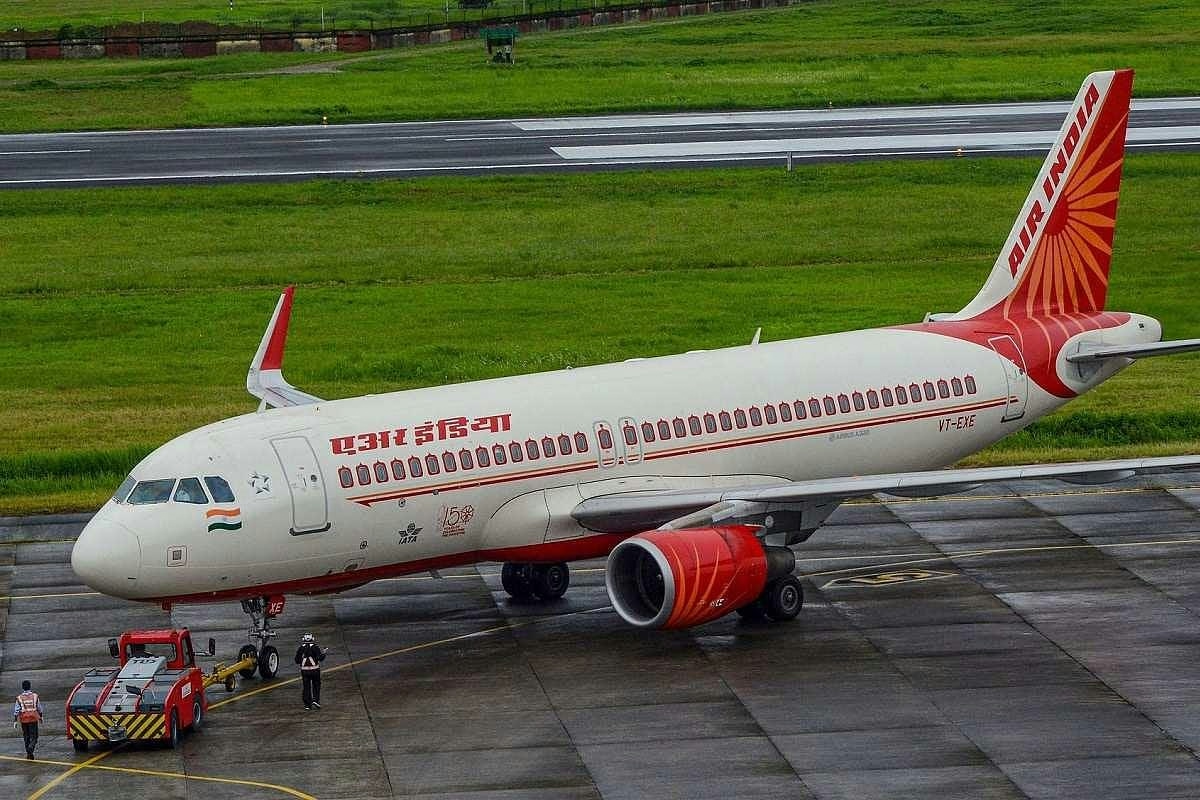
Air India A320neo Makes Emergency Return to Mumbai After Engine Stall
Incident Overview
An Air India Airbus A320neo operating flight AI 2812 from Mumbai to Bengaluru was compelled to make an emergency return to Chhatrapati Shivaji Maharaj International Airport early Tuesday morning following a technical malfunction in one of its engines shortly after takeoff. The aircraft, originally scheduled to depart at 2:05 AM, took off around 2:15 AM. Within minutes, passengers reported hearing a loud noise accompanied by visible sparks emanating from the right engine during the initial climb.
In response to the situation, the flight crew declared a “PAN PAN” urgency alert, a standard aviation protocol indicating a serious but not immediately life-threatening condition, and requested priority assistance from air traffic control. The aircraft safely landed back in Mumbai at approximately 2:35 AM, less than 20 minutes after departure. Emergency services were placed on standby as a precautionary measure.
Technical Details and Passenger Impact
An official, speaking anonymously, confirmed that the right engine (Engine 2) of the Airbus A320neo had experienced a stall, prompting the crew’s prompt decision to return to the airport. The aircraft involved was an Airbus A320-251N, registration VT-TNK, an eight-year-old model powered by two CFM LEAP-1A engines. Passengers, though understandably shaken by the abnormal sounds and visible sparks, were safely disembarked and subsequently transferred to another aircraft to complete their journey to Bengaluru.
The likely cause of the engine issue was a compressor stall, a disruption in airflow through the engine’s compressor section that can result in a loss of thrust accompanied by loud noises and visible sparks. While such events are rare, they carry significant operational and reputational implications for airlines.
Broader Industry Implications
This incident may present challenges to Air India’s operational reliability and is expected to attract increased scrutiny from aviation authorities. The airline could also face adverse market reactions, including a potential decline in its stock price due to the negative publicity surrounding the event. The episode occurs amid wider industry concerns regarding the safety and reliability of the A320neo family, which remains a popular choice among carriers worldwide.
Major operators of the A320neo, such as Delta Air Lines and China Eastern Airlines, may also encounter pressure to reassure both passengers and regulators about the safety of their fleets. Delta recently experienced an engine fire on an A330, underscoring ongoing safety challenges within the aviation sector. Meanwhile, China Eastern’s substantial orders for A320neo aircraft highlight continued demand for the model despite these incidents.
Air India has yet to issue an official statement concerning the cause of the engine stall or the remedial measures being undertaken. Aviation authorities are expected to launch a comprehensive investigation into the circumstances surrounding the event.

Etihad Airways Suspends Airbus A380 Flights on Key Route

Aditya Birla Group Seeks Approval for Aircraft Leasing in GIFT City

Qatar Airways Highlights Innovation and Connectivity at Arabian Travel Market 2026

Hong Kong's Five-Year Plan Includes Andrew Fan's Aircraft Parts Processing Hub Proposal

ACIA Aero Leasing Delivers ATR72-600 to Air Nostrum

RTX Appoints Jill Albertelli as Head of Pratt & Whitney

TAT Technologies Joins Beyond Aero Hydrogen Aircraft Program

AURAK Study Highlights Barriers to Air Taxi Adoption in Emerging Economies

Xiamen Air Selects Altitude for 787 Maintenance at Heathrow

Etihad and Swissport Extend Global Partnership
