
Orquestre insights de IA em ações

Tendências
Categories
Airbus Delays New Aircraft Program Beyond 2031 Amid Production and Engine Issues
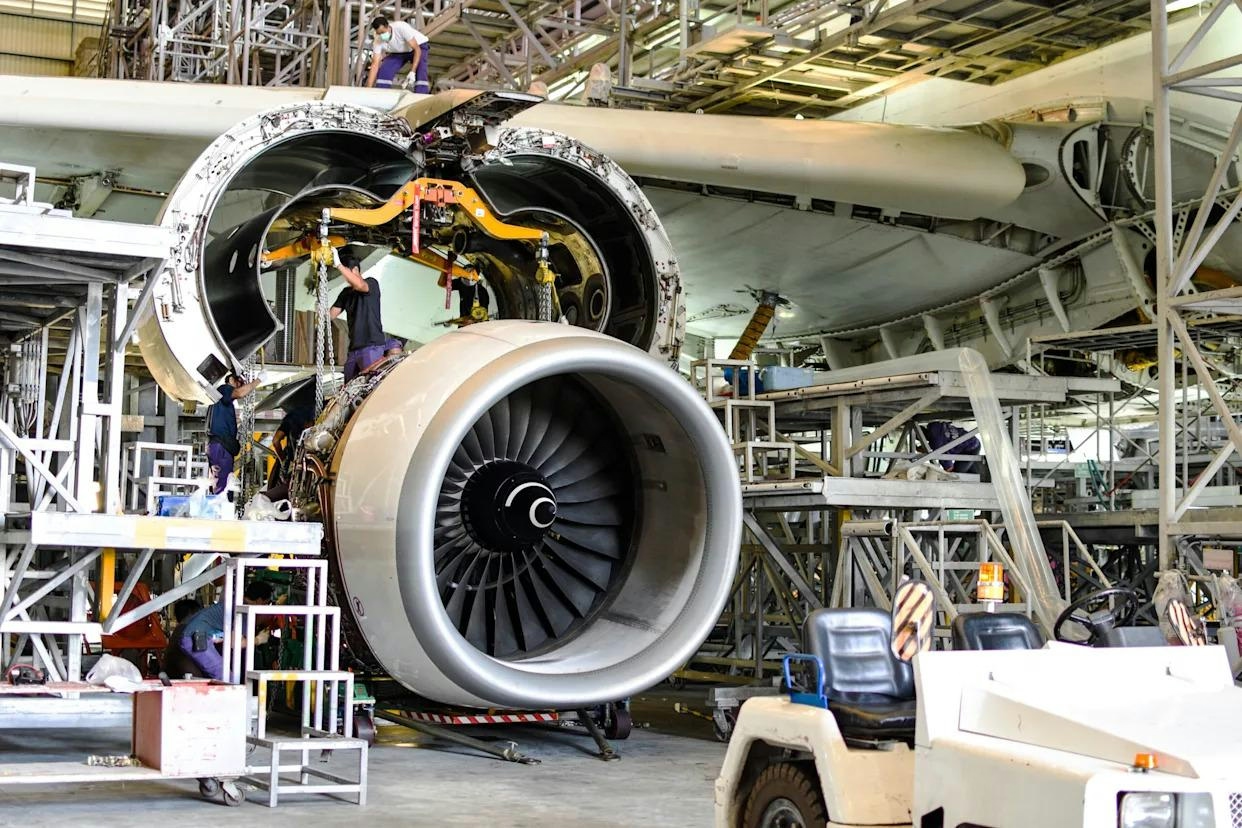
Airbus Postpones Next-Generation Aircraft Program Beyond 2031 Amid Production and Engine Challenges
Airbus has announced a significant delay in the launch of its next all-new commercial aircraft program, pushing the timeline beyond 2031. The world’s largest aircraft manufacturer is contending with persistent production backlogs, ongoing supply chain disruptions, and substantial difficulties in developing advanced engine technologies. This strategic decision signals a shift from rapid innovation toward prioritizing the delivery of thousands of jets already on order, with considerable implications for airlines’ fleet renewal strategies and the broader pace of innovation within the aviation industry.
Implications for Airlines and Passengers
The postponement of Airbus’s next-generation aircraft program carries wide-ranging consequences for both airlines and travelers. With new models unlikely to enter service before the next decade, carriers will need to extend the operational life of existing aircraft families such as the A320neo and A350. For passengers, this translates into a more gradual evolution of the flying experience, characterized by incremental improvements in cabin comfort and fuel efficiency rather than transformative advances in technology or onboard amenities.
Underlying Causes of the Delay
Several interrelated factors have contributed to Airbus’s decision to delay its new aircraft program. The company is currently managing record order backlogs, with thousands of planes awaiting delivery. This unprecedented demand is compounded by ongoing instability within the supply chain, including labor shortages and challenges among secondary-tier suppliers, which continue to disrupt production schedules.
A critical bottleneck lies in the development of next-generation propulsion systems. Technologies such as open-fan engines and advanced sustainable aviation fuels, which are essential for future aircraft performance and environmental goals, remain immature and are not yet ready for commercial deployment at scale.
Further complicating Airbus’s position are setbacks within its existing product lines. Efforts to introduce a larger variant of the A220 have faltered amid weak interest from leasing companies and intense competition from Brazilian manufacturer Embraer. The A220 program remains unprofitable and has recently experienced order cancellations, placing additional strain on Airbus’s growth prospects.
Moreover, Airbus has informed customers of delays affecting deliveries of its popular A320neo series, particularly the A321neo model. Jets originally scheduled for delivery in 2027 and 2028 are now facing postponements. CEO Guillaume Faury has publicly acknowledged the challenges involved in ramping up production to meet ambitious growth targets, highlighting the complexity of the current manufacturing environment.
Industry and Environmental Considerations
While the delays may appear detrimental, they offer a measure of stability for airlines with substantial Airbus orders, enabling more predictable fleet planning and reducing the risk of premature investment in unproven aircraft technologies. Passengers will continue to benefit from steady enhancements in cabin comfort, quieter engines, and improved onboard connectivity as existing models remain in service for longer periods.
For competitors such as Boeing, Airbus’s emphasis on execution over innovation provides additional time to refine their own strategies for next-generation aircraft development.
However, the postponement of new, more fuel-efficient aircraft could impede the aviation sector’s progress toward achieving net-zero carbon emissions by 2050. As manufacturers struggle to deliver breakthrough technologies on schedule, the industry’s environmental objectives face increased uncertainty.
Outlook
The aviation industry is entering a phase marked by slower innovation, with incremental upgrades taking precedence over radical technological change. Airbus’s delivery-first approach reflects the realities of a post-pandemic manufacturing landscape, where stability and reliability are prioritized even as the sector’s long-term transformation is deferred.
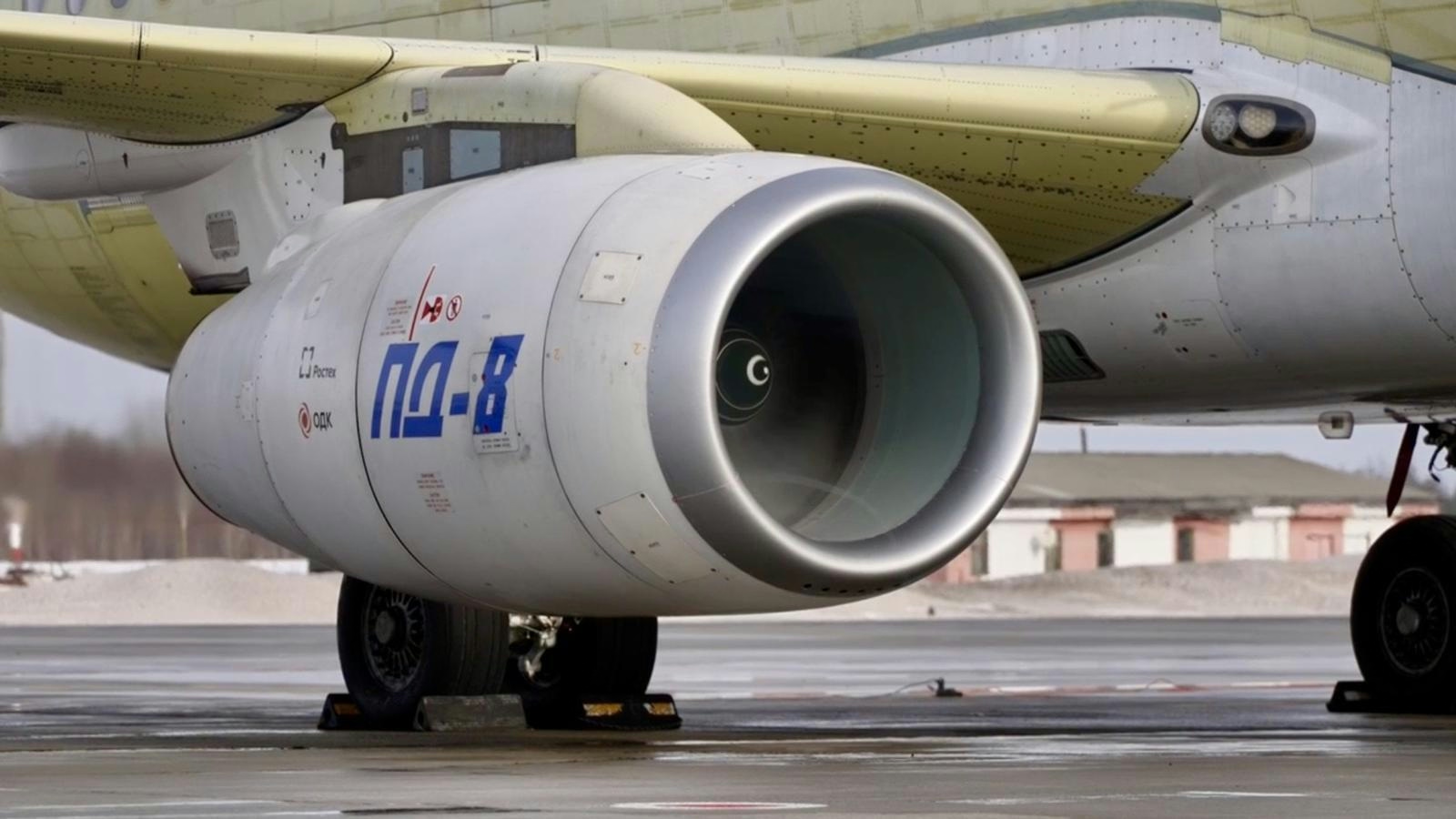
PD-8 Engine Encounters Corrosion Issues from Saltwater Exposure

Weekly Summary: August Deliveries, Year-to-Date Orders, and 4.1 Million Share Buyback
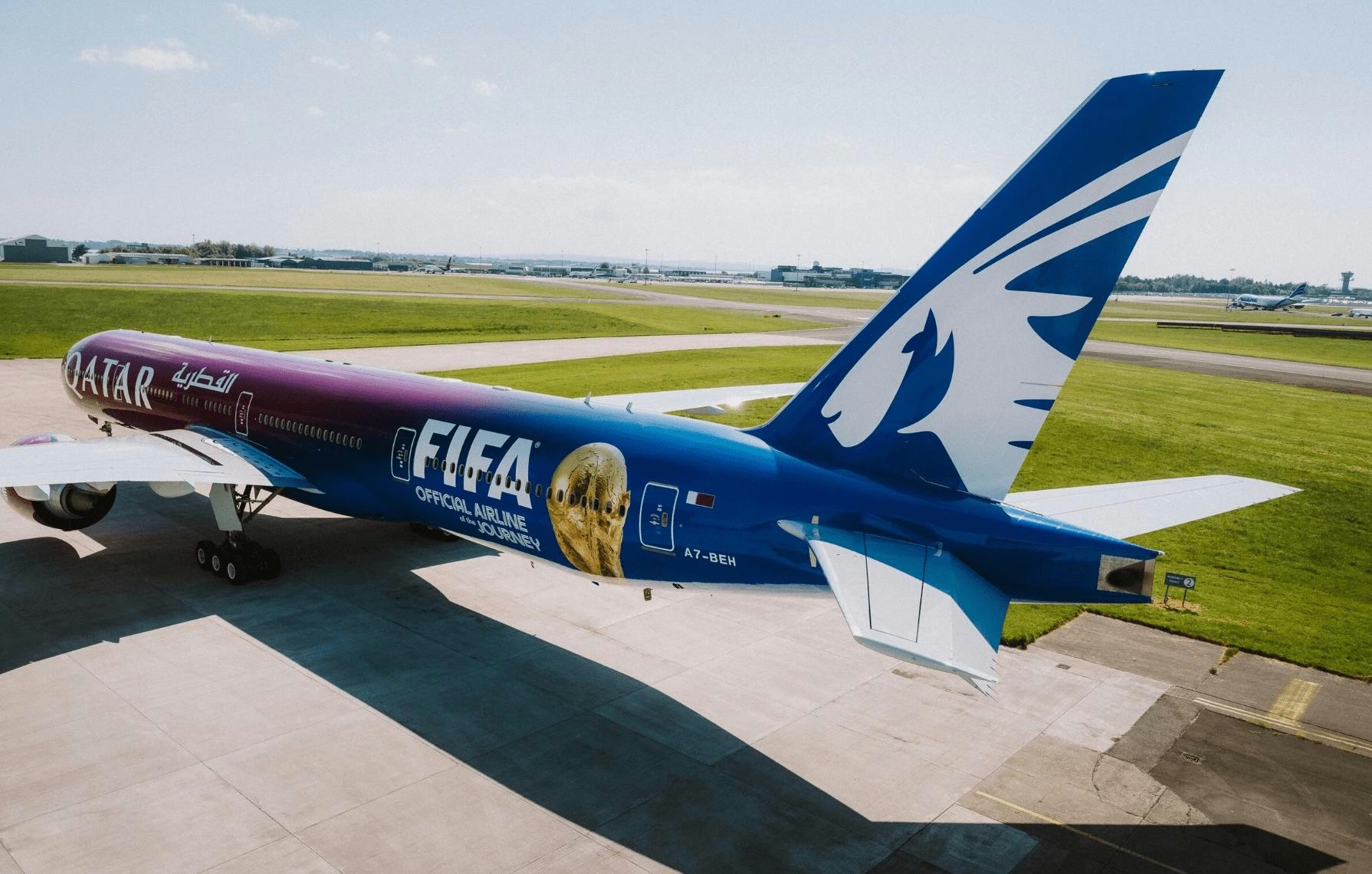
Linking Ireland’s Aircraft Leasing Industry to Elite Football
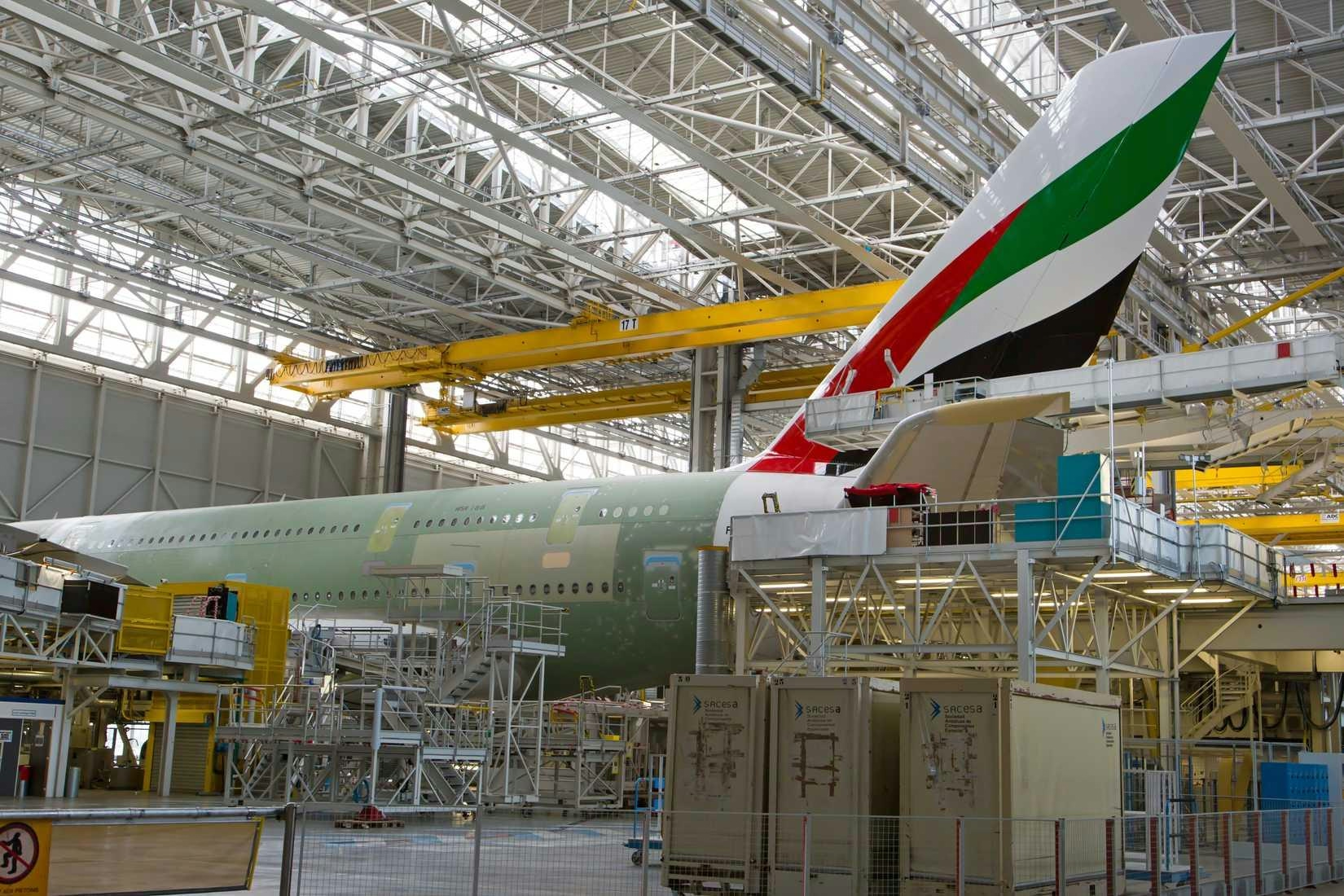
Airbus A380 at Tarbes Yields Over 90% of Parts for Active Fleets Through Careful Dismantling
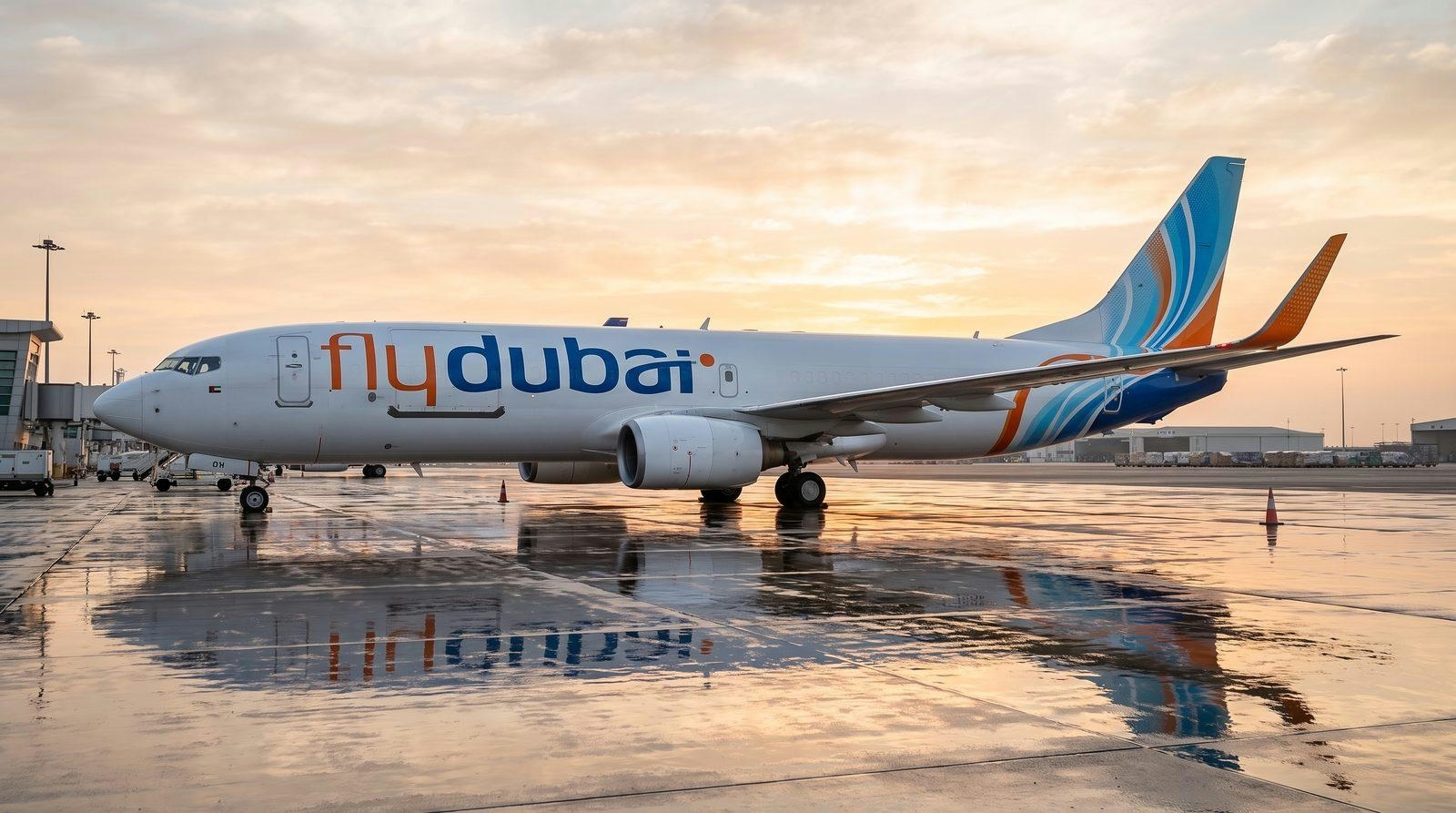
flydubai Begins Dedicated Freighter Operations with Three Leased 737-800s
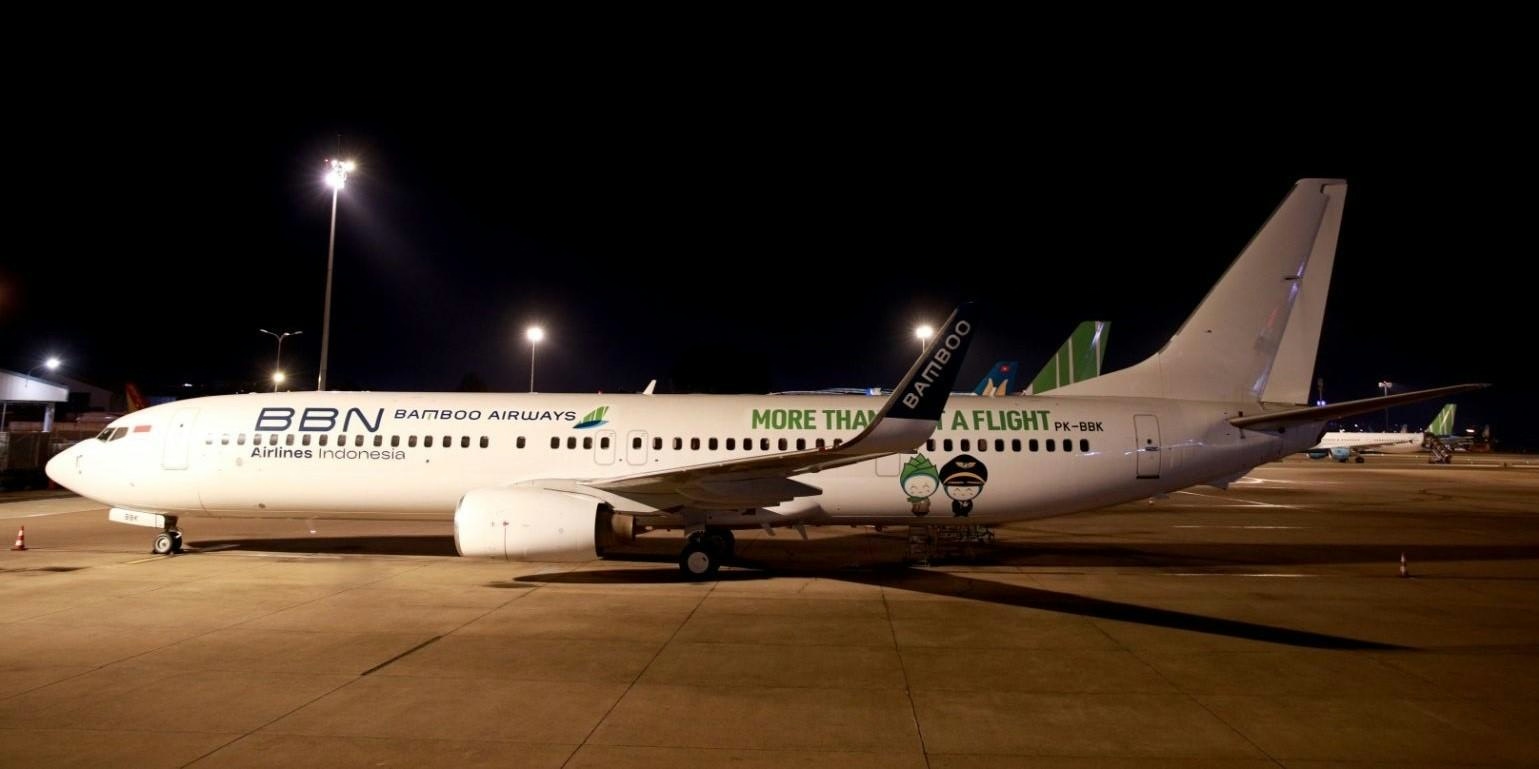
BBN Airlines Becomes IATA Member
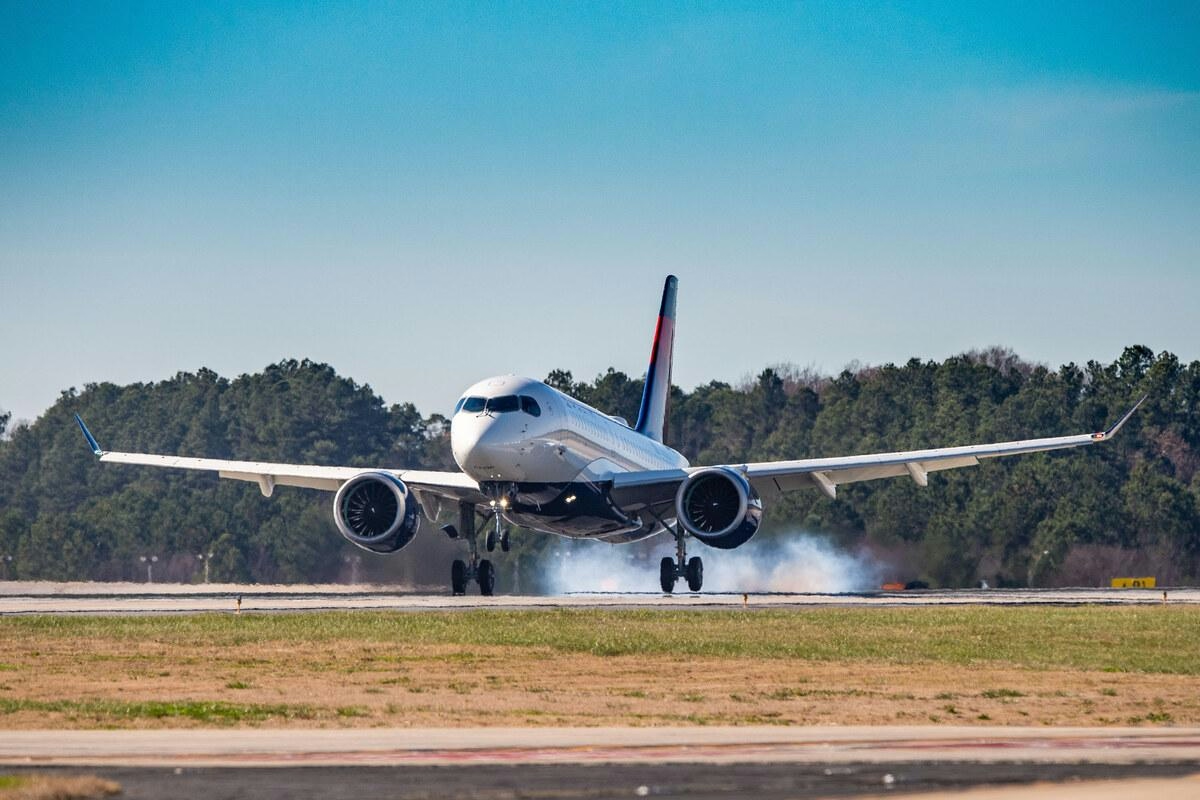
FAA Orders Breeze Airways and Delta to Inspect Airbus A220 Fuel Hoses

Philippine Aviation Navigates Expansion and Costs Amid Fuel Price Volatility
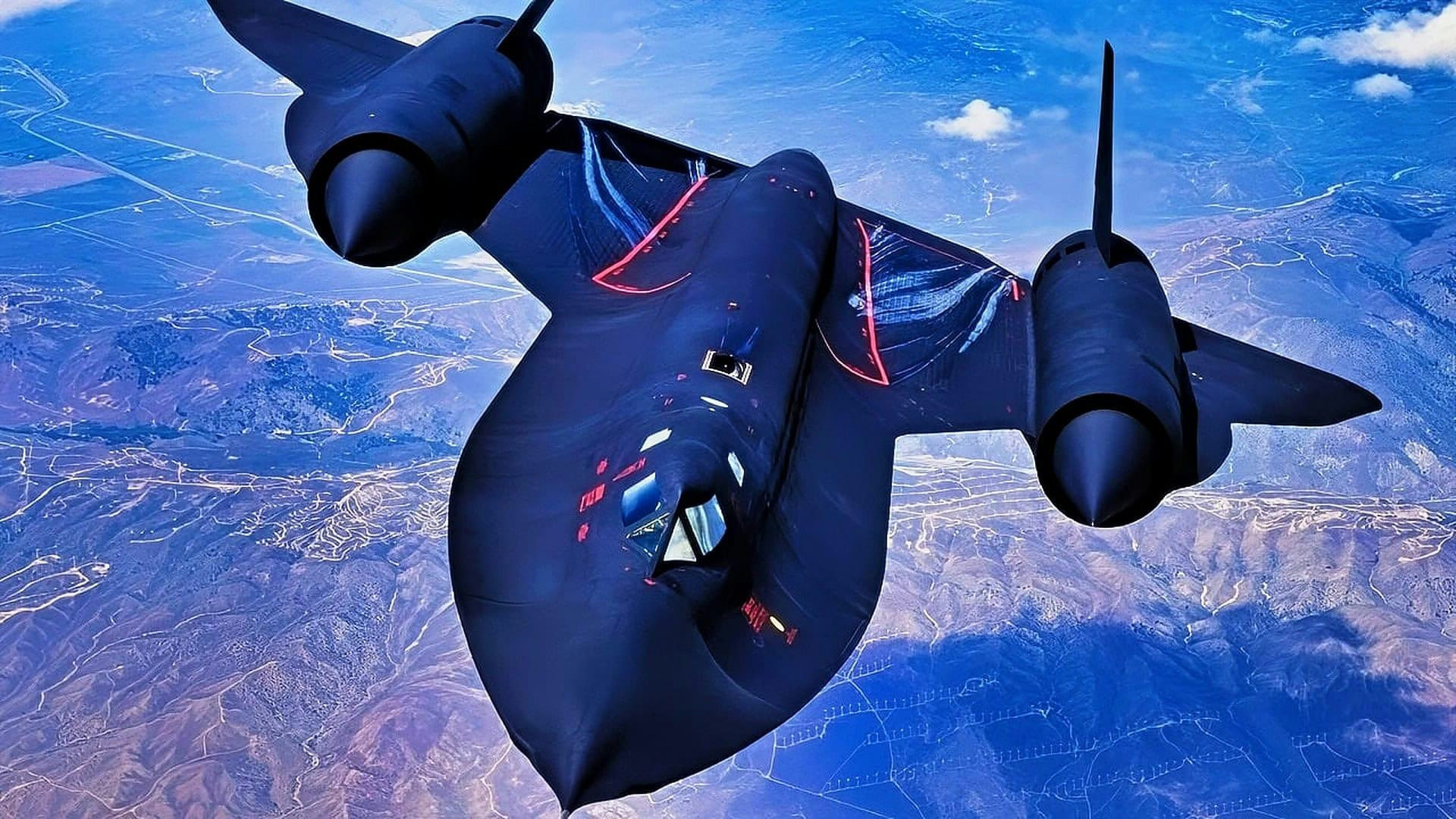
On April 26, 1971, an SR-71 Blackbird Flew Over 15,000 Miles in 10.5 Hours, Limited by Liquid Nitrogen Supply
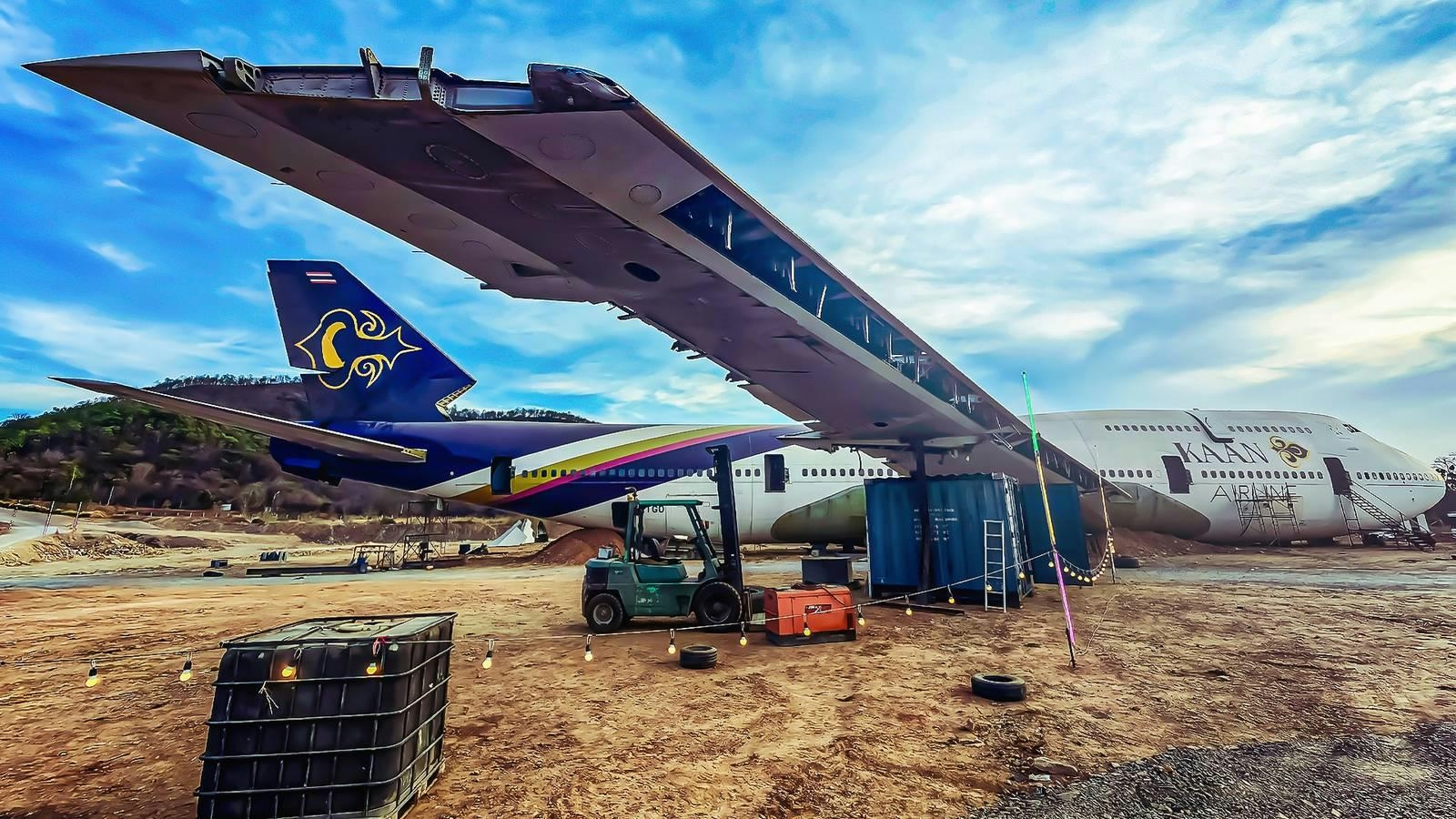
Boeing 747 Airframe Valued Less Than One Landing Gear Component
