
Orquestre insights de IA em ações

Tendências
Categories
Airbus Delivers Nearly 350 Jets Ahead of 870-Plane Target
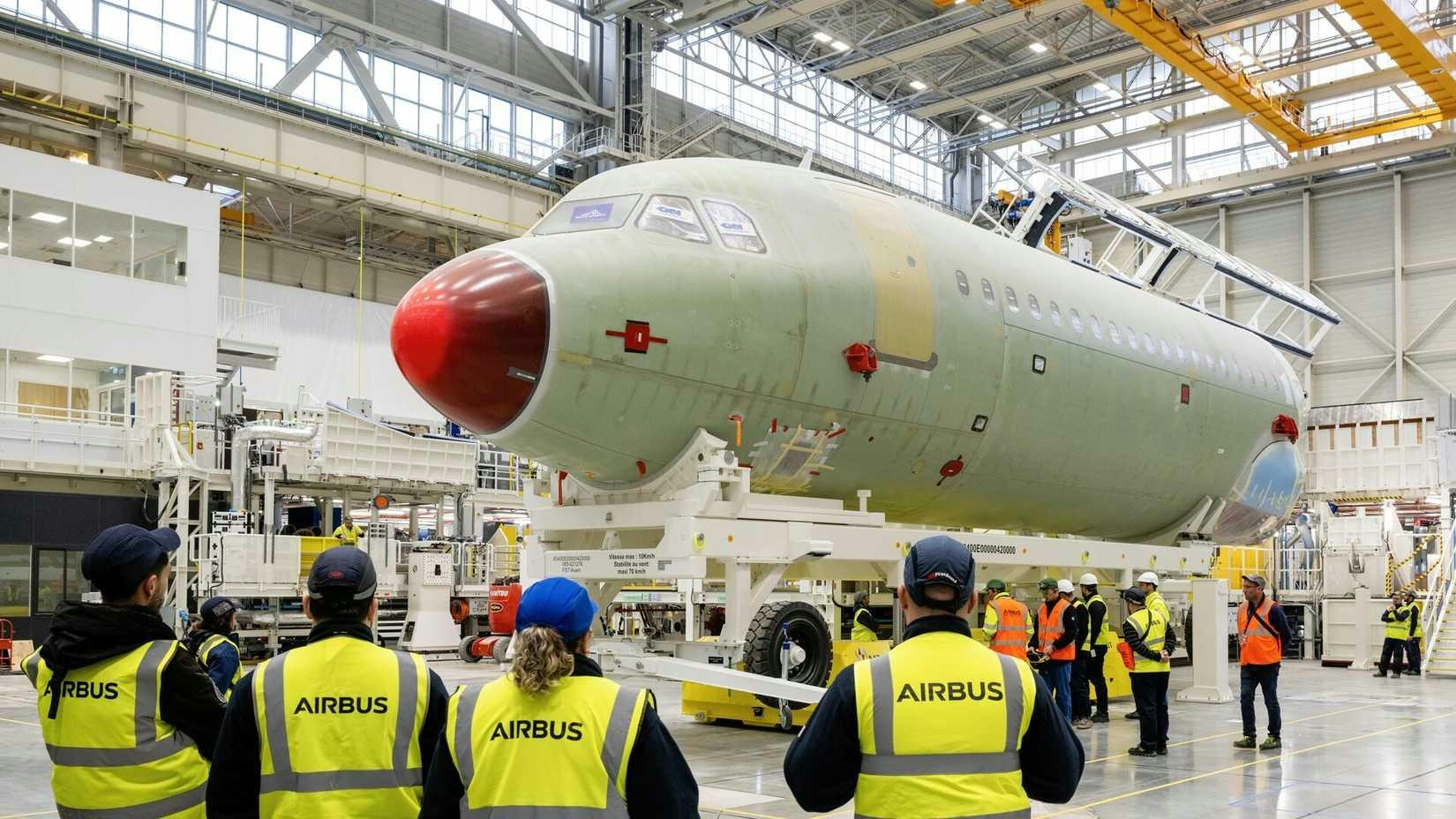
Airbus Delivers Nearly 350 Jets in First Half, Progressing Toward 870-Plane Goal
Airbus has delivered nearly 350 aircraft to customers during the first half of the year, marking a notable advance toward its ambitious target of 870 deliveries in 2026. According to sources familiar with the matter, the European planemaker’s production accelerated in June, with preliminary figures indicating approximately 90 jets handed over, up from 81 in May. Final delivery numbers are expected to be confirmed later this month.
Production Growth Amid Supply Chain Challenges
The first-half delivery total exceeds the 306 jets delivered during the same period in 2025, reflecting robust market demand and a resumption of shipments to China following earlier delays. Despite this progress, Airbus continues to grapple with persistent supply chain disruptions, including pandemic-related issues affecting the availability of parts and engines. CEO Guillaume Faury has acknowledged the ongoing difficulties in scaling production to meet growth targets, noting that the company has repeatedly postponed its goal of manufacturing 75 A320-family aircraft per month.
In addition to these supply constraints, Airbus has recently informed some customers of delays affecting A320neo series jets scheduled for delivery in 2027 and 2028. The company is also engaged in a public dispute with RTX Corp.’s Pratt & Whitney engine division over production-rate delays, further complicating its delivery schedule.
To meet its full-year target, Airbus must deliver roughly 520 more aircraft in the second half of 2026. Historically, deliveries tend to accelerate during this period, making the upcoming months critical for investors assessing the company’s momentum.
Boeing’s Recovery and Industry Outlook
Meanwhile, Boeing has shown signs of recovery following a prolonged crisis, delivering 250 jets through May 31. The U.S. manufacturer is reportedly considering increasing its 737 production rate to around 70 jets per month, according to industry sources, in an effort to narrow the gap with Airbus’s output. Boeing’s recent improvements have been supported by political backing and a rebound in order activity.
An Airbus spokesperson declined to comment ahead of the official release of orders and deliveries data, expected later this month. As both Airbus and Boeing strive to overcome supply chain challenges and ramp up production, the global aerospace industry remains focused on whether these leading manufacturers can achieve their ambitious delivery targets amid ongoing operational hurdles.

Etihad and Swissport Extend Global Partnership
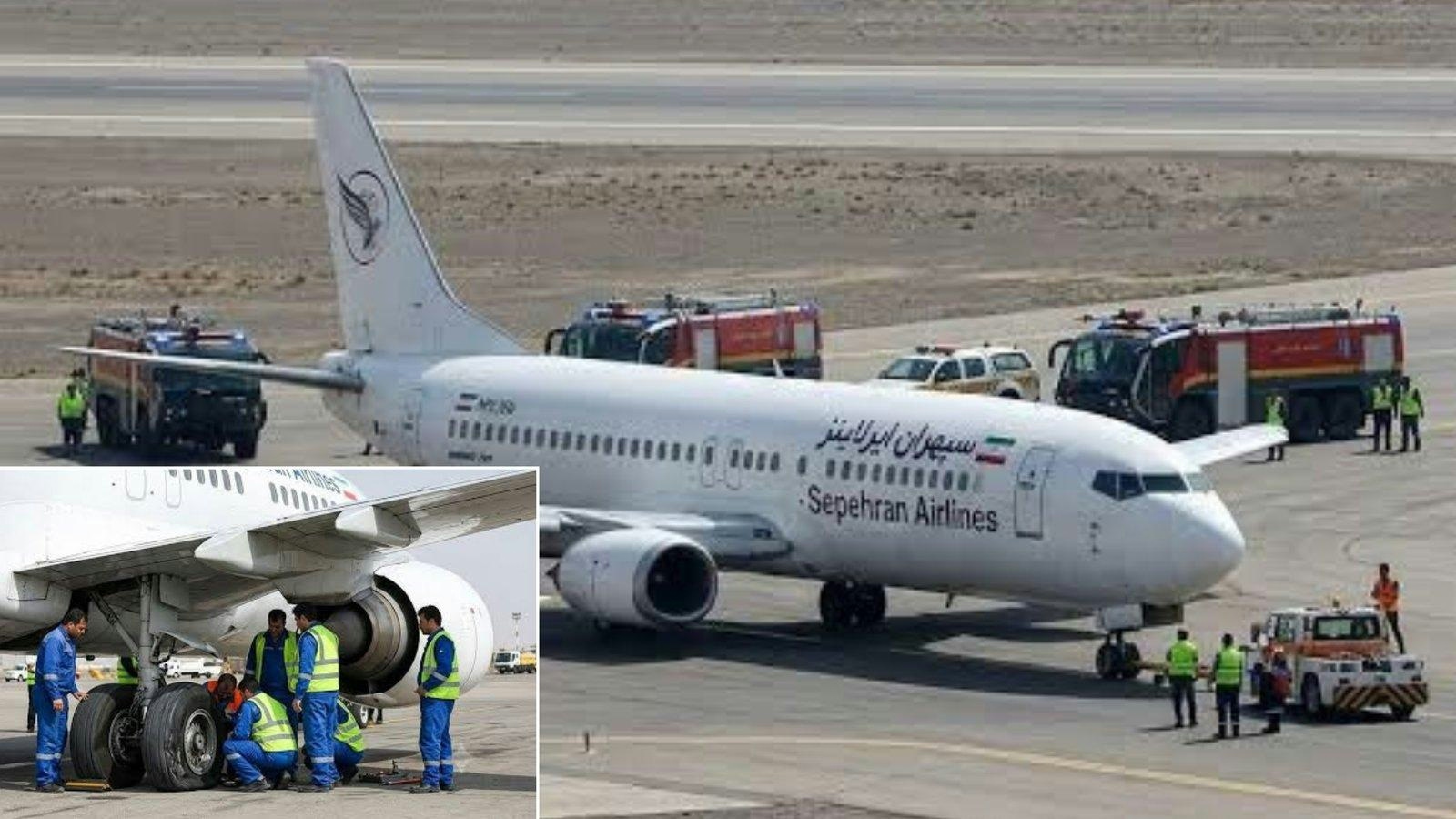
Sepehran Airlines B737 Returns to Mashhad After Tyre and Engine Issues

Etihad Deploys Widebody Fleet to Meet Strong Demand
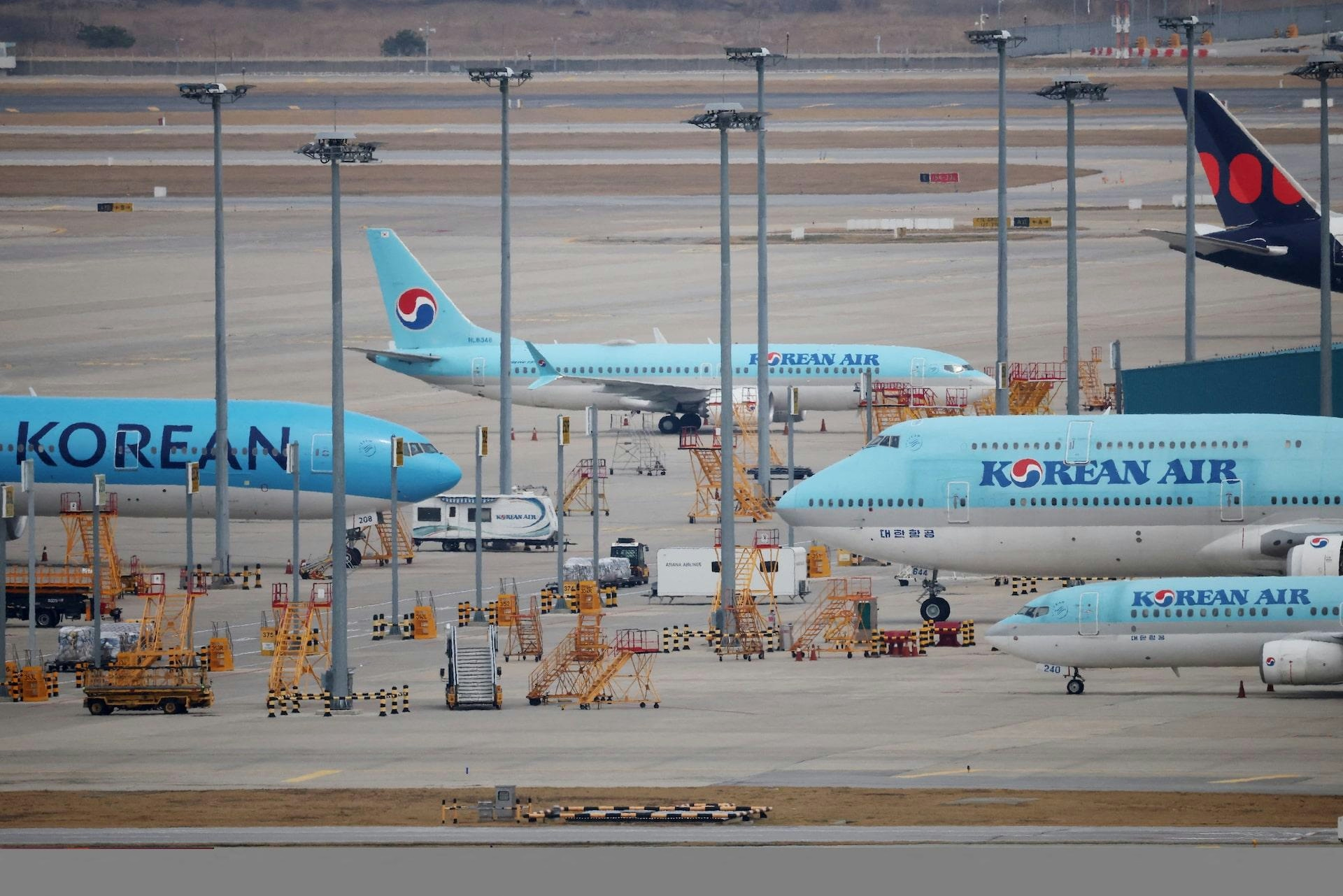
Korean Air Finalizes $36.2 Billion Deal with Boeing

Australia’s RFDS Queensland Section Orders Six King Air 260Cs

Korean Air Finalizes Order for 103 Boeing Jets and Engines
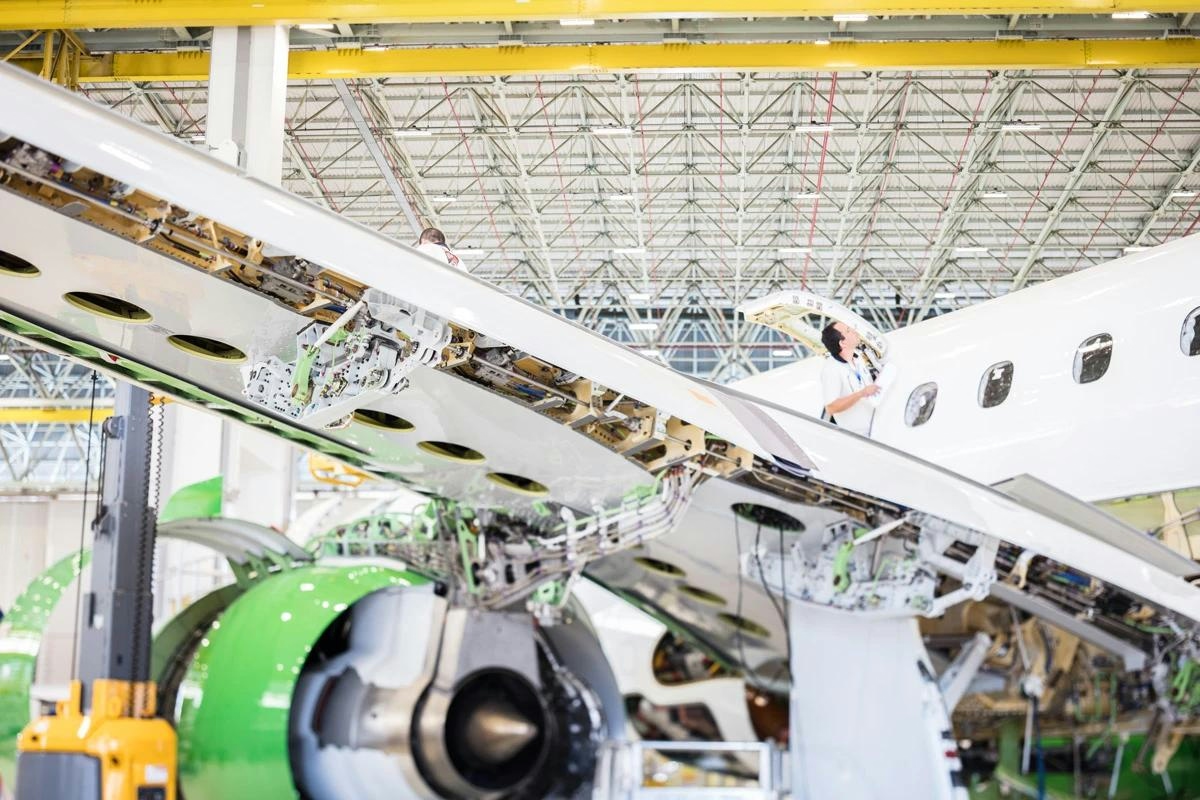
Embraer E195-E2 Features Distinctive Engine Placement Among Regional Jets
What Passengers Can Expect on Boeing’s New 777X Jet

How Ethiopian Airlines Became Africa’s Leading Carrier Amid Gulf Competition
Joby Aviation Extends Autonomous Flight Capabilities with Cross-Country Tour
