
Orquestre insights de IA em ações

Tendências
Categories
Airbus India MD Says India Could Become a Global Hub for Sustainable Aviation Fuel
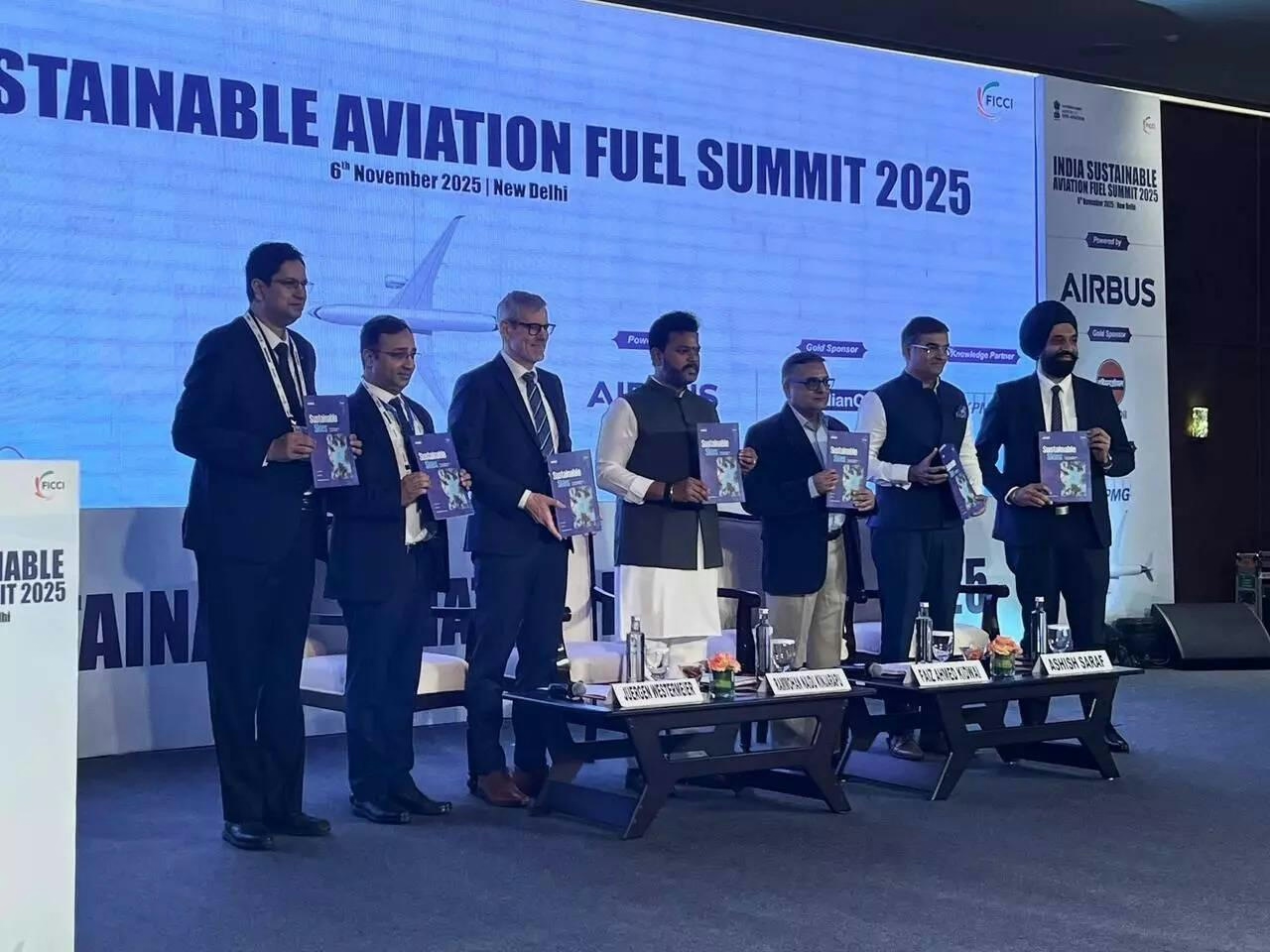
India’s Potential as a Global Hub for Sustainable Aviation Fuel
India stands poised to become a significant global hub for sustainable aviation fuel (SAF), capitalizing on its abundant agricultural resources, engineering capabilities, and growing commitment to clean technology. Jürgen Westermeier, President and Managing Director for India and South Asia at Airbus, emphasized the country’s unique position to leverage crop residues, particularly agricultural stubble, as a vital raw material for SAF production. He noted that transforming the collection of crop stubble into a viable business could simultaneously address the pressing issues of air pollution and fuel sustainability. Westermeier stressed that the development of effective economic incentives is essential to encourage the collection and utilization of agricultural waste, which currently remains underexploited due to a lack of commercial viability.
Challenges and Industry Perspectives on Scaling SAF Production
Despite the promising outlook, establishing India as a global SAF production hub faces several challenges. Industry leaders, including Airbus CEO Guillaume Faury, have highlighted persistent supply chain disruptions that could hinder the scaling of SAF manufacturing. Maurits van Tol of Johnson Matthey further underscored the necessity of robust industrial platforms to support large-scale production, while logistical complexities in setting up and operating facilities across India remain significant obstacles.
The evolving market landscape also presents challenges. Several countries have introduced levies on sustainable aviation fuel, which may lead to increased air travel costs. Singapore’s recent implementation of such levies exemplifies this trend, compelling airlines and passengers to adjust to higher prices. Meanwhile, competitors are accelerating their efforts to expand SAF capacity. SkyNRG plans to inaugurate its first production facility by 2028, and companies like AEG Fuels are broadening their supply networks to meet rising demand.
Integrating Sustainability and Technology in Aviation
Westermeier highlighted the critical role of embedding sustainability into technological design from the outset. He identified artificial intelligence (AI) as a pivotal tool for enhancing efficiency, optimizing resource utilization, and advancing the aviation sector’s net-zero objectives. Emphasizing a human-centric and ethical approach, Westermeier argued that AI should serve as an enabler that augments human capabilities rather than replacing them. While AI has already contributed to operational efficiencies in aviation, he believes there remains substantial potential for further innovation.
As India endeavors to position itself at the forefront of sustainable aviation, industry consensus points to the importance of addressing supply chain, logistical, and economic challenges. With appropriate policies, investments, and business models, India could emerge as a key player in shaping the future of sustainable air travel.
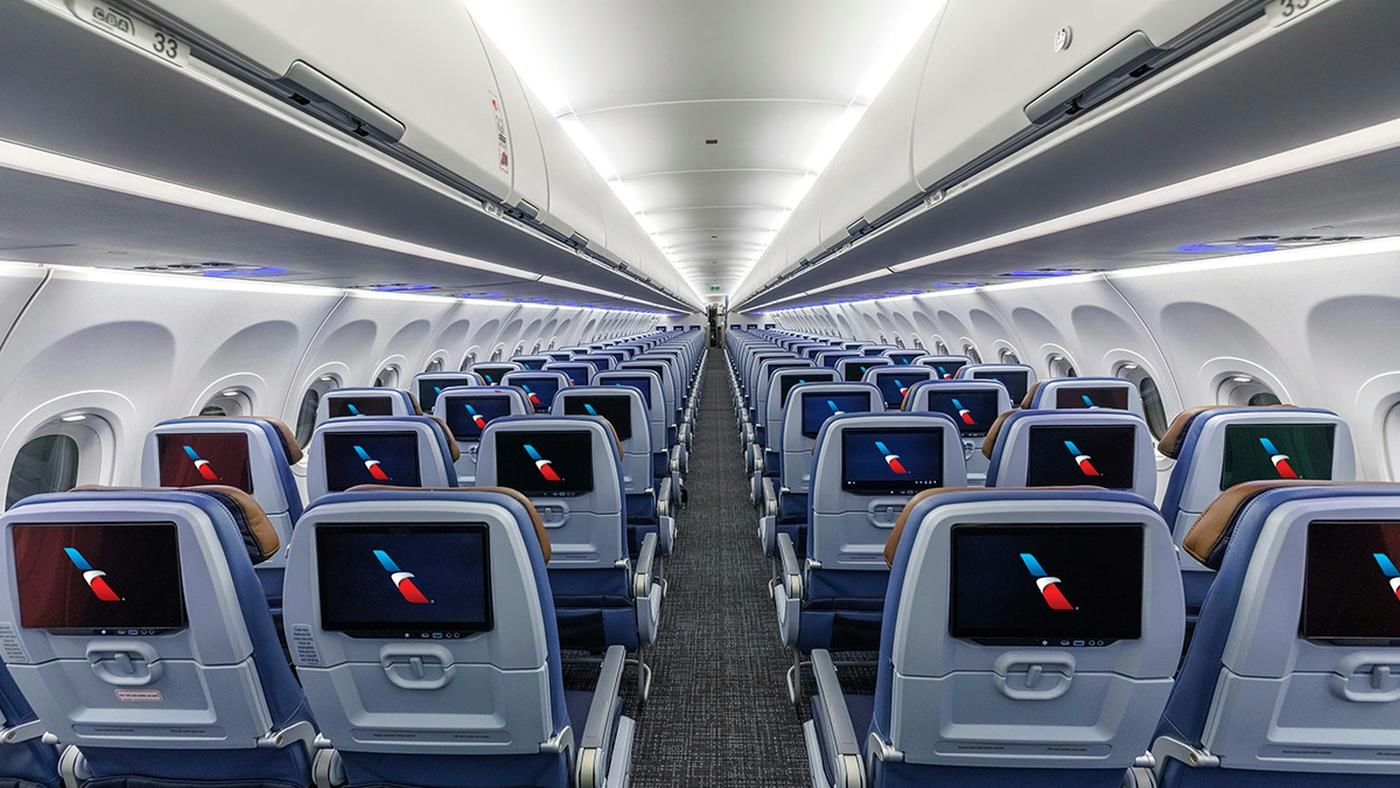
American Airlines Plans to Receive New Aircraft Deliveries in 2026

Delta Flight Returns to Atlanta Airport Due to Engine Trouble

Samoa Airways Recovers Damaged DHC-6-300 Aircraft

Man Ingested by Frontier Airlines Engine Marks Denver’s Sixth Airfield Security Breach in Three Years

The Advantages and Disadvantages of Owning Versus Leasing a Private Jet
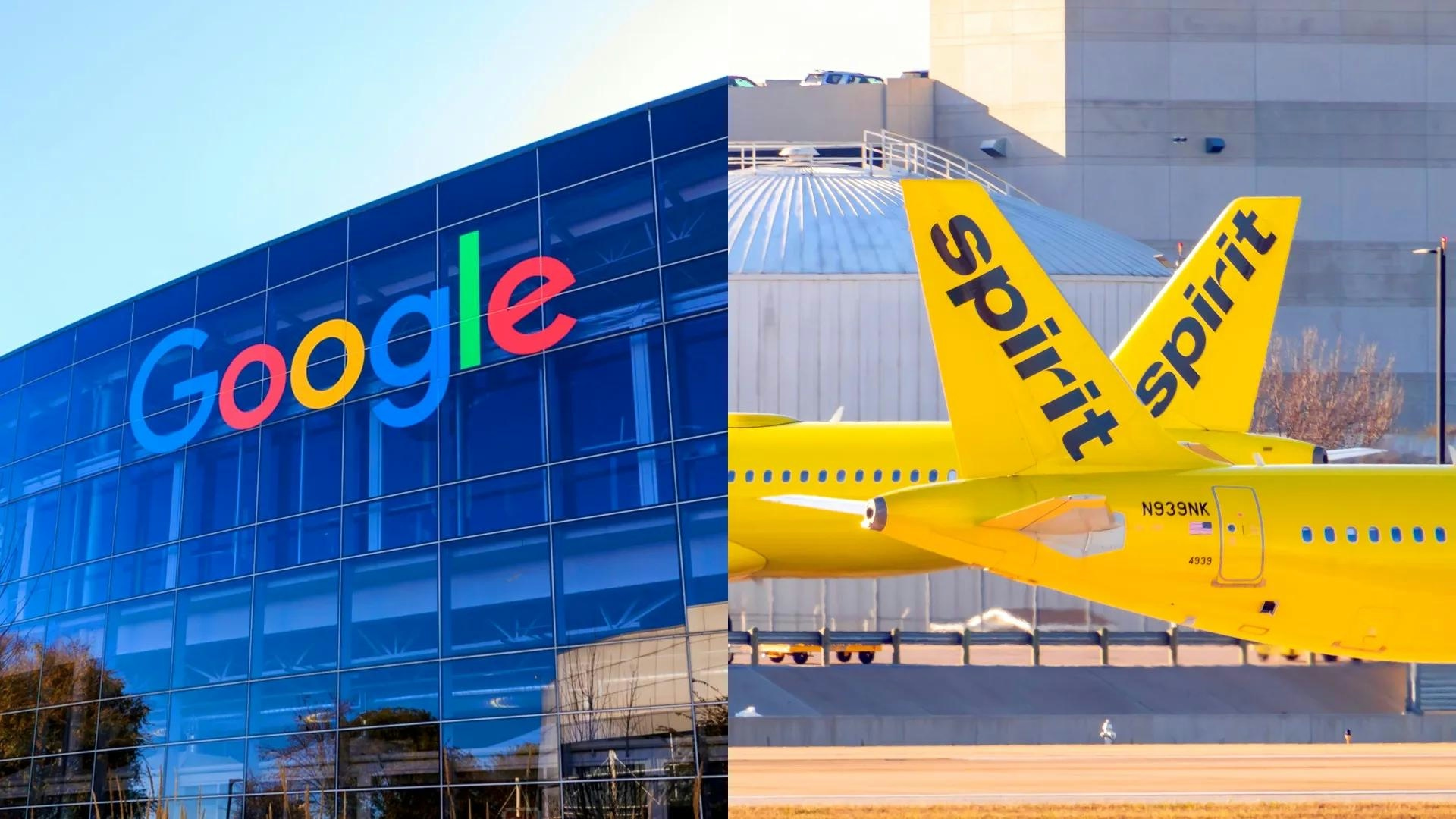
Former Spirit Employees Express Concerns Over AI Partnership With Google
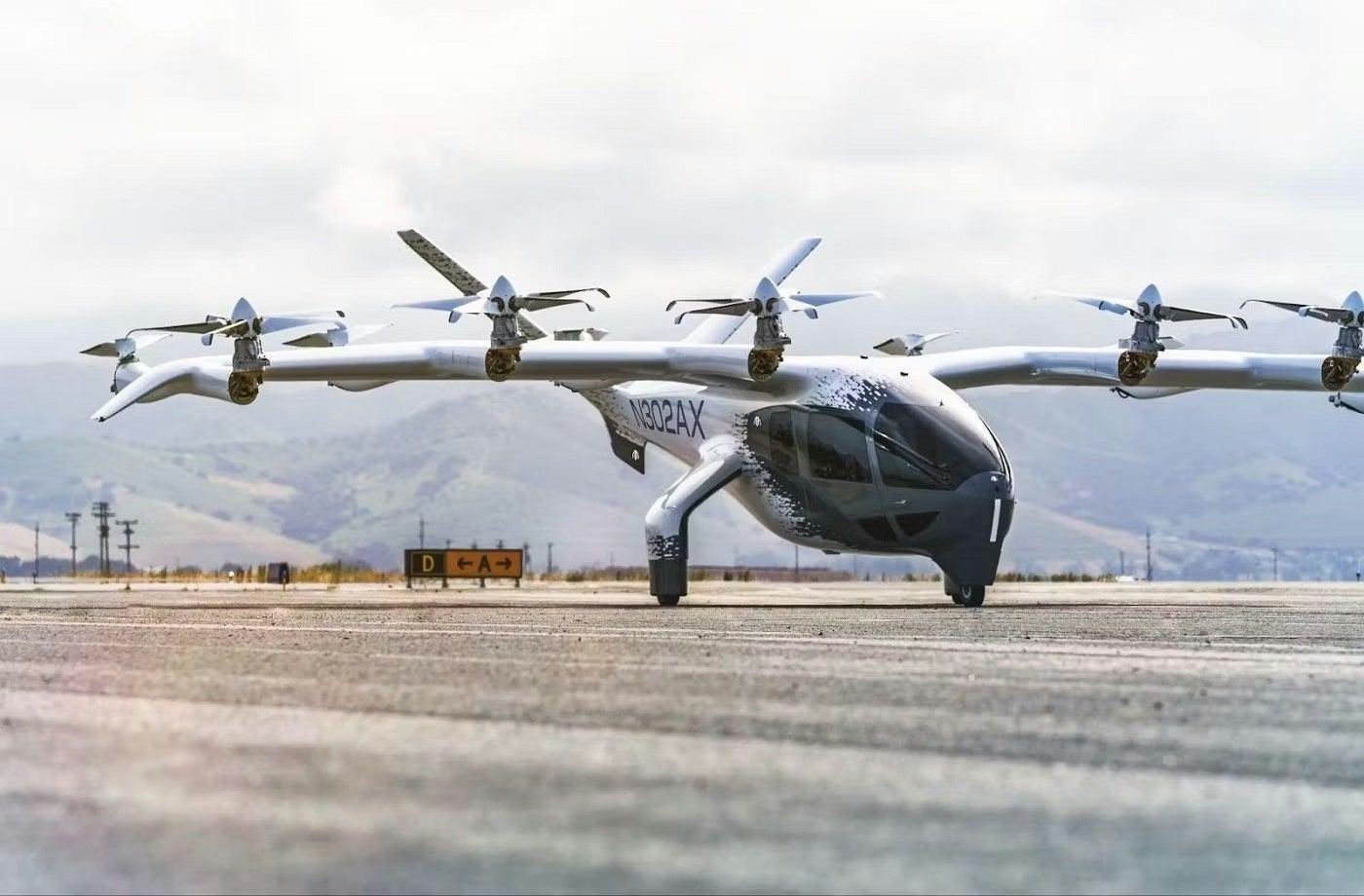
China Certifies Pilotless Air Taxi for Export; Sri Lanka First Buyer

US Pilot Hourly Pay Ranges from $90 for Regional to $465 for Widebody Flights

NASA Chooses University Teams to Support Aviation Research

Airbus Conducts Freighter First Flight as Delivery Figures Influence Stock
