
Orquestre insights de IA em ações

Tendências
Categories
Airbus Plans to Acquire More Pratt & Whitney Engines in 2027
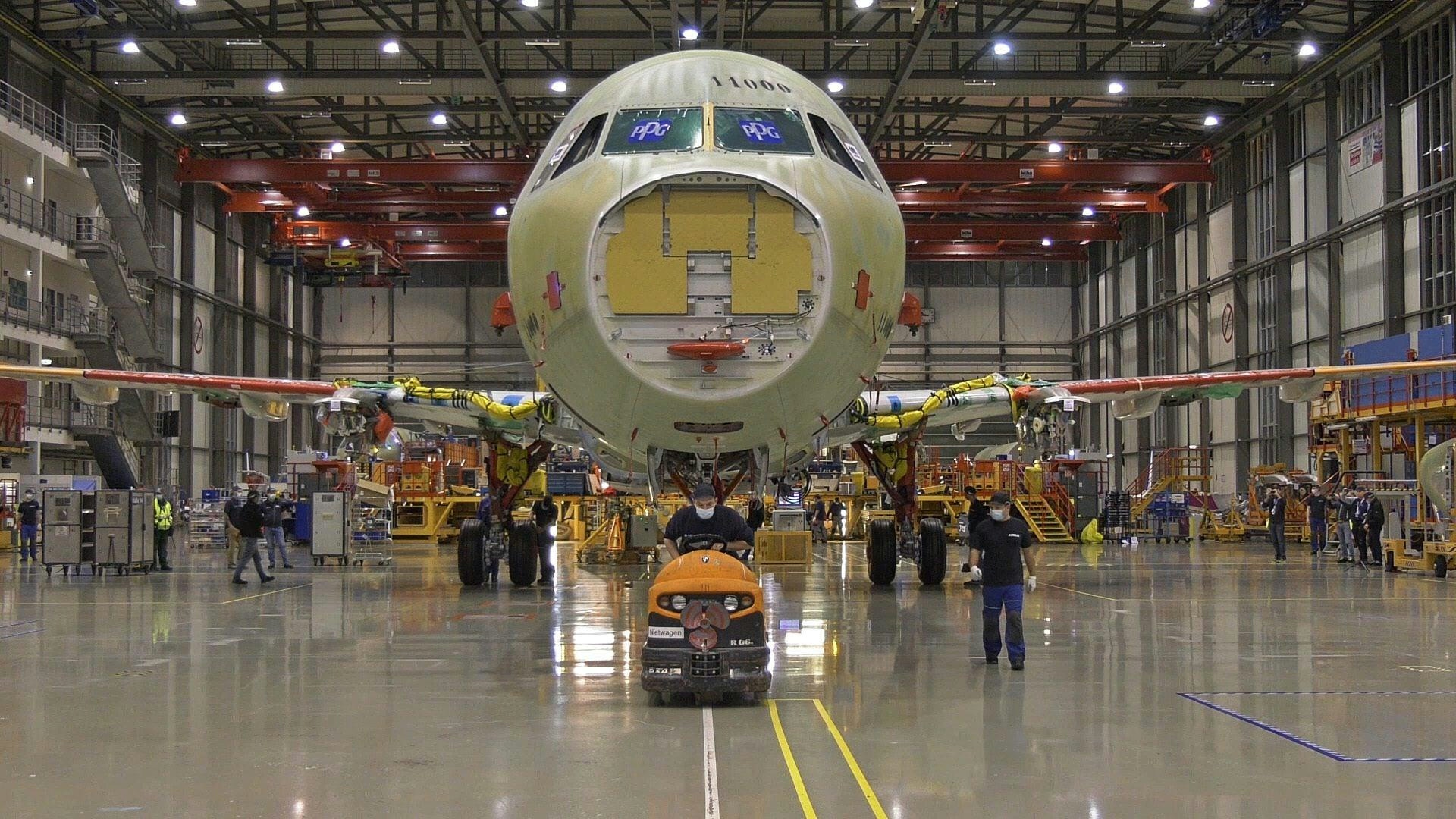
Airbus Seeks to Increase Pratt & Whitney Engine Deliveries Amid Supply Chain Challenges
Airbus is intensifying efforts to secure a higher volume of aircraft engines from Pratt & Whitney in 2027, as the European aerospace giant contends with ongoing supply chain disruptions that have delayed aircraft deliveries and frustrated airline customers. This initiative follows months of negotiations over engine allocations, with Airbus also pursuing additional units from CFM International, which has thus far fulfilled its production commitments.
At the Farnborough International Airshow on July 21, Airbus Commercial Aircraft CEO Lars Wagner underscored the critical need for increased engine deliveries from Pratt & Whitney, a subsidiary of RTX, to support the company’s elevated production targets for the coming year. The manufacturer continues to face significant challenges in engine availability, which have contributed to aircraft shortages worldwide amid maintenance-related groundings and supply interruptions.
Impact of Pratt & Whitney’s Maintenance Program and CFM International’s Role
A key factor in the current shortage is Pratt & Whitney’s geared turbofan (GTF) engine inspection and repair program, which has resulted in the grounding of hundreds of Airbus A320neo-family aircraft globally. Although Pratt & Whitney has recently signaled that maintenance disruptions are beginning to subside, Airbus anticipates that engine supply constraints will persist before conditions improve.
In response to these difficulties, Airbus has increasingly relied on CFM International, a joint venture between GE Aerospace and Safran. Wagner highlighted that CFM has consistently met its delivery schedules and expressed optimism that the manufacturer could provide additional engines if production capacity permits. Unlike Pratt & Whitney’s GTF engines, CFM’s offerings have largely avoided widespread maintenance issues and are benefiting from increased output supported by substantial investments in repair capacity and supply chain resilience.
Broader Industry Implications and Airbus’s Production Outlook
The challenges in securing sufficient Pratt & Whitney engines have broader ramifications for the aviation sector. Airbus’s pursuit of additional engines from Pratt & Whitney involves not only logistical complexities but also ongoing disputes with airlines over delayed deliveries. This dynamic has intensified demand for alternative engine suppliers such as CFM, potentially reshaping competitive landscapes and strategic partnerships within the aerospace industry.
Despite these obstacles, Airbus remains committed to its ambitious production goals, particularly the planned increase in output of the A320neo-family to meet strong global demand for fuel-efficient single-aisle aircraft. The manufacturer expects the current engine supply bottlenecks to ease by 2028, enabling more stable production and delivery schedules.
The ongoing engine supply challenges underscore one of the aviation industry’s most pressing issues as manufacturers, engine suppliers, and airlines strive to recover from years of supply chain disruptions. While demand for new aircraft remains robust, the pace of deliveries will continue to depend heavily on engine availability and the industry’s capacity to reduce maintenance backlogs and return grounded aircraft to service.

Etihad and Swissport Extend Global Partnership

Sepehran Airlines B737 Returns to Mashhad After Tyre and Engine Issues

Etihad Deploys Widebody Fleet to Meet Strong Demand

Korean Air Finalizes $36.2 Billion Deal with Boeing

Australia’s RFDS Queensland Section Orders Six King Air 260Cs

Korean Air Finalizes Order for 103 Boeing Jets and Engines

Embraer E195-E2 Features Distinctive Engine Placement Among Regional Jets

What Passengers Can Expect on Boeing’s New 777X Jet

How Ethiopian Airlines Became Africa’s Leading Carrier Amid Gulf Competition

Joby Aviation Extends Autonomous Flight Capabilities with Cross-Country Tour
