
Orquestre insights de IA em ações

Tendências
Categories
Airbus Projects Demand for 42,060 Aircraft by 2045
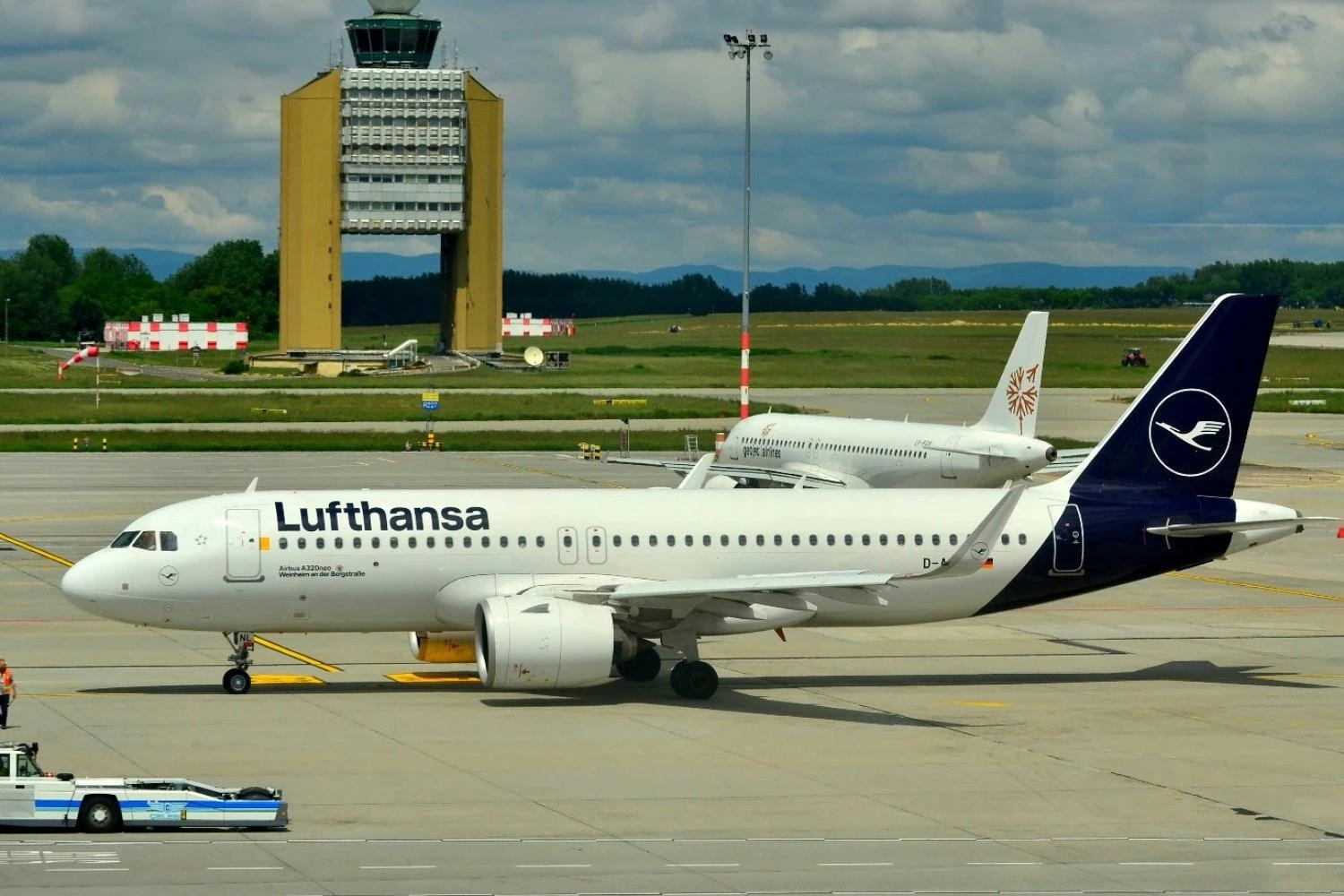
Airbus Projects Demand for 42,060 Aircraft by 2045
Airbus has outlined a transformative vision for global air travel over the next two decades, forecasting a demand for 42,060 new passenger aircraft by 2045. The company’s 2026 Global Market Forecast anticipates a shift away from traditional hub-to-hub airline networks towards more direct routes and connections between secondary cities. This evolution is driven by the need for efficient aircraft capable of serving thinner routes that were previously unviable, reflecting broader changes in urbanization and passenger preferences.
Changing Urban Dynamics and Network Decentralization
The forecast highlights a significant increase in the number of medium and small cities, expected to grow from 2,251 in 2025 to 2,857 by 2045, while the number of megacities will see only a modest rise from 33 to 37. This demographic shift is contributing to a more decentralized airline network. The number of city pairs served by airlines has already expanded substantially, from 17,000 in 2005 to 28,000 in 2025. Notably, 55% of these city pairs involve routes that did not exist two decades ago, with 78% of the new routes connecting smaller cities. This trend underscores the growing importance of regional connectivity in the global aviation landscape.
Technological Advances and Market Opportunities
Advancements in aircraft technology are facilitating this network evolution. Airbus points to models such as the A220 and A321XLR, which offer enhanced fuel efficiency, extended range, and adaptable cabin configurations. The A220 has already enabled the launch of over 400 new routes across North America, Europe, and Africa, with more than 2,200 additional unserved routes identified as potential opportunities. Similarly, the A321XLR is expected to open over 2,200 new routes, further supporting the expansion of direct and regional air travel.
Despite ongoing geopolitical and economic challenges—including the conflict in Iran and global trade tensions—Airbus remains optimistic about the sector’s long-term growth prospects. The company projects passenger traffic to increase at an annual rate of 3.9% between 2025 and 2045, more than doubling from 9.9 trillion to 21.3 trillion revenue passenger kilometers. To meet this demand, the global passenger fleet is expected to nearly double in size, growing from 23,310 aircraft in 2025 to 45,550 by 2045.
Fleet Renewal and Production Challenges
Of the 42,060 new aircraft anticipated, 22,240 will be required to support growth, while 19,820 will replace older, less efficient jets. Airbus emphasizes that this fleet renewal is essential for improving both operational economics and environmental performance. Single-aisle aircraft are projected to dominate future deliveries, with demand for 33,920 units in this category.
However, Airbus CEO Guillaume Faury has acknowledged the challenges involved in scaling up production to meet this ambitious forecast. Reflecting these complexities, Airbus has revised its industry-wide demand forecast downward by 1%, citing external pressures such as geopolitical instability and trade disputes. Market reactions have been mixed, and while competitor responses remain uncertain, the focus on both fleet replacement and the development of new routes indicates a robust demand environment for major aerospace manufacturers in the coming decades.

Etihad and Swissport Extend Global Partnership
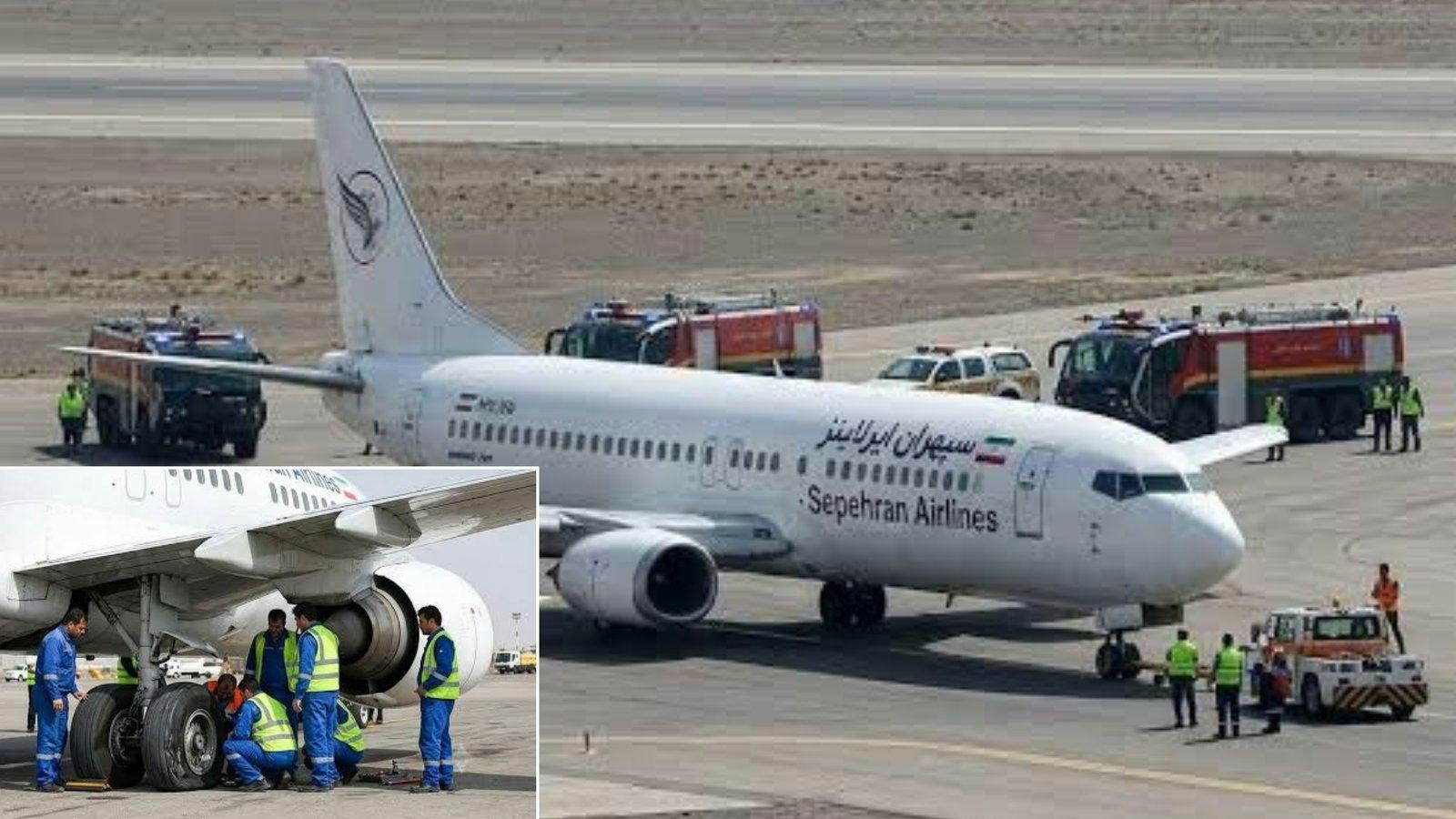
Sepehran Airlines B737 Returns to Mashhad After Tyre and Engine Issues

Etihad Deploys Widebody Fleet to Meet Strong Demand

Korean Air Finalizes $36.2 Billion Deal with Boeing
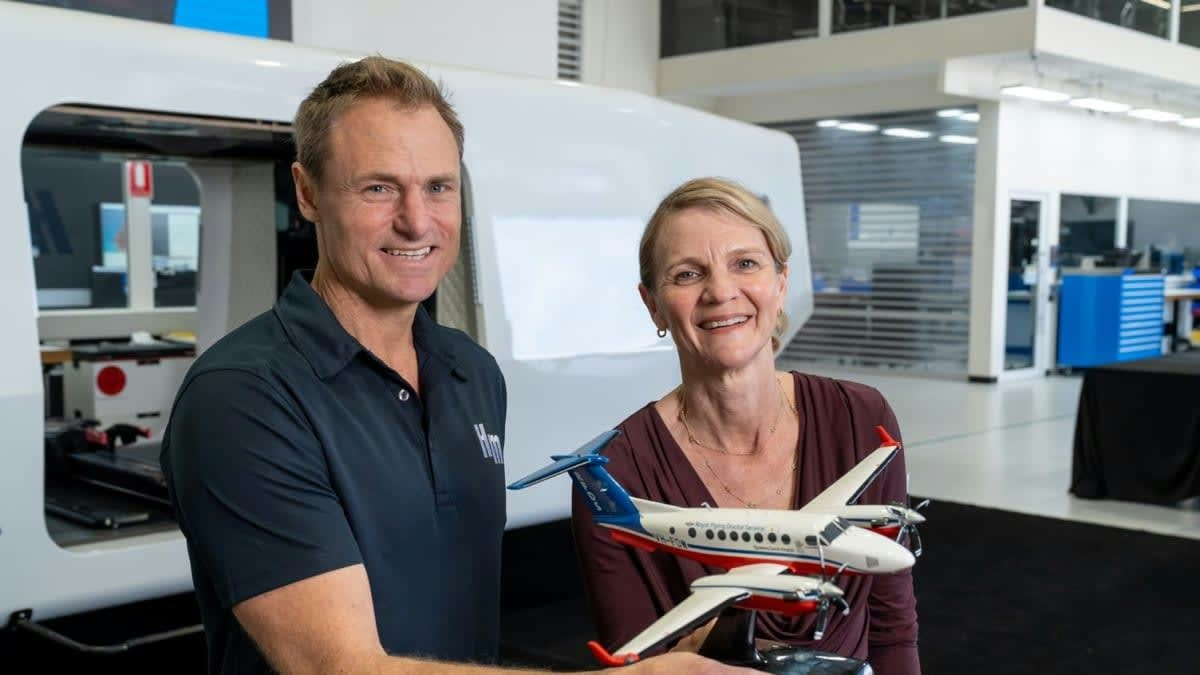
Australia’s RFDS Queensland Section Orders Six King Air 260Cs
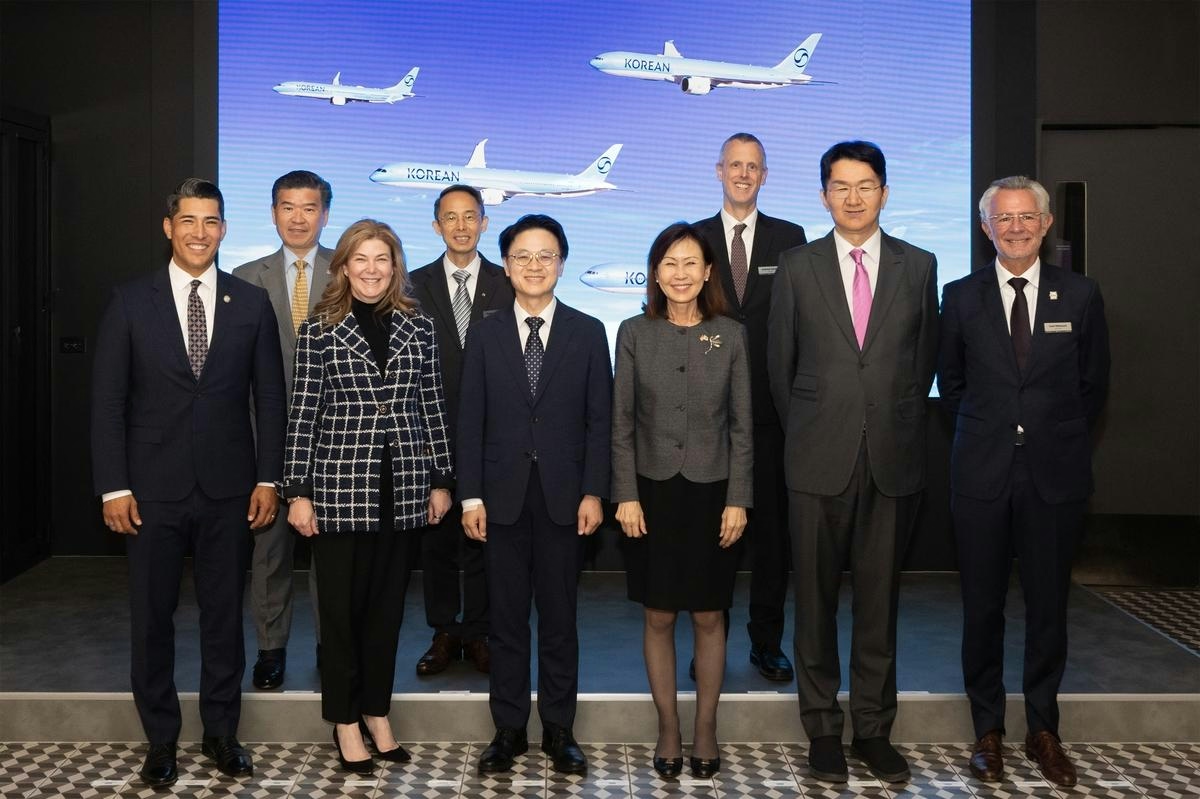
Korean Air Finalizes Order for 103 Boeing Jets and Engines
Embraer E195-E2 Features Distinctive Engine Placement Among Regional Jets
What Passengers Can Expect on Boeing’s New 777X Jet
How Ethiopian Airlines Became Africa’s Leading Carrier Amid Gulf Competition
Joby Aviation Extends Autonomous Flight Capabilities with Cross-Country Tour
