
Orquestre insights de IA em ações

Tendências
Categories
Airbus Stock May Respond to Aircraft Order Trends
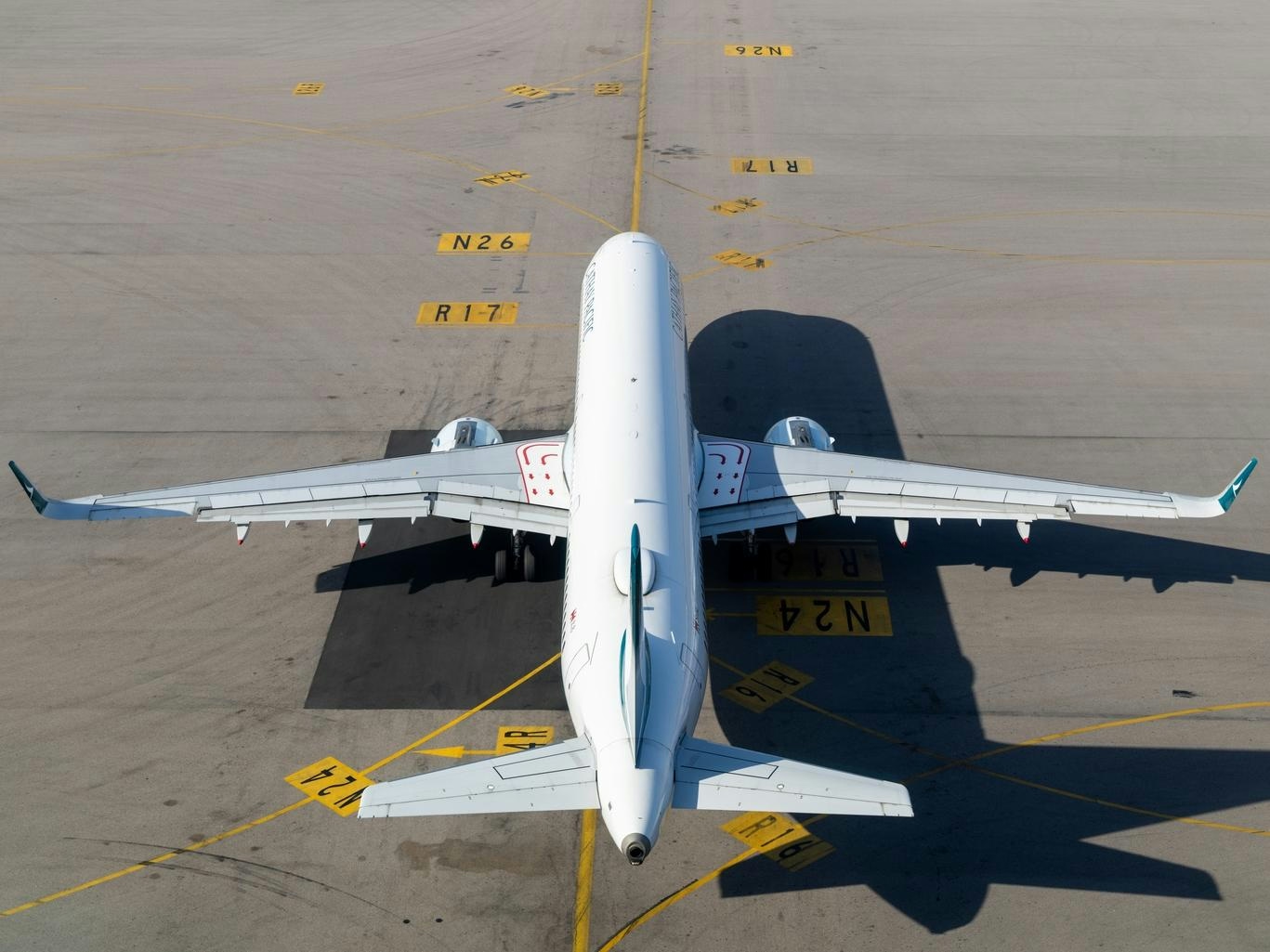
Airbus Stock May Respond to Aircraft Order Trends
Commercial and Defense Wins Highlight Demand
Airbus has recently secured a series of significant commercial and defense contracts, signaling robust demand across its product lines. Notably, Vietravel Airlines has signed a letter of intent for 50 jets, while Air Cairo has placed a firm order for 15 A320neo aircraft. In the defense sector, Airbus unveiled its first A330 MRTT+ tanker for the Royal Thai Air Force, underscoring the company’s expanding footprint in multi-role military platforms. These developments reflect broad-based interest in fleet expansion and advanced tanker capabilities, even as Airbus operates within a complex competitive and geopolitical environment.
Competitive Pressures and Market Challenges
Despite these successes, Airbus faces intensifying competition, particularly from Boeing, which secured prominent deals at the recent Farnborough International Airshow. Embraer’s active accumulation of E-Jet orders further contributes to a crowded market landscape. The demand for new aircraft is largely driven by the launch of new routes and the need to replace aging fleets. However, Airbus must also navigate shifting market reactions to its shareholder return policies and evolving aircraft strategies.
Geopolitical tensions, especially ongoing conflicts in the Middle East, add further complexity by driving up fuel costs and causing route disruptions. These factors could influence airline order patterns and overall market dynamics. Nevertheless, Airbus continues to secure substantial orders, including eight additional A350F freighters, which demonstrate persistent demand alongside the necessity to adapt to changing customer preferences and external pressures.
Investment Considerations and Risks
From an investment perspective, Airbus offers a narrative grounded in a substantial commercial backlog, steady demand for more efficient jets, and growth in its defense and space segments. The near-term outlook, however, depends heavily on the company’s ability to execute its production ramp-up effectively. While the Vietravel and Air Cairo commitments support long-term demand, they do little to mitigate immediate operational challenges.
Key risks include supply chain reliability, particularly concerning engines and critical structural components, as well as the timing of potential supplier acquisitions. These challenges may result in elevated inventories and uneven delivery schedules. Although recent commercial wins and the A330 MRTT+ rollout provide greater visibility into future work, they do not significantly alleviate short-term execution pressures.
The delivery of the A330 MRTT+ tanker to the Royal Thai Air Force is especially significant for Airbus Defence and Space, a segment regarded by many investors as a diversification pillar. This new tanker platform highlights Airbus’ commitment to fuel efficiency and enhanced capacity, attributes increasingly valued by military customers. For shareholders, the importance lies less in individual contracts and more in the potential for a sustained defense backlog, particularly if European and Asian defense budgets continue to prioritize aerial refueling and transport capabilities.
Outlook and Analyst Projections
Airbus’ future performance will depend on its ability to manage the MRTT+ program, mitigate supplier risks, and convert initial defense orders into repeat business without overextending its commercial production lines. Analysts currently forecast revenues of €107.3 billion and earnings of €9.3 billion by 2029, based on an assumed annual revenue growth rate of 11.7%. More optimistic projections, formulated prior to the latest order announcements, anticipate revenues reaching €120.9 billion and earnings of €10.2 billion by 2029, driven by a more rapid commercial ramp-up.
While recent order trends and new platform introductions reinforce Airbus’ long-term growth narrative, the company must continue to address supply chain challenges, competitive pressures, and geopolitical uncertainties to fully realize its potential.

Etihad and Swissport Extend Global Partnership
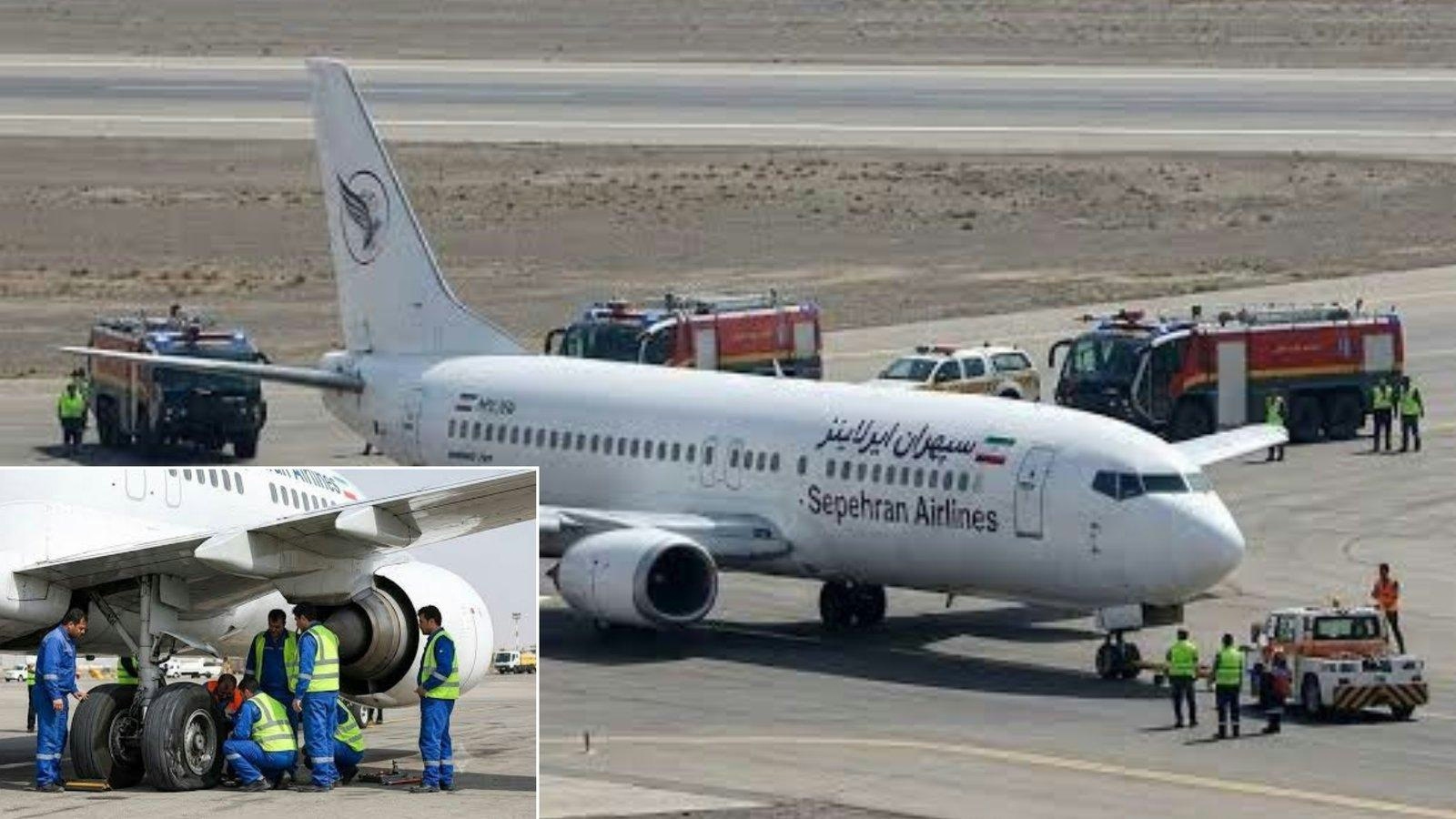
Sepehran Airlines B737 Returns to Mashhad After Tyre and Engine Issues

Etihad Deploys Widebody Fleet to Meet Strong Demand
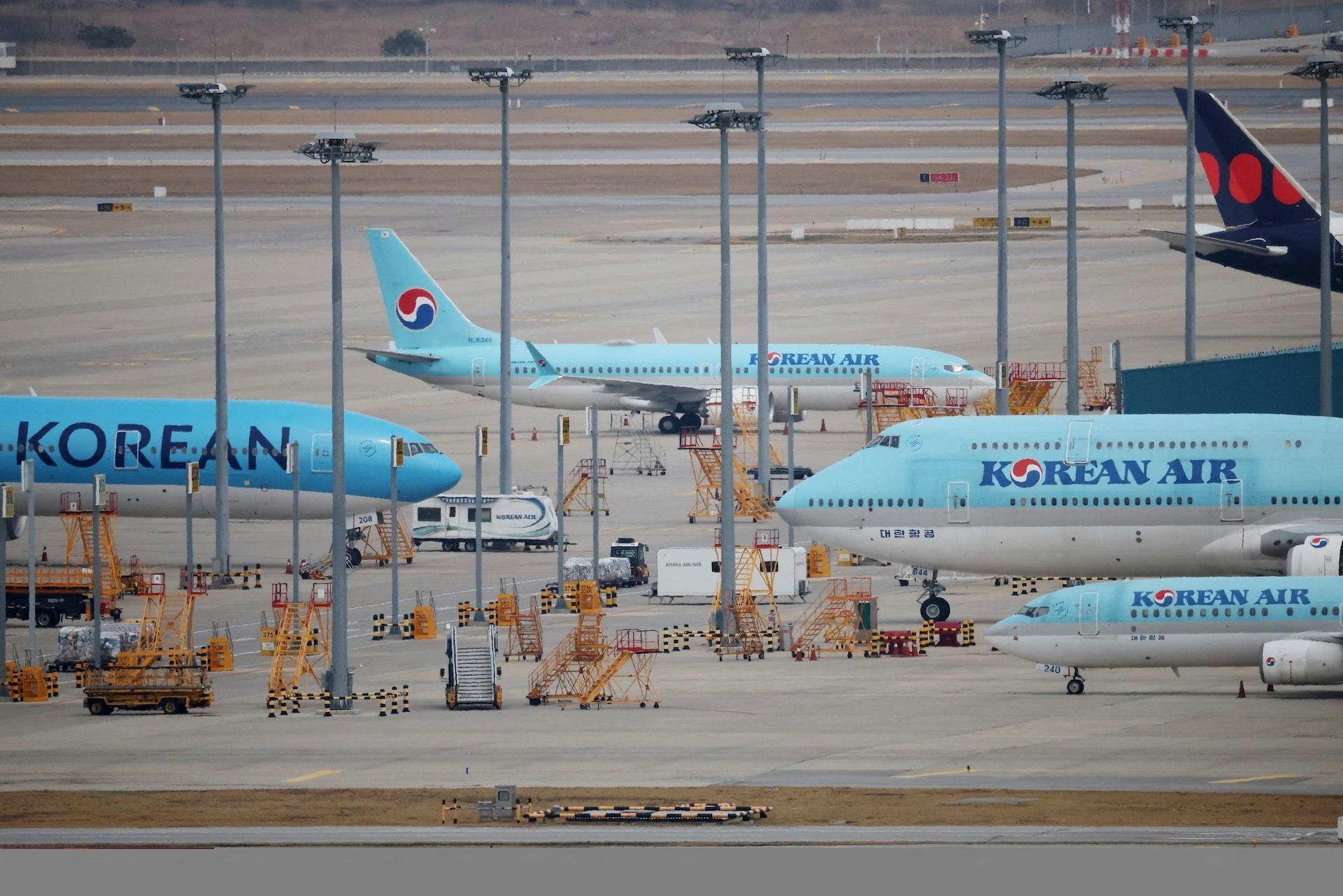
Korean Air Finalizes $36.2 Billion Deal with Boeing

Australia’s RFDS Queensland Section Orders Six King Air 260Cs
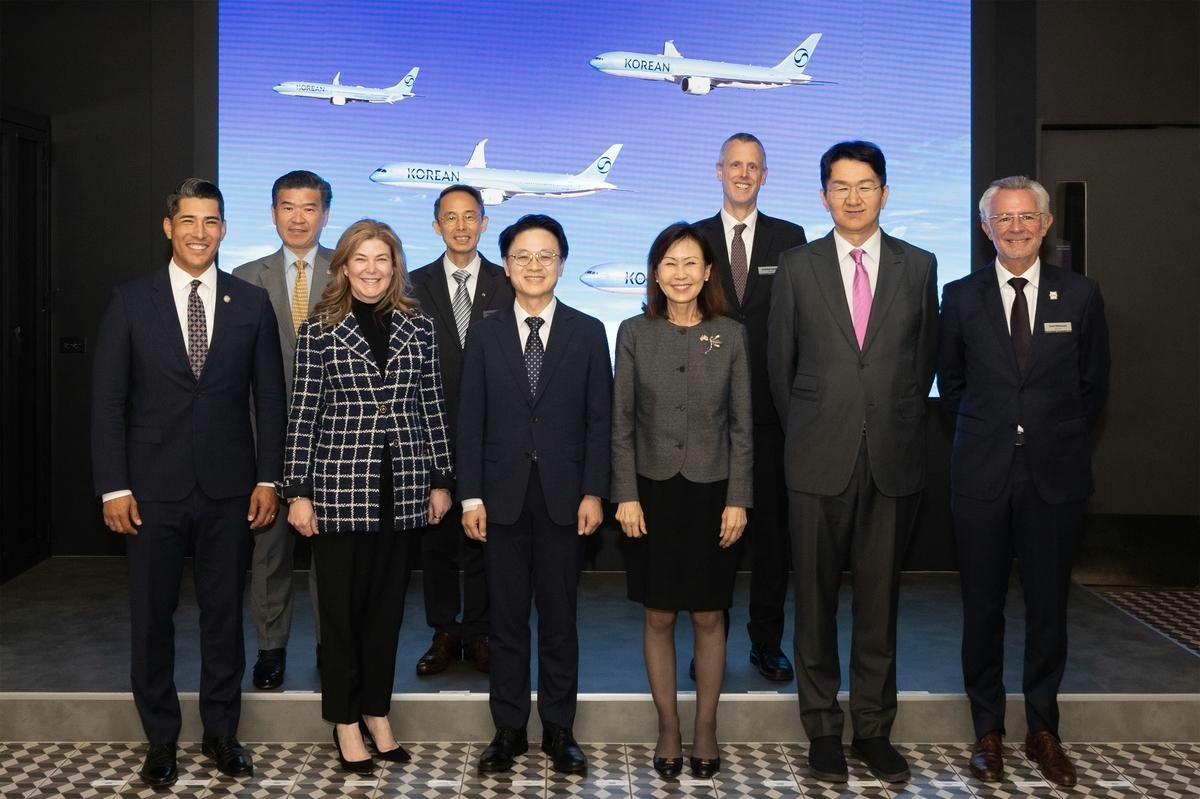
Korean Air Finalizes Order for 103 Boeing Jets and Engines
Embraer E195-E2 Features Distinctive Engine Placement Among Regional Jets
What Passengers Can Expect on Boeing’s New 777X Jet
How Ethiopian Airlines Became Africa’s Leading Carrier Amid Gulf Competition
Joby Aviation Extends Autonomous Flight Capabilities with Cross-Country Tour
