
Orquestre insights de IA em ações

Tendências
Categories
Alaska Airlines 737 Diverts To Eugene After Engine Oil Warning Prompts Mid-Air Shutdown
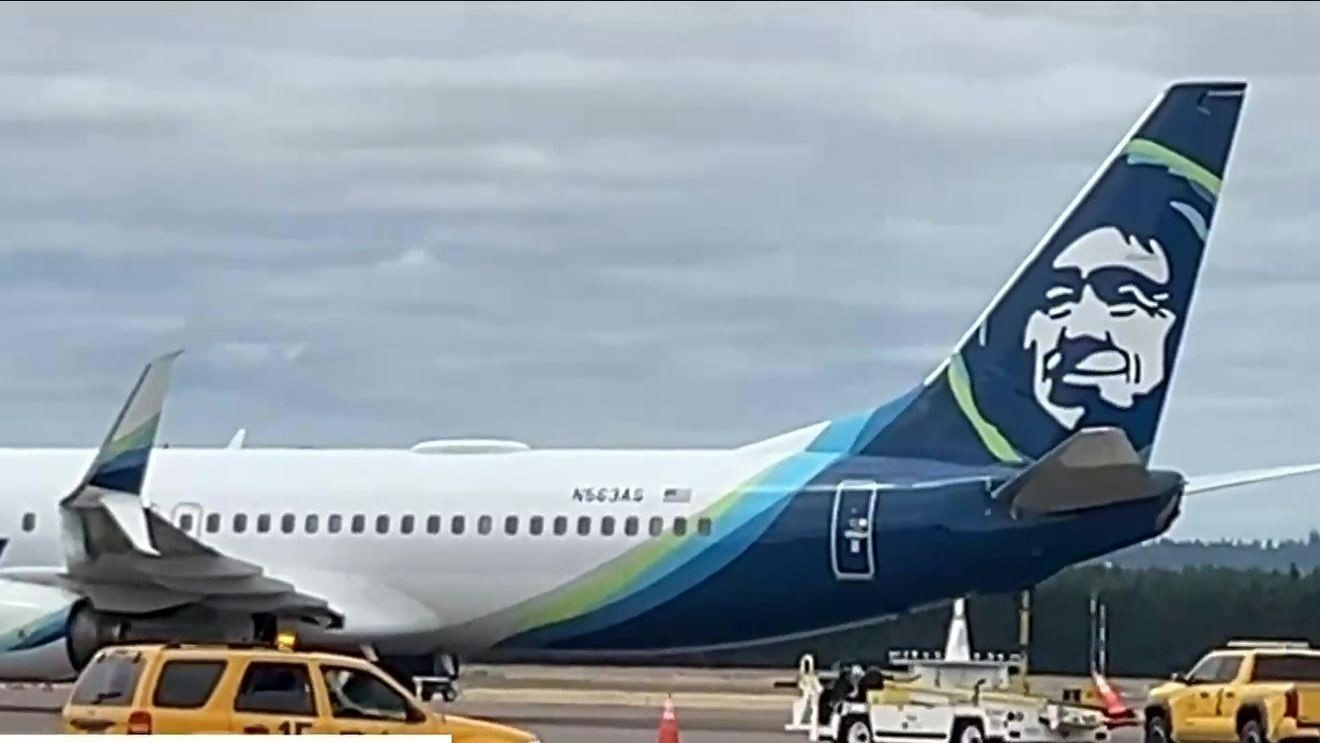
Alaska Airlines 737 Diverts to Eugene Following Engine Oil Warning
On July 23, 2026, an Alaska Airlines Boeing 737-800 operating Flight AS471 from Santa Ana, California, to Seattle, Washington, was forced to divert to Eugene, Oregon, after the flight crew received a low oil quantity and pressure warning on the aircraft’s left-hand CFM56 engine. The aircraft, registered N563AS, was cruising at 36,000 feet approximately 90 nautical miles south-southeast of Eugene when the alert was triggered.
In accordance with established safety protocols, the crew promptly shut down the affected engine and redirected the flight to Eugene Airport (EUG). The aircraft was carrying 161 passengers and six crew members at the time. The plane landed safely on Runway 34L about 25 minutes after the diversion commenced, with no injuries reported among those on board.
Following the incident, the aircraft was taken out of service for a thorough inspection and maintenance to determine the cause of the low oil indication. Passengers were subsequently transferred to a replacement Boeing 737-800, registered N597AS, which continued the journey to Seattle, arriving approximately four hours behind schedule.
Safety Procedures and Industry Implications
This event underscores the robustness of safety measures in commercial aviation. The Boeing 737-800 is engineered to operate safely on a single engine, enabling crews to divert to the nearest suitable airport when necessary. Alaska Airlines’ response highlights the critical role of these protocols in safeguarding passengers.
Nevertheless, the incident may present challenges for Alaska Airlines, including increased scrutiny from regulatory bodies and potential effects on passenger confidence. The timing coincides with heightened attention on Boeing, following the recent decertification of a class action lawsuit related to a MAX 9 issue. Such developments could intensify examination of Boeing’s manufacturing and certification processes, while competitors might leverage the situation to promote their own safety records.
Boeing is likely to face renewed pressure to address any systemic production concerns as airlines and regulators seek reassurances regarding aircraft reliability. For Alaska Airlines, maintaining transparent communication and swiftly resolving maintenance findings will be essential to preserving trust among travelers and industry stakeholders.
No injuries were reported in connection with the incident, and the affected aircraft remains grounded pending further investigation.

Etihad and Swissport Extend Global Partnership

Sepehran Airlines B737 Returns to Mashhad After Tyre and Engine Issues

Etihad Deploys Widebody Fleet to Meet Strong Demand

Korean Air Finalizes $36.2 Billion Deal with Boeing

Australia’s RFDS Queensland Section Orders Six King Air 260Cs

Korean Air Finalizes Order for 103 Boeing Jets and Engines

Embraer E195-E2 Features Distinctive Engine Placement Among Regional Jets

What Passengers Can Expect on Boeing’s New 777X Jet

How Ethiopian Airlines Became Africa’s Leading Carrier Amid Gulf Competition

Joby Aviation Extends Autonomous Flight Capabilities with Cross-Country Tour
