
Orquestre insights de IA em ações

Tendências
Categories
Asia-Pacific Aviation Faces Uneven Growth with Slowing Passenger Travel and Strong Air Cargo
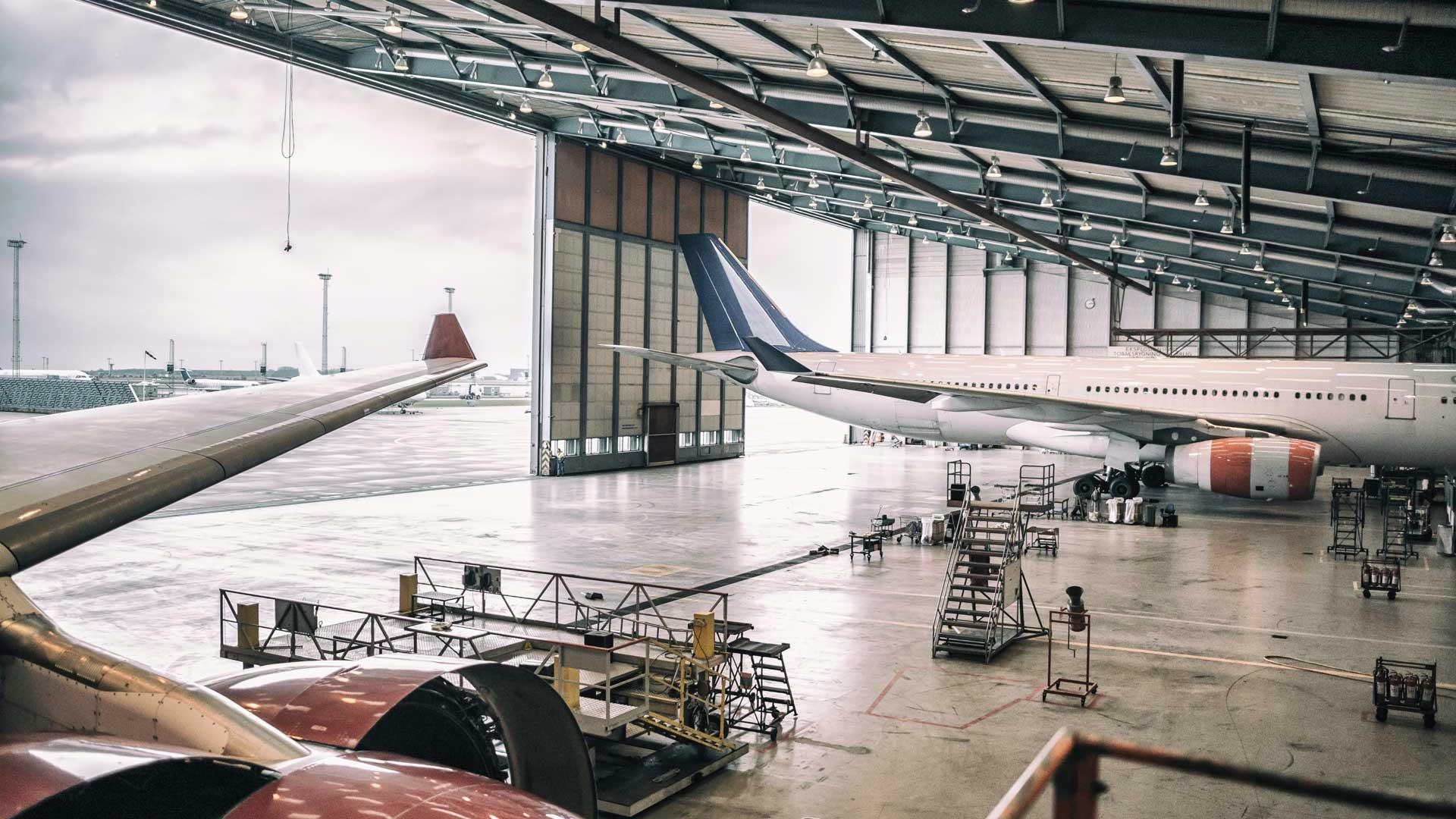
Asia-Pacific Aviation Faces Uneven Growth with Slowing Passenger Travel and Strong Air Cargo
The Asia-Pacific aviation sector is entering a phase of uneven growth, as recent data from the Association of Asia Pacific Airlines (AAPA) reveals a divergence between slowing international passenger travel and robust air cargo performance. Preliminary figures for May 2026 indicate that while passenger demand is stabilizing after a period of strong post-pandemic recovery, freight operations continue to expand amid ongoing global economic uncertainty and supply chain challenges.
Passenger Travel Shows Signs of Moderation Amid Changing Demand Patterns
In May 2026, Asia-Pacific carriers transported 31.7 million international passengers, representing a 1.1% decline compared to the same month last year. This marks a slight cooling in passenger volumes following a largely flat performance in April, despite a 3.3% increase in traffic driven by strong long-haul demand. The data suggests a maturing recovery in passenger travel, with a notable shift in travel patterns.
Revenue passenger kilometres (RPK), a key indicator of travel demand, rose by 1.8% year-on-year in May, reflecting a growing preference for longer international journeys. This trend is particularly evident on intercontinental routes linking Asia-Pacific hubs with Europe, North America, and the Middle East. Conversely, short-haul and medium-haul markets experienced weaker demand, contributing to the overall decline in passenger numbers and highlighting a strategic reorientation towards higher-yield, long-distance travel.
Capacity Management and Operational Efficiency Amid Market Adjustments
In response to evolving demand, airlines in the region have adjusted their international networks by selectively reducing frequencies on certain routes while maintaining core long-haul services. Despite these changes, total seat capacity remained broadly stable year-on-year, with a 1.4% increase reported in April, even as fuel prices rose. This careful balancing of supply and demand has helped stabilize market performance.
The average international passenger load factor improved by 1.2 percentage points to 82.0% in May, indicating stronger seat utilization and enhanced operational efficiency despite the softening demand. Cathay Pacific’s CEO highlighted confidence in the airline’s strong first-quarter results, acknowledging ongoing cost pressures from elevated jet fuel prices but emphasizing operational resilience.
Air Cargo Continues to Outperform Amid Supply Chain Uncertainty
Contrasting with the moderated passenger segment, the Asia-Pacific air cargo sector remains robust. International air cargo traffic grew by 4.1% year-on-year, supported by precautionary stockpiling in response to supply chain uncertainties and sustained demand for technology-related goods. The recent conflict in the Middle East has further intensified this trend, prompting businesses across various industries to adopt stockpiling strategies to mitigate potential disruptions.
Although some geopolitical tensions have eased and fuel prices have begun to decline, AAPA warns that rising inflationary pressures continue to pose significant challenges for airlines in the region. Nonetheless, the sustained strength of air cargo operations provides a vital buffer for carriers navigating an increasingly complex and uncertain global environment.
Outlook
The latest AAPA data highlights the Asia-Pacific aviation sector’s transition into a period of uneven growth. As airlines adapt to shifting travel patterns, capacity realignments, and persistent economic headwinds, the resilience of air cargo and the gradual shift towards long-haul travel are expected to remain key stabilizing factors in the coming months.

Etihad and Swissport Extend Global Partnership
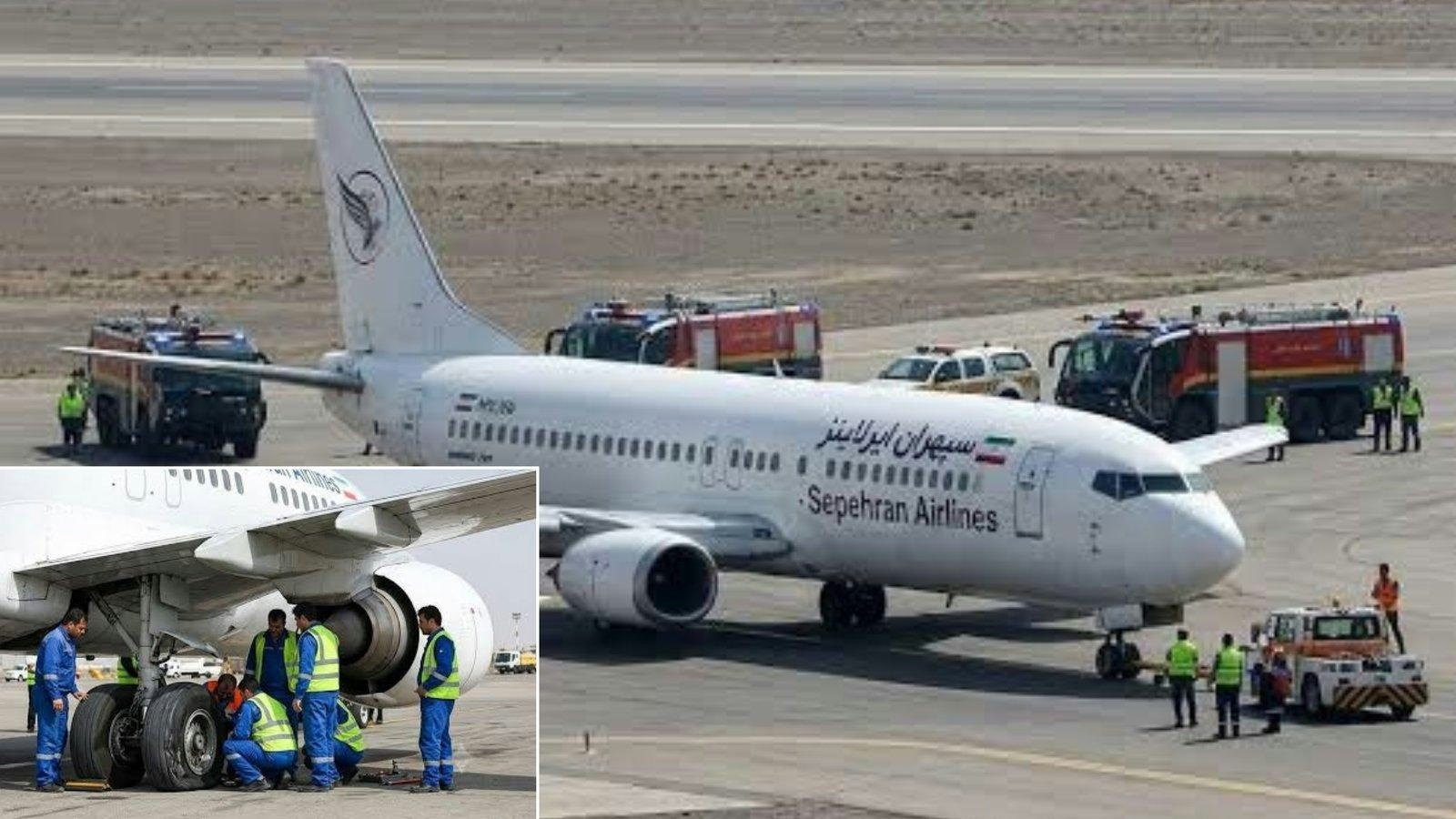
Sepehran Airlines B737 Returns to Mashhad After Tyre and Engine Issues

Etihad Deploys Widebody Fleet to Meet Strong Demand
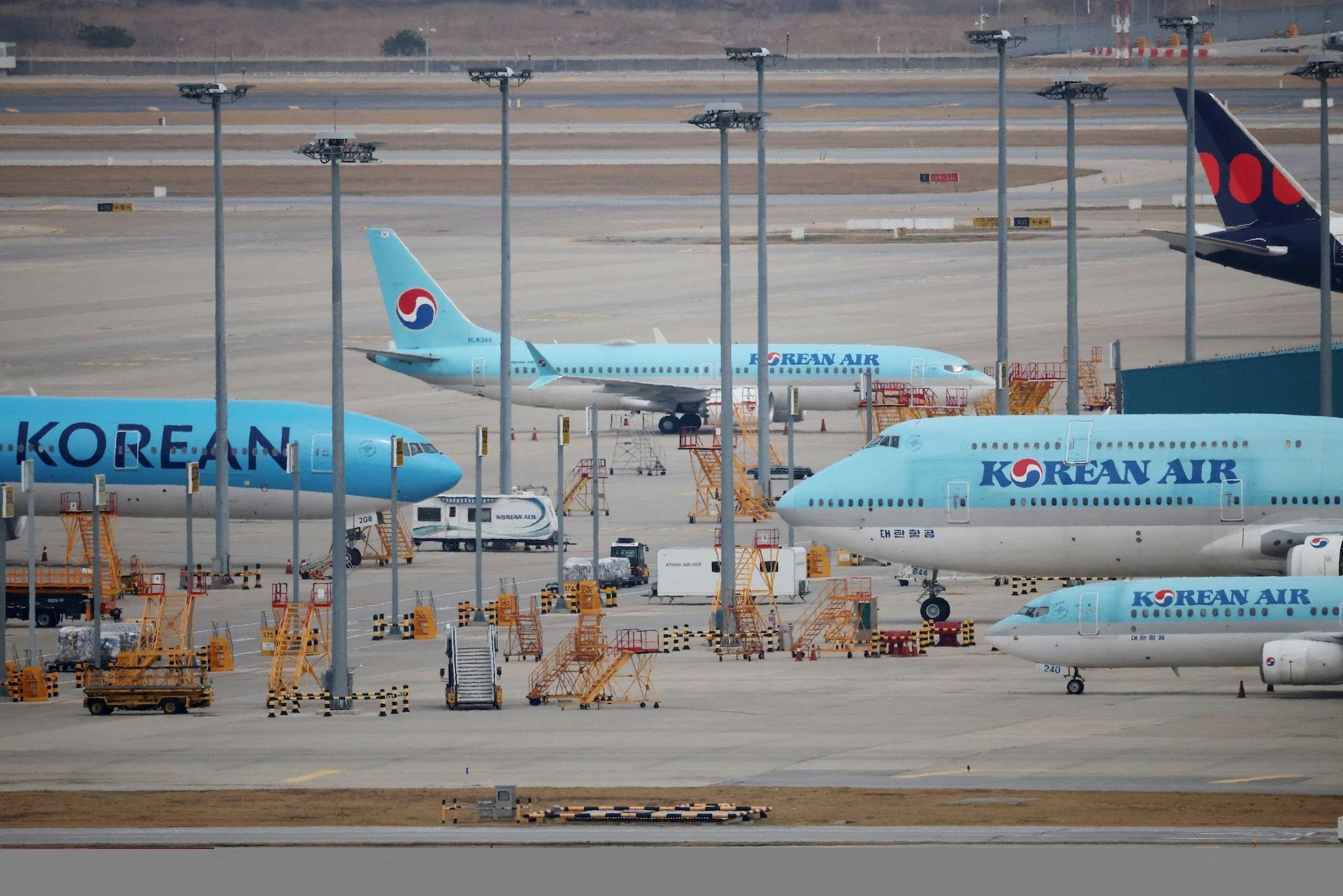
Korean Air Finalizes $36.2 Billion Deal with Boeing

Australia’s RFDS Queensland Section Orders Six King Air 260Cs

Korean Air Finalizes Order for 103 Boeing Jets and Engines
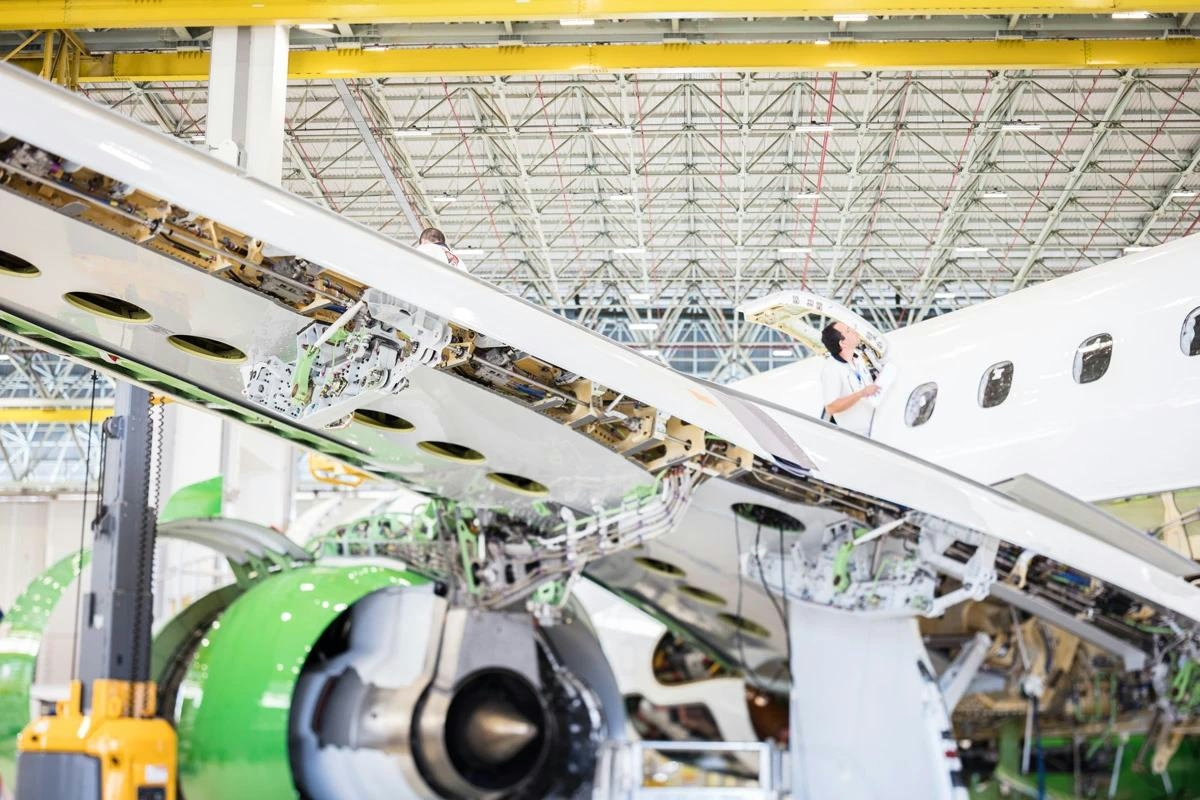
Embraer E195-E2 Features Distinctive Engine Placement Among Regional Jets

What Passengers Can Expect on Boeing’s New 777X Jet

How Ethiopian Airlines Became Africa’s Leading Carrier Amid Gulf Competition

Joby Aviation Extends Autonomous Flight Capabilities with Cross-Country Tour
