
Orquestre insights de IA em ações

Tendências
Categories
AUVSI Responds to Senate Progress on Aviation Innovation and Vehicle Security Legislation
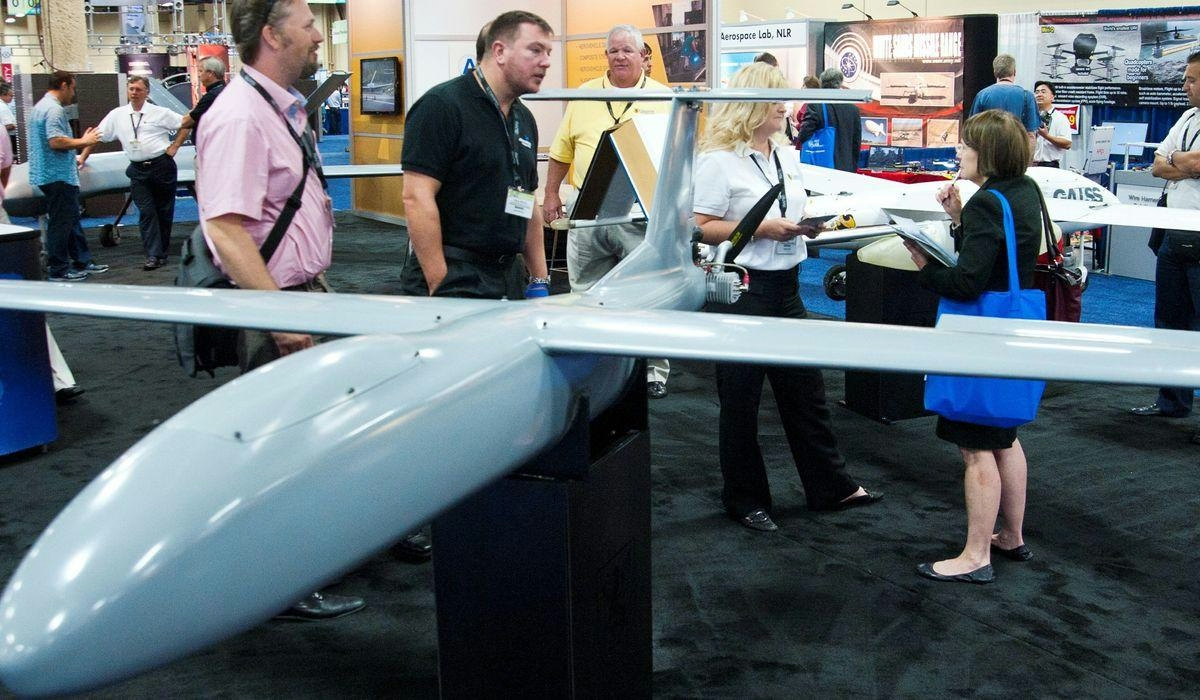
AUVSI Applauds Senate Committee Advancement of Key Aviation and Vehicle Security Legislation
The Association for Uncrewed Vehicle Systems International (AUVSI) has expressed strong support for the Senate Commerce, Science, and Transportation Committee’s recent progress on two significant legislative initiatives: the Aviation Innovation and Global Competitiveness Act and the Connected Vehicle Security Act.
Legislative Measures to Foster Innovation and Security
The Aviation Innovation and Global Competitiveness Act is designed to facilitate the integration of advanced air mobility and electric vertical takeoff and landing (eVTOL) aircraft into U.S. airspace. By establishing standardized timelines for the Federal Aviation Administration’s (FAA) type certification process, the legislation aims to provide manufacturers with greater regulatory clarity and predictability. This framework is anticipated to stimulate investment and innovation, thereby reinforcing the United States’ leadership in cutting-edge aviation technologies.
Concurrently, the Connected Vehicle Security Act addresses escalating national security concerns related to the automotive sector. As vehicles become increasingly connected, autonomous, and reliant on sophisticated software, the bill seeks to protect the U.S. automotive industrial base from vulnerabilities posed by foreign adversaries’ access to connected vehicle technologies. The legislation is intended to safeguard critical technologies and supply chains, thereby supporting American competitiveness in a rapidly evolving market.
Michael Robbins, President and CEO of AUVSI, emphasized the significance of the committee’s action, stating, “The Aviation Innovation and Global Competitiveness Act provides the regulatory certainty innovators need to bring advanced air mobility technologies into the national airspace, while the Connected Vehicle Security Act helps protect America’s automotive industrial base from foreign adversaries as vehicles become increasingly connected and autonomous. Together, these bipartisan measures will strengthen U.S. innovation, competitiveness, and national security.” Robbins also expressed appreciation for the committee’s leadership and affirmed AUVSI’s commitment to working with Congress to advance both bills toward enactment.
Challenges and Industry Implications
Despite this legislative momentum, AUVSI acknowledges the challenges that lie ahead. The organization highlights the complexity of navigating an evolving regulatory environment, which will demand continuous adaptation to emerging compliance and security standards. Integrating advanced technologies into existing systems remains a significant hurdle, particularly in light of recent developments such as partnerships in quantum navigation systems and the FAA’s recommendations for avionics upgrades. These factors underscore the dynamic nature of the transportation technology market and the necessity for agility among industry stakeholders.
The Senate’s progress is expected to influence market dynamics, potentially increasing investor interest in companies capable of swiftly adapting to new regulatory requirements. At the same time, competitors are likely to intensify their innovation and security efforts to maintain a competitive advantage.
AUVSI extended its gratitude to Senators Welch, Budd, Moreno, Slotkin, and their co-sponsors for their leadership in advancing these bipartisan bills. The organization remains dedicated to collaborating with Congress to ensure the successful passage and implementation of both measures, with the goal of enhancing U.S. innovation, security, and global competitiveness in the transportation sector.

Etihad and Swissport Extend Global Partnership

Sepehran Airlines B737 Returns to Mashhad After Tyre and Engine Issues

Etihad Deploys Widebody Fleet to Meet Strong Demand

Korean Air Finalizes $36.2 Billion Deal with Boeing
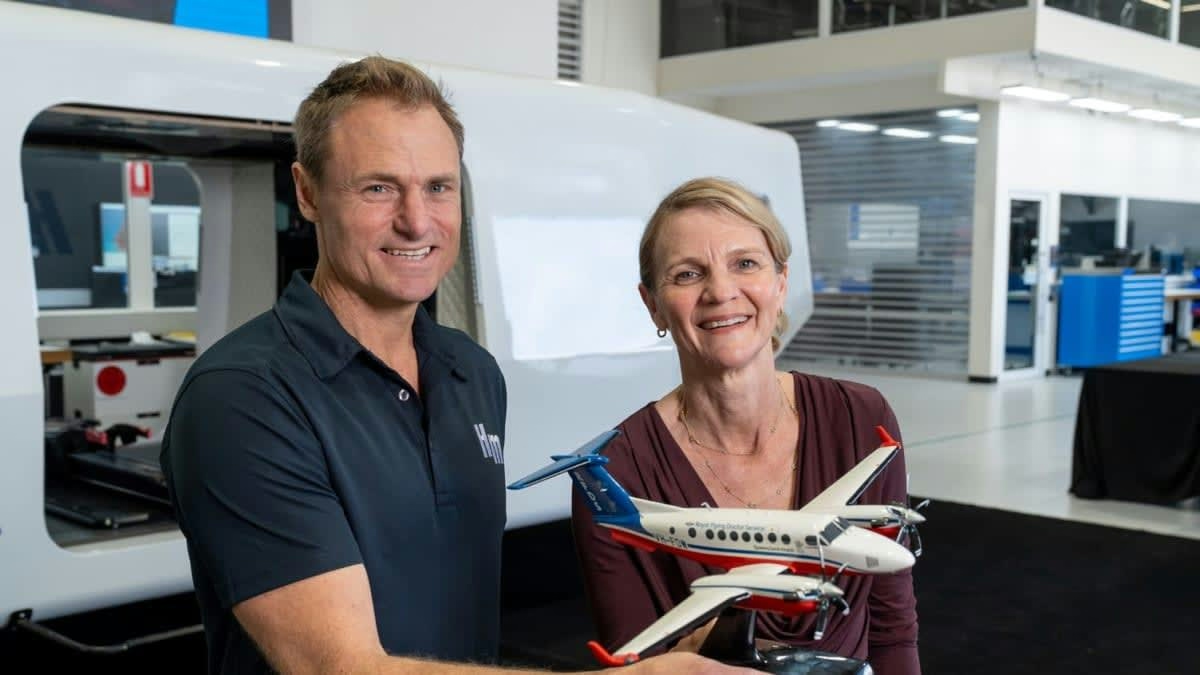
Australia’s RFDS Queensland Section Orders Six King Air 260Cs
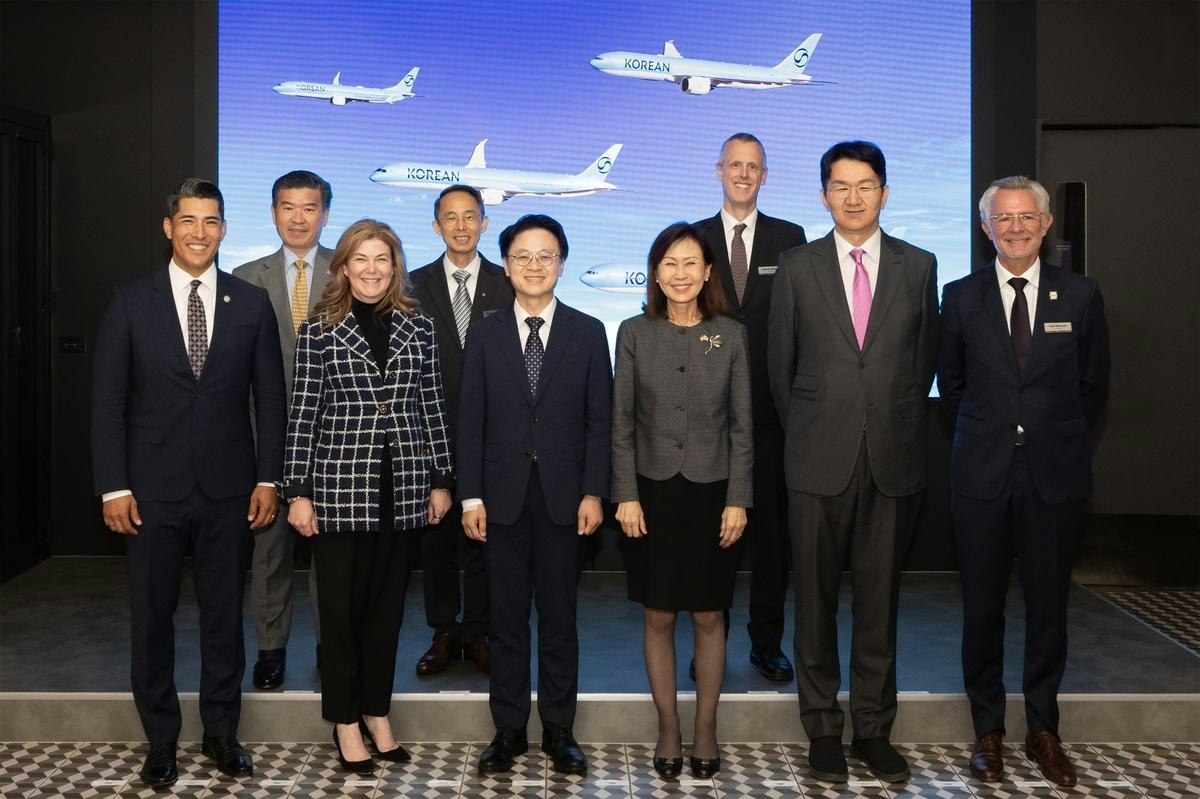
Korean Air Finalizes Order for 103 Boeing Jets and Engines
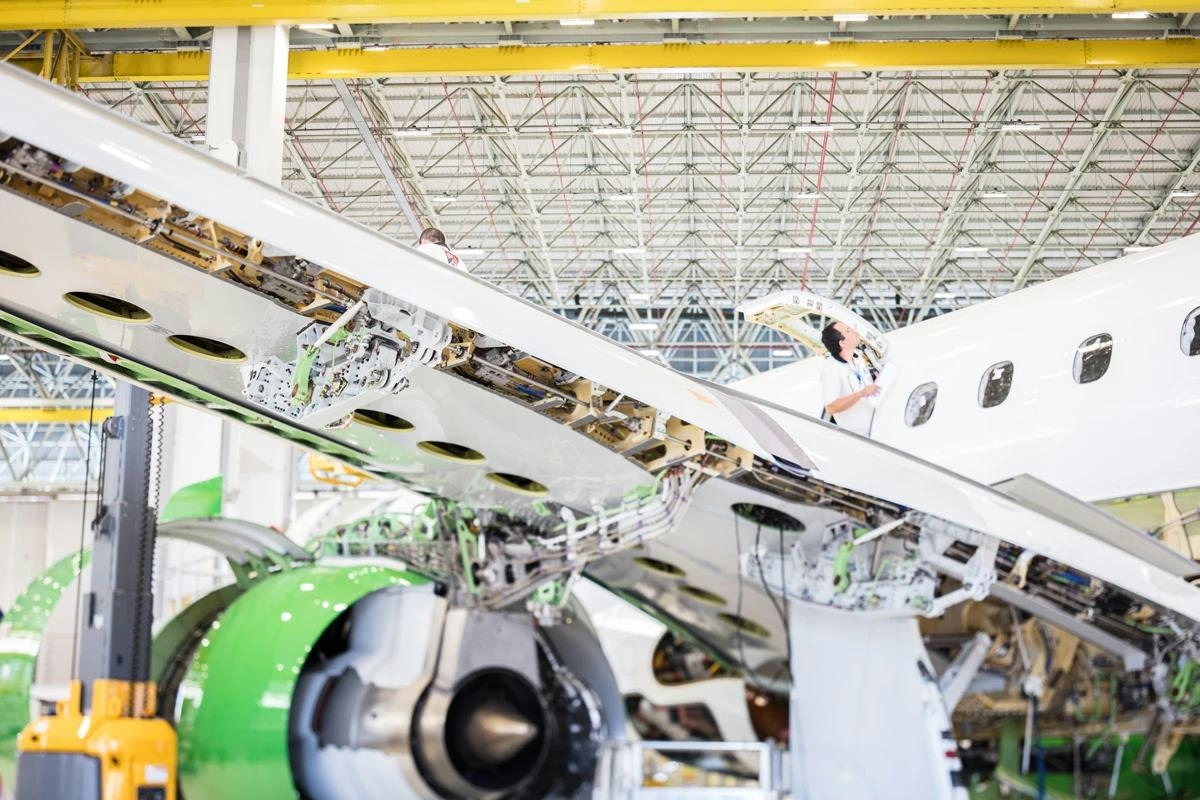
Embraer E195-E2 Features Distinctive Engine Placement Among Regional Jets
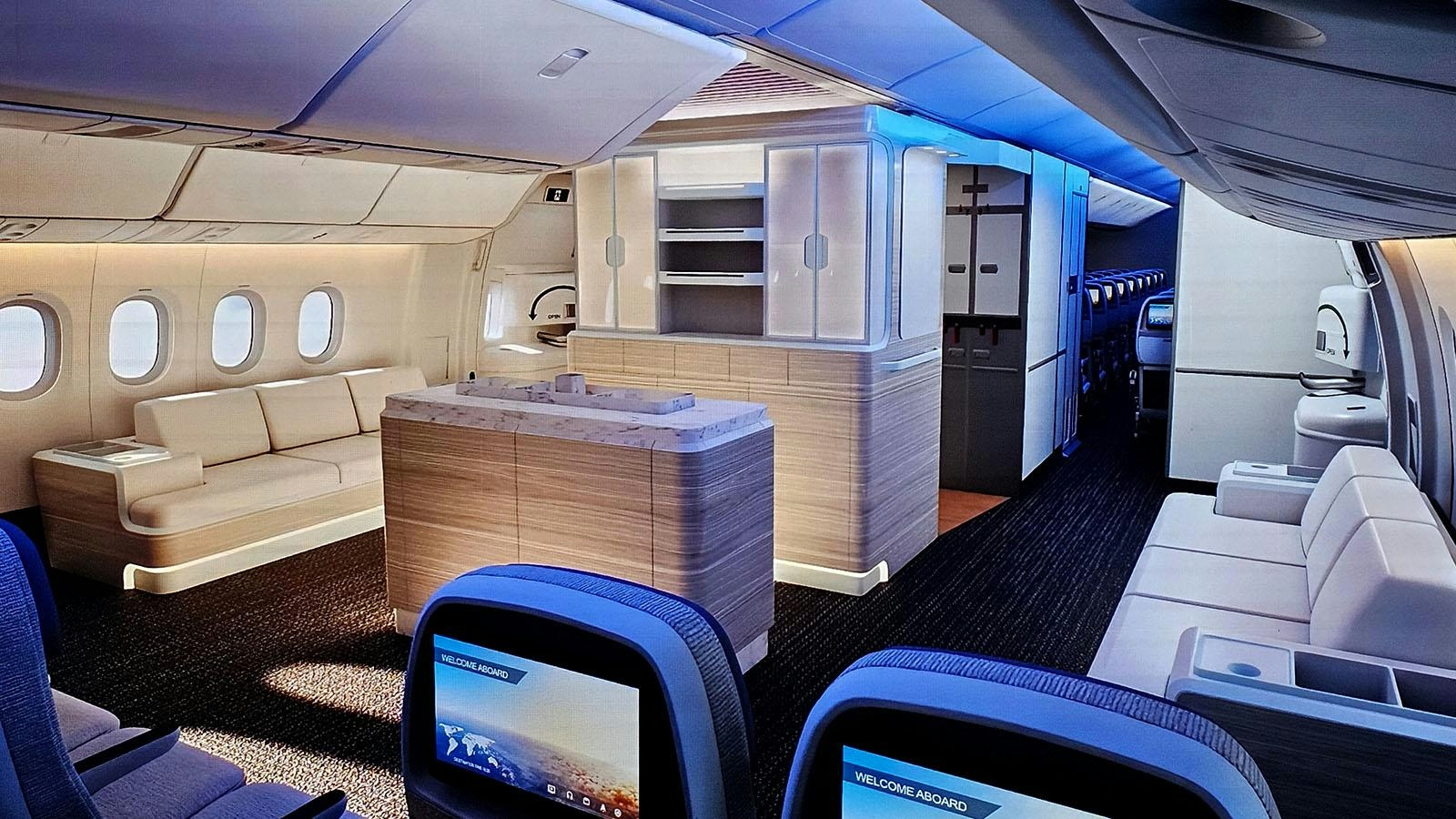
What Passengers Can Expect on Boeing’s New 777X Jet

How Ethiopian Airlines Became Africa’s Leading Carrier Amid Gulf Competition
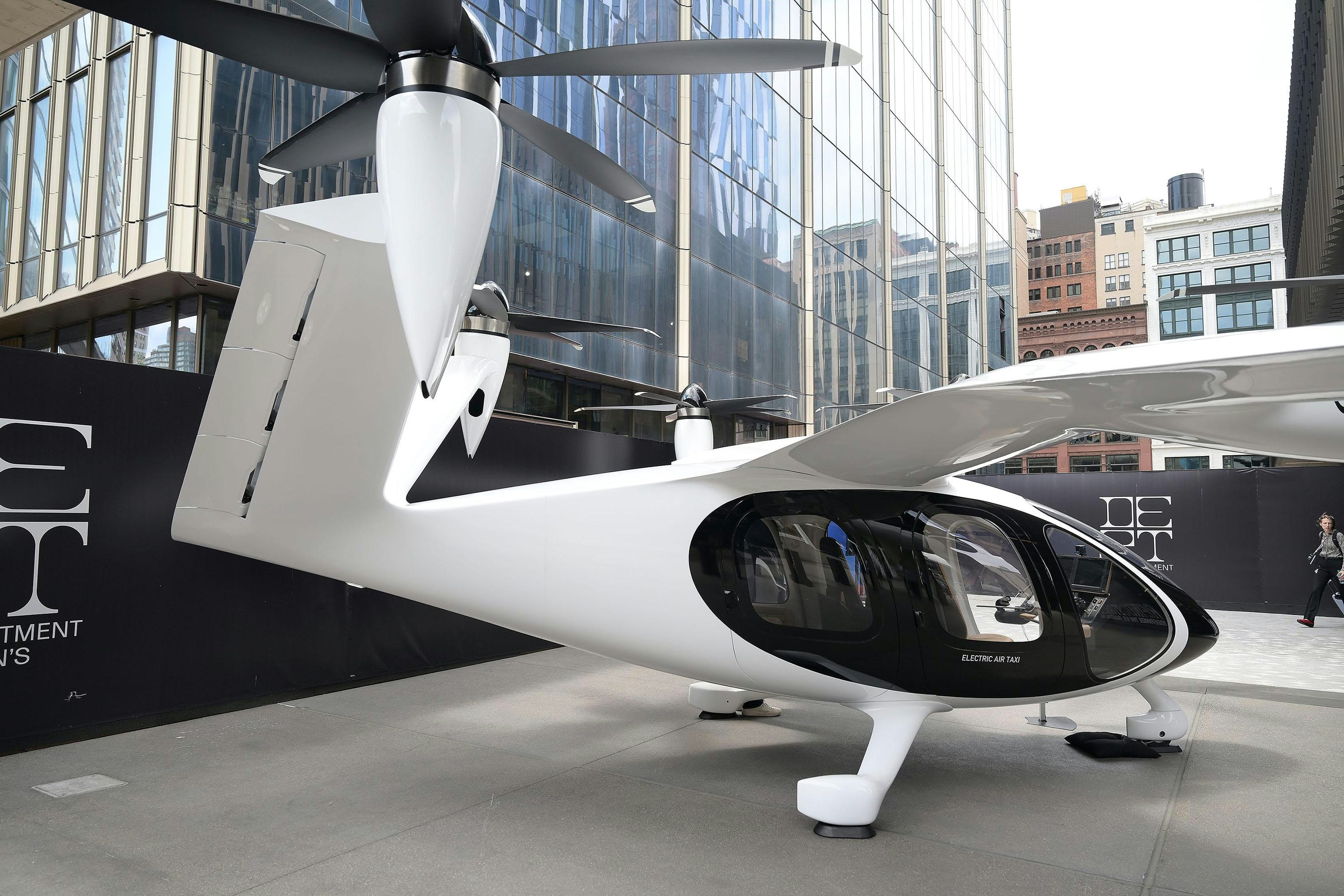
Joby Aviation Extends Autonomous Flight Capabilities with Cross-Country Tour
