
Orquestre insights de IA em ações

Tendências
Categories
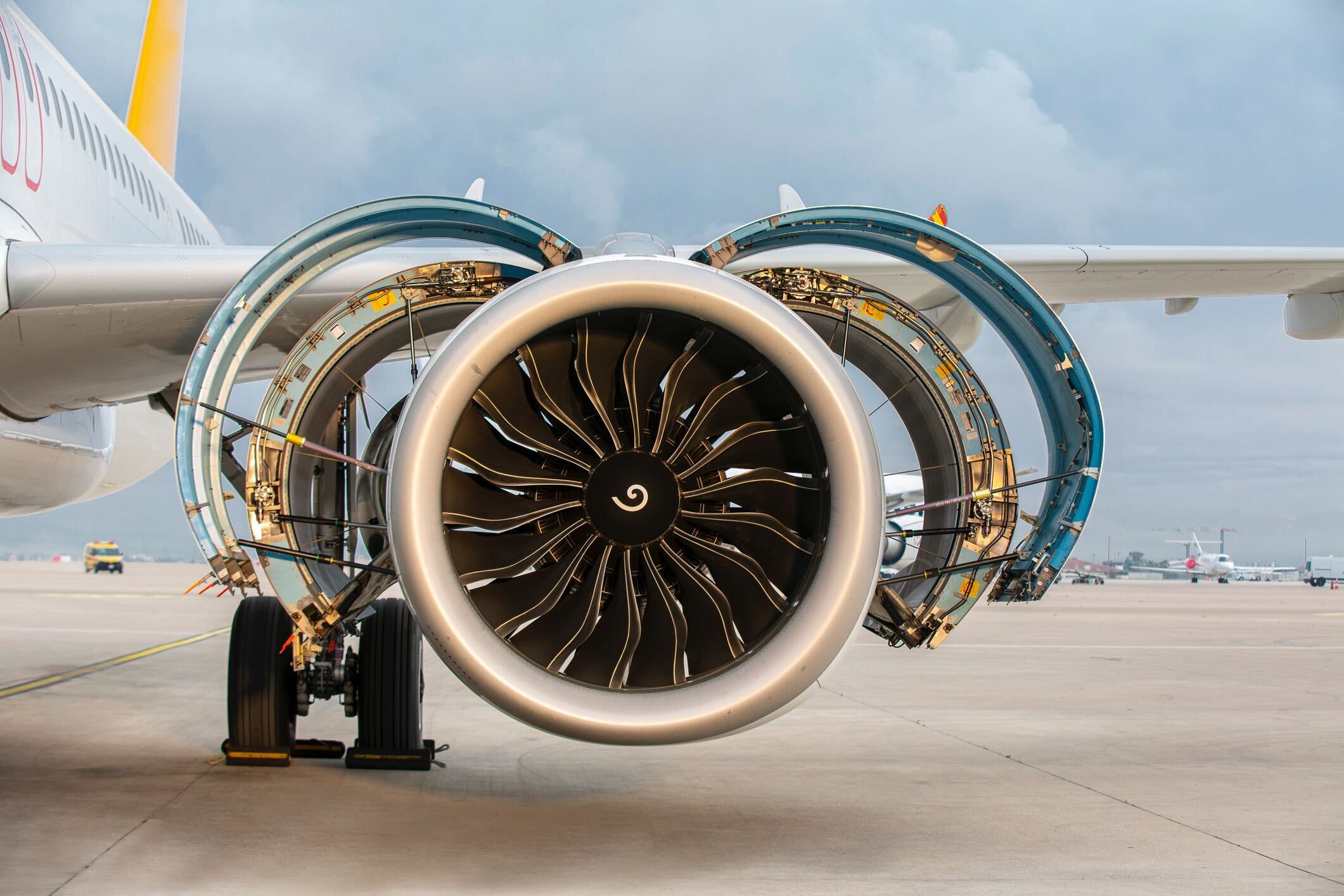
Aviation Industry Digital Transformation: Market Size and Forecast
Aviation Industry Digital Transformation: Market Size and Forecast
The global aviation sector is undergoing a significant digital transformation, with the market expected to expand from USD 2.49 million in 2026 to USD 4.83 million by 2035. This growth, representing a compound annual growth rate (CAGR) of 6.84%, is propelled by the widespread integration of data-driven technologies across airline and airport operations, marking a rapid modernization of the industry.
Technological Adoption and Market Drivers
By 2024, over 4,500 airports worldwide—accounting for more than 70% of commercial hubs—have implemented cloud computing platforms to enhance passenger processing and baggage handling. Airlines are increasingly utilizing big data analytics on a fleet exceeding 12,000 aircraft to monitor engine performance and optimize flight operations. The deployment of Internet of Things (IoT) sensors has surpassed 180,000 units across airport infrastructure, facilitating real-time monitoring of critical systems such as runway lighting, fuel tanks, and ground vehicles.
In the maintenance, repair, and operations (MRO) segment, more than 1,300 facilities have adopted AI-powered predictive maintenance systems, resulting in a 28% reduction in unscheduled repairs. Cybersecurity has emerged as a vital concern, with over 2,000 airline and air traffic management centers implementing advanced security solutions to protect data communications.
The key drivers of this digital transformation include the demand for real-time decision-making enabled by integrated data analytics, with over 45% of current airport deployment projects involving cloud platforms that support a range of applications from passenger processing to operational control. IoT integration has contributed to a 24% reduction in equipment downtime by monitoring diverse airport and aircraft systems. Airlines analyze over three billion flight hours annually using big data dashboards to identify inefficiencies and reduce delays, with North America witnessing a 12% decrease in flight delay cancellations since adopting these technologies. Artificial intelligence and machine learning process more than two million maintenance reports monthly, facilitating early interventions and predictive maintenance. As digital adoption intensifies, robust cybersecurity measures remain essential to safeguard critical aviation data.
Regional Dynamics and Industry Challenges
The United States leads the digital transformation in aviation, with more than 1,800 digitally equipped airports and 5,200 aircraft utilizing analytics tools. Cloud computing platforms constitute nearly half of all digital deployment projects in U.S. airports. Despite these advancements, the industry faces significant challenges, including regulatory hurdles, the complexity of integrating new technologies with legacy systems, and the substantial costs associated with digital upgrades. Market responses vary, with some airlines embracing digital tools to enhance efficiency, while others remain cautious due to financial constraints.
Competitive dynamics are also influencing the landscape. Embraer is increasing production to meet growing demand, whereas China is shifting its focus from aviation to rail for short-haul travel, a strategic move that could affect Boeing’s market share. In the United States, states are collaborating more closely to strengthen the aerospace value chain, reflecting a coordinated response to ongoing economic and technological shifts.
Outlook
With over 10,000 digital transformation projects currently underway worldwide, the aviation industry is positioned for sustained growth and innovation. The ultimate pace and success of this transformation will depend on the sector’s ability to effectively navigate regulatory, financial, and technological challenges in the coming years.

Etihad and Swissport Extend Global Partnership

Sepehran Airlines B737 Returns to Mashhad After Tyre and Engine Issues

Etihad Deploys Widebody Fleet to Meet Strong Demand

Korean Air Finalizes $36.2 Billion Deal with Boeing

Australia’s RFDS Queensland Section Orders Six King Air 260Cs

Korean Air Finalizes Order for 103 Boeing Jets and Engines

Embraer E195-E2 Features Distinctive Engine Placement Among Regional Jets

What Passengers Can Expect on Boeing’s New 777X Jet

How Ethiopian Airlines Became Africa’s Leading Carrier Amid Gulf Competition

Joby Aviation Extends Autonomous Flight Capabilities with Cross-Country Tour
