
Orquestre insights de IA em ações

Tendências
Categories
Aviation Kerosene Deliveries to Russian Airports Placed Under Interdepartmental Control
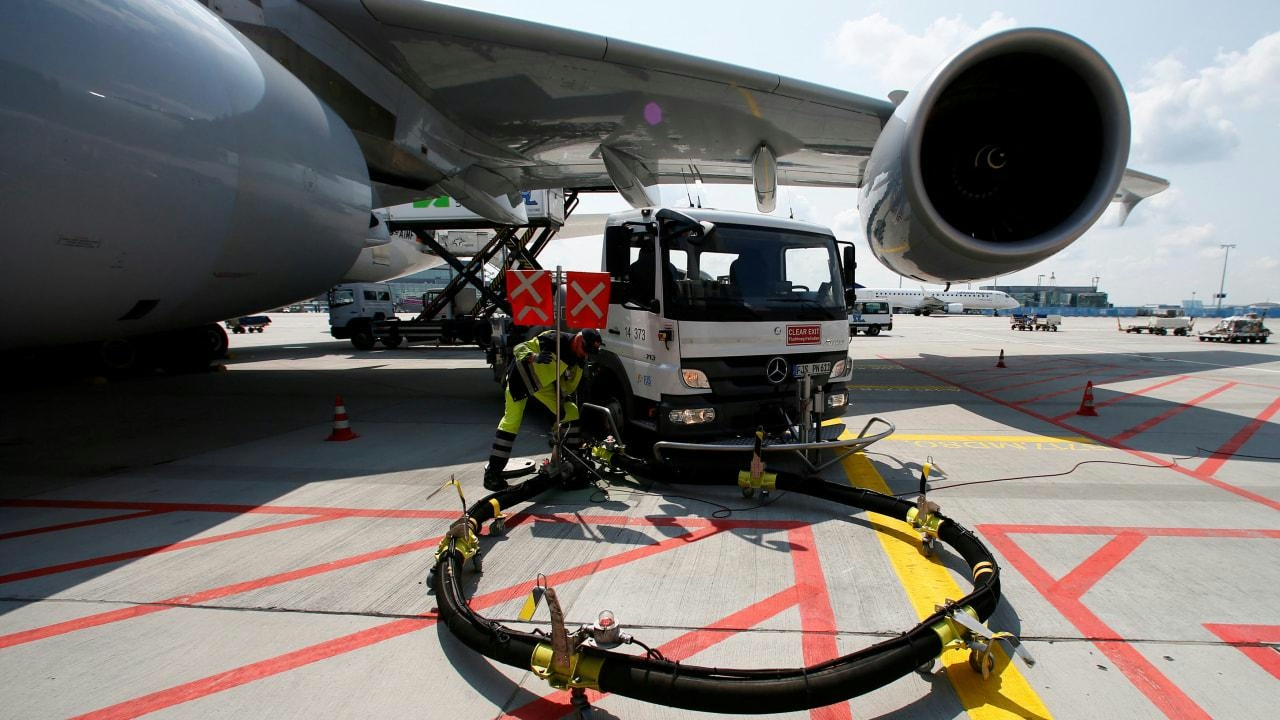
Aviation Kerosene Deliveries to Russian Airports Under Interdepartmental Oversight
Deliveries of aviation kerosene to Russian airports have been placed under intensified interdepartmental control amid persistent fuel supply challenges. The Ministry of Transport, Ministry of Energy, and other relevant government agencies are closely monitoring the situation, according to Dmitry Yadrov, head of the Federal Air Transport Agency (Rosaviatsia). Yadrov affirmed that Russian airports are currently receiving the necessary volumes of aviation fuel and that flight schedules are being maintained despite the difficulties.
Fuel Supply Disruptions and Government Response
The aviation sector has faced significant disruptions this summer, largely due to changes in logistics and a series of attacks on oil refineries. Deputy Prime Minister Alexander Novak identified these factors as primary contributors to the fuel shortages. In response, the government has introduced several measures aimed at stabilizing the market. These include a temporary ban on gasoline and diesel exports, tax incentives to encourage fuel imports, and initiatives to increase domestic production capacity.
Despite these interventions, the shortage of jet fuel remains critical for some airlines. Azimuth Airlines reported that its principal supplier planned to reduce deliveries by one-third, citing force majeure circumstances at oil refineries. This reduction has driven an average 17% increase in jet fuel prices at Russian airports, rendering flight operations economically unviable for certain carriers.
Industry Adaptations and Market Pressures
The fuel crisis has compelled some operators of light aircraft to experiment with automobile gasoline as an alternative to aviation kerosene, despite the potential risks posed to aircraft engines. This development has intensified calls within the industry for state regulation of aviation fuel prices to ensure market stability and affordability.
In light of ongoing pressures in the fuel market, the Russian government is also considering a total ban on diesel exports to further secure domestic supplies. The situation has been exacerbated by Ukrainian drone attacks targeting oil refineries and supply networks, complicating logistics and market dynamics.
While authorities maintain that flights continue to operate and schedules are upheld, the aviation industry remains under considerable strain. Officials continue to address the root causes of the fuel shortage to safeguard the ongoing functioning of Russian air transport.

Etihad and Swissport Extend Global Partnership

Sepehran Airlines B737 Returns to Mashhad After Tyre and Engine Issues

Etihad Deploys Widebody Fleet to Meet Strong Demand

Korean Air Finalizes $36.2 Billion Deal with Boeing

Australia’s RFDS Queensland Section Orders Six King Air 260Cs

Korean Air Finalizes Order for 103 Boeing Jets and Engines

Embraer E195-E2 Features Distinctive Engine Placement Among Regional Jets

What Passengers Can Expect on Boeing’s New 777X Jet

How Ethiopian Airlines Became Africa’s Leading Carrier Amid Gulf Competition

Joby Aviation Extends Autonomous Flight Capabilities with Cross-Country Tour
