
Orquestre insights de IA em ações

Tendências
Categories
Boeing Placed Executive Inside Rolls-Royce Factory to Address 787 Engine Issues
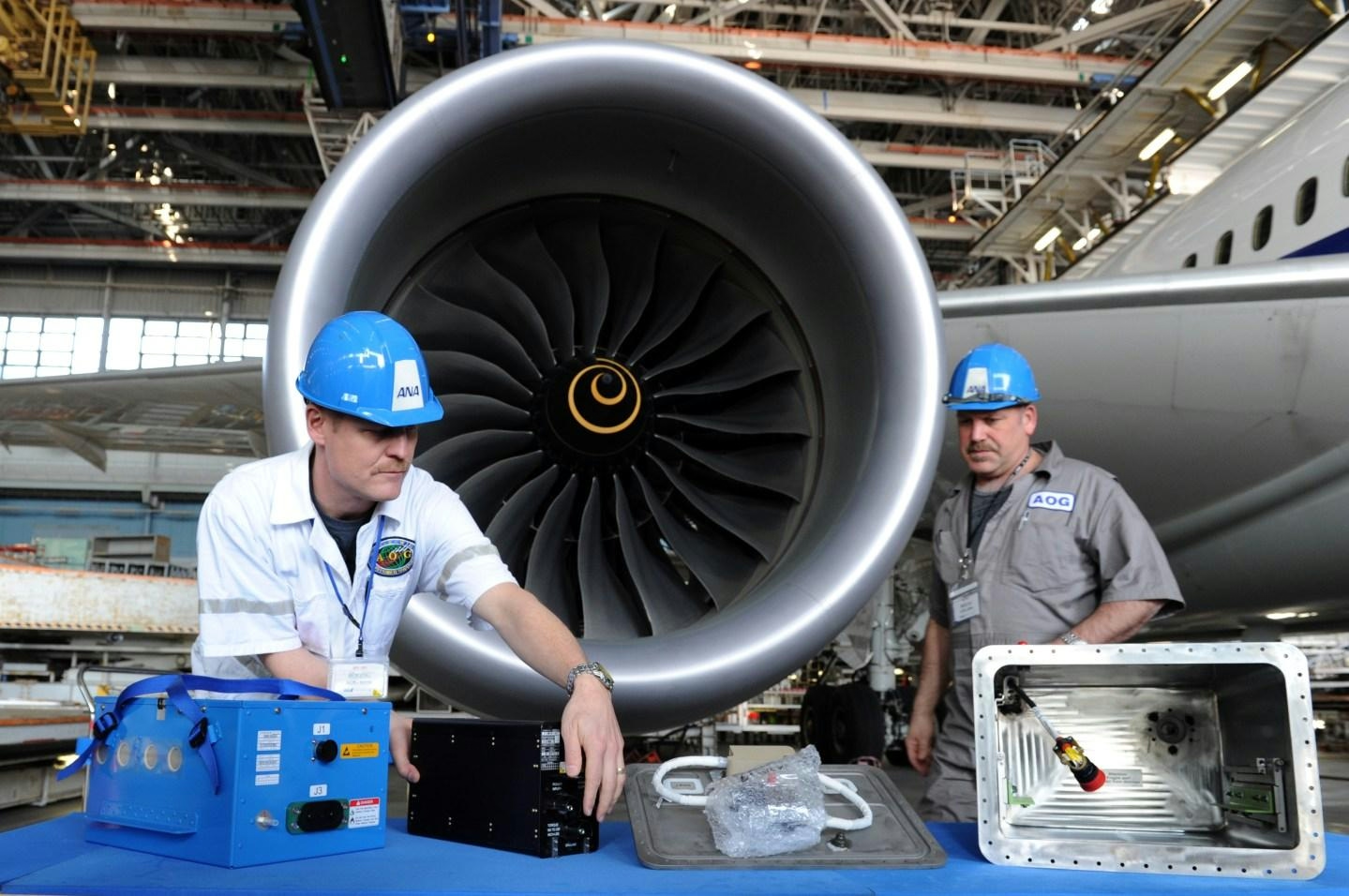
Boeing Places Executive Inside Rolls-Royce Factory to Tackle 787 Engine Crisis
Unprecedented Intervention Amid Engine Failures
In an unusual and significant departure from industry norms, Boeing has embedded a senior executive—previously the head of the 737 MAX program—directly within Rolls-Royce’s Derby manufacturing facility. This unprecedented move highlights the gravity of the ongoing crisis affecting the 787 Dreamliner, Boeing’s flagship widebody aircraft. The decision reflects the urgency to address persistent technical failures in the Rolls-Royce Trent 1000 engines that power the aircraft.
The intervention was triggered by a series of inflight engine failures, notably consecutive turbine damage incidents on Air New Zealand flights. Investigations revealed critical durability issues within the engine’s core, specifically severe structural cracking on the intermediate pressure compressor blades. These components were deteriorating at an accelerated rate, raising the risk of uncontained engine shutdowns during long-haul operations. The severity of these defects prompted immediate regulatory and operational responses worldwide.
Operational and Regulatory Impact
The technical problems rapidly escalated into a global operational challenge. Inspections found that nearly 30 percent of the engines examined exhibited blade cracking severe enough to necessitate immediate removal from service. The scale of the issue required a comprehensive retrofit program involving 383 engines, with repair timelines extending up to four years. Airlines faced increasing engine removals, overwhelmed maintenance facilities, and significant disruptions to flight schedules.
In response, aviation safety authorities imposed stringent operational restrictions. Inspection intervals were drastically shortened, and the 787’s ETOPS (Extended-range Twin-engine Operational Performance Standards) rating was downgraded from 330 minutes to 140 minutes. This reduction forced airlines to reroute transoceanic flights, eroding the Dreamliner’s competitive advantage by turning profitable routes into costly detours.
Strategic and Market Implications
Boeing’s decision to station an executive within Rolls-Royce’s operations serves both as a crisis management measure and a strategic effort to regain control over the repair process. With approximately one-quarter of the global 787 fleet affected, Boeing aims to accelerate repair schedules, enhance quality oversight, and restore confidence among its airline customers. This approach underscores the complexities of managing large-scale technical failures within a highly integrated aerospace supply chain.
Market reactions have been varied. Some analysts commend Boeing’s proactive stance as essential to stabilizing production timelines and reassuring operators. Conversely, others interpret the move as indicative of deeper systemic challenges in Boeing’s supply chain coordination and partner management. The situation continues to attract close regulatory scrutiny, particularly from the Federal Aviation Administration (FAA), as ongoing engine safety concerns weigh on Boeing’s reputation and financial performance.
Competitors and industry observers remain attentive to developments, recognizing the critical importance of the 787 program to Boeing’s commercial success. The outcome of Boeing’s embedded oversight at Rolls-Royce will be pivotal in determining the company’s operational recovery and its position within the global aviation market.
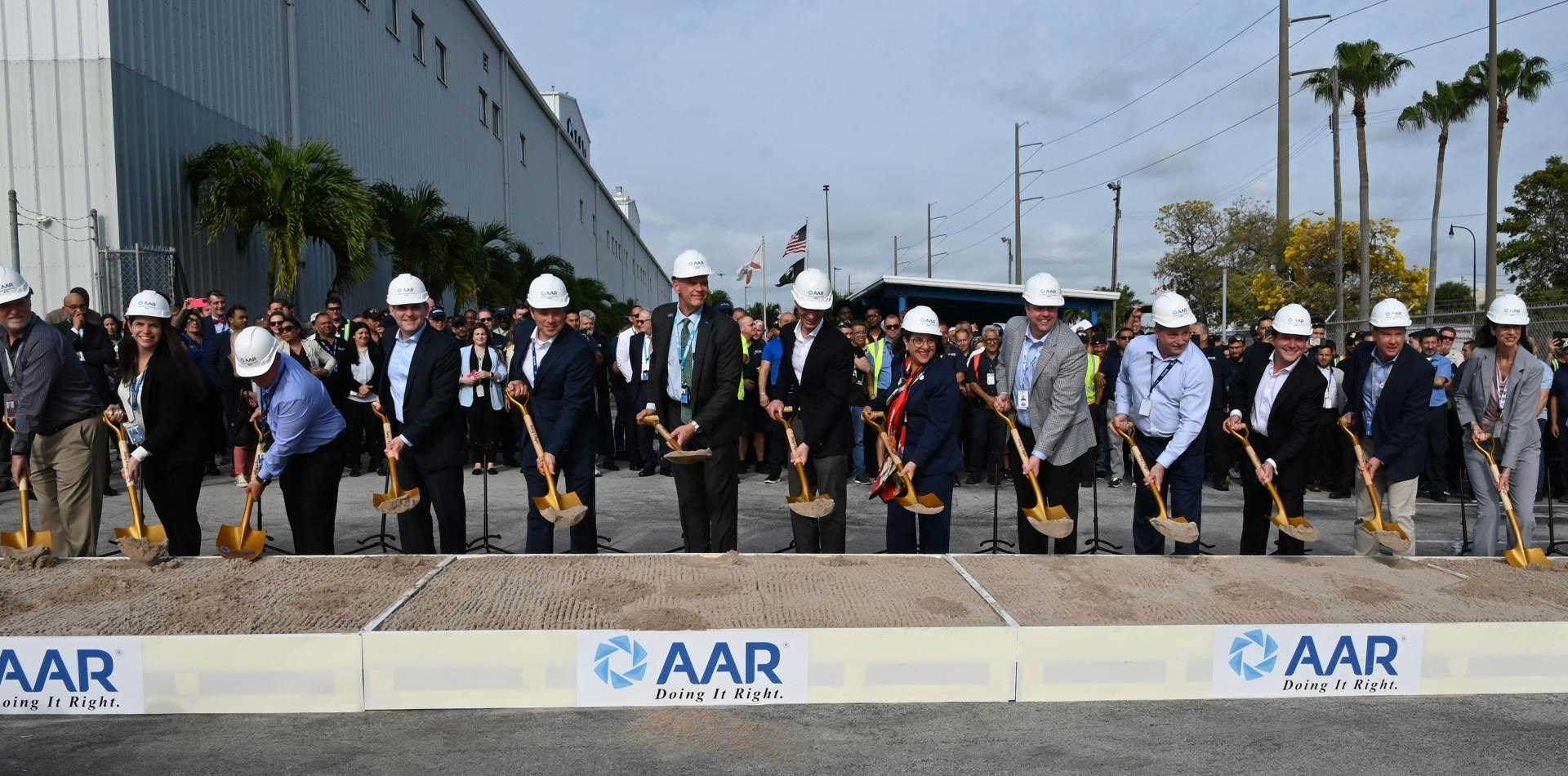
AAR Expands Maintenance Facility at Miami International Airport
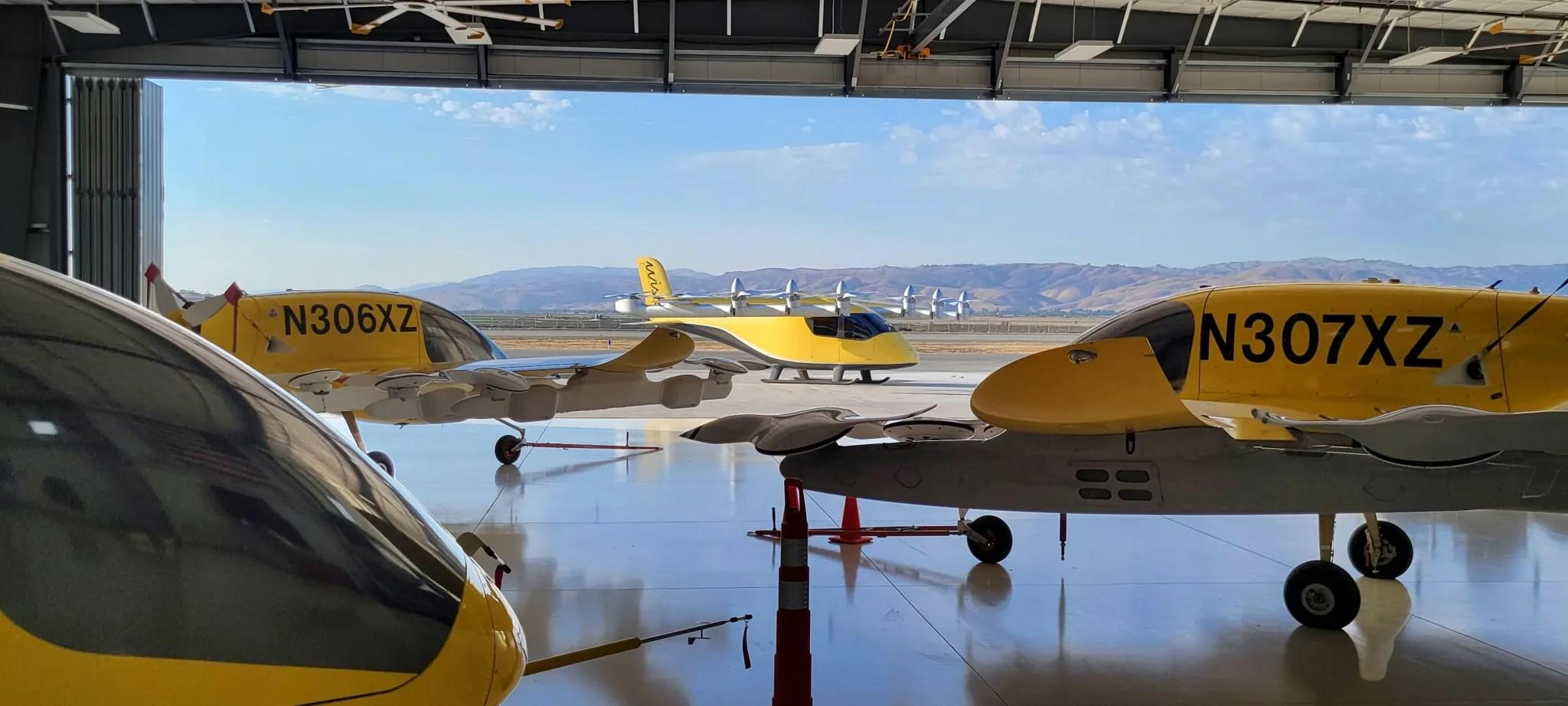
Can Archer Aviation Transform Urban Air Mobility With Boeing’s Support?

Google Acquires Spirit Airlines Data for AI Research
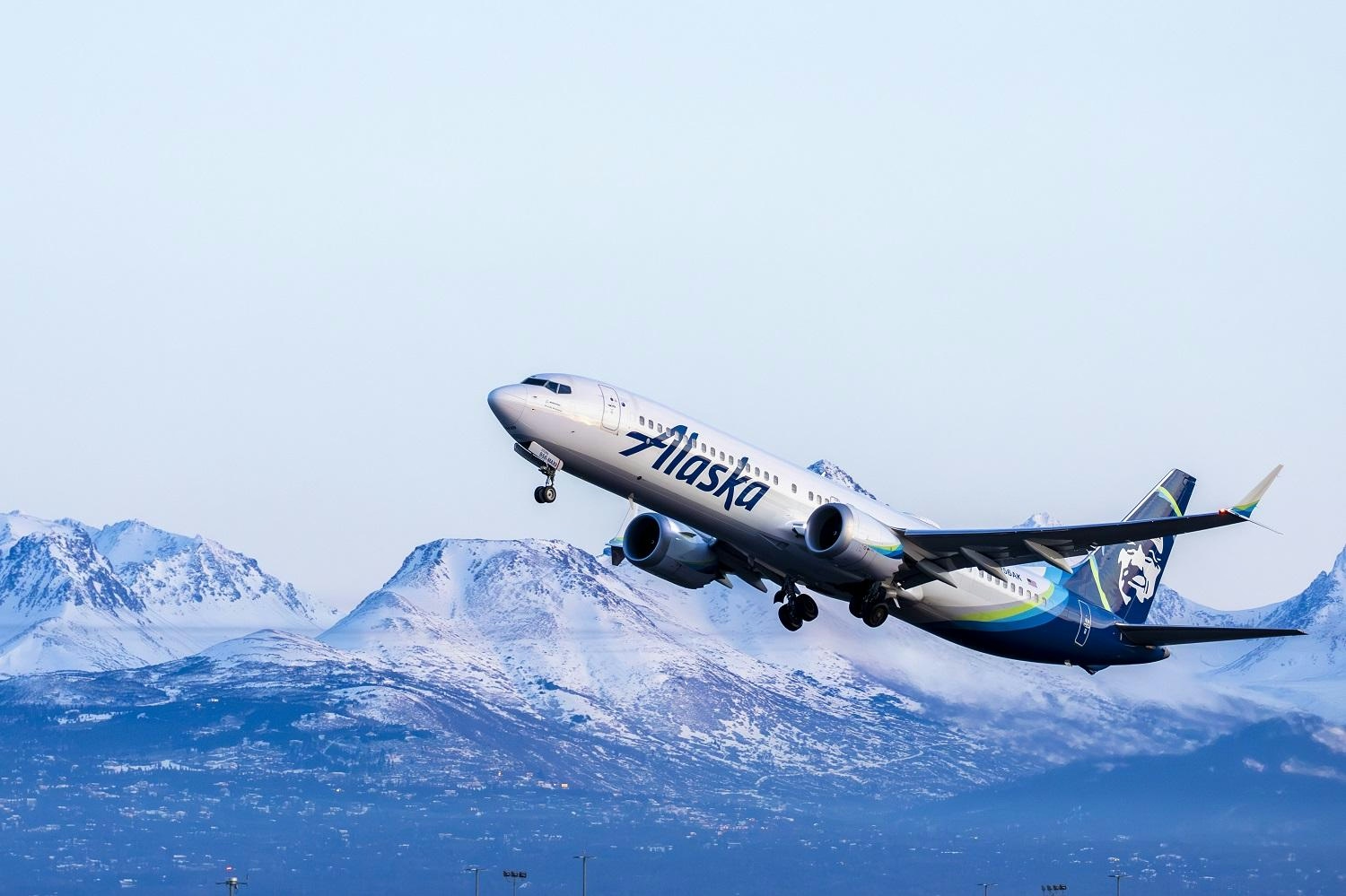
Engine Failure Forces Alaska Airlines 737 MAX 9 to Divert to O’Hare
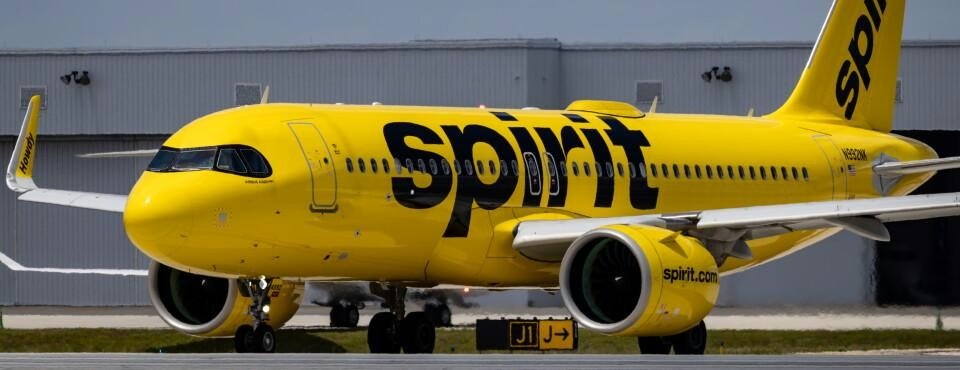
Google Acquires Spirit Airlines Data to Enhance AI Capabilities
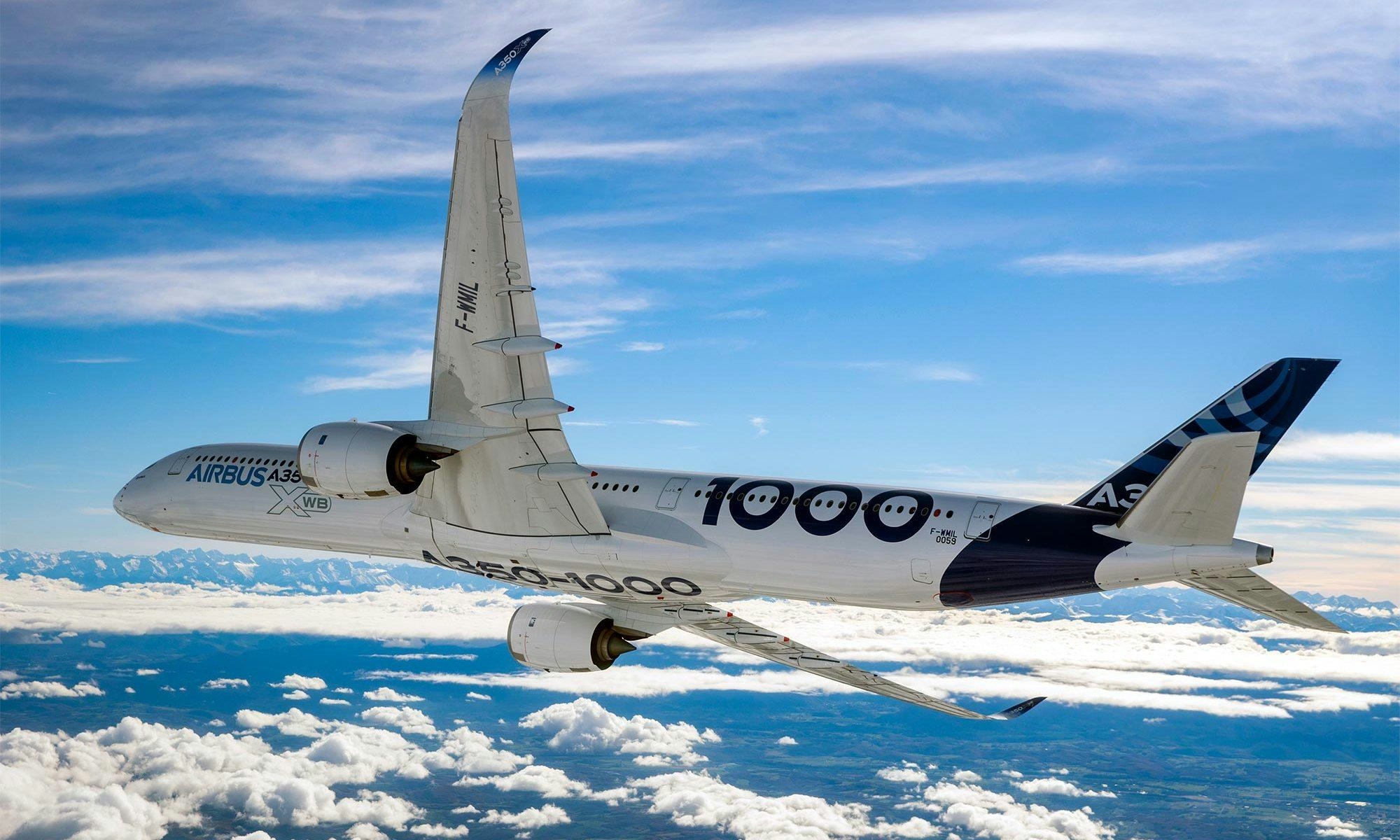
Air Canada Selects 16 Airbus A350-1000s to Replace Aging 777-300ERs Amid Boeing 777X Delays
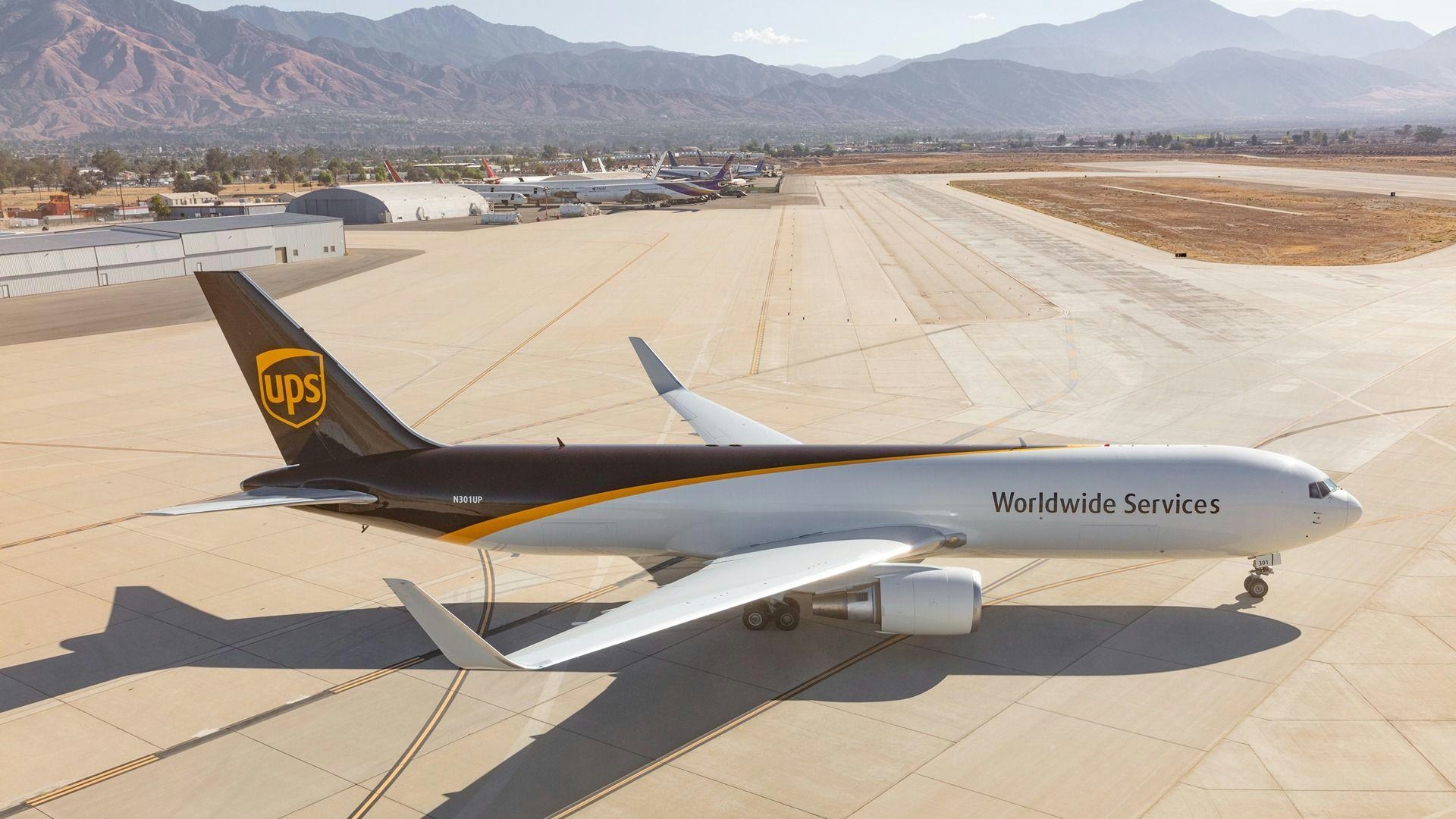
UPS Boeing 767 Lands Safely in Denver After Instrument Failure

SkyMatch Group Expands into eVTOL Air Taxis and Vertical Mobility
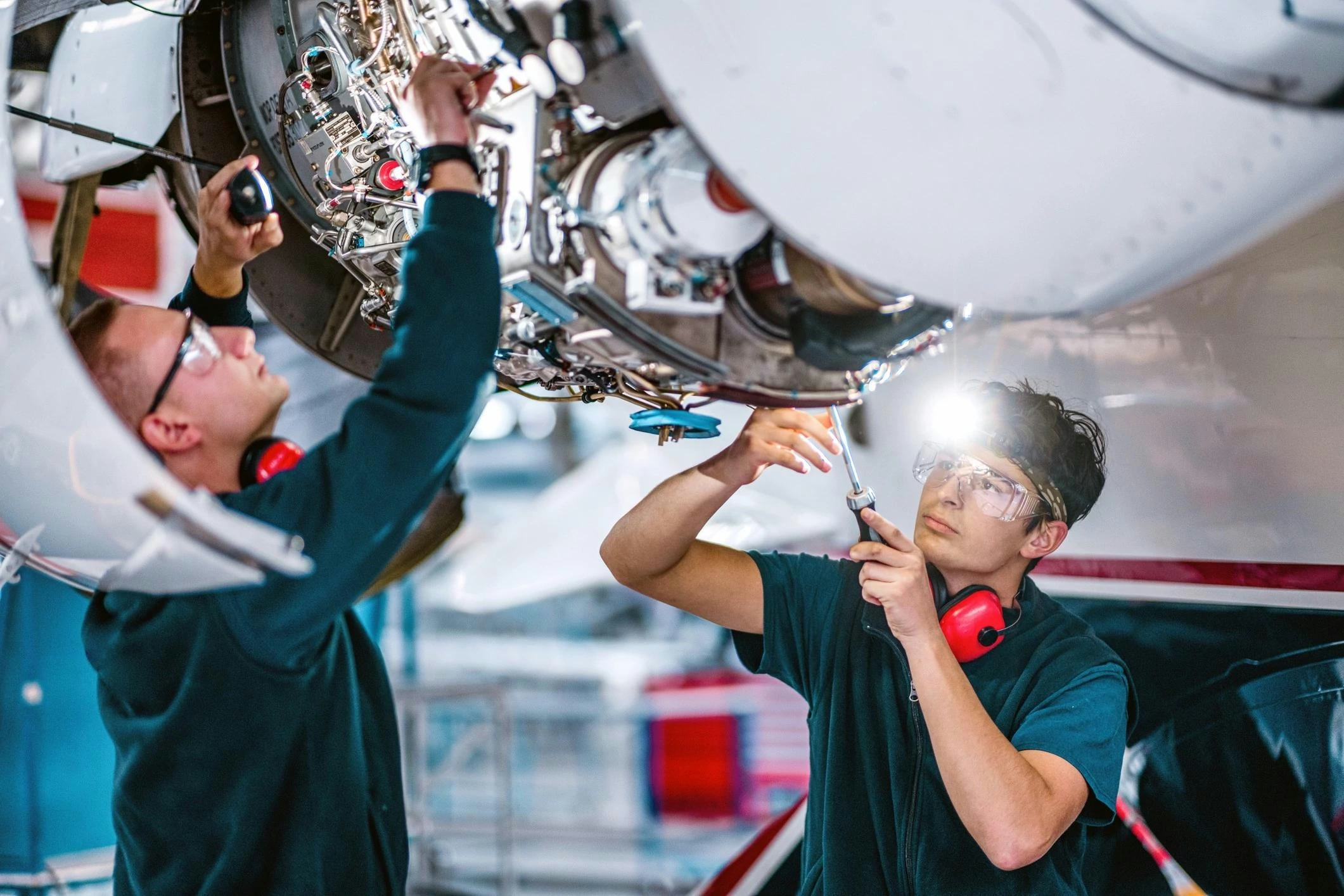
Faster Diagnostics Essential for Aircraft Heavy Maintenance
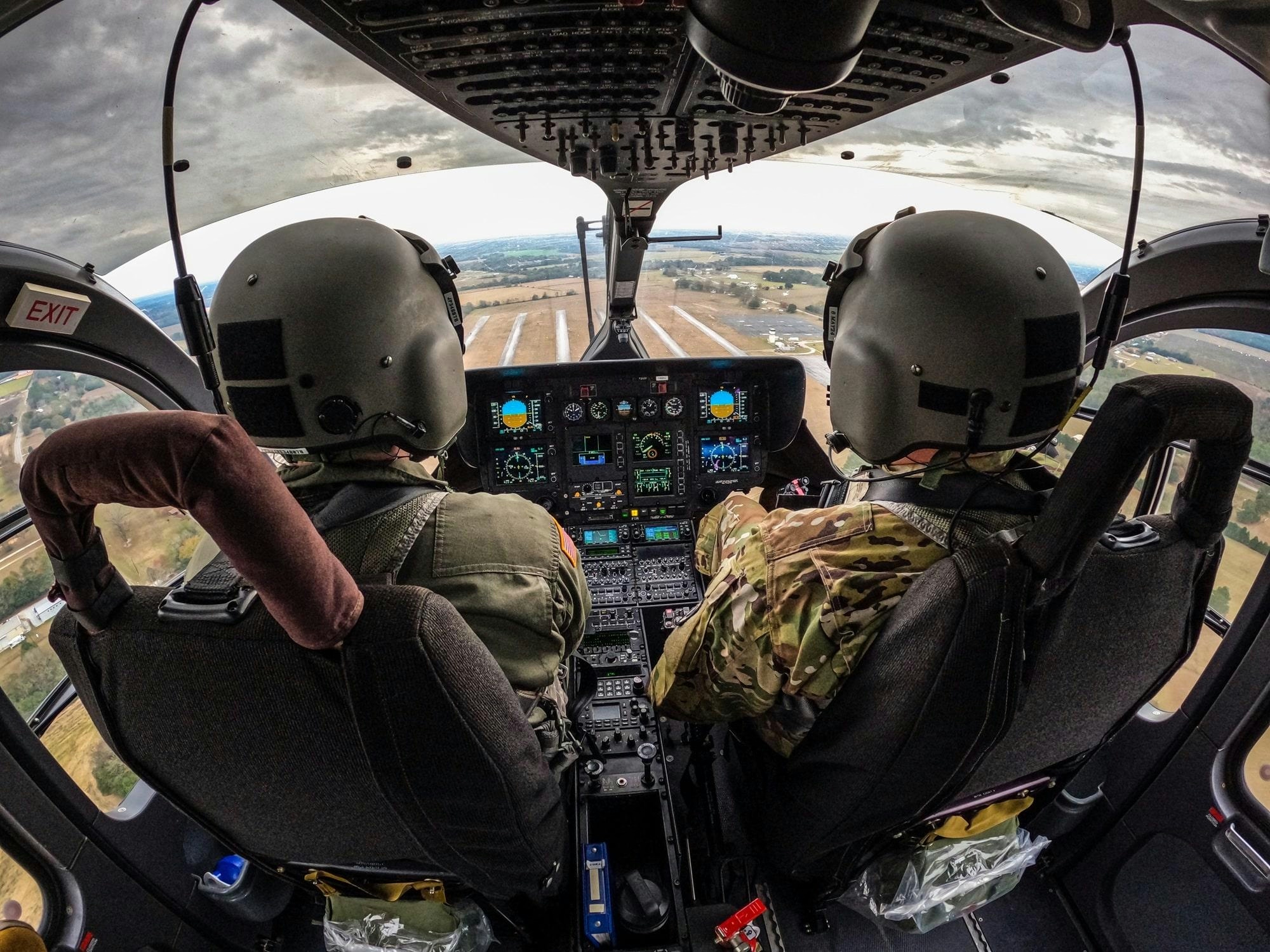
M1 Awarded $10 Billion U.S. Army Flight Training Contract
