
Orquestre insights de IA em ações

Tendências
Categories
China Airlines Reports Increased Cargo Revenues and Volumes Driven by AI Demand
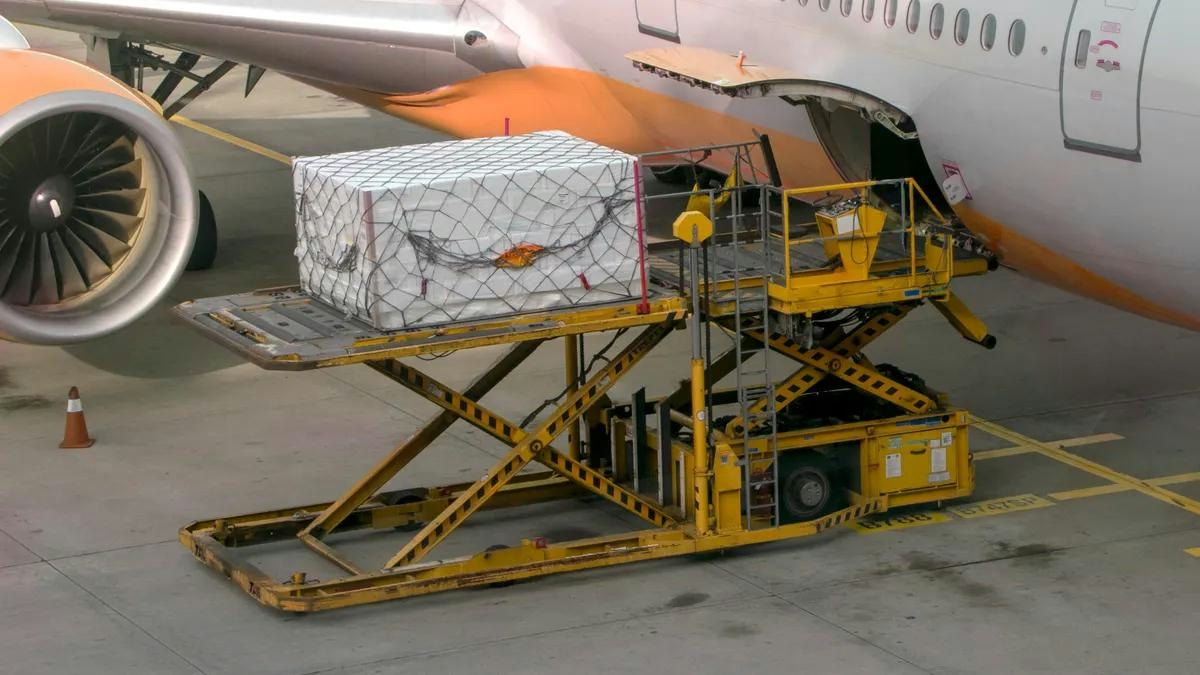
China Airlines Reports Increased Cargo Revenues and Volumes Driven by AI Demand
Strong Growth Amid Industry Challenges
Taiwan-based China Airlines has reported a significant increase in cargo revenues and volumes for the second quarter, propelled by strong demand for high-technology shipments, particularly those related to artificial intelligence (AI) and the semiconductor sector. The airline’s cargo division recorded a 43.9% year-on-year rise in revenues, reaching T$23.6 billion. Freight tonne kilometers (FTK) grew by 8.6% to 1.5 billion, while available freight tonne kilometers (AFTK) increased by 2.6% to 2.1 billion. This surge in demand outpaced capacity growth, resulting in an improved cargo load factor of 70.5%, up from 66.6% in the previous year.
The revenue growth was further supported by improved yields, which rose to T$15.78 per FTK from T$11.01 last year. China Airlines attributed this robust performance not only to sustained demand for AI servers and semiconductor equipment but also to seasonal exports such as fruits and high-value spot cargo, particularly in June.
Strategic Outlook and Market Dynamics
Looking ahead to the third quarter, China Airlines remains optimistic, anticipating continued strong demand for AI servers, semiconductors, and information-communications products across key Asian export markets. The airline emphasized its proactive approach to market dynamics, aiming to maximize both passenger and cargo capacity by securing high-yield charter and block-space agreements. Additionally, the company expects that a gradual decline in international oil prices could contribute to expanding profit margins.
The surge in cargo volumes coincides with rapid growth in Taiwan’s high-tech sector, driven by global demand for AI, semiconductors, and data center infrastructure. Taiwan Semiconductor Manufacturing Company (TSMC), the world’s largest contract chipmaker, commands over half of the global foundry market and produces approximately 90% of the world’s most advanced microchips.
To capitalize on these trends, China Airlines is expanding its freighter fleet. The carrier has increased its order for Boeing 777-8F aircraft to eight units and has acquired four Boeing 777Fs. Concurrently, it has announced the sale of four older Boeing 747-400Fs to Cargolux.
Industry Challenges and Competitive Pressures
Despite the positive momentum, China Airlines faces significant challenges within the industry. A severe fuel crisis has affected major Chinese carriers, resulting in steeper half-year losses and prompting airlines across the region to reevaluate cost structures and operational strategies. Rising fuel costs are intensifying competition, with some competitors, including Japan’s chip equipment manufacturers, shifting their focus toward AI-driven demand to mitigate pressures. Furthermore, global trade uncertainties, tariffs, and geopolitical risks—such as those arising from the ongoing conflict in Iran—are complicating logistics and supply chain operations.
In this complex environment, China Airlines remains committed to leveraging high-yield opportunities and sustaining stable cargo performance amid a rapidly evolving market landscape.

Etihad and Swissport Extend Global Partnership
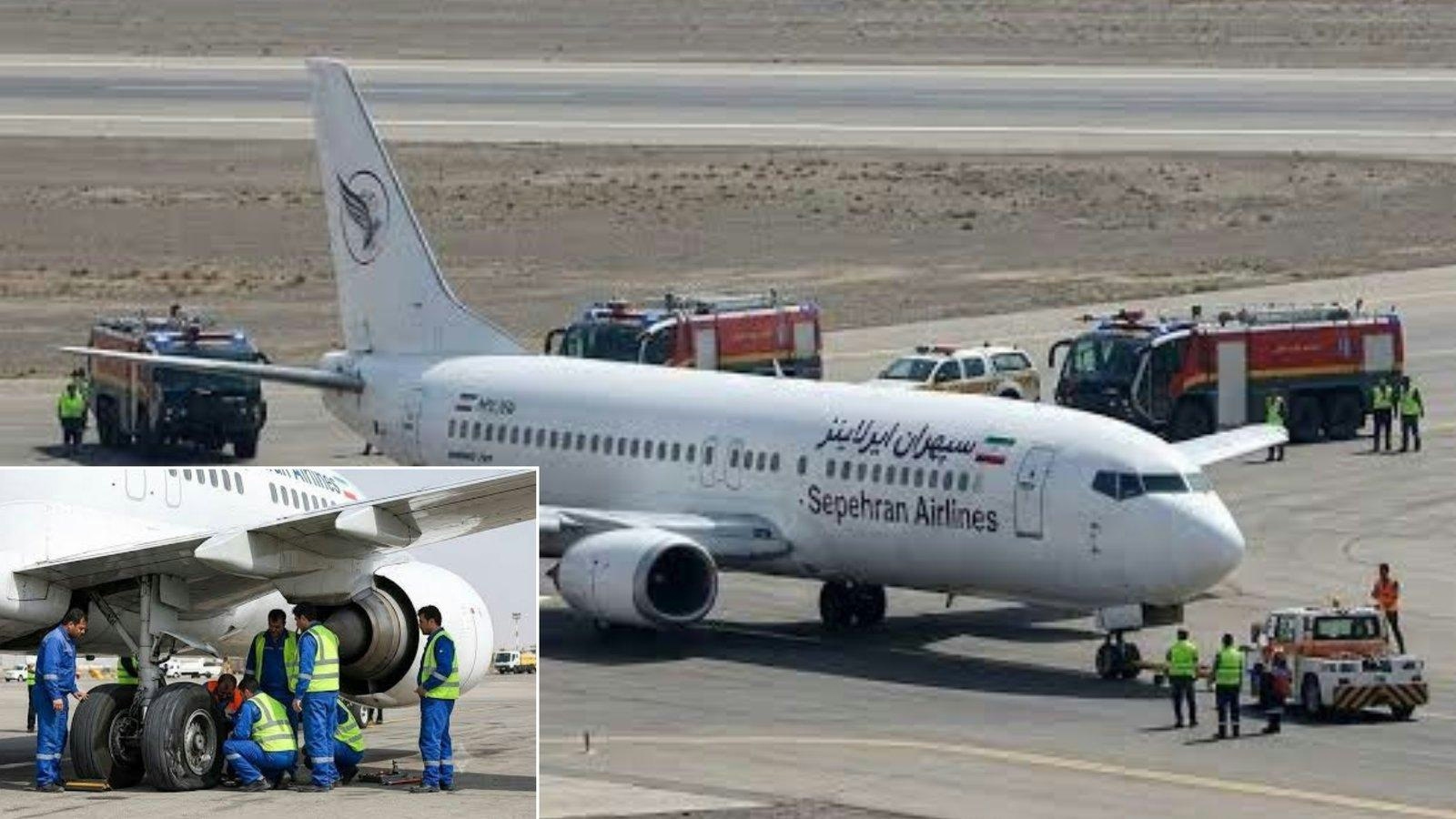
Sepehran Airlines B737 Returns to Mashhad After Tyre and Engine Issues
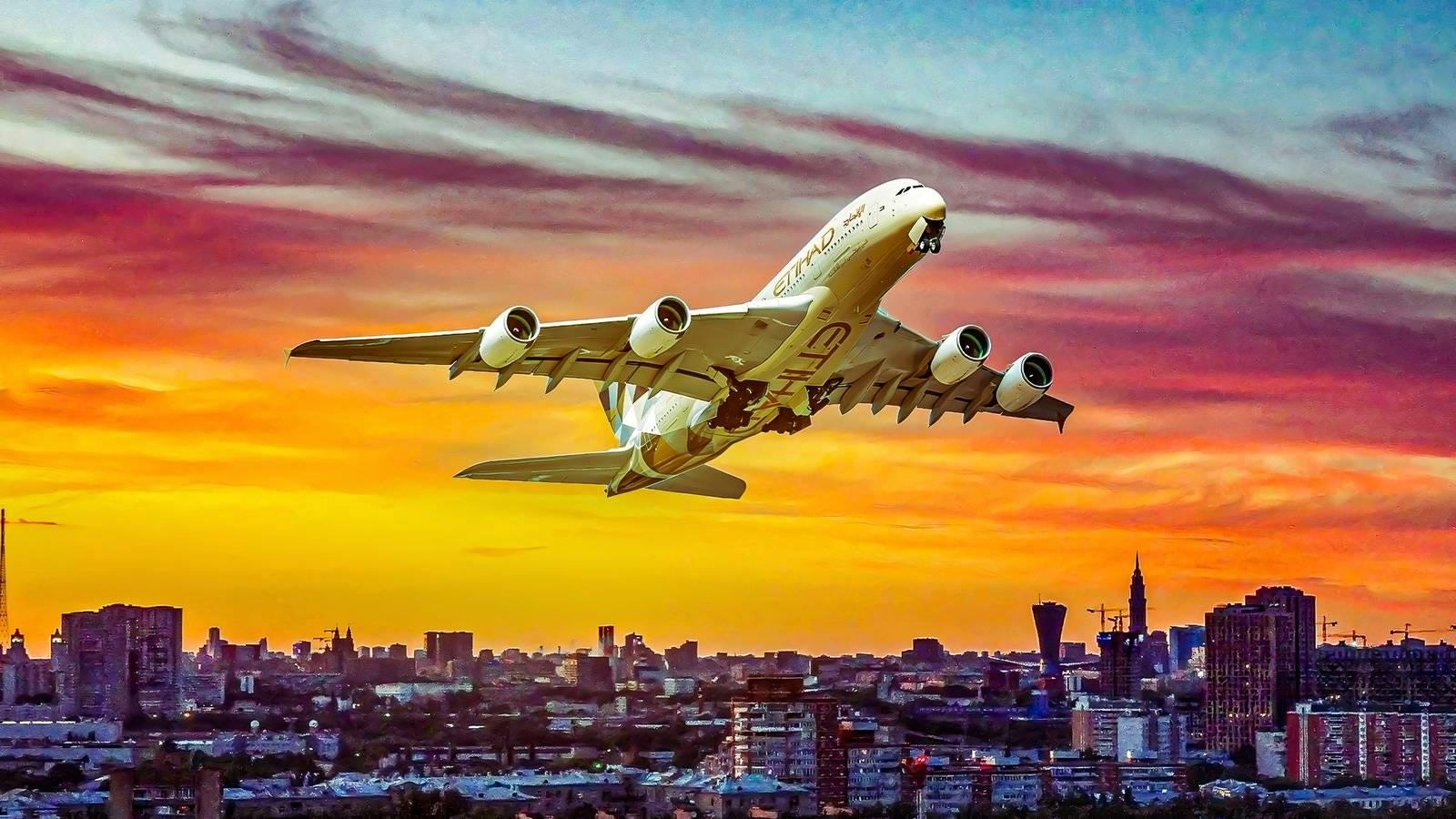
Etihad Deploys Widebody Fleet to Meet Strong Demand
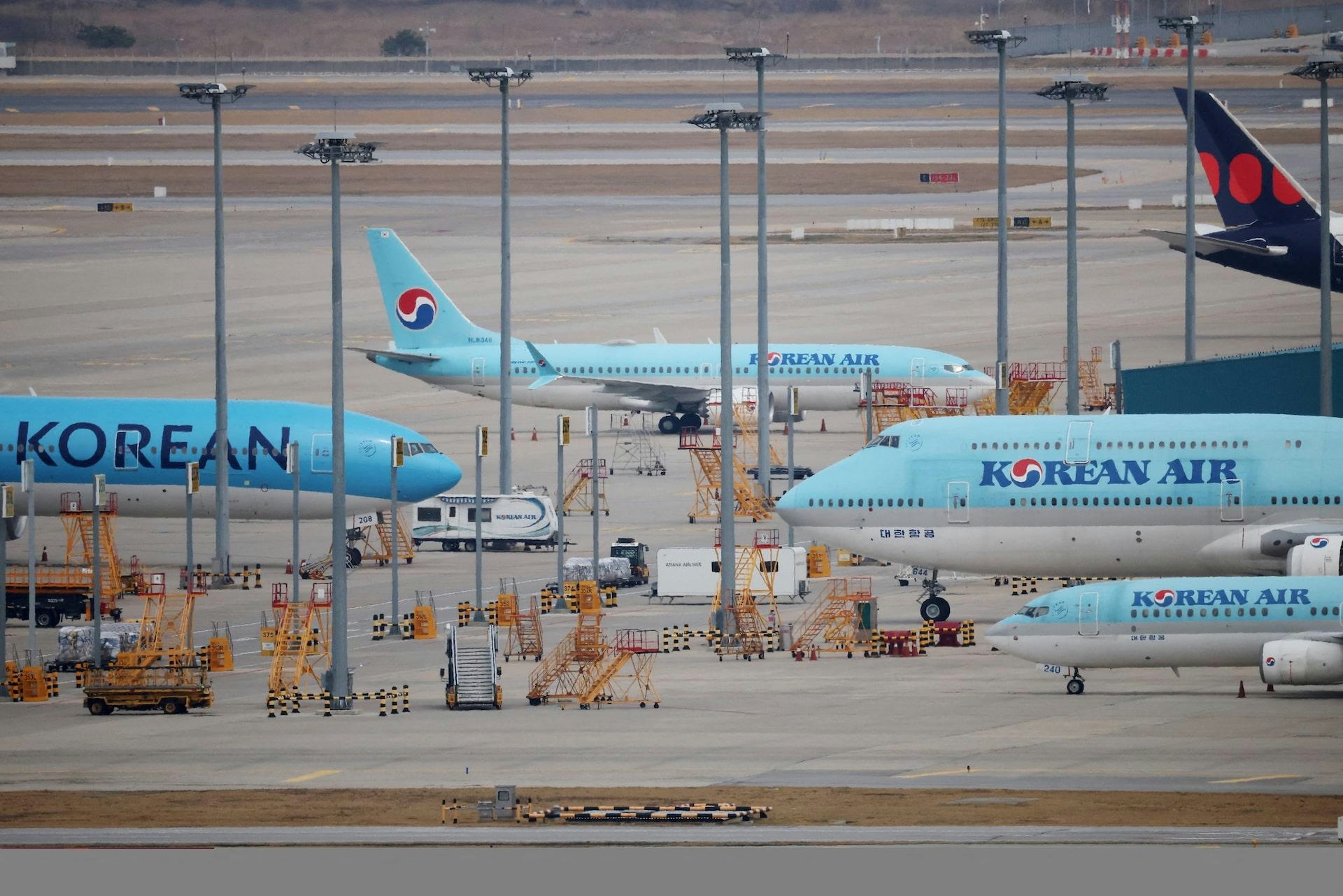
Korean Air Finalizes $36.2 Billion Deal with Boeing
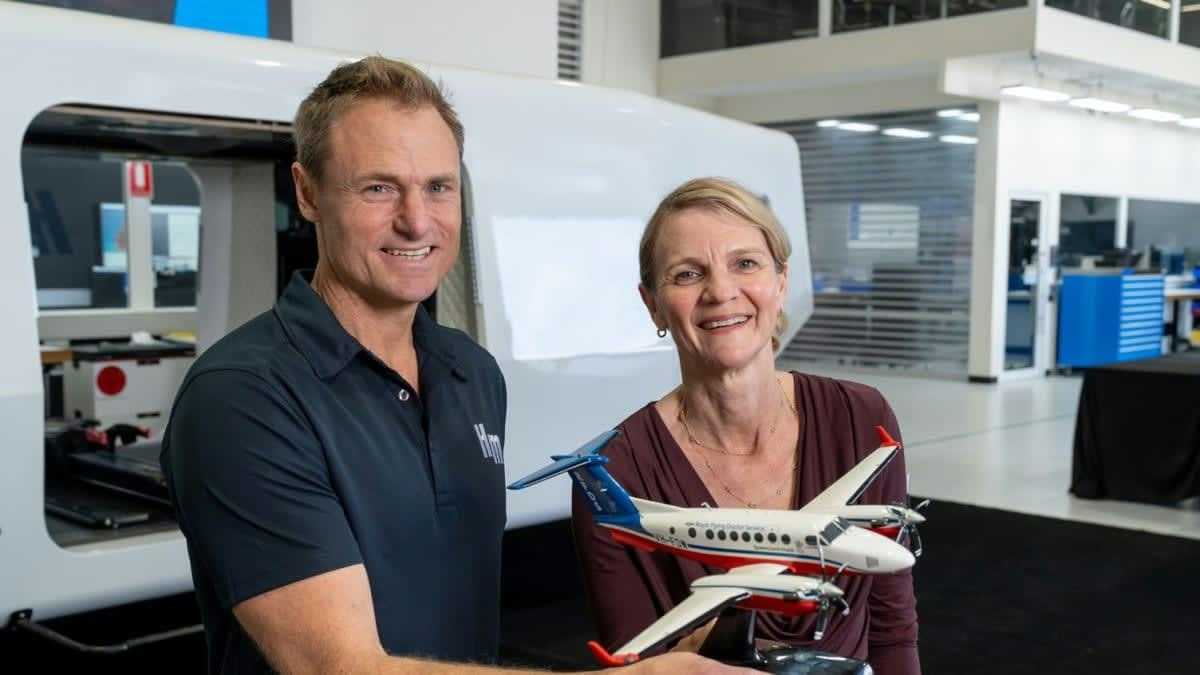
Australia’s RFDS Queensland Section Orders Six King Air 260Cs
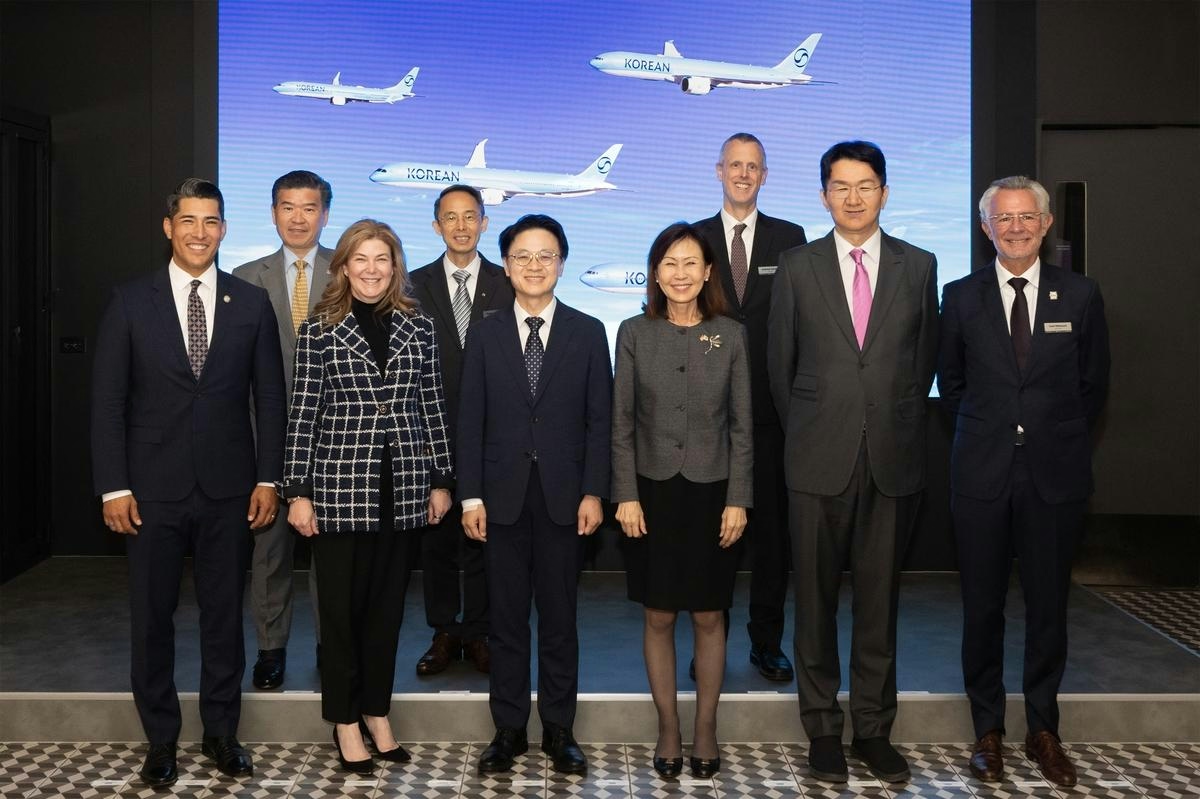
Korean Air Finalizes Order for 103 Boeing Jets and Engines
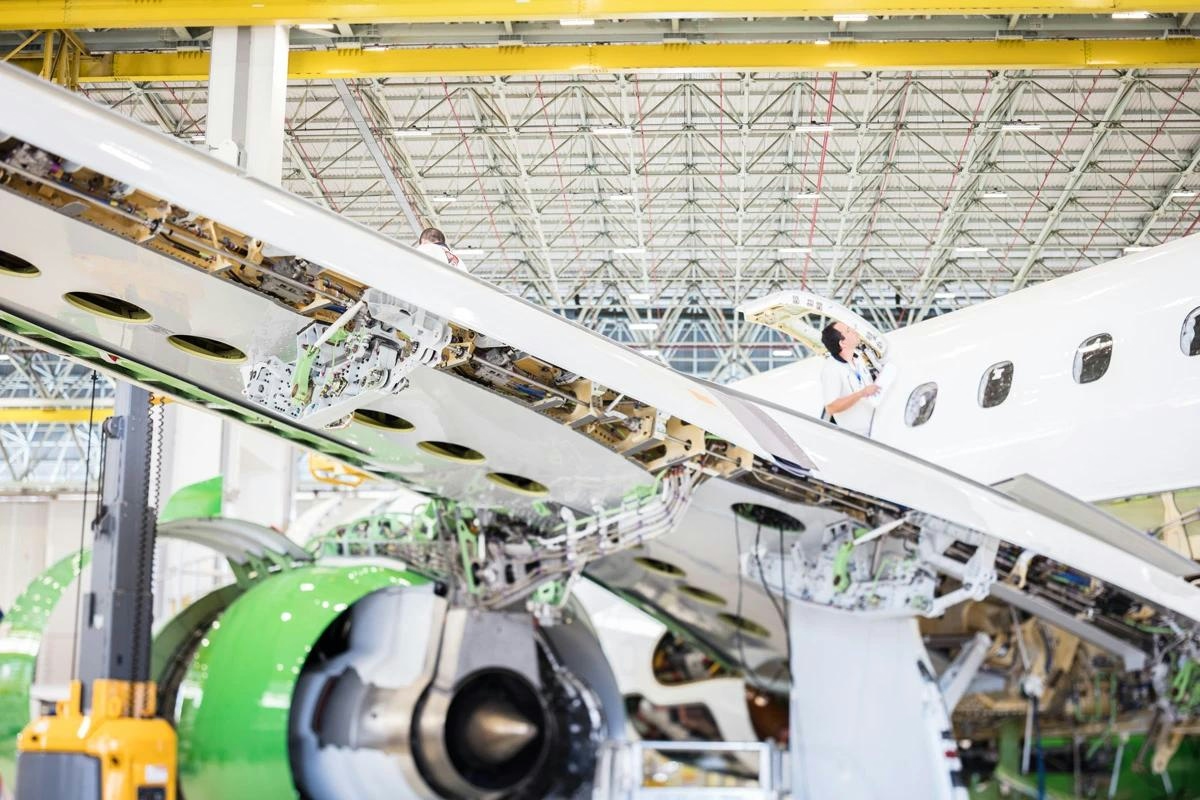
Embraer E195-E2 Features Distinctive Engine Placement Among Regional Jets
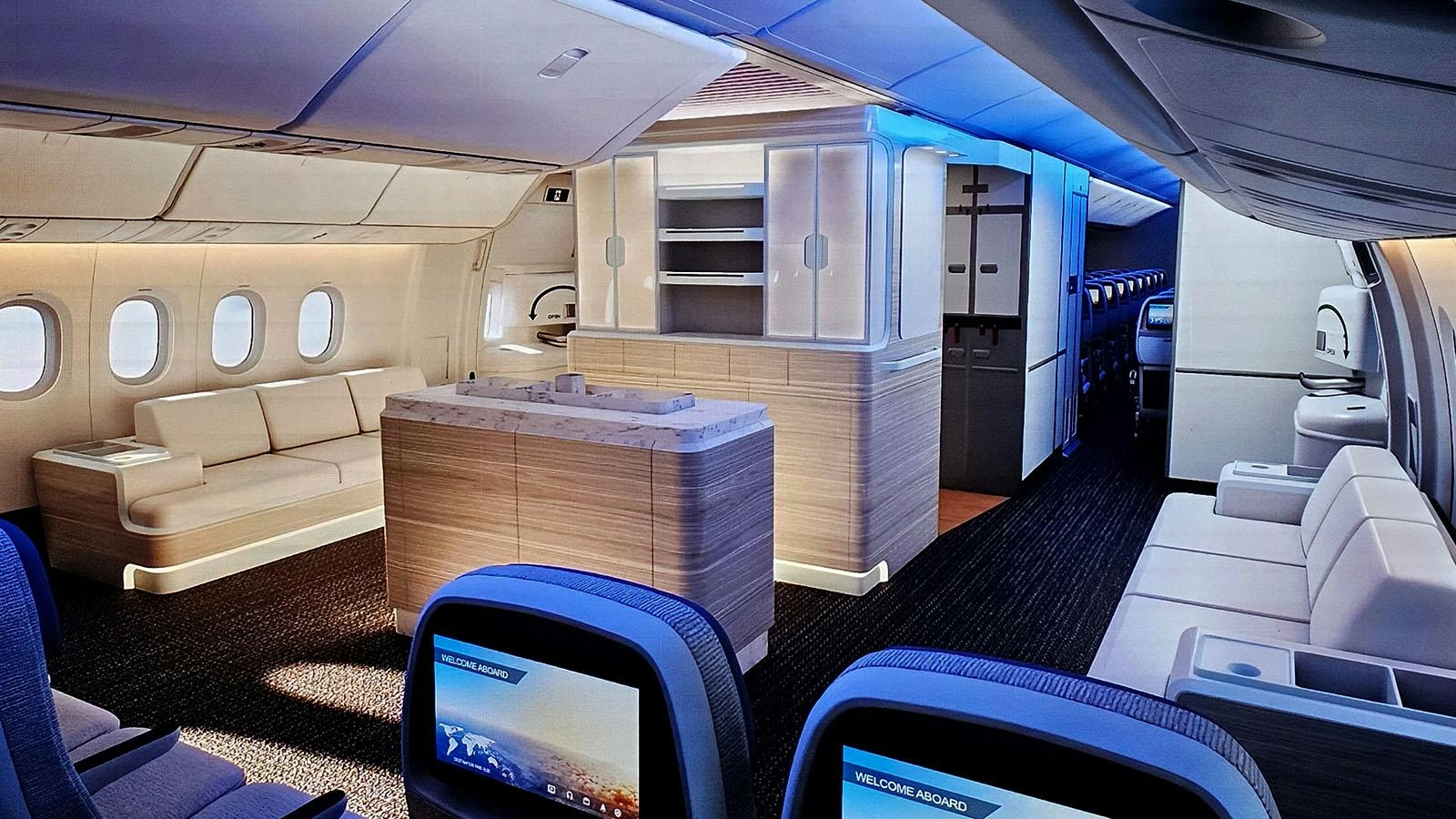
What Passengers Can Expect on Boeing’s New 777X Jet
How Ethiopian Airlines Became Africa’s Leading Carrier Amid Gulf Competition
Joby Aviation Extends Autonomous Flight Capabilities with Cross-Country Tour
