
Orquestre insights de IA em ações

Tendências
Categories
Delta Flight Makes Emergency Landing in Atlanta Due to Onboard Fumes

Delta Flight Makes Emergency Landing in Atlanta Due to Onboard Fumes
A Delta Air Lines Boeing 757-200 was compelled to execute an emergency landing at Atlanta Hartsfield-Jackson International Airport on Thursday after the flight crew detected fumes in the cockpit shortly after takeoff. The aircraft, registered as N555NW, was operating flight DL-2204 en route to Orlando International Airport, carrying 199 passengers and six crew members.
Incident Overview
The flight departed from runway 09L and began its ascent when, at approximately 9,000 feet, the pilots identified the presence of fumes on the flight deck. Promptly notifying air traffic control, the crew declared an emergency and requested an immediate return to Atlanta. The aircraft safely touched down on runway 09R just 17 minutes after departure.
Following the landing, the Boeing 757 taxied clear of active runways and came to a halt on a taxiway. Due to the potential hazard posed by the fumes, the crew initiated an evacuation using the aircraft’s escape slides rather than waiting for a tow to the gate. Passengers were subsequently transported by bus to the terminal, and Delta arranged for a replacement aircraft to continue the journey to Orlando.
Safety Protocols and Industry Implications
Fume events are treated with the highest level of caution within the aviation industry, as contaminated air can impair crew performance without immediate or obvious symptoms. Standard operating procedures mandate the immediate use of oxygen masks and diversion to the nearest suitable airport. Delta confirmed that the emergency declaration was prompted by cockpit fumes and emphasized that all passengers and crew were safely evacuated.
This incident highlights the persistent challenges airlines face in safeguarding passenger safety while maintaining operational continuity. Delta now confronts the task of addressing passenger concerns, cooperating with regulatory investigations, and preserving public confidence. The event is expected to attract scrutiny from aviation safety authorities and may influence insurance considerations. Additionally, competing carriers may review and publicize their own safety protocols in response, aiming to reassure travelers of their commitment to safety.
Aircraft Background and Next Steps
The aircraft involved, N555NW, is a Boeing 757-251 built in 2002 and powered by Pratt & Whitney PW2037 engines. Originally delivered to Northwest Airlines, it became part of Delta’s fleet in 2008 following the merger of the two carriers. The jet was reconfigured to its current 199-seat layout in 2015 and remains active following the incident.
As investigations into the cause of the fumes continue, Delta’s emergency response and operational procedures are expected to undergo thorough review. The airline’s management of the situation, including communication with passengers and regulatory authorities, will be closely monitored by both the public and industry observers. Delta has reiterated its commitment to safety and is cooperating fully with authorities as the investigation proceeds.

Etihad and Swissport Extend Global Partnership
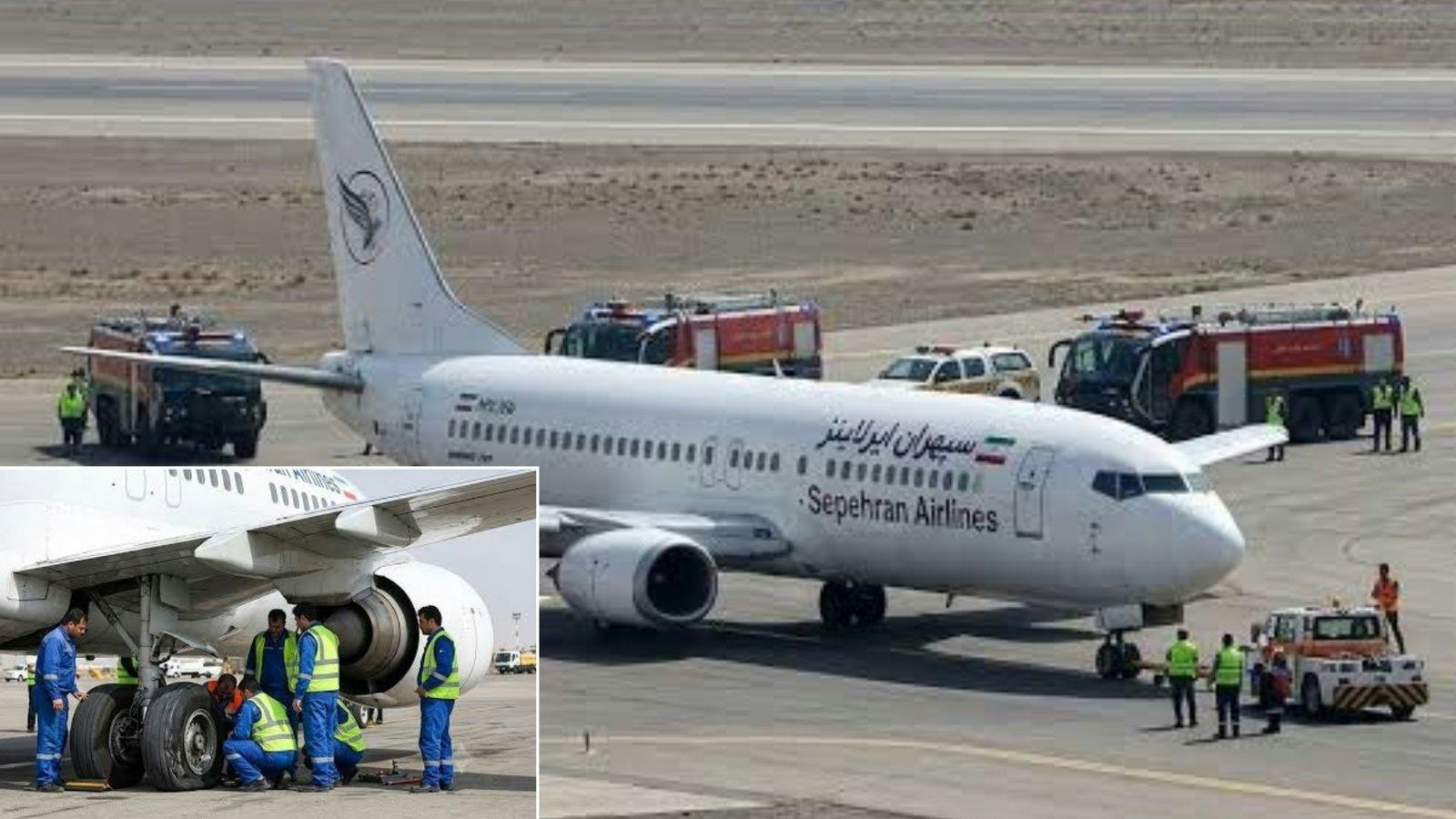
Sepehran Airlines B737 Returns to Mashhad After Tyre and Engine Issues

Etihad Deploys Widebody Fleet to Meet Strong Demand

Korean Air Finalizes $36.2 Billion Deal with Boeing

Australia’s RFDS Queensland Section Orders Six King Air 260Cs

Korean Air Finalizes Order for 103 Boeing Jets and Engines

Embraer E195-E2 Features Distinctive Engine Placement Among Regional Jets

What Passengers Can Expect on Boeing’s New 777X Jet

How Ethiopian Airlines Became Africa’s Leading Carrier Amid Gulf Competition

Joby Aviation Extends Autonomous Flight Capabilities with Cross-Country Tour
