
Orquestre insights de IA em ações

Tendências
Categories
Digitalization Enhances Efficiency in Aerospace Supply Chains
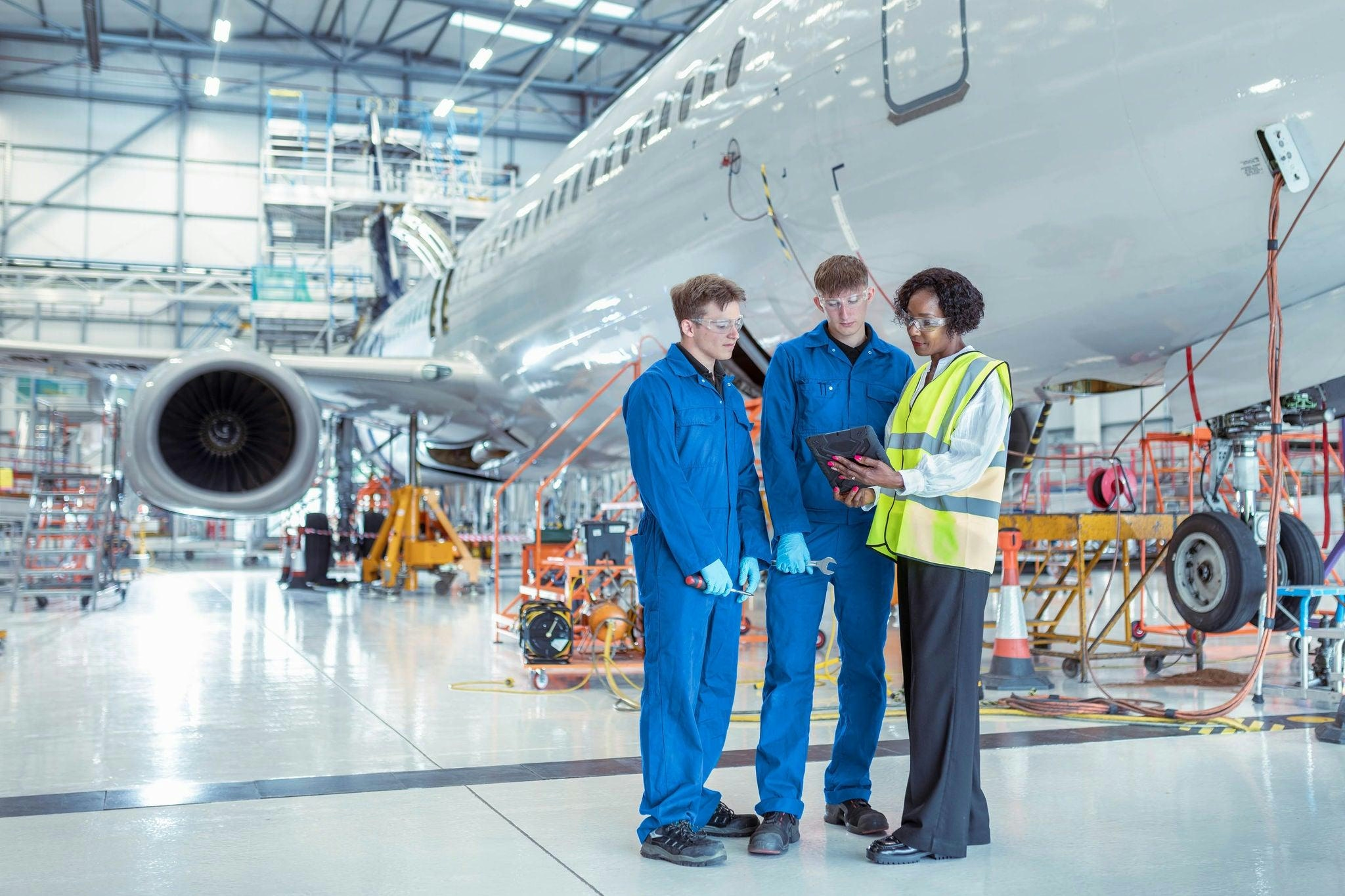
Digitalization Enhances Efficiency in Aerospace Supply Chains
Overcoming Data Disparities and Unlocking AI Potential
The aerospace industry continues to grapple with significant disparities in data collection, as many companies lack centralized access to their operational information. This fragmentation hinders comprehensive data archiving and integration, making it difficult to harness artificial intelligence (AI) for insightful analysis and informed decision-making. Nevertheless, organizations that have embraced digitalization are already experiencing substantial benefits. These include advanced production planning, enhanced material efficiency, waste reduction, and optimized energy consumption, all of which contribute to improved operational performance.
For firms such as JPB Système, these technological advancements translate into greater efficiency and a tangible contribution to sustainability and decarbonization initiatives. Digitalization in aerospace is not merely a tool for productivity enhancement; it also embodies a commitment to environmental stewardship, aligning the sector’s evolution with broader global sustainability objectives.
Integration Across the Industrial Ecosystem
Industry experts highlight that digitalization extends well beyond individual manufacturing facilities, encompassing the entire aerospace industrial ecosystem. Secure data sharing among manufacturers, suppliers, maintenance, repair and overhaul (MRO) providers, and customers fosters transparency and trust throughout the supply chain. This interconnectedness facilitates more effective collaboration, enables earlier identification of risks, and supports the development of resilient production systems—advantages that are critical in an industry where delays or disruptions can have extensive repercussions.
Despite these clear benefits, the journey toward digital transformation is fraught with challenges. High initial costs for adopting new technologies, the necessity for comprehensive workforce training, and increased cybersecurity risks pose significant obstacles. Successfully integrating AI into existing supply chain operations demands not only technological investment but also a cultural shift within organizations.
Market Dynamics and Workforce Integration
The aerospace market has responded swiftly to these technological shifts. Companies are ramping up investments in AI and digital tools, exemplified by Divergent Technologies securing substantial funding to advance its digital capabilities. Competitors are following suit; Woodward’s strategic assembly site in South Carolina reflects a broader industry trend toward digital and AI-driven strategies aimed at maintaining competitive advantage. Additionally, the movement toward more localized supply chains, as noted by Forbes, is reshaping market dynamics and operational approaches across the sector.
Crucially, the full potential of digitalization can only be realized through effective integration with the human workforce. Aerospace relies heavily on precision, expertise, and trust, making it essential for employees to feel confident and supported when adopting new digital tools and AI applications. Automating repetitive or low-value tasks allows personnel to concentrate on higher-impact responsibilities, fostering upskilling and enabling human judgment where it is most valuable. This approach not only enhances operational efficiency but also acts as a catalyst for growth, empowering individuals and supporting employee retention through more fulfilling career pathways.
As the aerospace industry continues to navigate the complexities of digital transformation, the successful convergence of technology, people, and processes will be pivotal in building a more efficient, sustainable, and resilient supply chain for the future.

Etihad Airways Suspends Airbus A380 Flights on Key Route

Aditya Birla Group Seeks Approval for Aircraft Leasing in GIFT City

Qatar Airways Highlights Innovation and Connectivity at Arabian Travel Market 2026

Hong Kong's Five-Year Plan Includes Andrew Fan's Aircraft Parts Processing Hub Proposal

ACIA Aero Leasing Delivers ATR72-600 to Air Nostrum

RTX Appoints Jill Albertelli as Head of Pratt & Whitney

TAT Technologies Joins Beyond Aero Hydrogen Aircraft Program

AURAK Study Highlights Barriers to Air Taxi Adoption in Emerging Economies

Xiamen Air Selects Altitude for 787 Maintenance at Heathrow

Etihad and Swissport Extend Global Partnership
