
Orquestre insights de IA em ações

Tendências
Categories
Indra and Synaptic Aviation Deploy AI to Improve Airport Operations in Barcelona, Madrid, and Palma de Mallorca

Indra and Synaptic Aviation Deploy AI to Improve Airport Operations in Barcelona, Madrid, and Palma de Mallorca
Indra, in partnership with Synaptic Aviation Inc., is launching an advanced artificial intelligence (AI) system designed to enhance aircraft turnaround processes at three of Spain’s busiest airports: Adolfo Suárez Madrid-Barajas, Josep Tarradellas Barcelona-El Prat, and Palma de Mallorca. These airports, managed by Aena, collectively serve over 150 million passengers annually and accommodate approximately 477 aircraft parking positions, making them critical hubs in the country’s aviation network.
Advancing Ground Operations Through AI
The newly introduced AI-based digital platform marks a significant advancement in the modernization and digitalization of airport ground operations. By leveraging real-time video feeds from strategically placed cameras near parking stands and boarding bridges, the system automatically captures and records essential events such as ground power unit (GPU) connection, chock placement, refueling, and catering services. This information is processed through Synaptic Aviation’s proprietary software, enabling continuous monitoring and optimization of operational efficiency, safety, and environmental sustainability.
This technology has already proven effective in improving the predictability of aircraft turnaround times, enhancing the accuracy of operational data, and reducing environmental impacts at airports globally. By delivering actionable insights, the system aims to streamline ground handling procedures and support more sustainable management practices within the aviation sector.
Challenges and Industry Implications
Despite its potential benefits, the deployment of AI-driven solutions in complex airport environments presents several challenges. Indra and Synaptic Aviation must ensure compliance with stringent regulatory frameworks, achieve seamless integration with existing airport infrastructure, and address critical concerns related to data privacy and cybersecurity. Furthermore, the introduction of AI technology may encounter skepticism from some stakeholders regarding its ability to deliver real-time operational improvements effectively.
The rollout of this system is also likely to influence the competitive landscape, prompting other airport operators and service providers to enhance their technological capabilities. At the same time, traditional airport management systems may resist adopting AI-based approaches, potentially slowing the pace of digital transformation.
Nonetheless, the collaboration between Indra and Synaptic Aviation represents a decisive step toward smarter and more efficient airport operations in Spain. This initiative sets a precedent for further innovation and digital advancement within the global aviation industry.
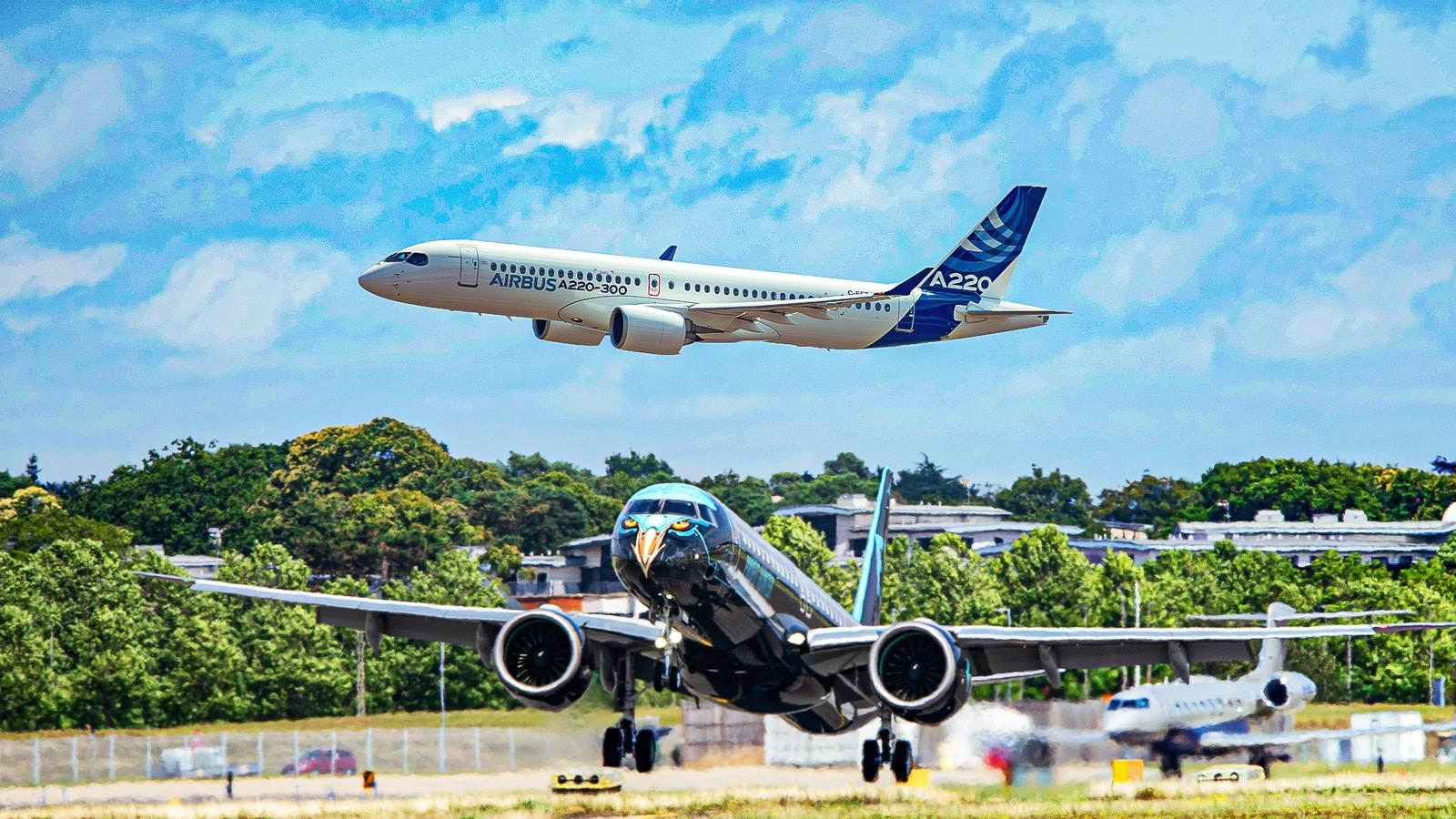
Embraer Delivers 2,000th E-Jet as Airbus A220 Seeks Market Share
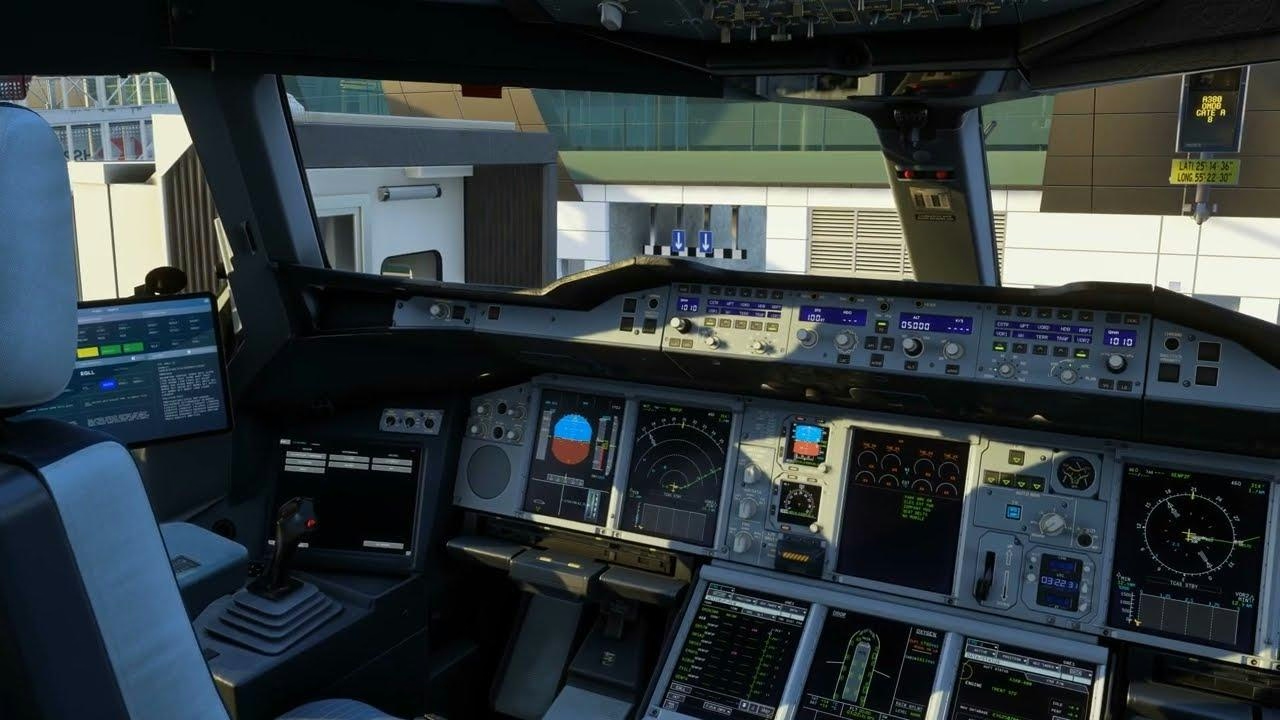
iniBuilds Releases Second In-Depth A380 Video
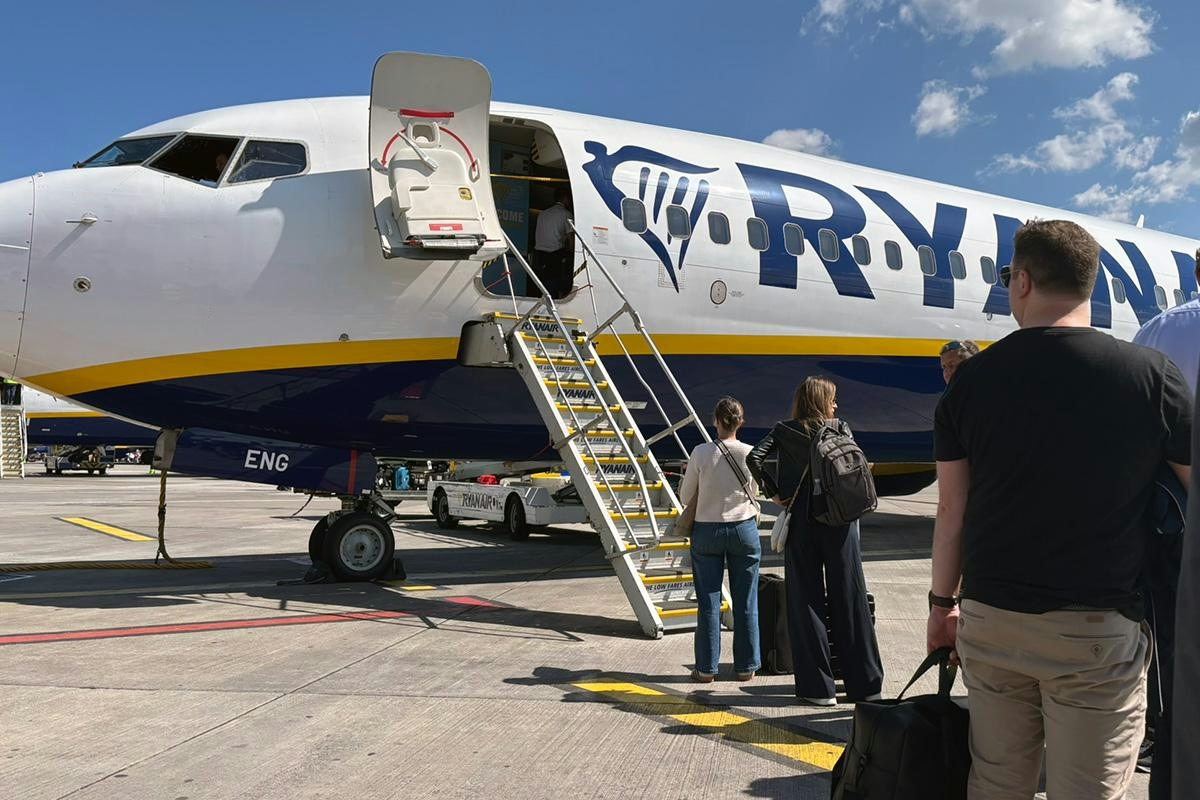
Ryanair and Alaska Airlines Apply AI to Operational Decision-Making

Digital Payments, AI, and Aviation Strengthen Philippines-India Relations
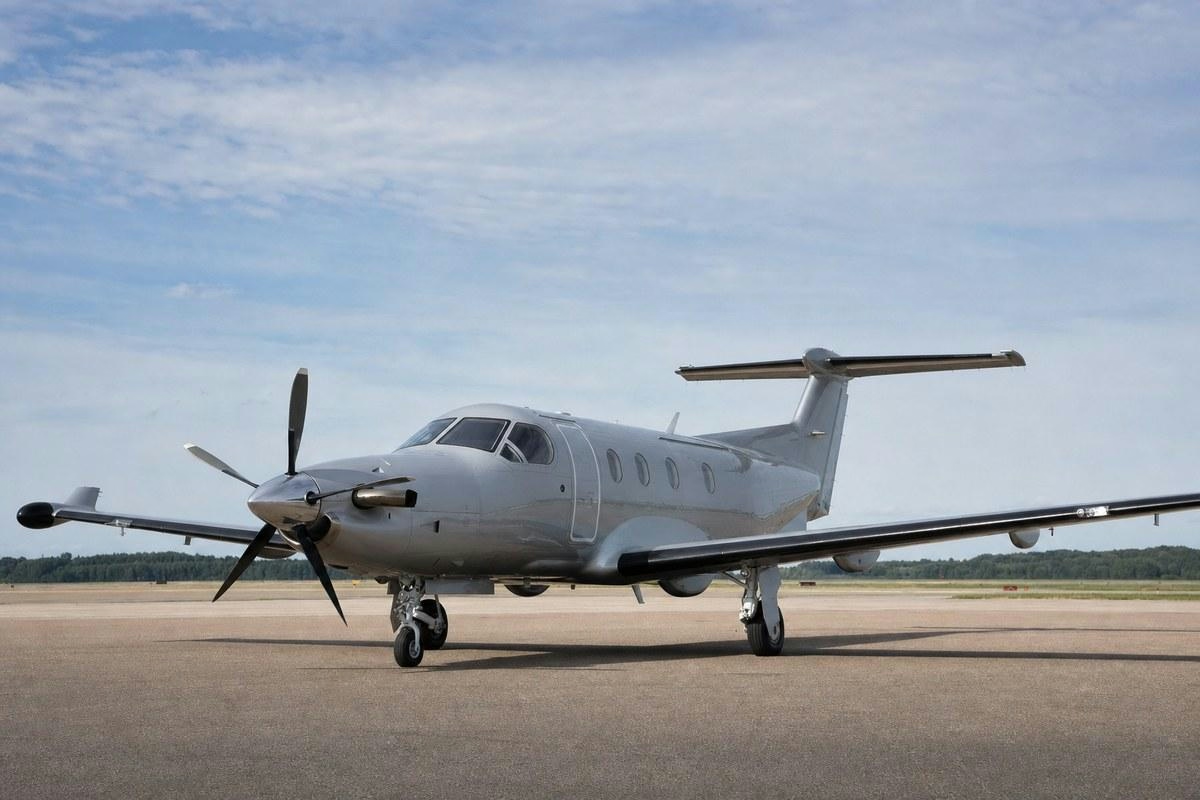
PlaneSense Suspends PC-12 Jet Card Sales
How AI Could Transform Bird-Strike Prevention for Business Aviation
American Airlines and Boeing Complete First 737 MAX Landing Gear Swap

Vietjet and Thales sign major MRO and AI deals in Paris
Etihad CEO Cites Aircraft Capacity as Limiting Factor Amid Growth in China and Africa

Artificial Intelligence Enters the Cockpit
