
Orquestre insights de IA em ações

Tendências
Categories
Ireland Emerges as a Transatlantic Digital Hub with AWS Fastnet Cable Amid Shifts in Security, Aviation, and Business Travel

Ireland Emerges as a Transatlantic Digital Hub with AWS Fastnet Cable Amid Shifts in Security, Aviation, and Business Travel
Ireland is set to enhance its stature in the global artificial intelligence (AI) and digital economy with the forthcoming launch of Amazon Web Services’ (AWS) Fastnet subsea cable. Scheduled for completion by 2028, this high-capacity cable will link County Cork to Maryland, offering speeds exceeding 320 terabits per second. This development is poised to transform Ireland from a predominantly back-office digital location into a strategic transatlantic gateway, significantly influencing technology investment, business travel, and international events.
Transforming Ireland’s Digital and Business Landscape
The AWS Fastnet cable represents more than a technological advancement; it is a catalyst for Ireland’s expanding role in cloud computing, AI workloads, and transatlantic business connectivity. The enhanced digital infrastructure is expected to attract a diverse range of stakeholders, including investors, technology conferences, government delegations, and high-value corporate travelers. This influx will have a direct impact on Ireland’s Meetings, Incentives, Conferences, and Exhibitions (MICE) sector. Reflecting this shift, Ireland’s updated Digital and AI Strategy now emphasizes international connectivity, subsea cable routes, advanced computing capabilities, cybersecurity, and regulatory innovation, all integrated within a comprehensive national competitiveness framework.
County Cork, traditionally regarded as a regional business and leisure destination, is poised to become the Irish landing point for this new AI data corridor bridging North America and Europe. This transition offers substantial opportunities for local hotels, venues, and tourism suppliers, positioning Cork as a burgeoning hub for technology-driven business travel. In response, Cork Airport has embarked on a €200 million capital development program aimed at increasing its annual passenger capacity to five million. The airport handled 3.5 million passengers in 2025, marking a 13% increase over the previous year, while Dublin Airport managed 36.4 million passengers, underscoring Ireland’s dual-gateway status for both corporate and leisure travel.
Navigating Security, Energy, and Geopolitical Challenges
Despite these promising developments, Ireland’s emergence as a digital hub presents significant challenges. The concentration of critical infrastructure, such as the Fastnet cable, raises national security concerns and highlights the necessity for comprehensive resilience planning. Additionally, the growing energy demands and vulnerabilities associated with subsea cables are critical considerations, particularly as Ireland assumes a more central role in European digital regulation and cloud service provision.
Geopolitical factors further complicate the landscape. Evolving US-Europe relations and a potential softening of US inbound demand could influence transatlantic travel and business flows. The market is also adjusting to the impact of major technology initial public offerings (IPOs), including those of Anthropic, OpenAI, and SpaceX, which may introduce short-term volatility and require careful adaptation by the travel and hospitality sectors. Competitors are reevaluating their business travel strategies in light of rising costs, increasing market complexity, and the expanding role of AI in corporate hotel programs.
As Ireland advances its digital infrastructure and connectivity, the intersection of technology, security, aviation, and business travel will be critical in shaping its future as a transatlantic digital hub. The AWS Fastnet cable marks a significant milestone, yet ongoing adaptation to evolving market conditions, security imperatives, and geopolitical shifts will be essential to sustaining growth and maintaining competitiveness.

Etihad and Swissport Extend Global Partnership

Sepehran Airlines B737 Returns to Mashhad After Tyre and Engine Issues

Etihad Deploys Widebody Fleet to Meet Strong Demand

Korean Air Finalizes $36.2 Billion Deal with Boeing

Australia’s RFDS Queensland Section Orders Six King Air 260Cs

Korean Air Finalizes Order for 103 Boeing Jets and Engines
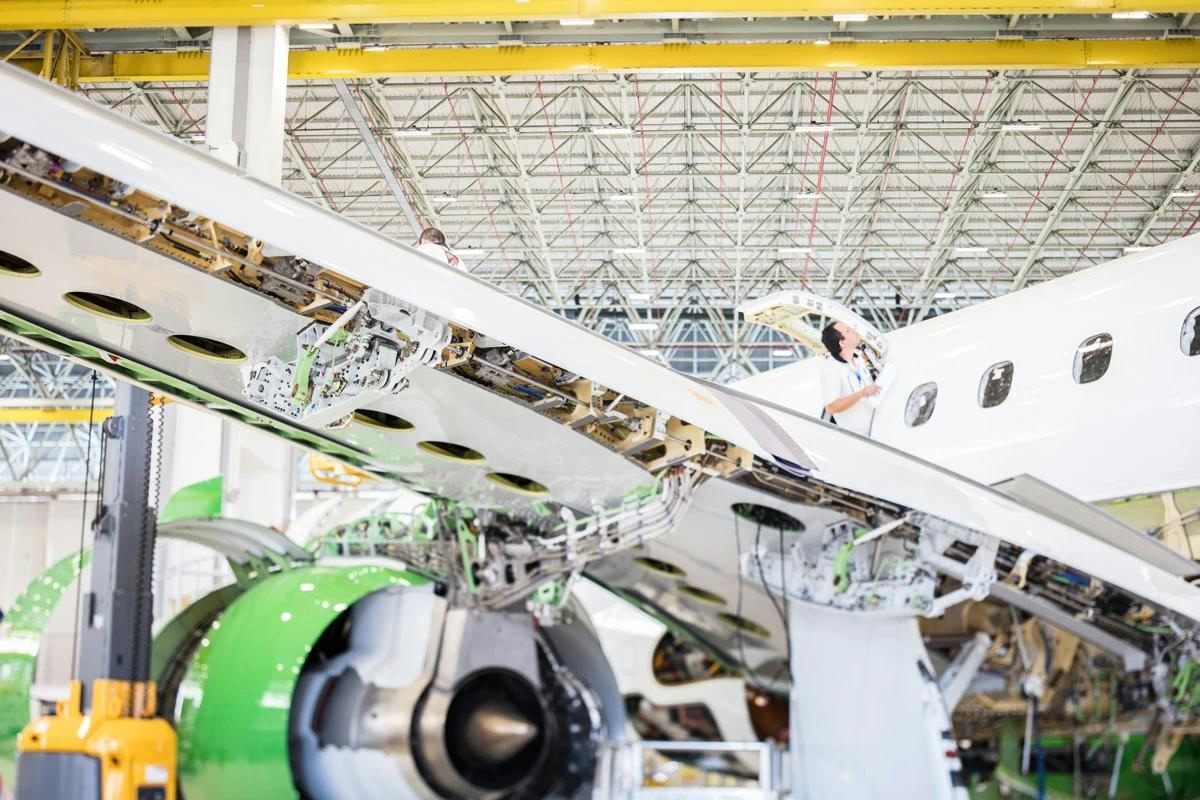
Embraer E195-E2 Features Distinctive Engine Placement Among Regional Jets
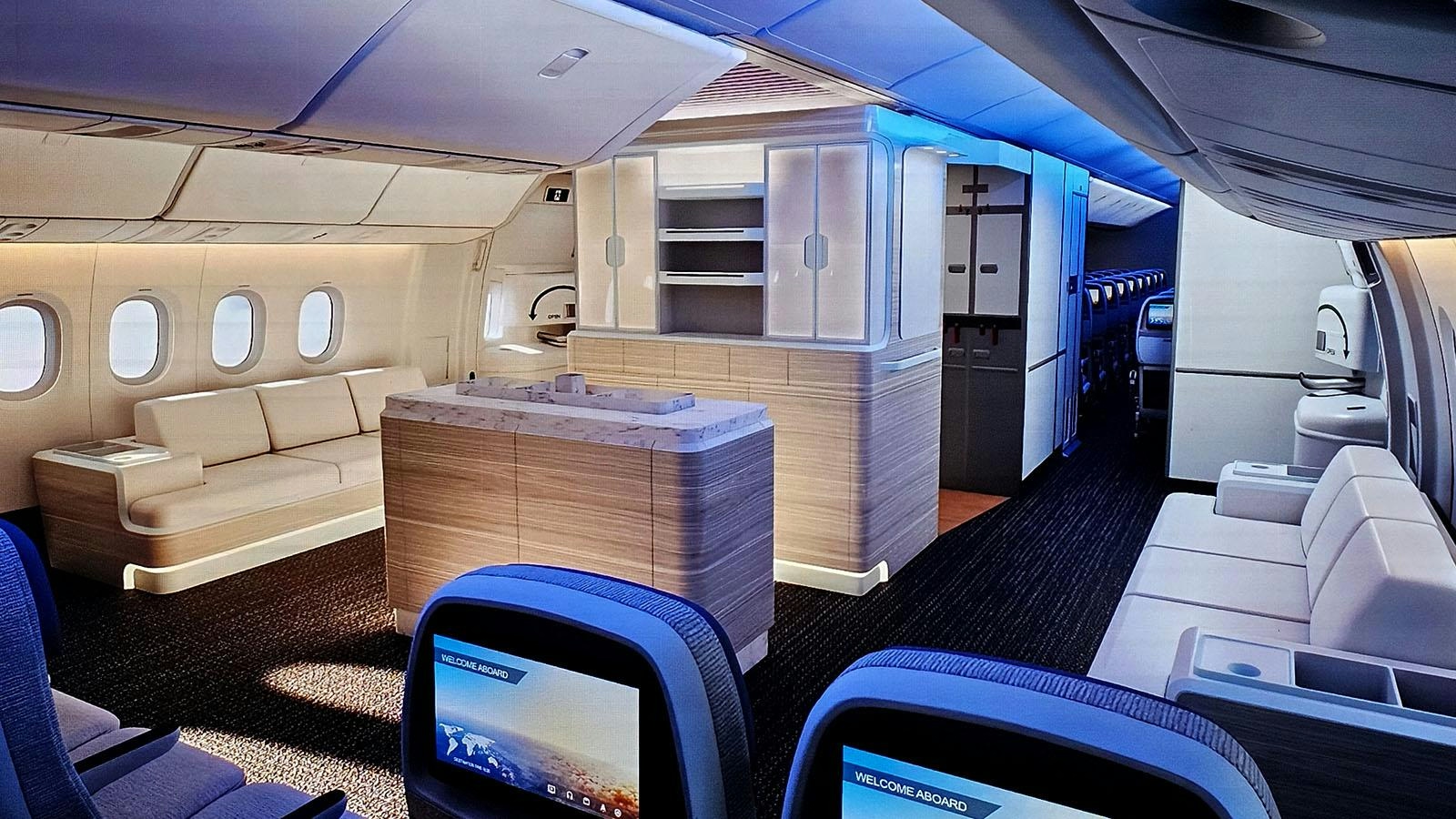
What Passengers Can Expect on Boeing’s New 777X Jet
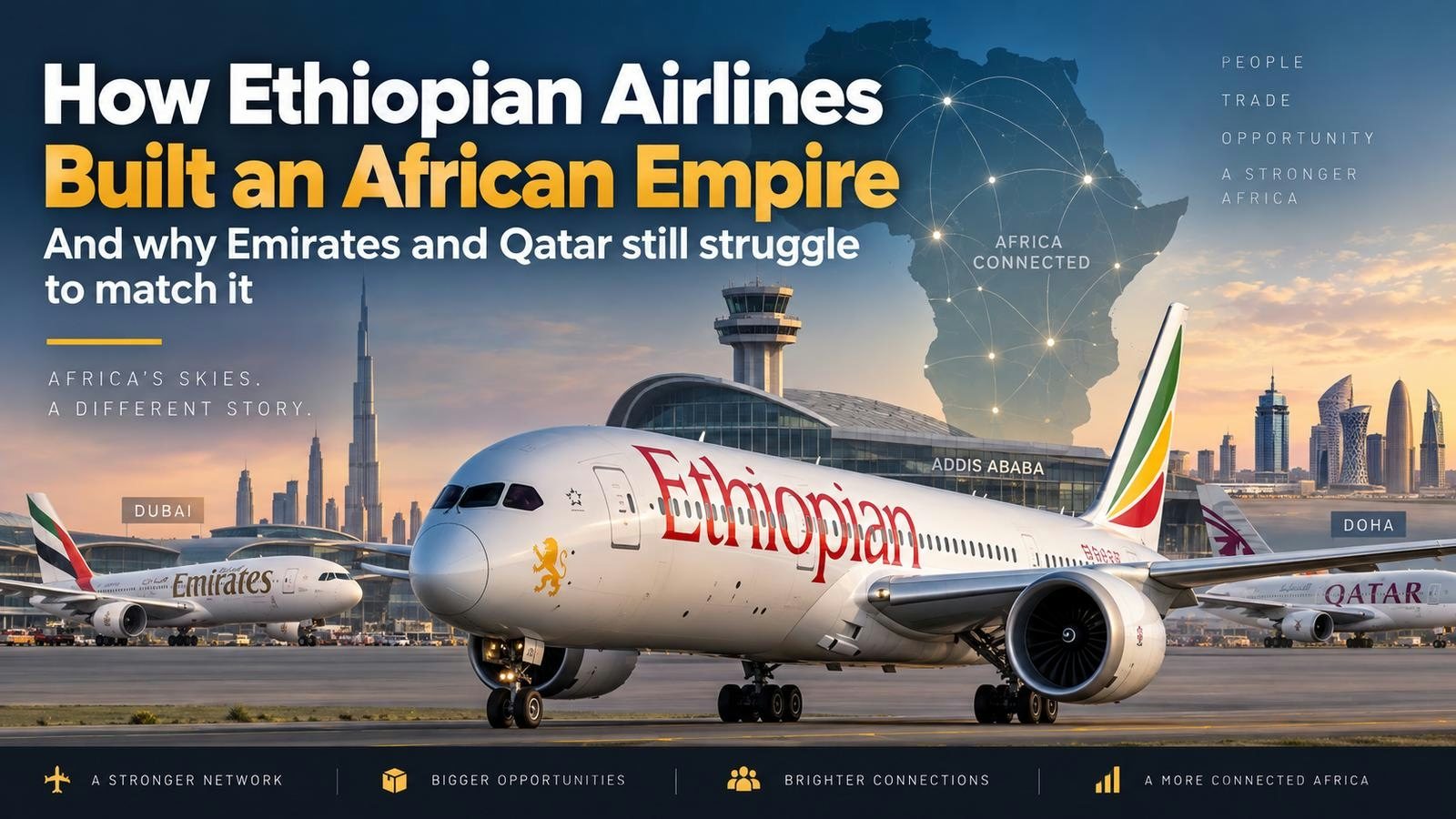
How Ethiopian Airlines Became Africa’s Leading Carrier Amid Gulf Competition

Joby Aviation Extends Autonomous Flight Capabilities with Cross-Country Tour
