
Orquestre insights de IA em ações

Tendências
Categories
KT Highlights Safety in Urban Air Mobility with 5G and AI Traffic Control
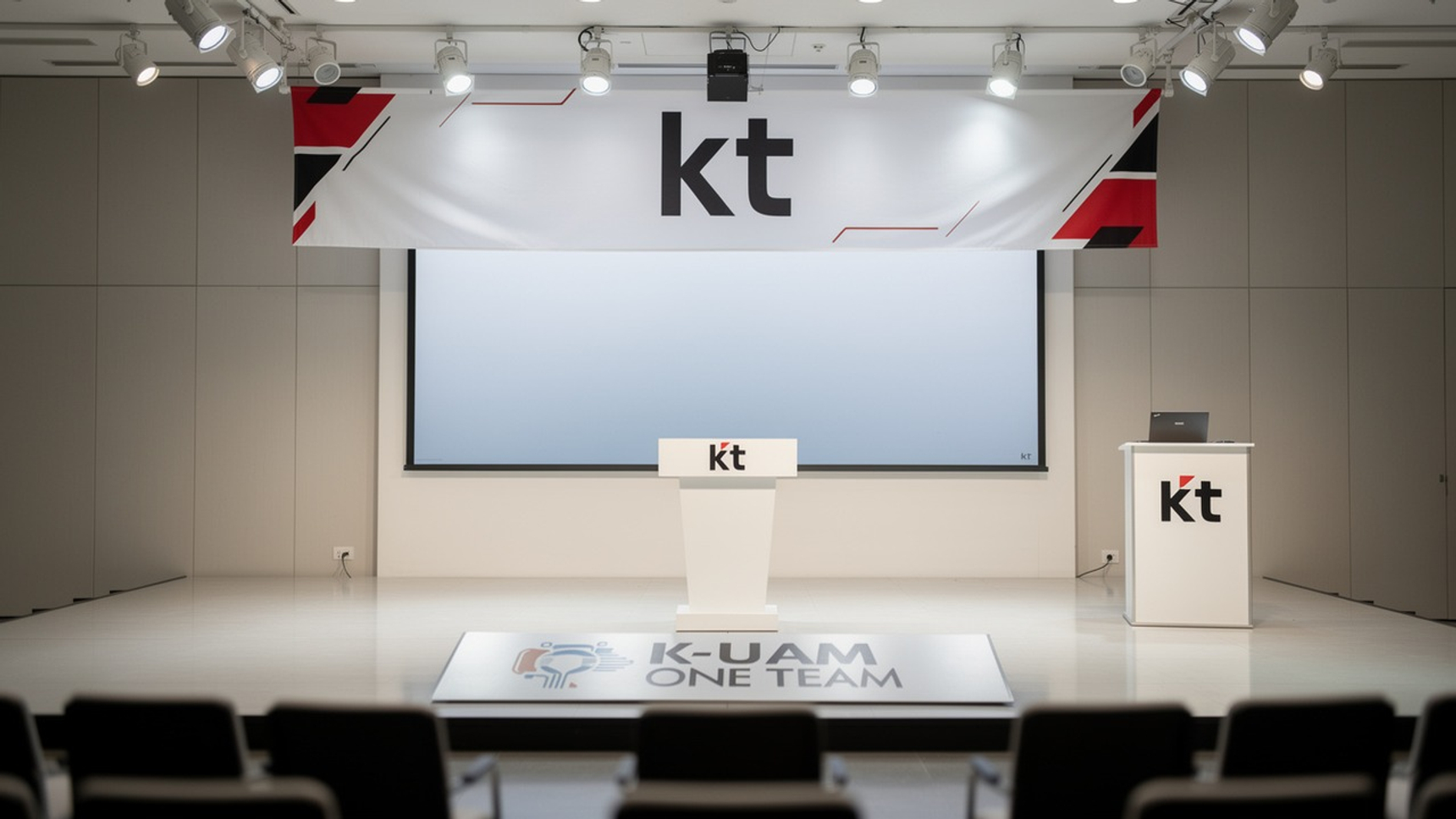
KT Advances Urban Air Mobility Safety with 5G and AI Traffic Management
Introducing an AI-Driven Traffic Control Platform
KT has unveiled a cutting-edge traffic management platform that integrates artificial intelligence (AI) with 5G aviation network technology, marking a significant step toward the commercialization of urban air mobility (UAM) in South Korea. Presented at the 2026 Korea Drone & UAM Expo in Incheon—the nation’s largest drone and UAM exhibition organized by the Ministry of Land, Infrastructure and Transport—this initiative aims to enhance safety by supporting human controllers in managing complex urban airspace where multiple aircraft operate simultaneously.
As a key member of the "K-UAM One Team" consortium, which includes Hyundai Motor, Hyundai Engineering & Construction, Incheon International Airport Corporation, and Korean Air, KT emphasized the necessity of an integrated operational system for UAM. Central to its presentation was the AI-based UAM traffic management AX (AI Transformation) platform, which leverages real-time data analysis through the 5G aviation network to monitor flight paths, communications, and operational metrics. The system is designed to detect anomalies such as route deviations, abnormal flight behavior, and communication disruptions at an early stage.
KT’s approach prioritizes a "Human-in-the-loop" model, wherein AI identifies irregularities and suggests appropriate responses—ranging from emergency procedures to traffic flow adjustments—while human controllers retain ultimate decision-making authority. This balance aims to combine the efficiency of AI with the judgment and oversight of experienced operators.
Enhancing Communication and Network Reliability
In addition to traffic management, KT highlighted foundational communication technologies essential for safe UAM operations. The company employs network slicing to ensure prioritized, high-quality in-flight communication. It has also developed the "SkyPath" antenna to optimize aviation network deployment. To maintain stable connectivity even in areas without terrestrial 5G coverage or when aircraft deviate from planned routes, KT utilizes dual-link technology that combines 5G and satellite communications.
Despite these technological advancements, KT faces considerable challenges in delivering a robust and reliable 5G network capable of supporting real-time data processing and seamless communication. The complexity of managing increasingly dense and dynamic air traffic patterns places significant demands on both AI systems and network infrastructure.
Industry Response and Future Prospects
Market reactions to KT’s initiative have been mixed. While there is optimism regarding the potential for improved safety and operational efficiency, some industry experts remain cautious about the maturity and dependability of 5G and AI technologies in the high-stakes environment of urban air mobility. Competitors may respond by accelerating their own developments in 5G and AI or by leveraging the strengths of their existing infrastructure. Furthermore, regulatory scrutiny and public concerns about safety will likely influence market dynamics and competitive strategies in the coming years.
KT has been steadily building its capabilities through participation in the "K-UAM Grand Challenge" demonstration project, where it validated integrated operational procedures and showcased a 5G-based communication, navigation, and surveillance system. Recently, the company took part in a public UAM demonstration in the Incheon island region, exploring practical applications such as emergency medical services and island transportation.
Won Man-ho, head of KT’s AX Platform Division, underscored the importance of comprehensive verification for UAM systems. He stated, "For UAM to become a trusted mode of transportation, not only the aircraft but also the integrated operational system—including communication networks, traffic management, and information sharing—must be thoroughly verified. With our AI-based traffic management platform and 5G aviation network, we aim to build a safe UAM ecosystem and accelerate commercialization, starting with public services."
At the same expo, Korean Air, another member of the K-UAM One Team, showcased its own technological progress by unveiling "ACROSS," a self-developed next-generation mobility operation and control system, further highlighting the collaborative efforts underway to advance South Korea’s urban air mobility sector.

Etihad and Swissport Extend Global Partnership
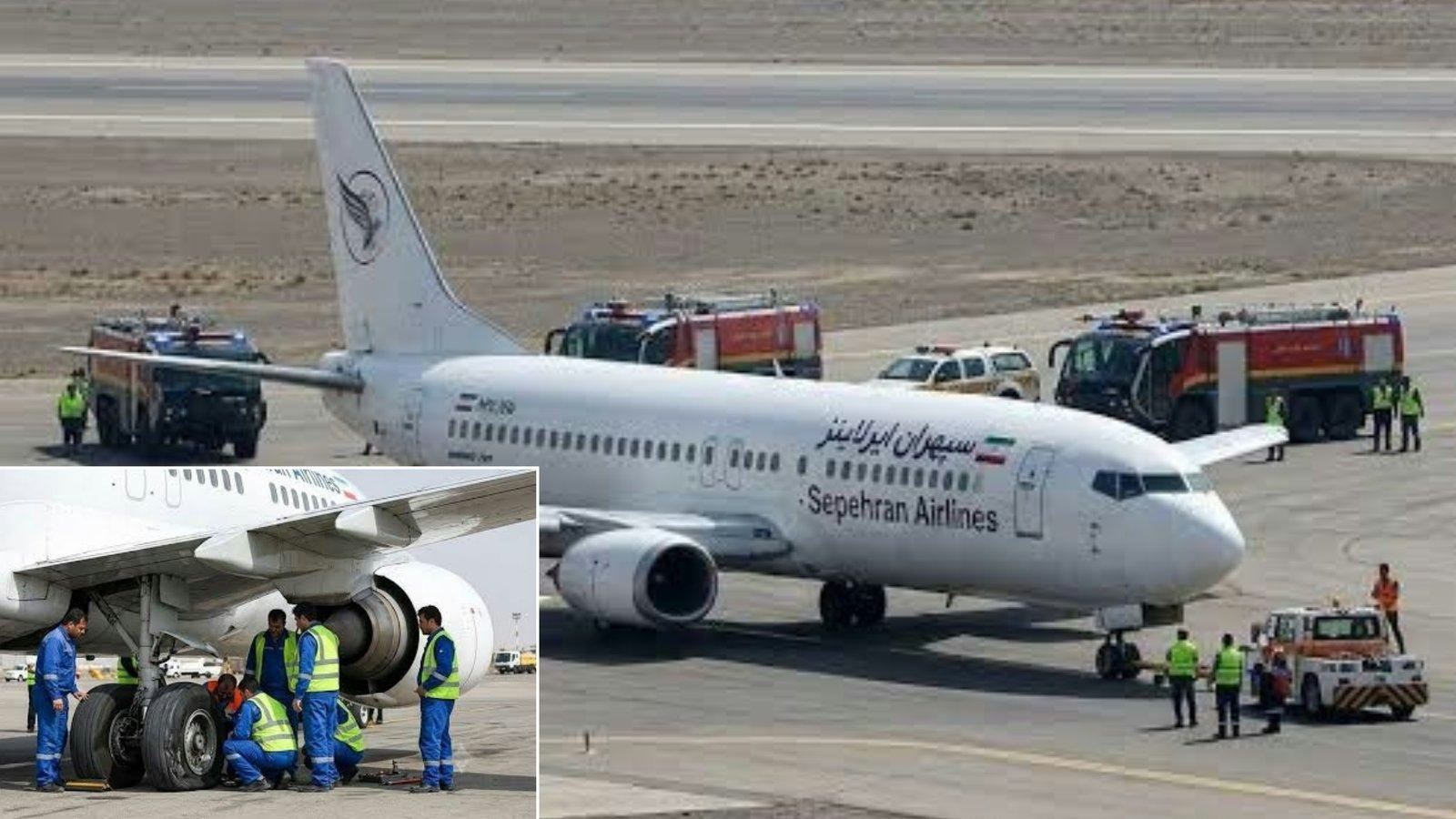
Sepehran Airlines B737 Returns to Mashhad After Tyre and Engine Issues

Etihad Deploys Widebody Fleet to Meet Strong Demand
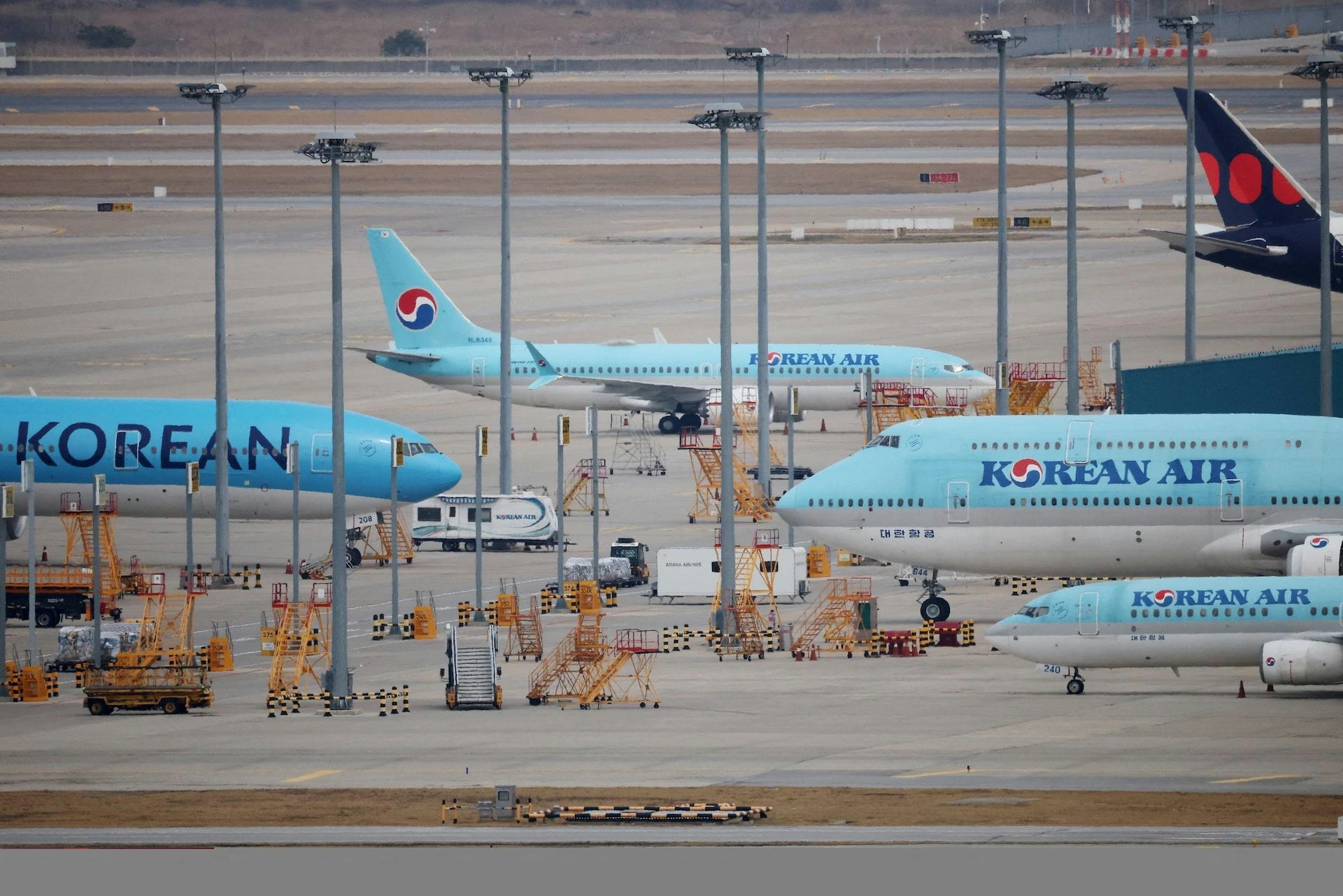
Korean Air Finalizes $36.2 Billion Deal with Boeing
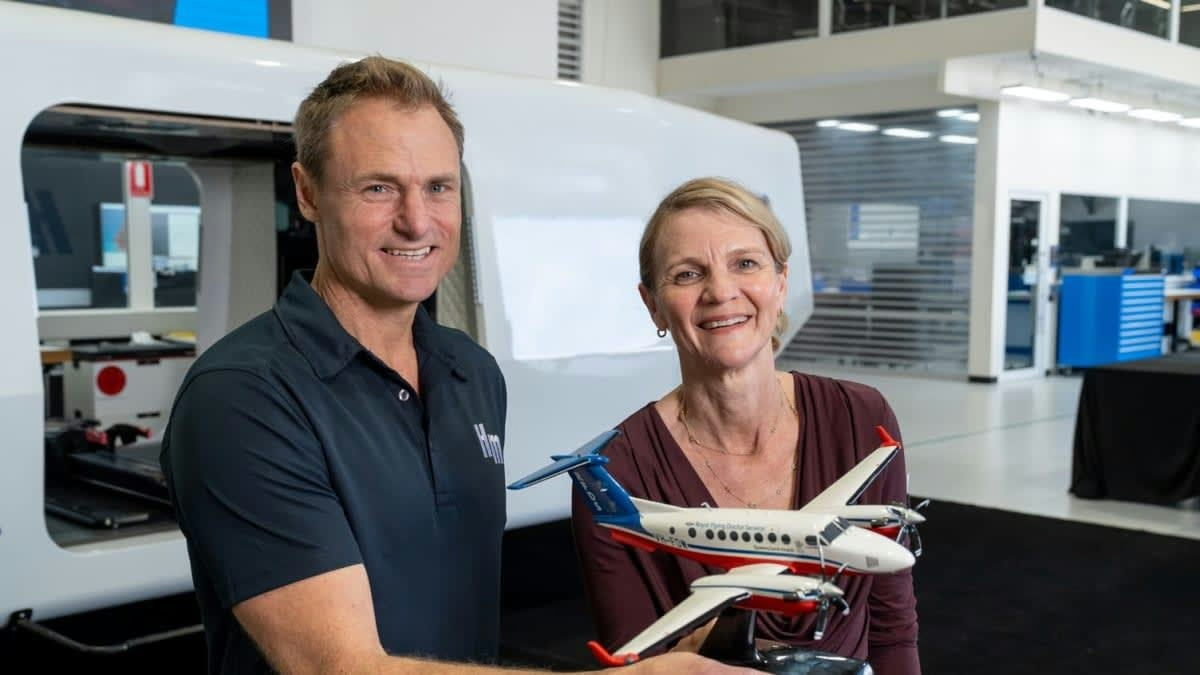
Australia’s RFDS Queensland Section Orders Six King Air 260Cs
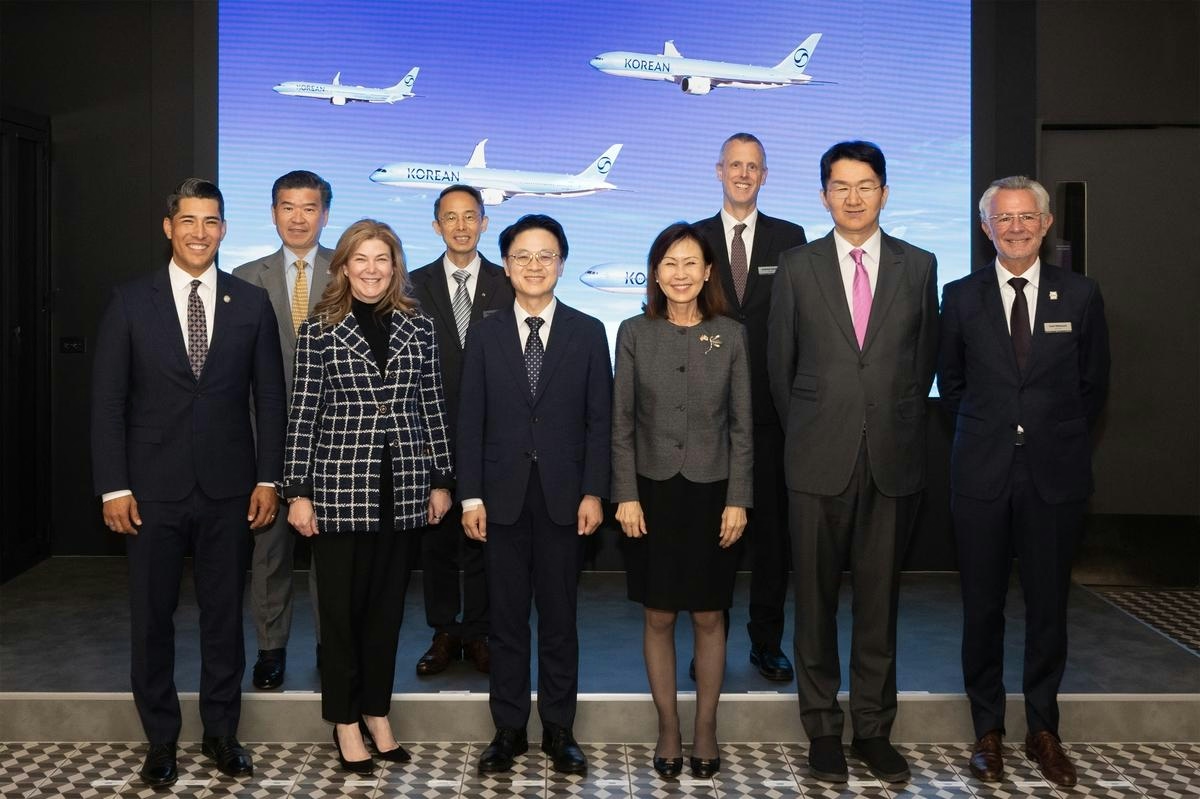
Korean Air Finalizes Order for 103 Boeing Jets and Engines
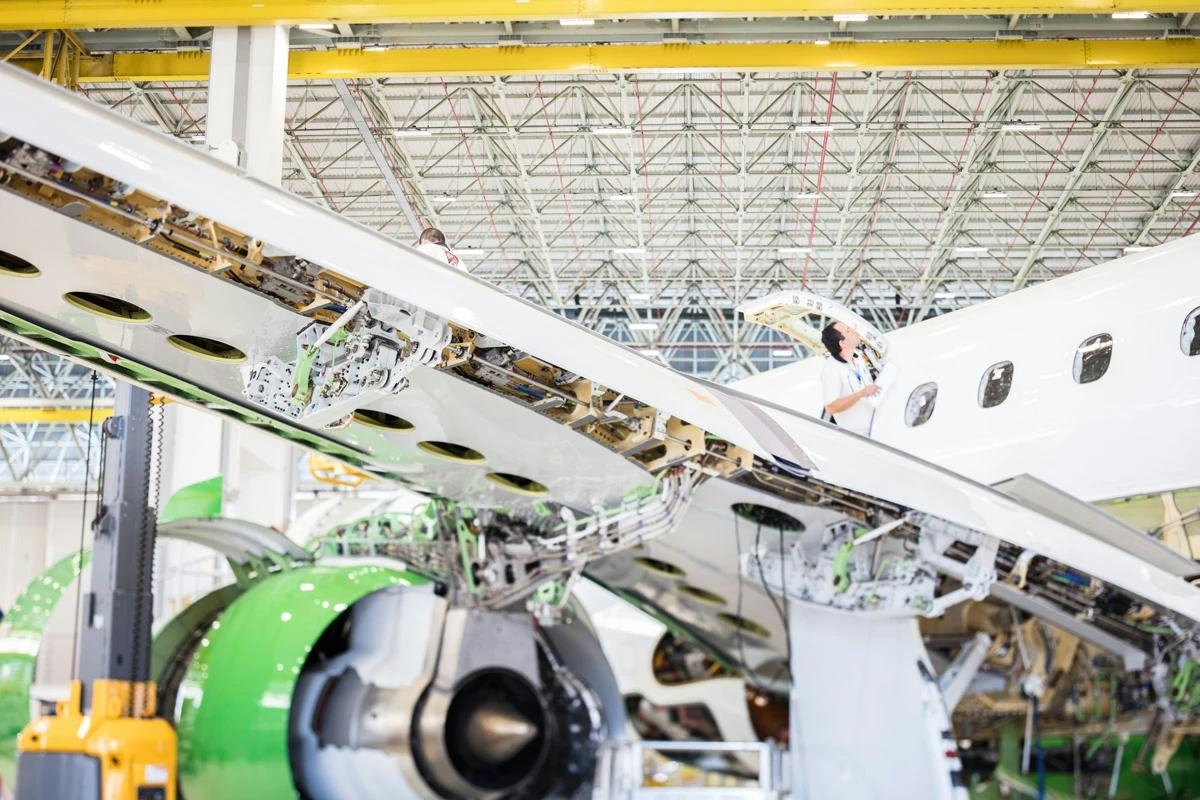
Embraer E195-E2 Features Distinctive Engine Placement Among Regional Jets
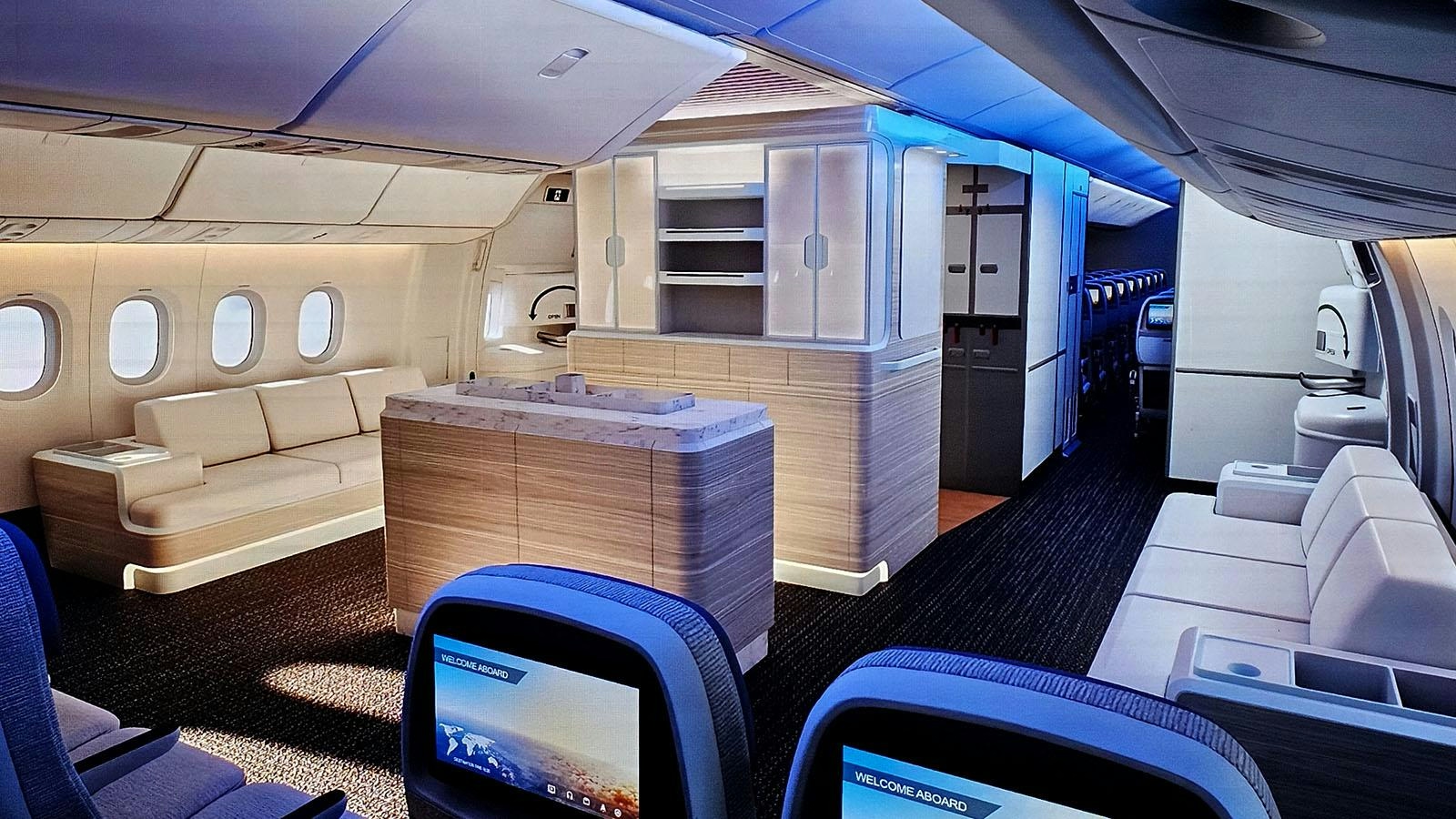
What Passengers Can Expect on Boeing’s New 777X Jet

How Ethiopian Airlines Became Africa’s Leading Carrier Amid Gulf Competition
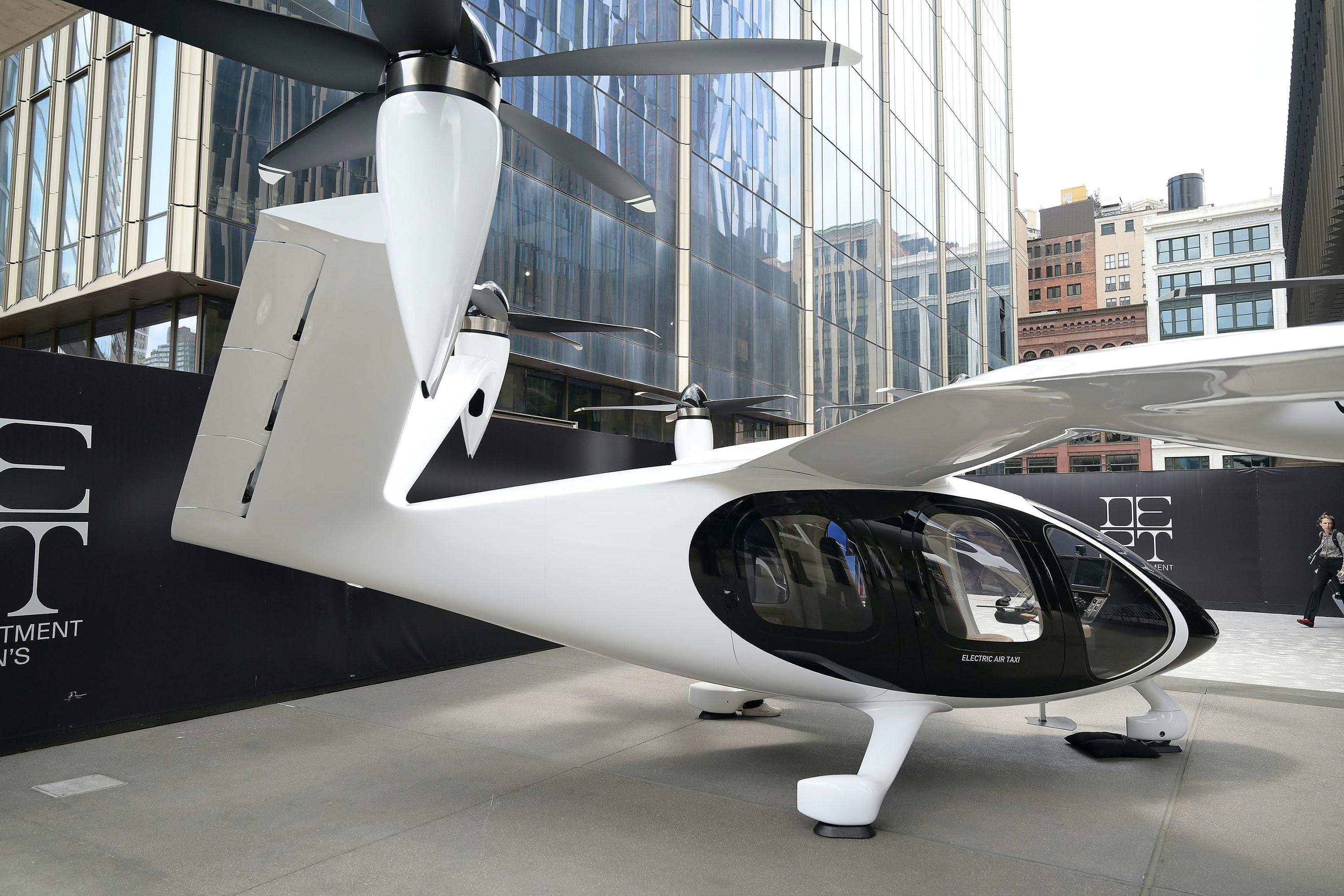
Joby Aviation Extends Autonomous Flight Capabilities with Cross-Country Tour
