
Orquestre insights de IA em ações

Tendências
Categories
Personal Electric Aviation Could Succeed Where Air Taxis Keep Struggling
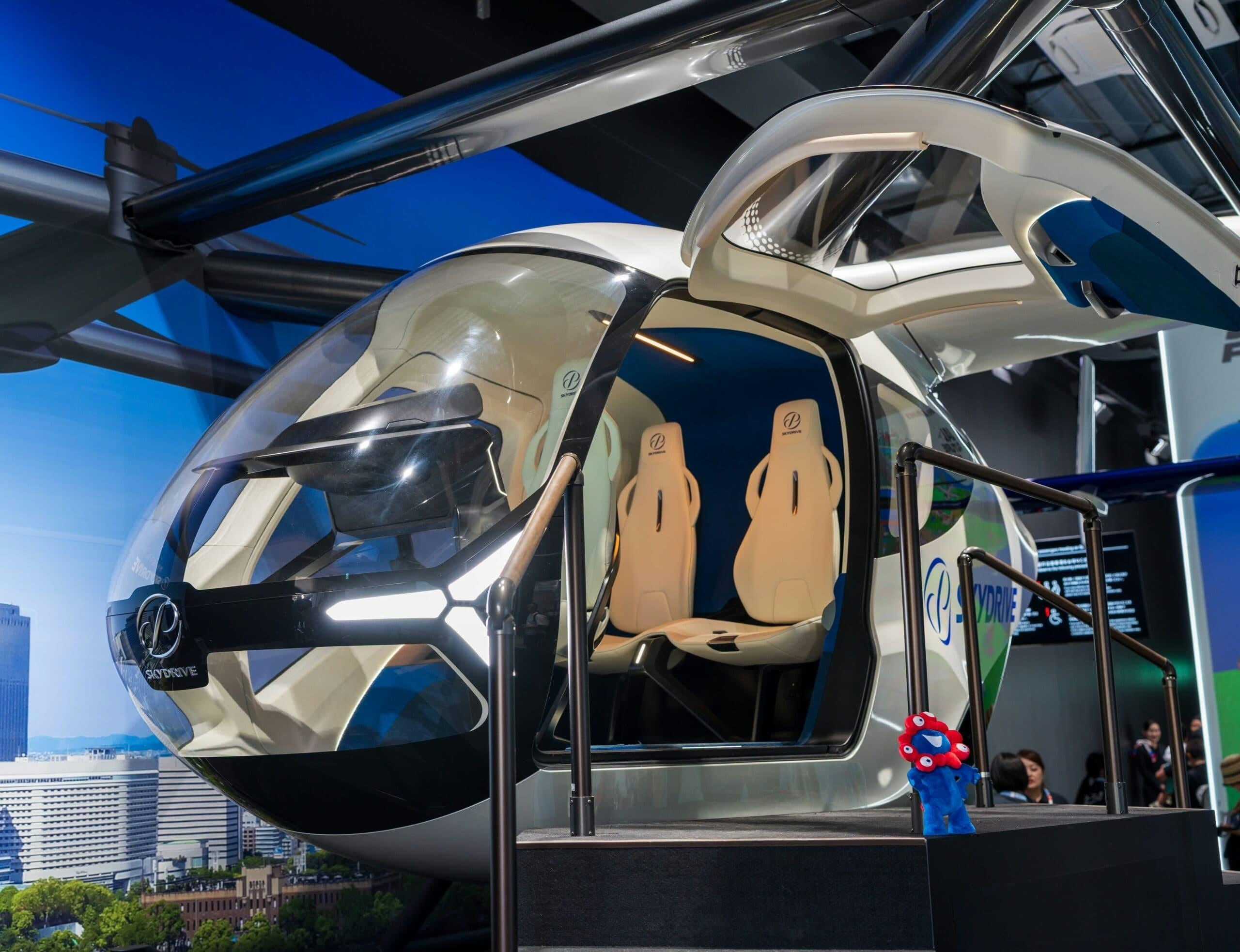
Personal Electric Aviation Could Succeed Where Air Taxis Keep Struggling
The promise of electric aircraft revolutionizing urban transportation has garnered substantial investment and global entrepreneurial interest. However, despite significant enthusiasm, commercial air taxi services continue to encounter formidable challenges, including regulatory delays, infrastructure limitations, and doubts over economic feasibility. While companies such as Joby Aviation and Archer Aviation strive to bring air taxis to market, a less conspicuous segment—personal electric aircraft—may present a more viable path toward widespread adoption of electrified flight.
Challenges Facing Commercial Air Taxis
The development of commercial air taxi operations involves navigating a complex array of obstacles. These services rely heavily on dense networks of vertiports, sophisticated air traffic management systems, and regulatory frameworks that remain largely undeveloped. Although cities like Los Angeles, San Francisco, and Singapore have initiated pilot programs for air taxi partnerships, none have yet achieved sustained, large-scale operations.
Regulatory challenges are particularly significant. Aviation authorities must certify new aircraft types, establish safety protocols tailored to urban environments, and define airspace regulations where residential and commercial zones intersect. The absence of clear guidelines impedes progress and creates uncertainty for operators.
Economic viability also poses a major hurdle. Air taxi companies must maintain high passenger volumes to offset substantial capital and operational expenses. Early estimates suggest fares could range from $5 to $10 per mile, translating to $50 to $100 for a typical 10-mile trip—considerably more expensive than conventional rideshare options. Additional costs related to battery management, maintenance, and pilot training further compress profit margins.
Market responses reflect these difficulties. Joby Aviation has concentrated on manufacturing and urban air taxi development, adhering to a traditional approach despite slow regulatory advancement. Conversely, Archer Aviation has pursued strategic partnerships and acquisitions, including the purchase of Wisk Aero and collaboration with Boeing, aiming to diversify its strategy and accelerate revenue growth.
The Potential of Personal Electric Aircraft
Personal electric aircraft operate under fundamentally different premises. Rather than targeting mass-market transportation, these vehicles appeal to recreational pilots, aviation enthusiasts, and specialized professionals. Owners typically operate from smaller airfields or rural airports, circumventing the need for extensive urban infrastructure and avoiding the bottlenecks that hinder air taxi expansion.
Regulatory pathways for personal aircraft are comparatively well established. Categories such as experimental aircraft, sport pilot licenses, and light-sport aircraft designations provide clear frameworks for certification and operation. Agencies like the Federal Aviation Administration (FAA) have decades of experience overseeing general aviation, enabling electric models to integrate within existing regulatory structures. Moreover, personal owners assume greater responsibility and risk, which reduces the regulatory burden relative to commercial passenger services.
Ongoing Challenges and Industry Outlook
Despite these structural advantages, personal electric aviation faces its own set of challenges. Regulatory scrutiny, safety concerns, and technological limitations—particularly regarding battery range and reliability—remain significant obstacles. Investor interest has been varied, with some backing companies that pivot toward personal aviation while others continue to focus on the air taxi model.
Industry players are responding with strategic adjustments. Archer’s acquisition of Wisk Aero and Boeing’s involvement indicate a willingness to adapt, while Joby remains committed to the long-term potential of urban air taxis.
While commercial air taxis confront a protracted and uncertain path to mainstream adoption, personal electric aircraft may offer a more immediate and practical avenue for electrified flight. Their lower infrastructure requirements, established regulatory frameworks, and appeal to individual owners position them as a promising frontier in the evolving landscape of electric aviation.

Etihad and Swissport Extend Global Partnership
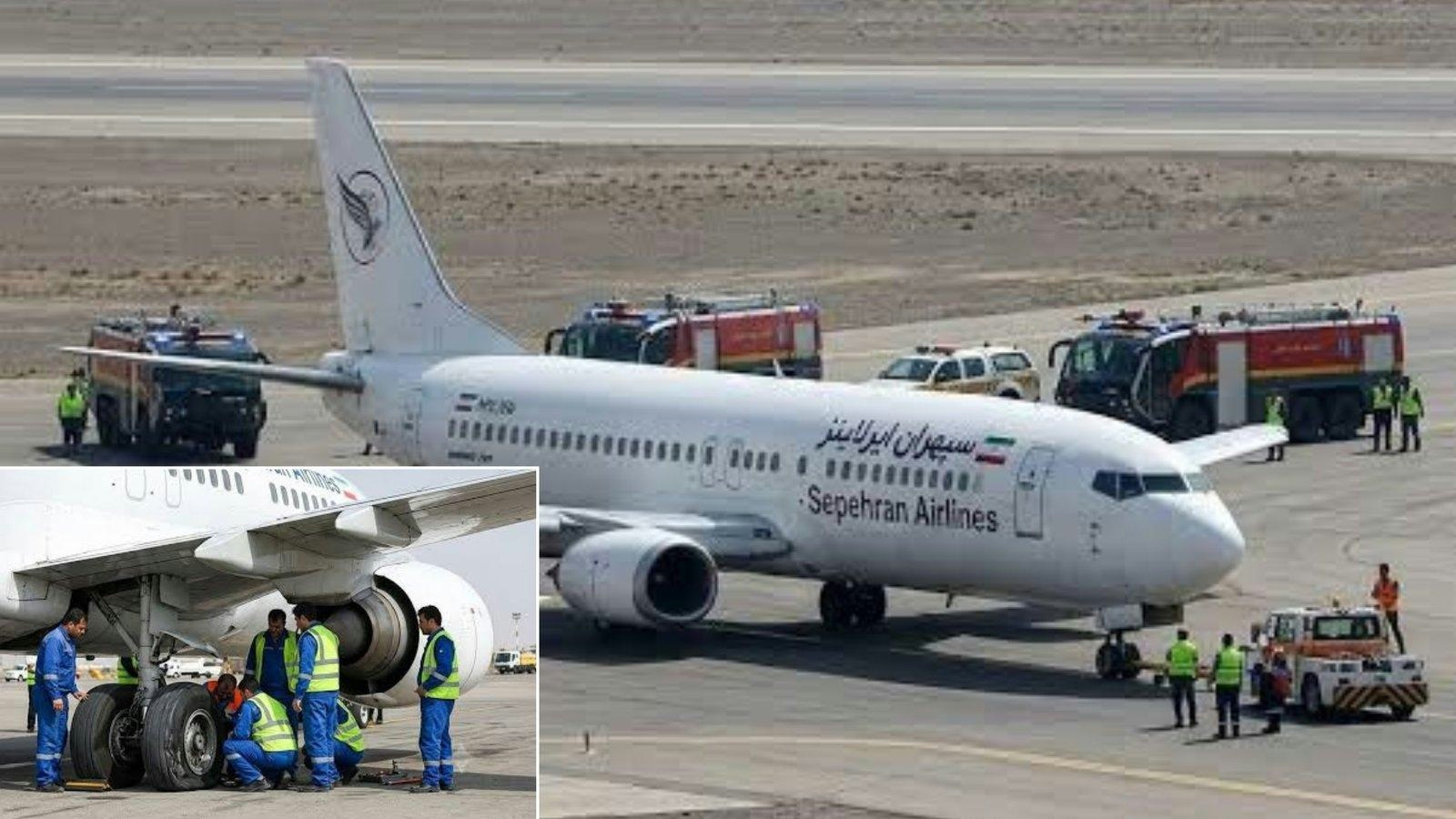
Sepehran Airlines B737 Returns to Mashhad After Tyre and Engine Issues

Etihad Deploys Widebody Fleet to Meet Strong Demand
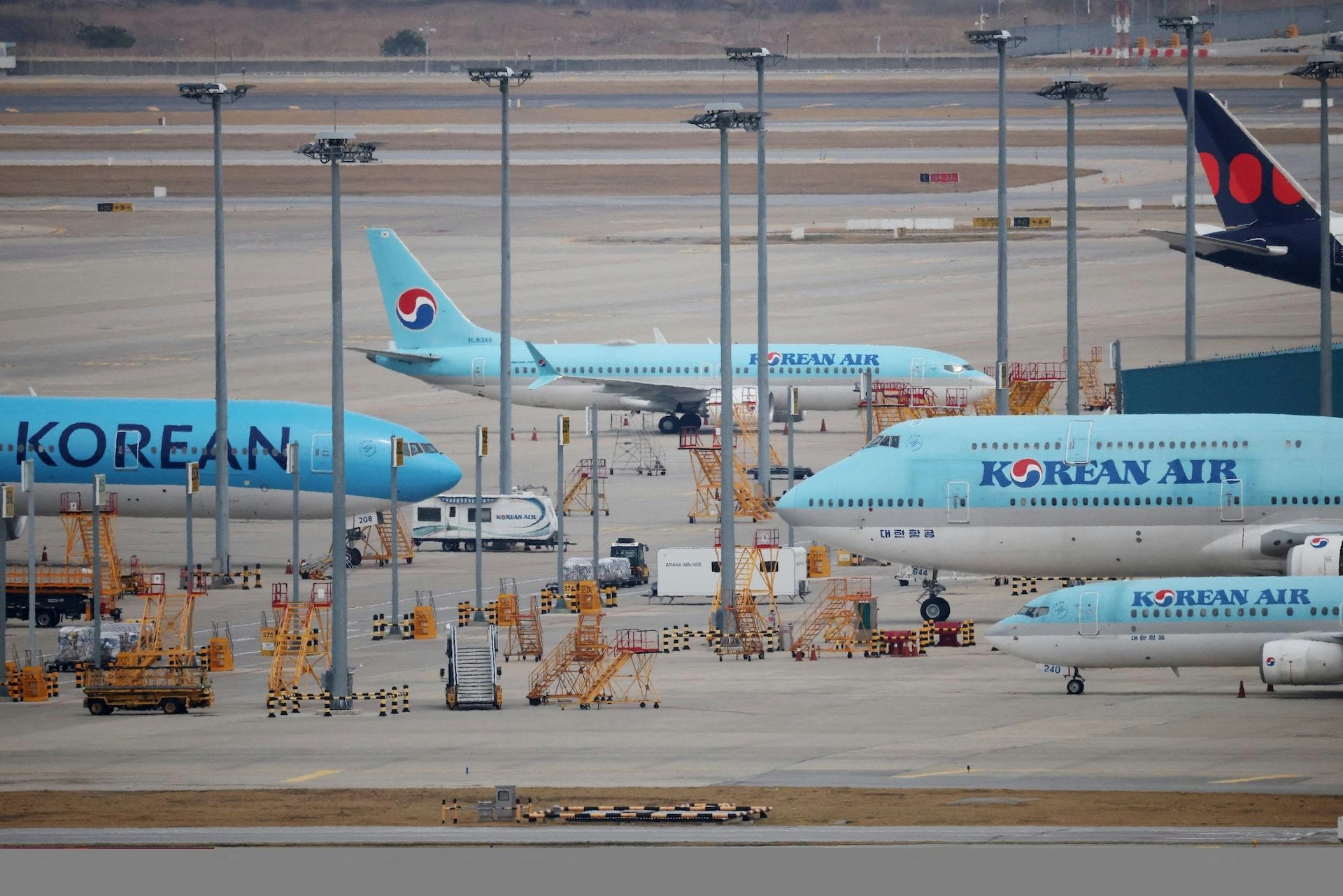
Korean Air Finalizes $36.2 Billion Deal with Boeing
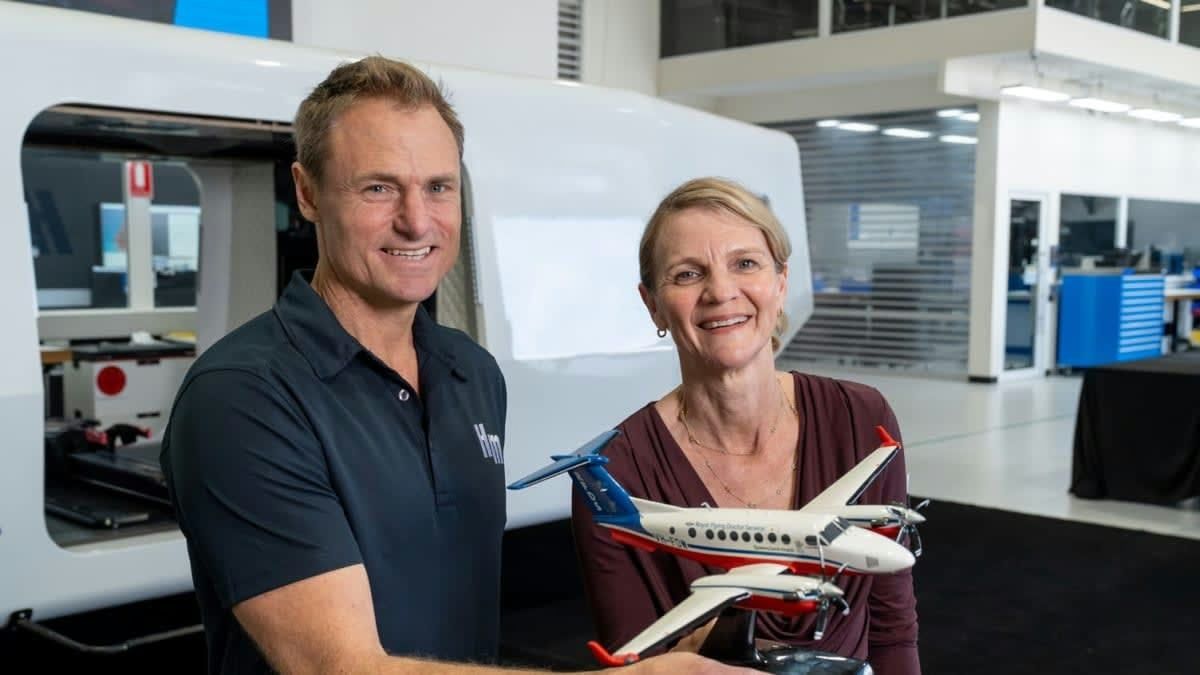
Australia’s RFDS Queensland Section Orders Six King Air 260Cs
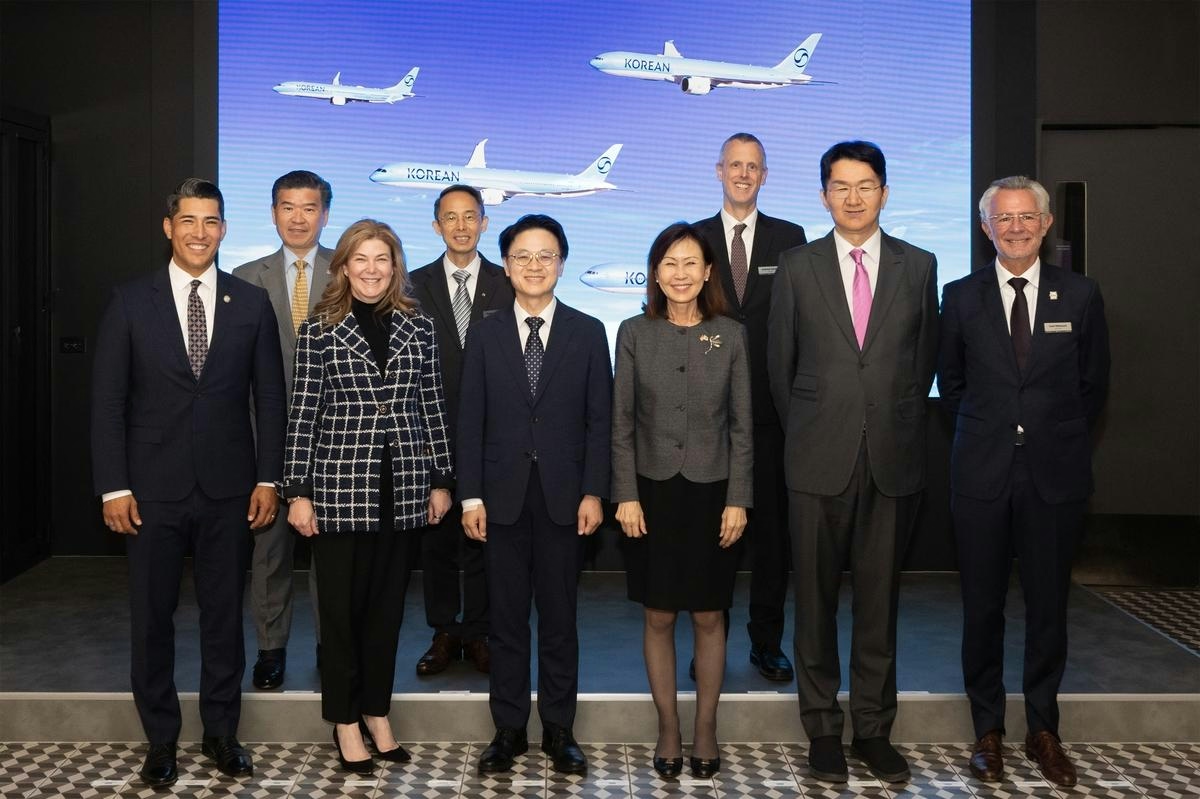
Korean Air Finalizes Order for 103 Boeing Jets and Engines
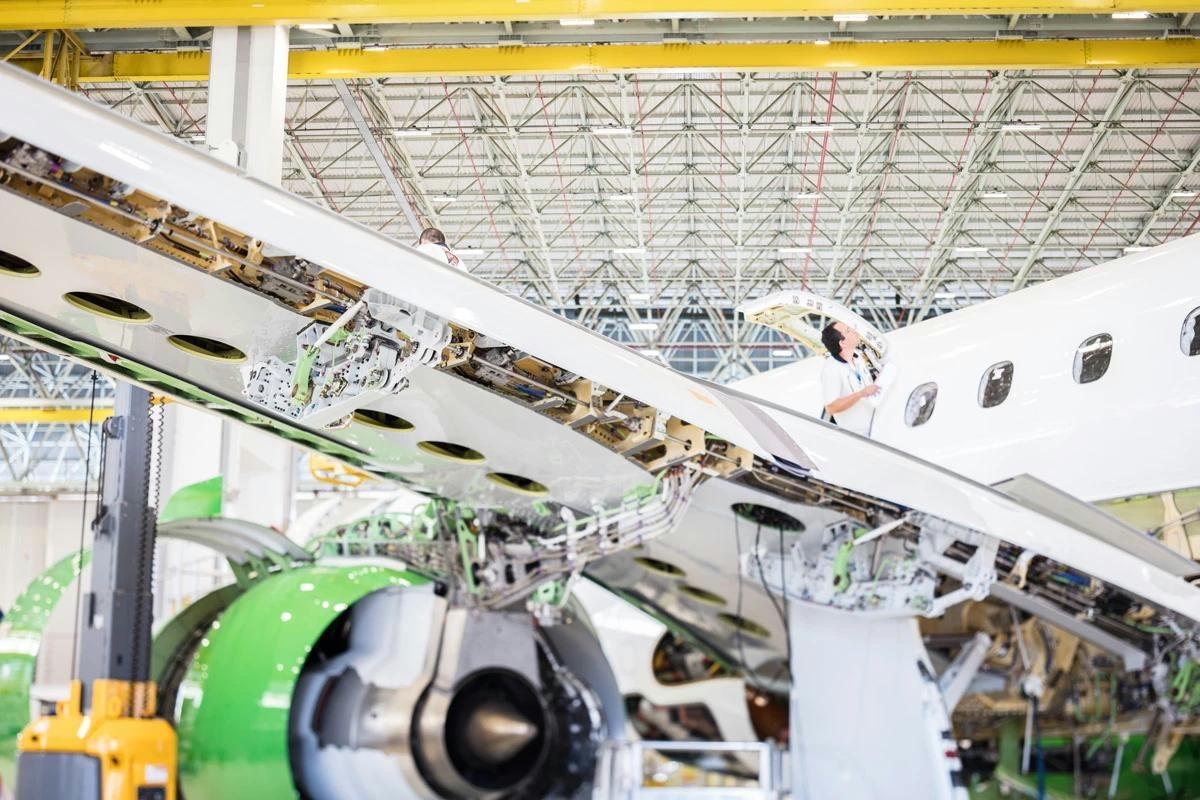
Embraer E195-E2 Features Distinctive Engine Placement Among Regional Jets
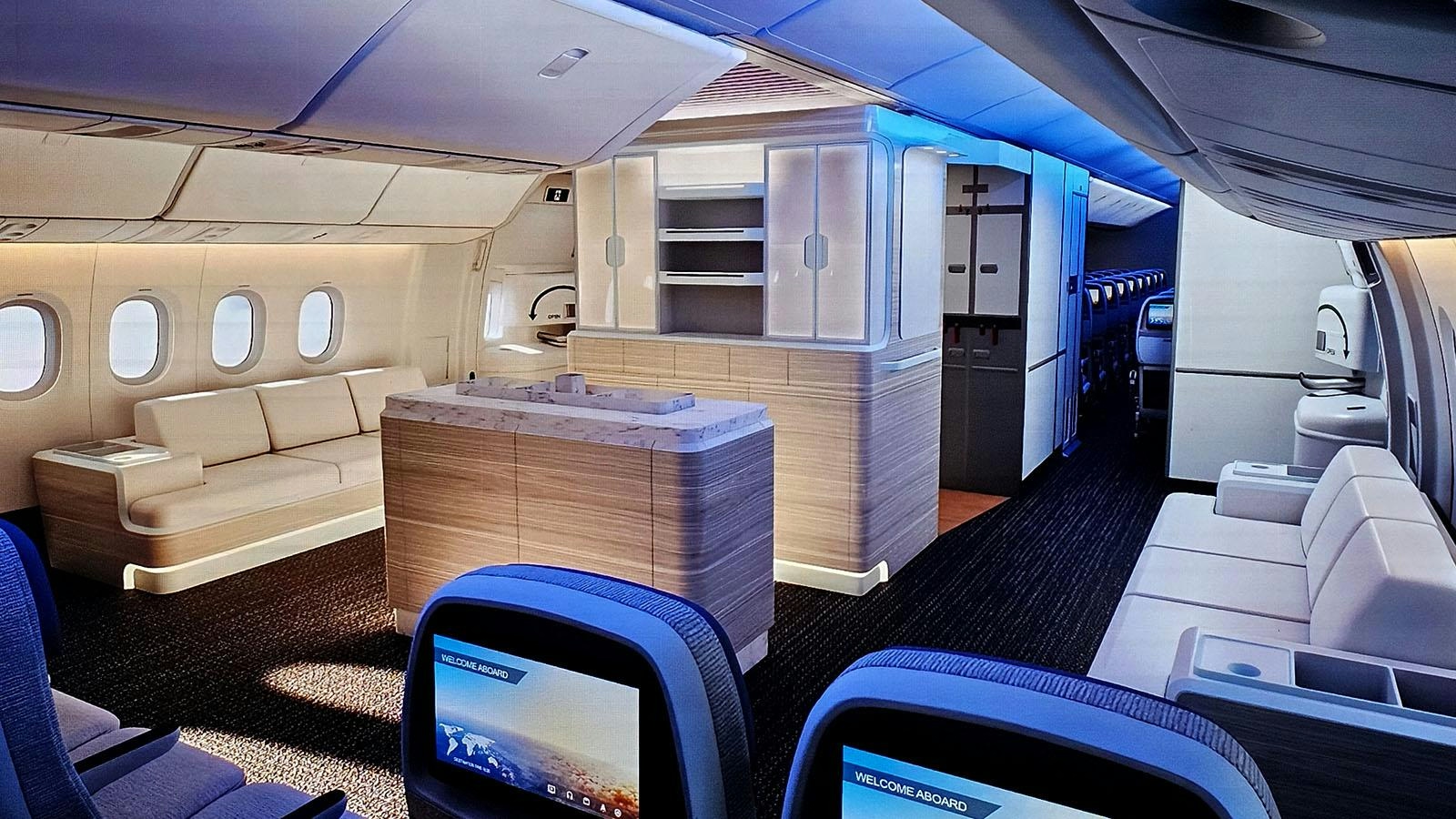
What Passengers Can Expect on Boeing’s New 777X Jet

How Ethiopian Airlines Became Africa’s Leading Carrier Amid Gulf Competition
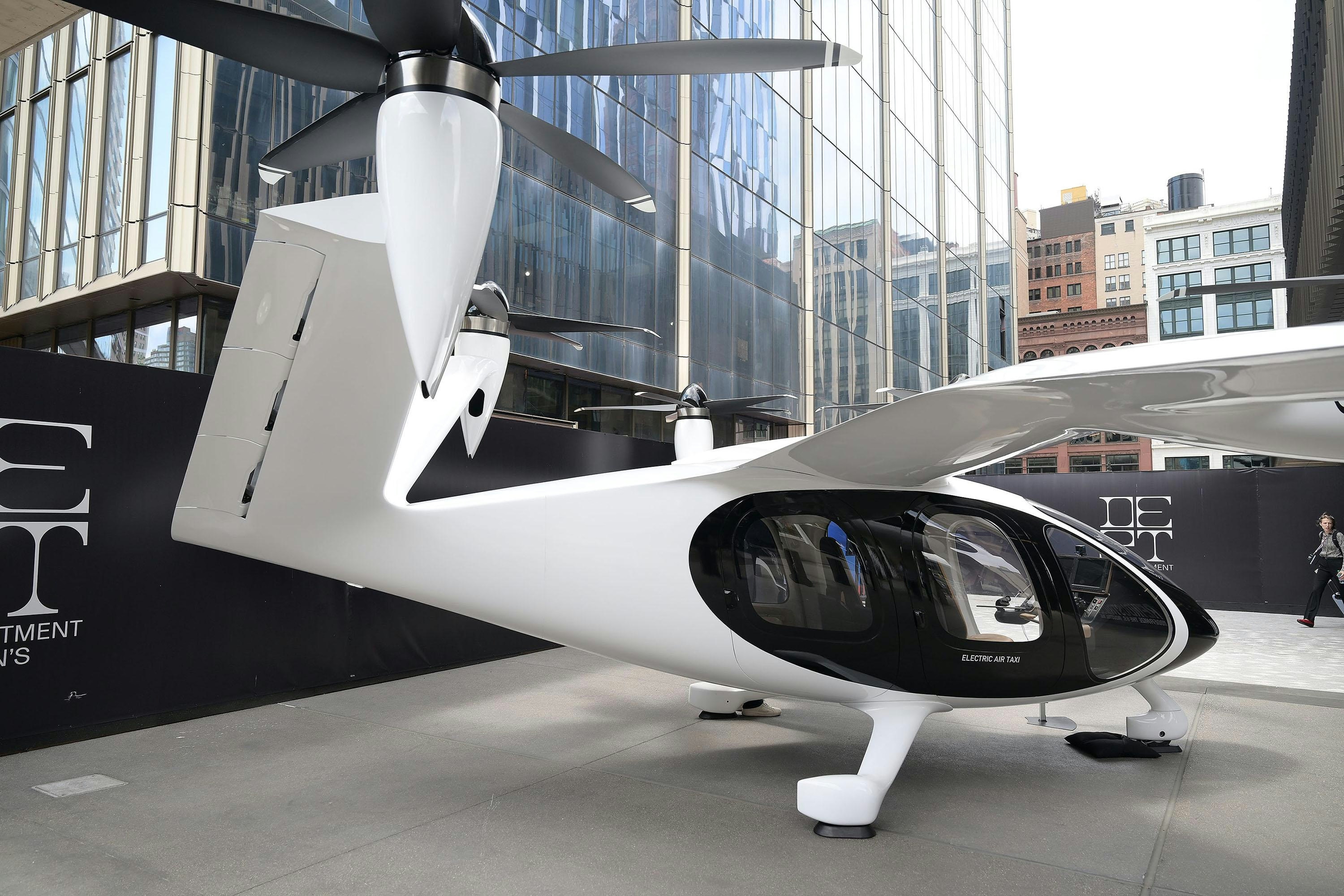
Joby Aviation Extends Autonomous Flight Capabilities with Cross-Country Tour
