
Orquestre insights de IA em ações

Tendências
Categories
Rolls-Royce Upgrades Trent XWB-84 Engine on Airbus A350-900
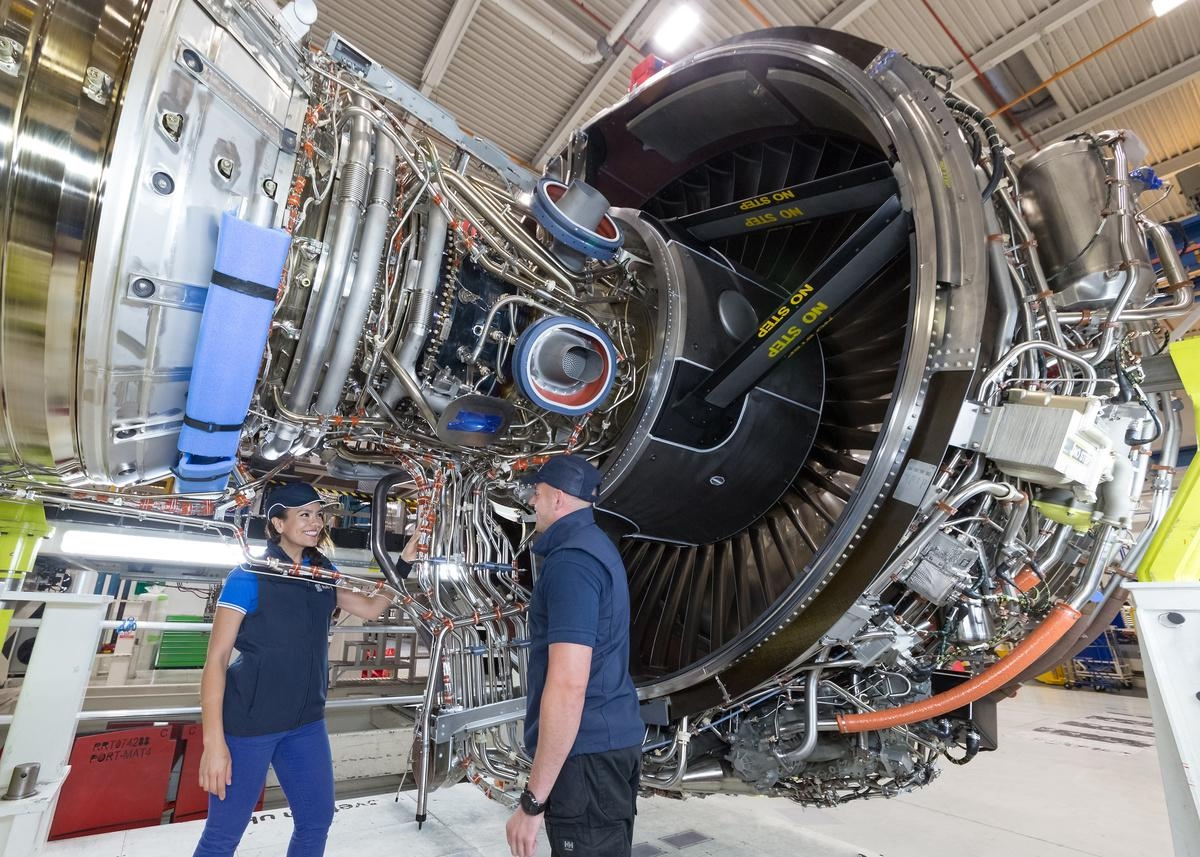
Rolls-Royce Upgrades Trent XWB-84 Engine on Airbus A350-900
Certification and Performance Enhancements
The European Union Aviation Safety Agency (EASA) has officially certified a new variant of the Rolls-Royce Trent XWB-84 engine, specifically designed for the Airbus A350-900. This Enhanced Performance (EP) version represents a notable advancement in fuel efficiency for the widebody aircraft segment. According to Airbus, the upgraded engine achieves a one percent reduction in fuel consumption, a development expected to lower operating costs for airlines while contributing to a reduction in carbon emissions.
Market Context and Industry Response
Rolls-Royce’s introduction of the Trent XWB-84 EP comes amid intensifying competition within the aircraft engine market. Key rivals, including Pratt & Whitney and CFM International, are actively pursuing improvements in fuel efficiency and engine durability to expand their presence in the lucrative widebody aircraft sector. The market response to Rolls-Royce’s upgrade has been positive, exemplified by EgyptAir’s recent order of 12 additional Trent XWB-84 engines to support its fleet expansion plans.
Industry analysts suggest that this move by Rolls-Royce may accelerate similar upgrade initiatives among competitors seeking to preserve or grow their market share. Despite the operational advantages offered by the enhanced engine, Rolls-Royce continues to navigate challenges in the aftermarket domain, particularly related to tariff uncertainties. Encouragingly, recent progress in trade negotiations has alleviated some concerns, with the United States committing to forgo a proposed 10% baseline tariff on UK-manufactured Rolls-Royce engines under a prospective trade agreement.
Strategic Implications for Airlines and Manufacturers
As airlines increasingly emphasize efficiency and sustainability, the certification of the Trent XWB-84 Enhanced Performance variant positions both Rolls-Royce and Airbus to better address evolving industry requirements. This development not only supports airlines’ operational and environmental objectives but also intensifies competition among leading engine manufacturers striving to deliver cutting-edge technology in the widebody aircraft market.

Etihad Airways Suspends Airbus A380 Flights on Key Route

Aditya Birla Group Seeks Approval for Aircraft Leasing in GIFT City

Qatar Airways Highlights Innovation and Connectivity at Arabian Travel Market 2026

Hong Kong's Five-Year Plan Includes Andrew Fan's Aircraft Parts Processing Hub Proposal

ACIA Aero Leasing Delivers ATR72-600 to Air Nostrum

RTX Appoints Jill Albertelli as Head of Pratt & Whitney

TAT Technologies Joins Beyond Aero Hydrogen Aircraft Program

AURAK Study Highlights Barriers to Air Taxi Adoption in Emerging Economies

Xiamen Air Selects Altitude for 787 Maintenance at Heathrow

Etihad and Swissport Extend Global Partnership
