
Orquestre insights de IA em ações

Tendências
Categories
Roundtable: Evolution of Business Jet Interiors from 2000 to 2050
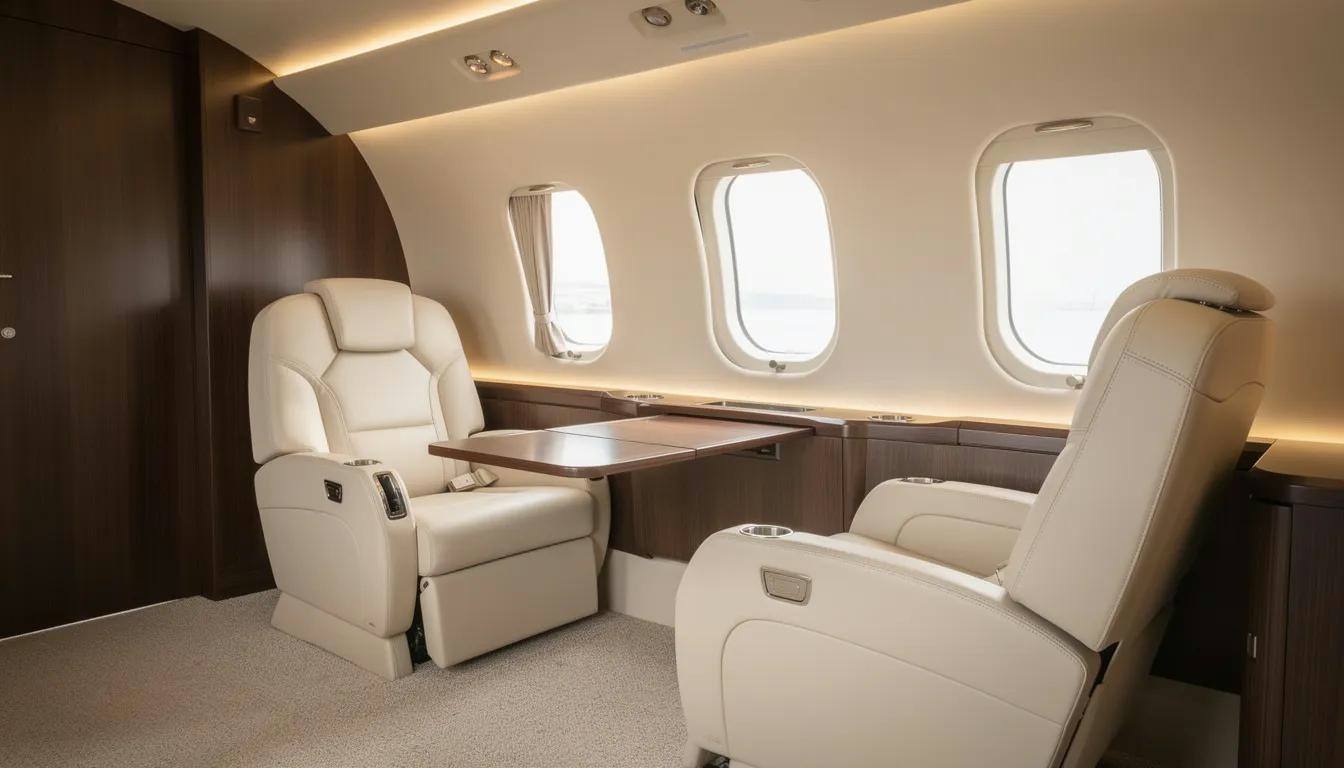
Roundtable: Evolution of Business Jet Interiors from 2000 to 2050
As the Aircraft Interiors Expo (AIX) celebrates its 25th edition with the launch of the BizJet Interiors Zone, industry leaders have taken the opportunity to reflect on the significant transformation of business jet interiors over the past 25 years and to anticipate future developments. In a virtual roundtable hosted by AIX in collaboration with Business Jet Interiors International, experts from various sectors of the industry convened to explore the innovations, challenges, and emerging trends that are shaping the future of business aviation.
Innovations and Sustainability in Business Jet Interiors
The discussion, moderated by Izzy Kington, editor of Business Jet Interiors International, featured insights from Colin Carter, CEO of CineSend; Kevin Kucel, director of aircraft sales at Townsend Leather; Lauren Kenealy, marketing director at Tapis; and Eric Hoegen, director of group sales at AMAC Aerospace. Their conversation covered a broad spectrum of topics, including technological progress, material innovation, sustainability, and evolving customer expectations.
A prominent theme was the increasing emphasis on sustainable materials and technologies amid growing industry pressure to reduce carbon emissions. The panel observed a clear market shift toward eco-friendly designs, exemplified by the emergence of hydrogen-electric business aircraft such as those developed by Beyond Aero. This trend is driving suppliers and manufacturers to innovate with new materials and production methods that harmonize luxury with environmental responsibility.
The competitive landscape is also evolving, with companies like Dassault advancing the integration of luxury and cutting-edge technology, as demonstrated by the introduction of its largest business jet, the Falcon 10X. Panelists highlighted how improvements in connectivity, inflight entertainment (IFE), and cabin management systems (CMS) are transforming the passenger experience. Furthermore, artificial intelligence is anticipated to play an increasingly significant role in personalizing and optimizing onboard services.
Challenges and Future Outlook
Despite these advancements, the evolution of business jet interiors presents several challenges. The panel discussed the complexities involved in incorporating new technologies and materials into aircraft completion processes while adhering to rigorous safety and regulatory standards. Additionally, geopolitical uncertainties, such as the ongoing conflict in Iran, pose operational risks that may influence travel patterns and necessitate enhanced safety protocols.
Looking toward 2050, the experts concurred that societal and technological changes will continue to drive the industry’s development. Future business jet customers are expected to demand not only enhanced comfort and connectivity but also a clear commitment to sustainability and innovation.
The next Aircraft Interiors Expo is scheduled to take place at the Hamburg Messe, Germany, from 14 to 16 April 2026. It will be co-located with the World Travel Catering & Onboard Services Expo (WTCE) and will follow the Passenger Experience Conference (PEC). Further details are available on the event’s official website.

Spain and Poland Agree on €5.4 Billion Framework for Airbus A330 MRTT Tanker Aircraft
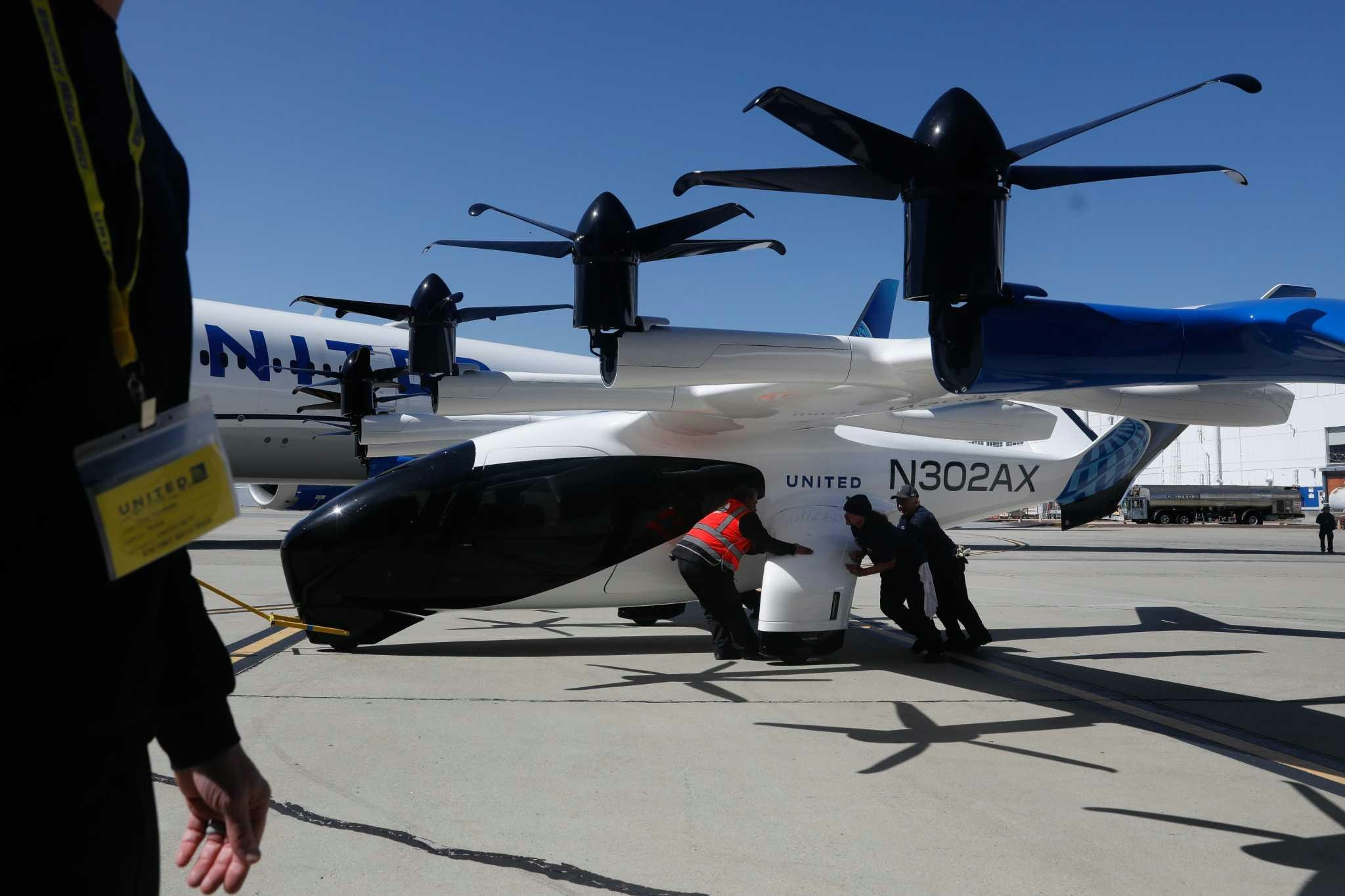
California’s Housing Crisis and the Future of L.A. Live Air Taxis
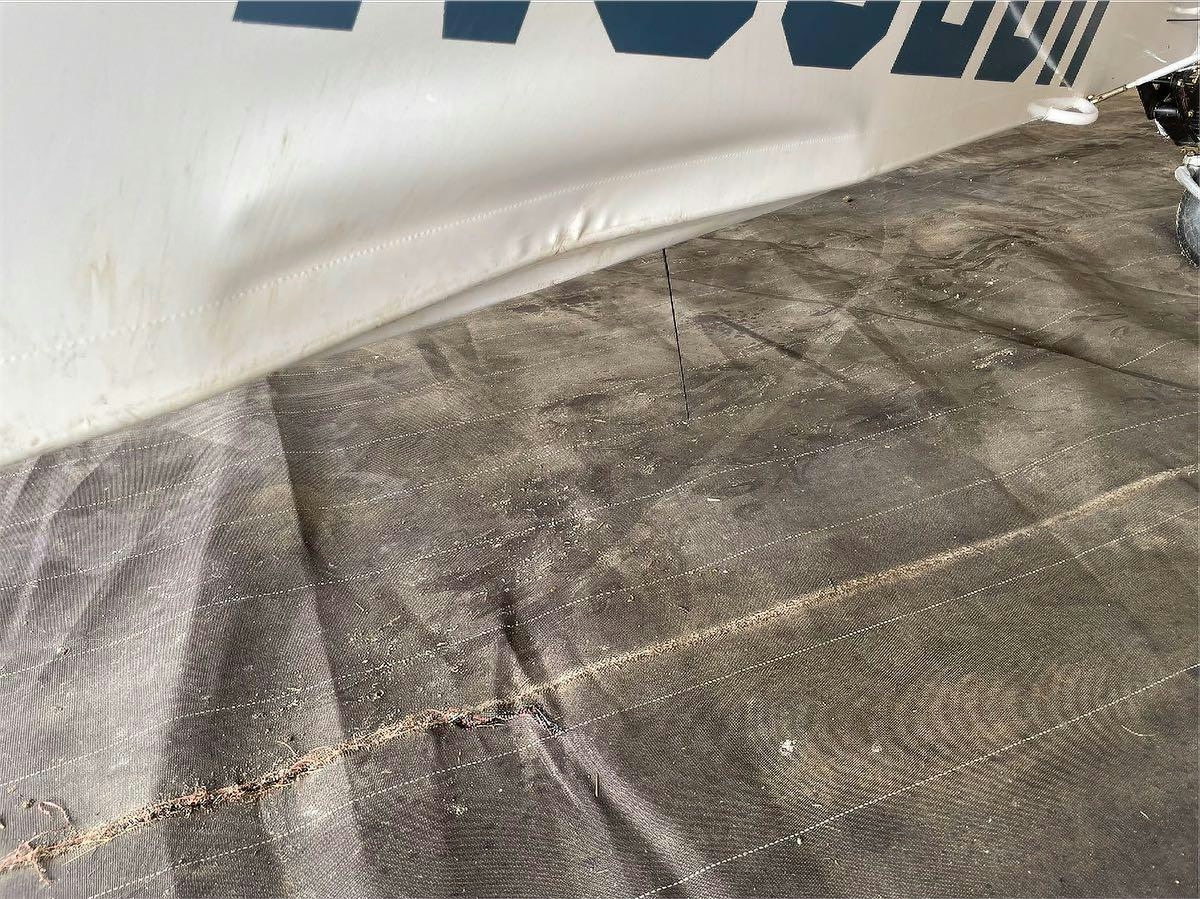
Bearhawk Crash Linked to Coolant Leak and Unstable Approach
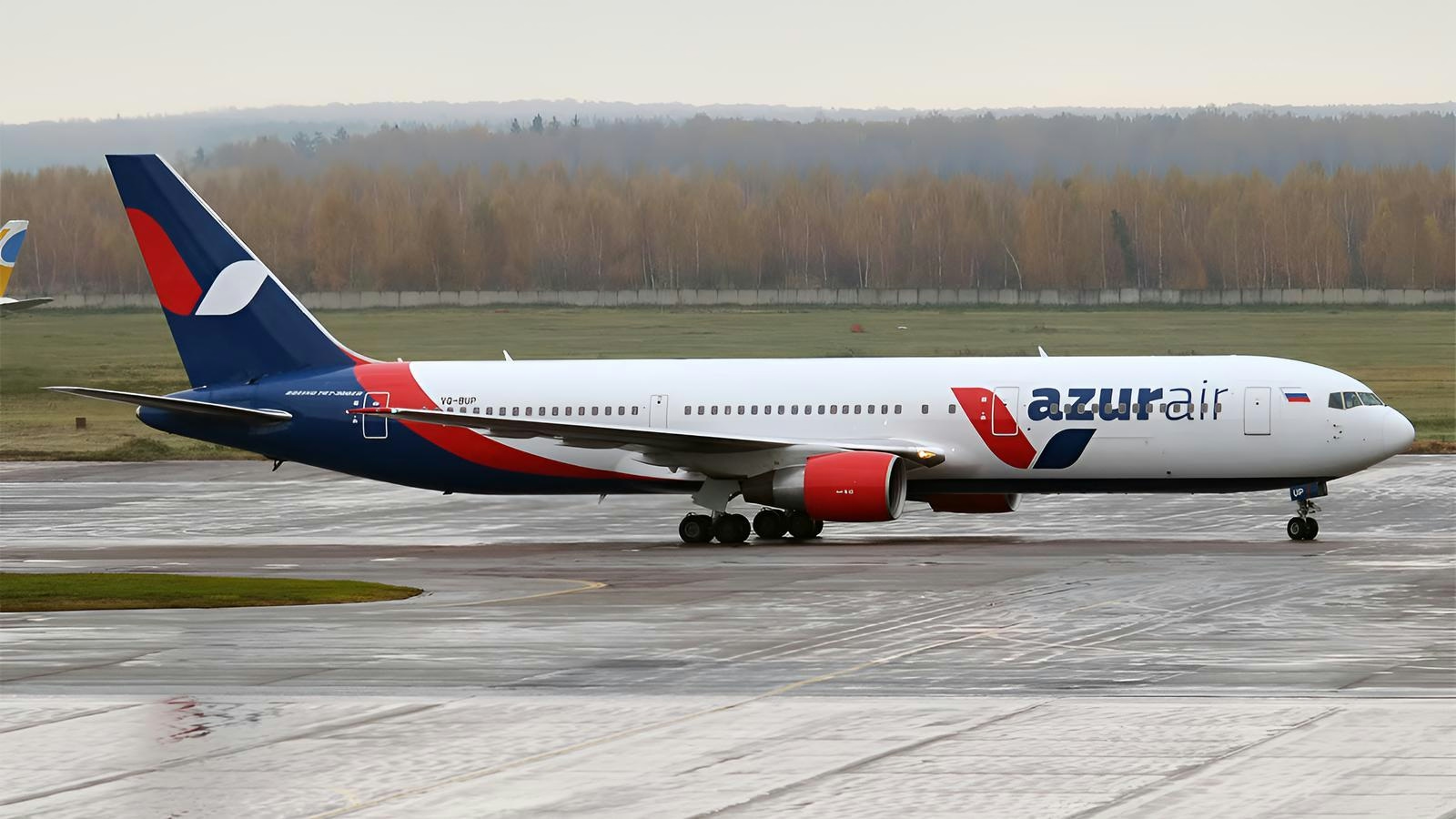
AZUR Air Approved to Repair Boeing 767 CF6-80C2 and PW4000-94 Engines

Temasek Backs Singapore Airlines’ AI Initiatives, Cautions on Timeline
This Week in Aviation: New Routes and Industry Updates
Airbus Navigates Labor Tensions Amid Strong 2026 Orders and Deliveries
How AI Is Changing the Passenger Experience in America
FAA Issues Emergency Directive for 957 Lycoming Engines Over Cracked Piston Pins
Duncan Aviation Tests Gogo 5G on Citation Excel
