
Orquestre insights de IA em ações

Tendências
Categories
SAS Flight 751 Emergency Landing Near Gottröra
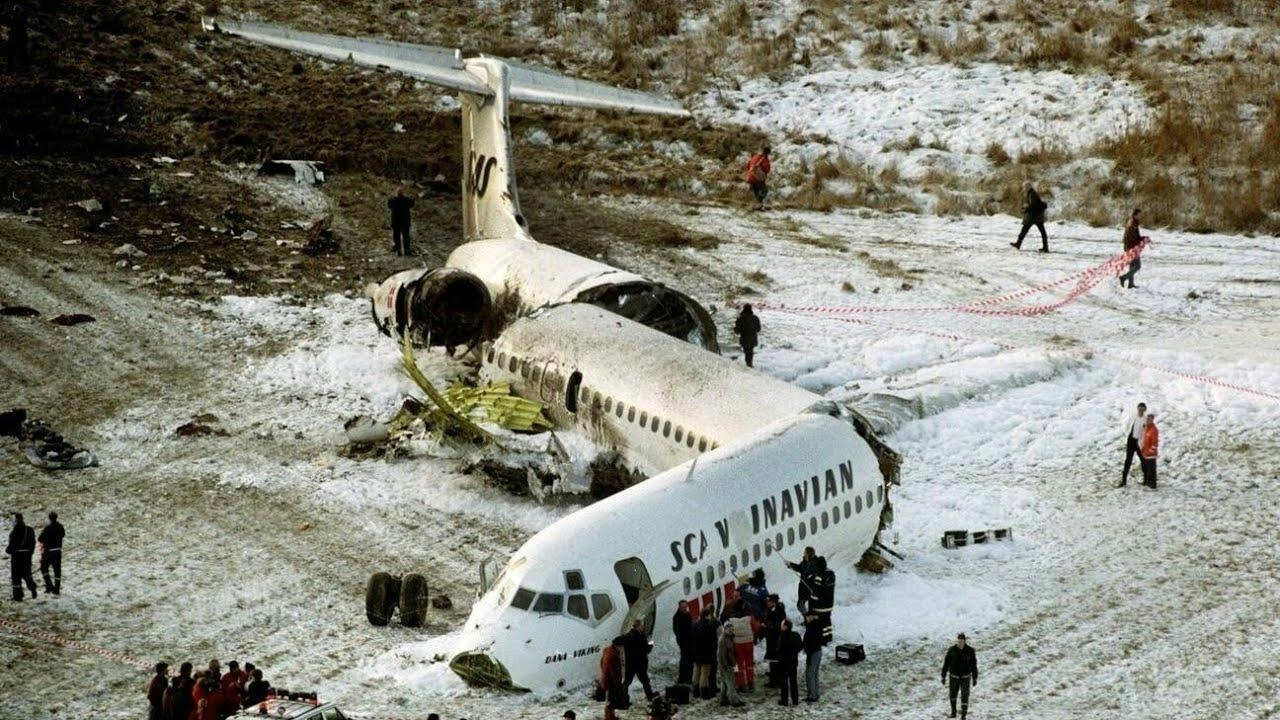
SAS Flight 751: The Emergency Landing Near Gottröra
On the morning of December 27, 1991, Scandinavian Airlines (SAS) Flight 751, operated by a nearly new McDonnell Douglas MD-81, departed Stockholm-Arlanda Airport under frigid conditions. Unknown to the flight crew, clear, glass-smooth ice had formed overnight on the wing roots, chilled by the cold fuel in the tanks. Although standard de-icing procedures had been carried out, a critical hands-on inspection to detect this invisible hazard was not performed.
Shortly after takeoff, the ice dislodged and was ingested by both tail-mounted engines. This caused severe damage: fan blades bent, compressors stalled, and both engines began to surge uncontrollably. The situation was further complicated by an automatic thrust restoration system that repeatedly increased engine power whenever the crew attempted to reduce it, sustaining the surges. Within 80 seconds, both engines failed completely.
With 129 people on board and no engine power, Captain Stefan Rasmussen and his crew confronted a life-threatening emergency. An off-duty SAS captain, Per Holmberg, who was traveling as a passenger, quickly moved to the cockpit to assist with emergency procedures and help maintain focus. Rasmussen skillfully pitched the nose down and then leveled the aircraft to maximize glide distance, ultimately guiding the powerless jet to a forced landing in a snowy field near Gottröra. Although the fuselage broke into three sections upon impact, all passengers and crew survived, an outcome that became known as the "Miracle at Gottröra."
Investigation and Aftermath
The Swedish Accident Investigation Board later determined that SAS’s de-icing procedures were insufficient to guarantee the removal of clear ice before takeoff. This finding prompted widespread scrutiny of de-icing protocols throughout the aviation industry.
In the immediate aftermath, SAS faced significant challenges, including ensuring passenger safety, managing intense media scrutiny, and addressing concerns from aviation authorities. The airline’s safety protocols were closely examined by regulators and competitors, testing passenger confidence and placing the company’s reputation at risk.
In response, SAS has since prioritized fleet modernization and expanded its route network, demonstrating a renewed commitment to safety and innovation. These efforts aim to restore public trust and strengthen the airline’s position in a competitive market, while the legacy of Flight 751 continues to influence industry best practices.

Etihad and Swissport Extend Global Partnership
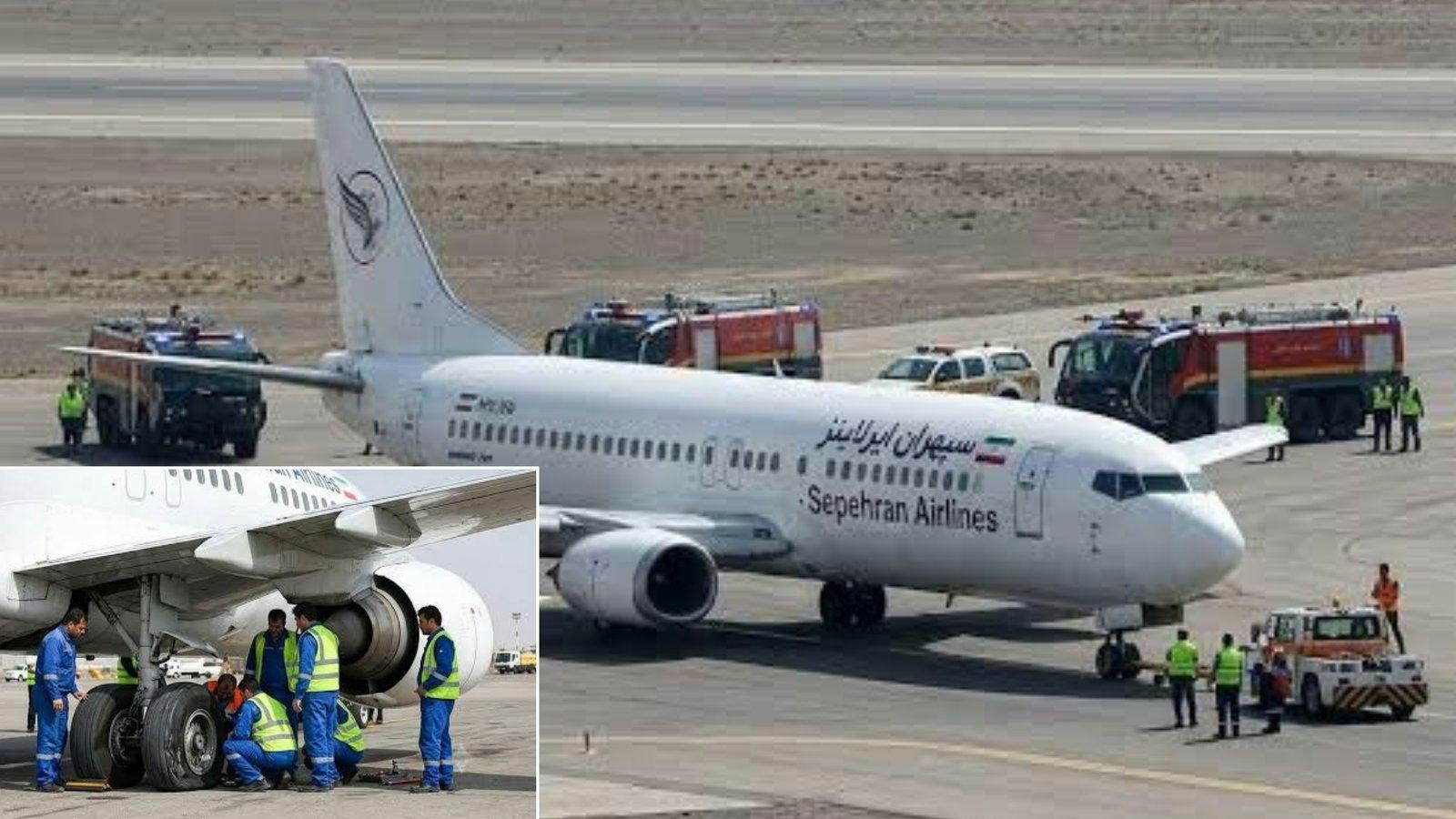
Sepehran Airlines B737 Returns to Mashhad After Tyre and Engine Issues

Etihad Deploys Widebody Fleet to Meet Strong Demand

Korean Air Finalizes $36.2 Billion Deal with Boeing

Australia’s RFDS Queensland Section Orders Six King Air 260Cs

Korean Air Finalizes Order for 103 Boeing Jets and Engines
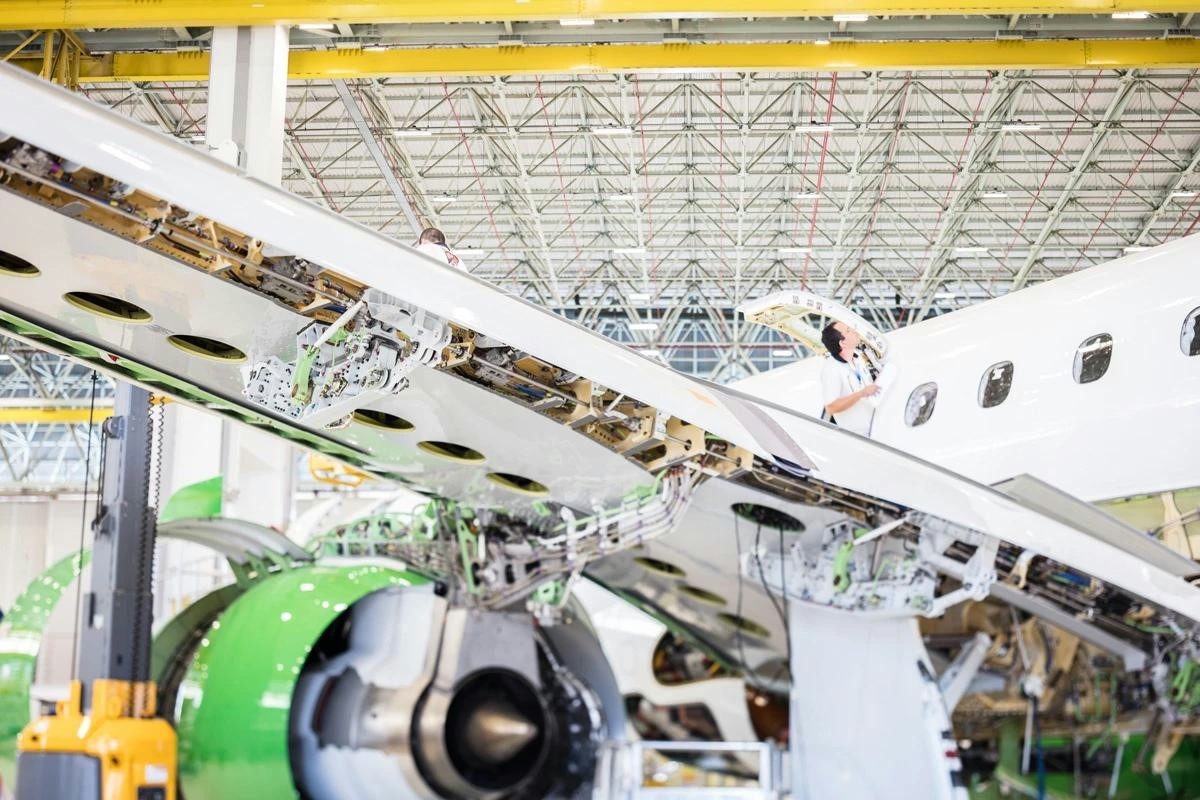
Embraer E195-E2 Features Distinctive Engine Placement Among Regional Jets
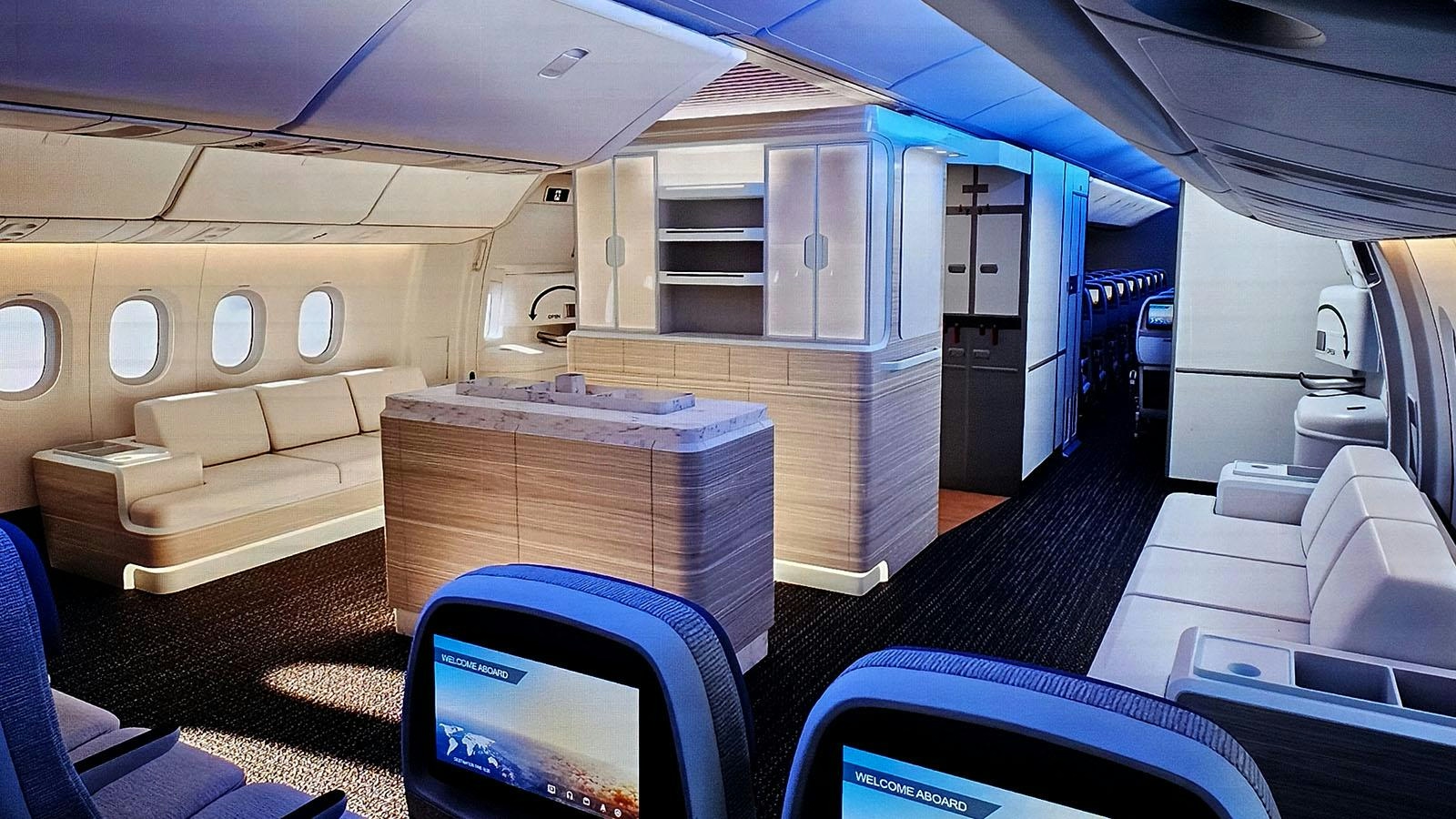
What Passengers Can Expect on Boeing’s New 777X Jet
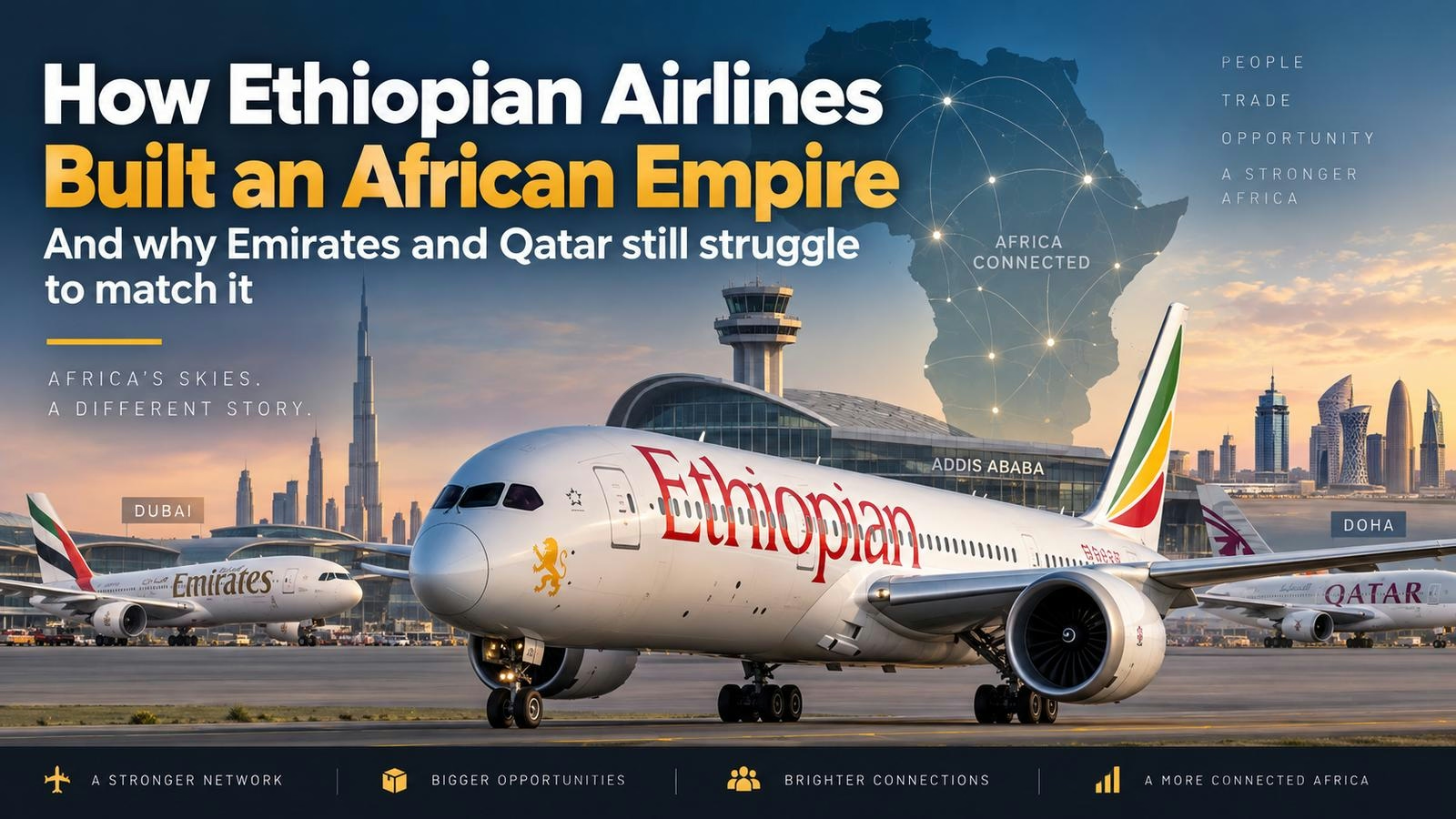
How Ethiopian Airlines Became Africa’s Leading Carrier Amid Gulf Competition

Joby Aviation Extends Autonomous Flight Capabilities with Cross-Country Tour
