
Orquestre insights de IA em ações

Tendências
Categories
Saudi Leasing Company to Acquire 10 Airbus A350 Freighters
Saudi Leasing Company to Acquire 10 Airbus A350 Freighters
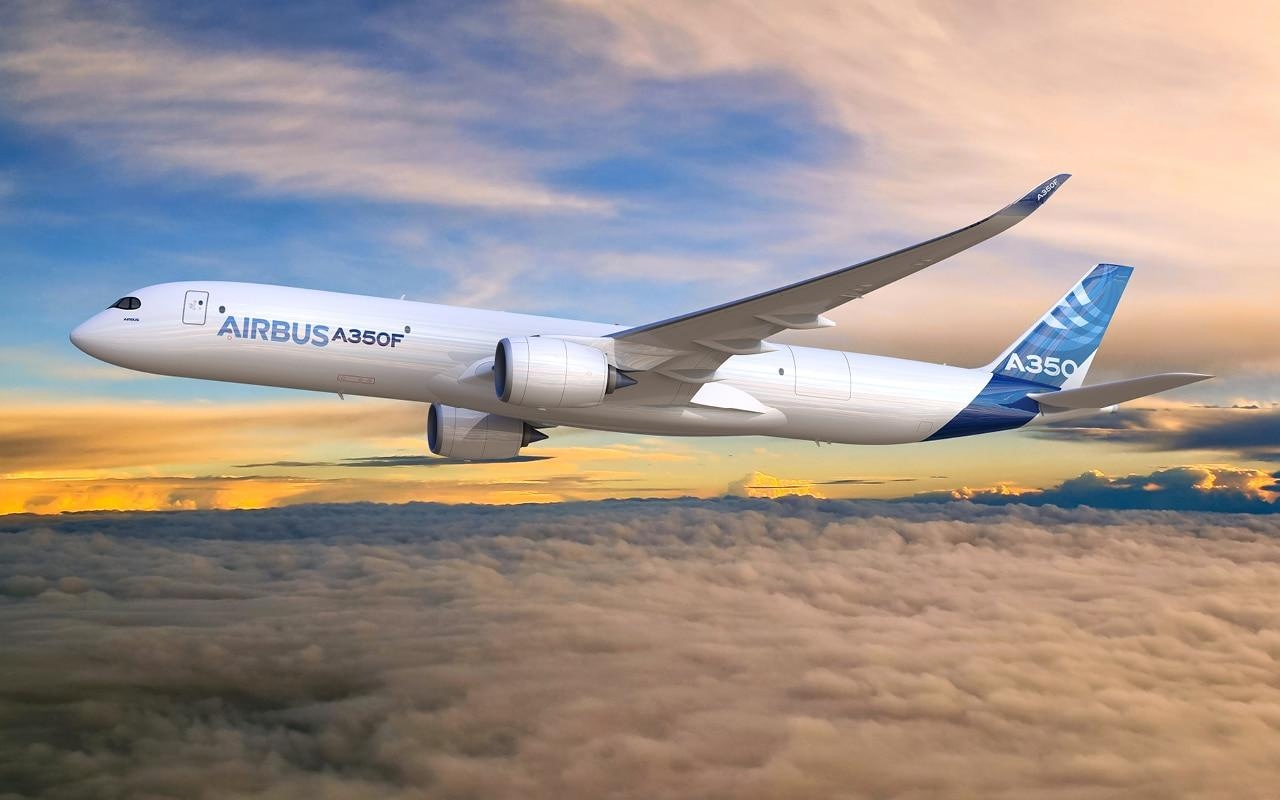
Saudi Leasing Company has announced its intention to acquire 10 Airbus A350 freighter aircraft, a move that highlights the dynamic growth and transformation within the Middle Eastern aviation sector. This significant order reflects the region’s increasing demand for advanced, fuel-efficient aircraft as airlines and leasing firms seek to expand their presence in the global air cargo and passenger markets.
Regional Market Dynamics and Competitive Landscape
The acquisition takes place amid intensifying competition among key regional players. Riyadh Air recently confirmed a firm order for 25 Airbus A350-1000 jets, underscoring strong demand for premium long-haul aircraft. At the same time, AviLease, a rival leasing company, has committed to acquiring up to 77 Airbus aircraft, including 22 A350 freighters, further heightening competition among lessors and carriers in the Gulf region.
Industry experts suggest that these substantial orders could lead to shifts in market share and compel leasing companies to adjust their pricing and strategic approaches. As Middle Eastern carriers incorporate more technologically advanced aircraft into their fleets, lessors will likely need to enhance their financial planning and market positioning to remain competitive. The influx of new-generation freighters is also expected to influence lease rates and availability, reshaping broader market dynamics.
Strategic Importance of the Airbus A350 Freighter
The Airbus A350 freighter is increasingly favored for its fuel efficiency and extended range, attributes that appeal to airlines aiming to modernize cargo operations while adhering to stricter environmental regulations. Saudi Leasing Company’s investment in the A350F aligns with a wider regional trend toward fleet renewal and expansion. Gulf carriers and lessors are positioning themselves to support growing trade volumes and leverage the strategic geographic location of the Middle East as a global logistics hub.
Although the financial details of the transaction have not been disclosed, the acquisition is widely viewed as a strategic effort to enhance Saudi Leasing Company’s portfolio and address the rising demand for air cargo capacity. This development also mirrors broader industry initiatives to adapt to evolving global supply chains and changing customer requirements.
As the Middle Eastern aviation market continues to evolve, industry observers will closely monitor how Saudi Leasing Company and its competitors respond to the challenges and opportunities presented by this rapidly shifting environment. The outcomes of these strategic moves may well influence future aircraft acquisition and leasing trends across the region.

Etihad Airways Suspends Airbus A380 Flights on Key Route

Aditya Birla Group Seeks Approval for Aircraft Leasing in GIFT City

Qatar Airways Highlights Innovation and Connectivity at Arabian Travel Market 2026

Hong Kong's Five-Year Plan Includes Andrew Fan's Aircraft Parts Processing Hub Proposal

ACIA Aero Leasing Delivers ATR72-600 to Air Nostrum

RTX Appoints Jill Albertelli as Head of Pratt & Whitney

TAT Technologies Joins Beyond Aero Hydrogen Aircraft Program

AURAK Study Highlights Barriers to Air Taxi Adoption in Emerging Economies

Xiamen Air Selects Altitude for 787 Maintenance at Heathrow

Etihad and Swissport Extend Global Partnership
