
Orquestre insights de IA em ações

Tendências
Categories
Saudia Cargo Deploys AI Workers to Enhance Cargo Sales
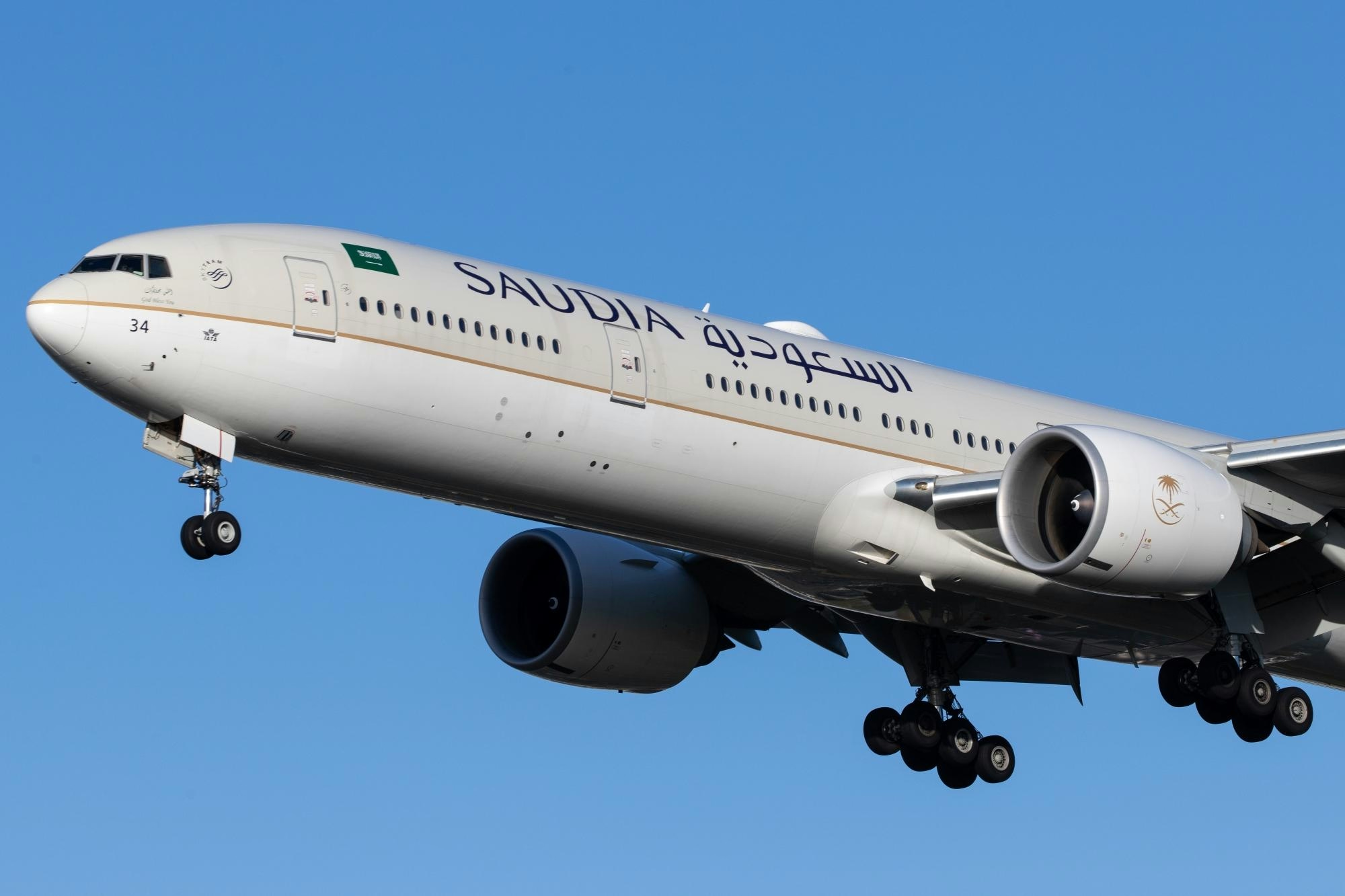
Saudia Cargo Deploys AI Workers to Enhance Cargo Sales
Saudia Cargo has become the first cargo airline to integrate artificial intelligence (AI) workers into its commercial operations, following a strategic partnership with the digital air freight platform cargo.one. This pioneering initiative aims to automate and expedite the processing of inbound requests for quotations (RFQs), a traditionally labor-intensive and time-consuming component of airline cargo sales.
AI-Driven Automation in Cargo Sales
The AI system, developed on cargo.one’s AI-native operating platform, evaluates customer RFQs by considering factors such as flight schedules, alternative airports, and service levels. It then produces customized quotations within seconds, operating continuously and supporting multiple languages. This automation enables Saudia Cargo’s sales teams to concentrate on more complex and strategic customer engagements, including specialist shipments and high-value accounts.
Cargo.one reports that its AI workers can reduce quotation turnaround times by 68% while achieving an 89% accuracy rate on first-time generated quotes. The platform also classifies sales opportunities and prepares customer-specific proposals in near real time, enhancing both operational efficiency and the overall customer experience.
Industry Perspectives and Challenges
Turhan Özen, Chief Commercial Officer of Saudia Cargo, emphasized the significance of this advancement within the company’s broader digital transformation and sales strategy. He highlighted that the AI workers are tailored to Saudia Cargo’s specific standards and processes, combining industry expertise, robust data foundations, and cutting-edge technology to improve efficiency and customer service, thereby strengthening the airline’s competitive position.
Moritz Claussen, founder and co-CEO of cargo.one, expressed pride in supporting Saudia Cargo’s deployment of AI workers, noting that the investment in a logistics-specific, AI-native operating system has delivered substantial efficiency gains and operational improvements. He described this collaboration as a milestone in the evolution of logistics technology.
Nevertheless, the introduction of AI workers in air cargo sales presents challenges. Industry analysts caution that issues such as data reliability and the complexity of supply chain information could complicate Saudia Cargo’s AI integration. Furthermore, skepticism from competitors and customers may arise, particularly concerning the transparency and control of AI-generated data. In response, rival airlines are expected to accelerate their own AI investments while emphasizing data governance and transparency to address these concerns.
Despite these challenges, Saudia Cargo’s adoption of AI workers marks a significant milestone in the digital transformation of air cargo sales, establishing a new standard for efficiency and customer responsiveness within the sector.

Etihad and Swissport Extend Global Partnership
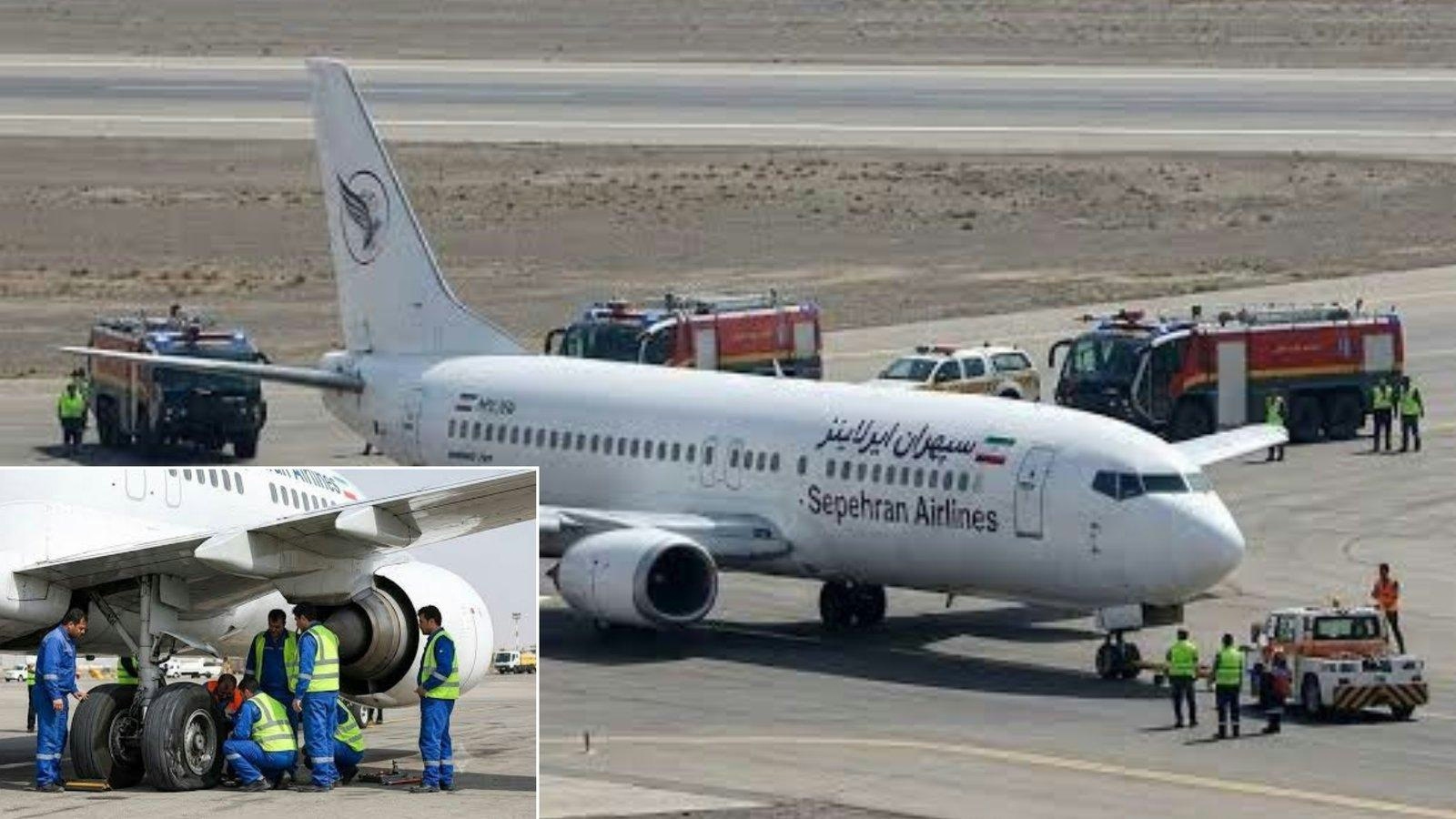
Sepehran Airlines B737 Returns to Mashhad After Tyre and Engine Issues

Etihad Deploys Widebody Fleet to Meet Strong Demand
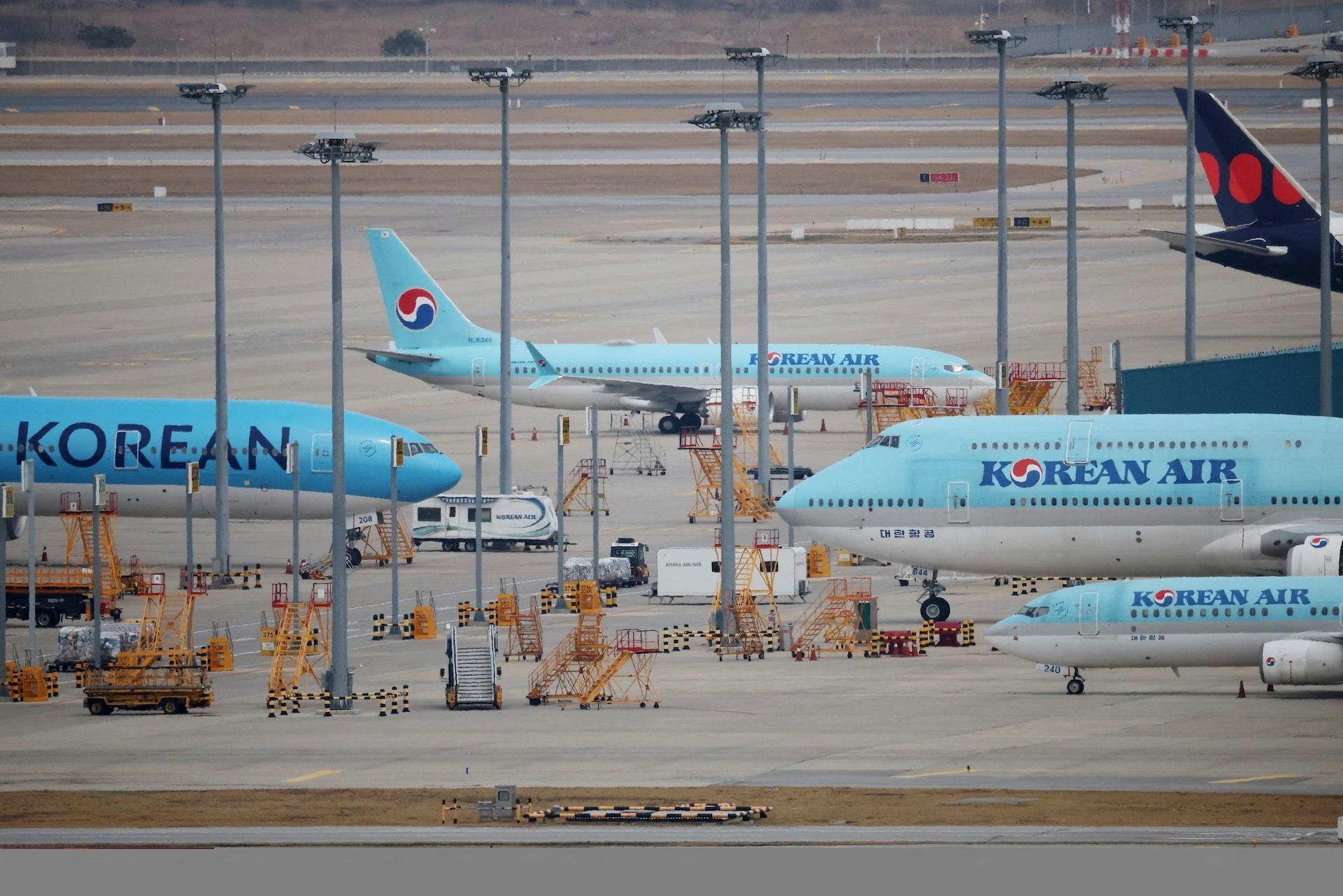
Korean Air Finalizes $36.2 Billion Deal with Boeing
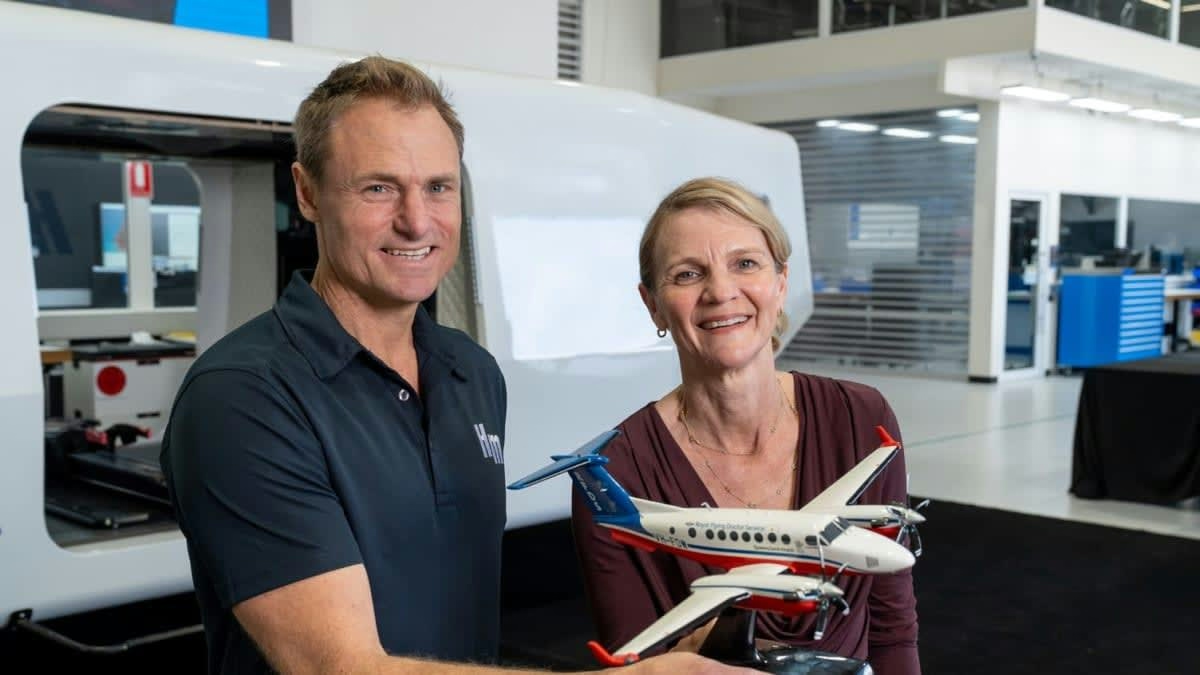
Australia’s RFDS Queensland Section Orders Six King Air 260Cs
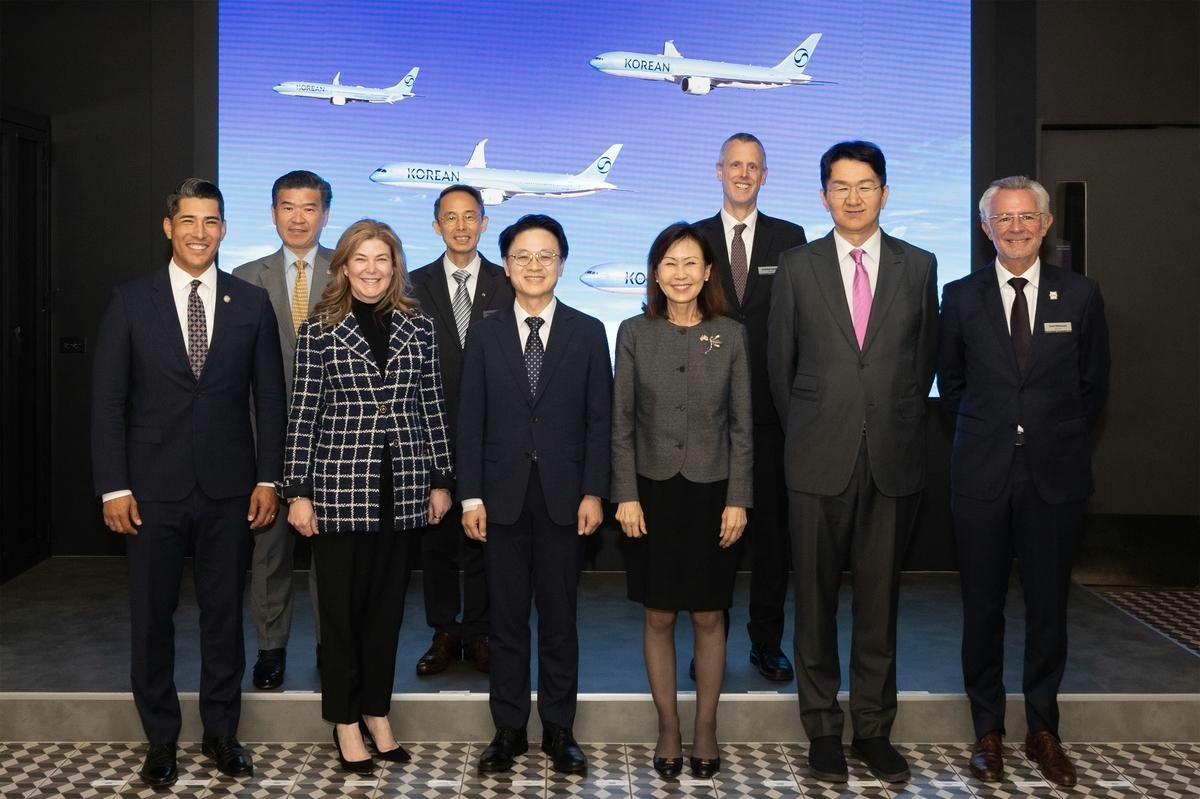
Korean Air Finalizes Order for 103 Boeing Jets and Engines
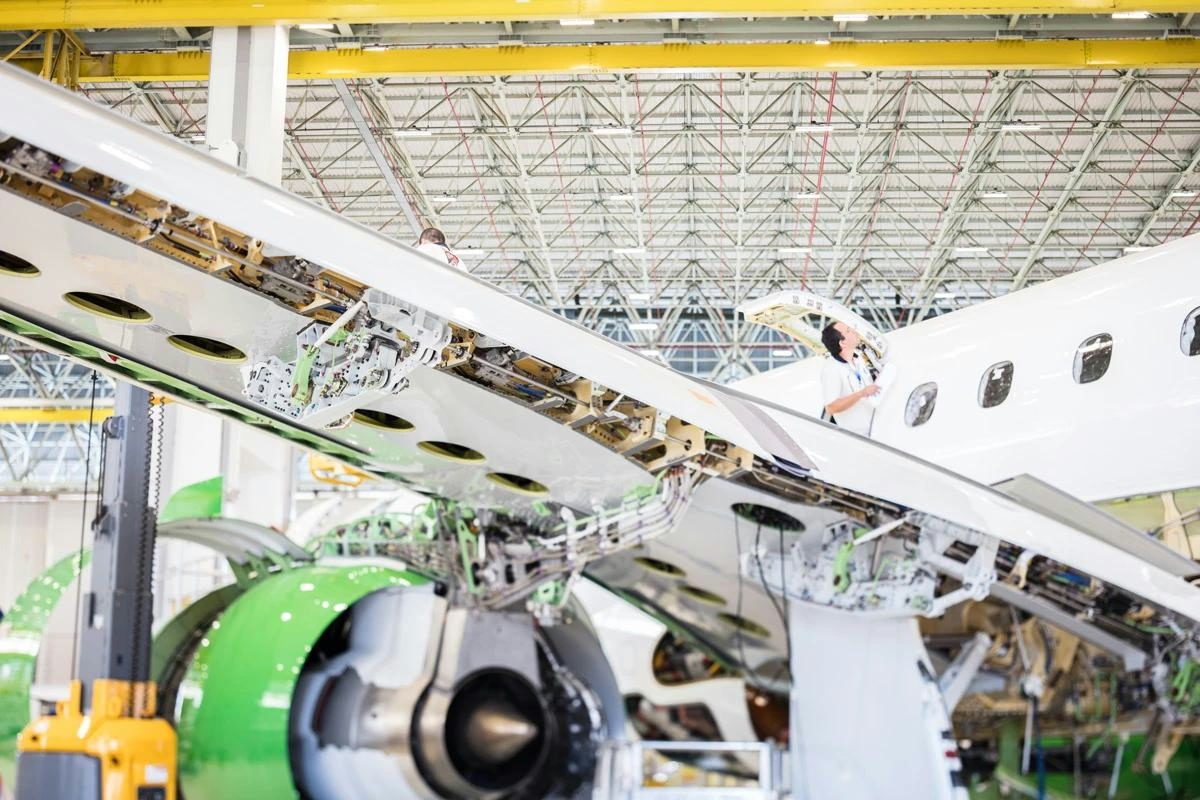
Embraer E195-E2 Features Distinctive Engine Placement Among Regional Jets
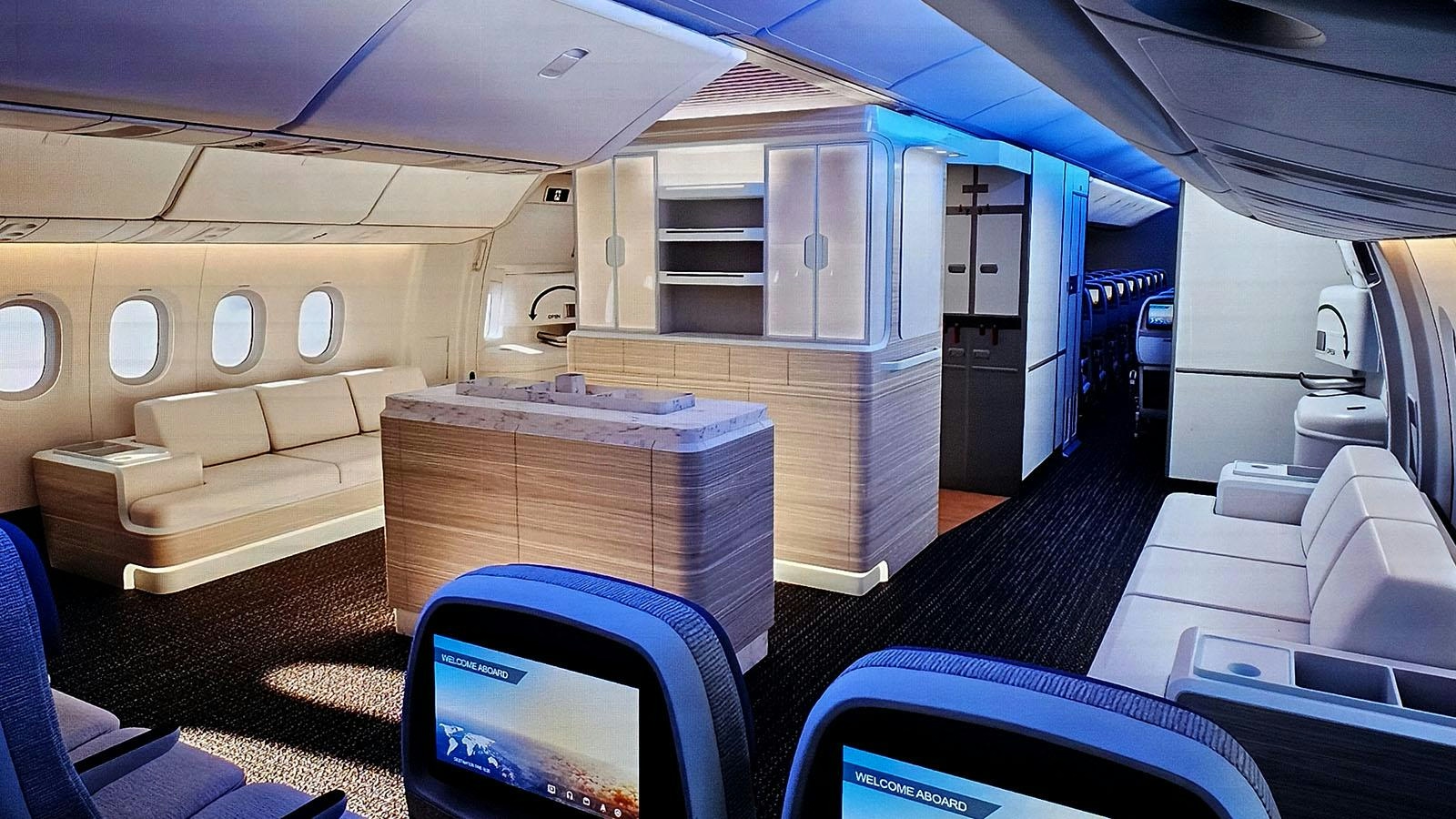
What Passengers Can Expect on Boeing’s New 777X Jet
How Ethiopian Airlines Became Africa’s Leading Carrier Amid Gulf Competition
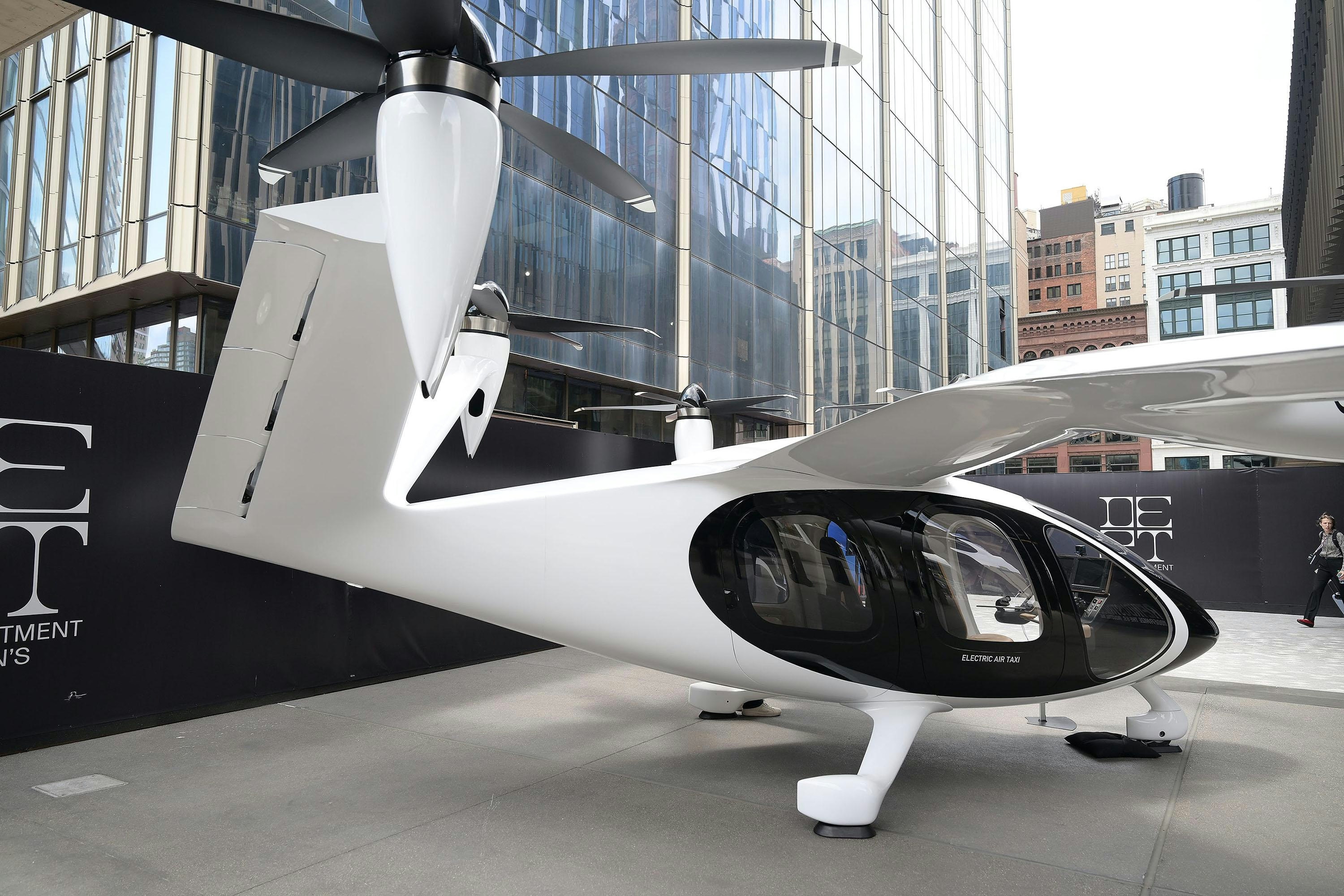
Joby Aviation Extends Autonomous Flight Capabilities with Cross-Country Tour
