
Orquestre insights de IA em ações

Tendências
Categories
SITA Technology Supports Travel for 10 Billion Passengers
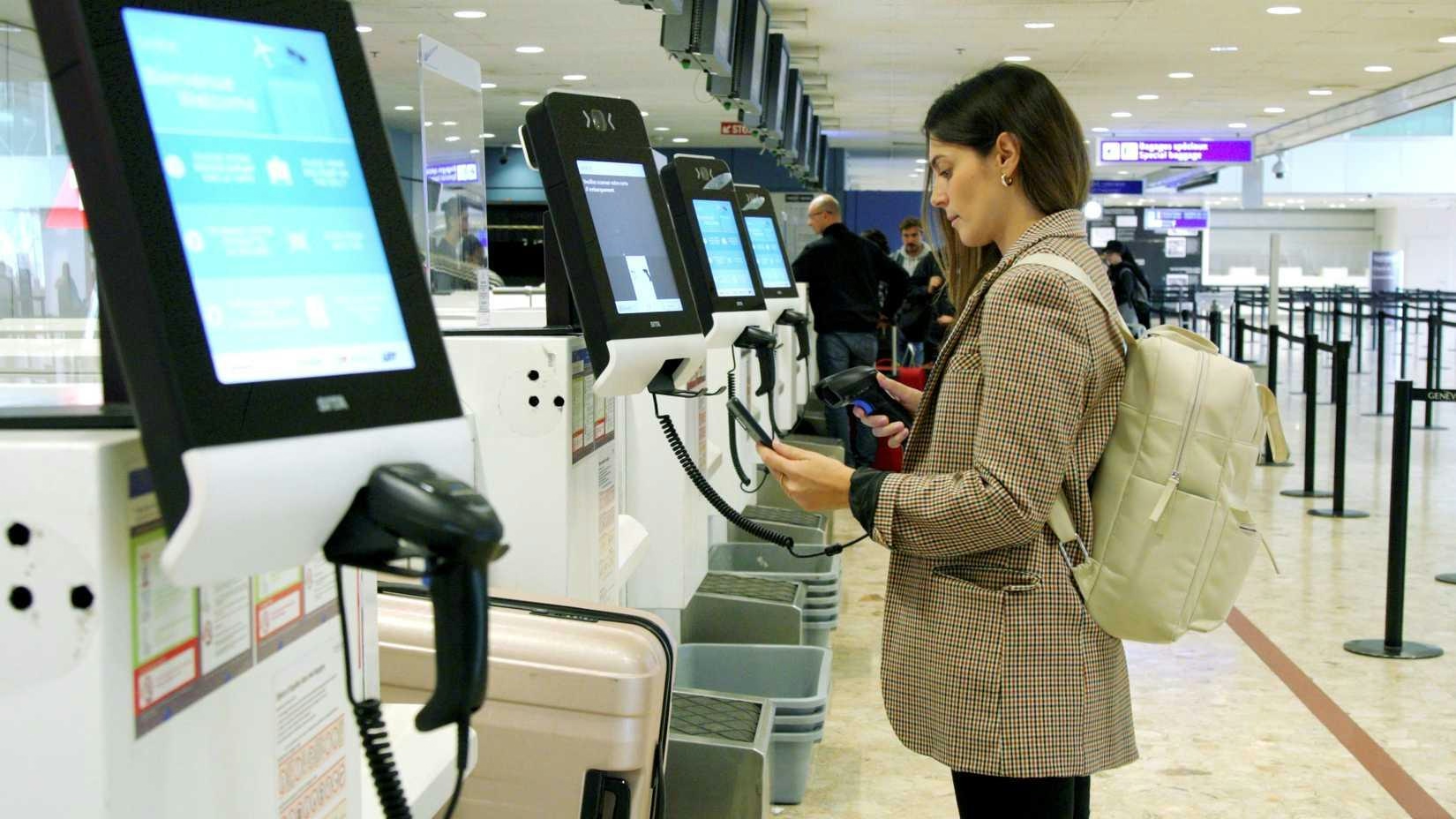
SITA Technology Supports Travel for 10 Billion Passengers
SITA’s recently published Impact Report, released on July 6, 2026, underscores the critical role of technology in equipping the air transport industry for a future marked by unprecedented passenger growth. According to projections from the International Air Transport Association (IATA), global air travel is expected to reach 8 billion passengers within the next two decades and approach 10 billion by 2050. This surge presents significant operational challenges that demand innovative technological solutions.
Advancing Operational Efficiency Through Technology
David Lavorel, CEO of SITA, highlighted the industry’s pressing challenge: how to accommodate twice as many travelers without doubling infrastructure. He noted that the 2025 Impact Report reveals tangible progress, with artificial intelligence transitioning from experimental pilots to integral components of operational control rooms. This shift is enabling airlines and airports to manage increasing passenger volumes more efficiently.
The report provides concrete examples of SITA’s technology in action. In Aruba, the integration of digital travel credentials and biometric systems has reduced arrival border processing times to as little as eight seconds. In 2025 alone, over 271 million travelers underwent pre-arrival risk assessments, with the majority processed in under four seconds. Furthermore, SITA’s OptiFlight platform optimized nearly 3 million flights for 59 airline customers, delivering substantial environmental benefits by saving an estimated 127,732 tonnes of fuel and reducing carbon dioxide emissions by approximately 403,633 tonnes.
Challenges and Competitive Landscape
Despite these advancements, the report acknowledges significant challenges ahead. Modernizing air traffic control systems to handle the anticipated surge in passenger numbers remains a complex and resource-intensive endeavor. Additionally, as the industry becomes increasingly digitalized, ensuring the security and privacy of sensitive biometric and travel data is paramount. SITA must also navigate intensifying competition from other technology providers, many of which are rapidly developing AI-driven and personalized travel solutions to capture market share.
Market responses indicate growing demand for SITA’s services, as airlines and travel agencies seek to streamline operations and enhance passenger experiences. In turn, competitors are accelerating innovation efforts, particularly in AI integration and customized travel offerings, striving to distinguish themselves in an increasingly crowded marketplace.
SITA’s Impact Report highlights the transformative potential of advanced technology in aviation, while emphasizing the ongoing necessity for innovation and vigilance as the industry prepares to accommodate unprecedented growth in global air travel.

Etihad and Swissport Extend Global Partnership
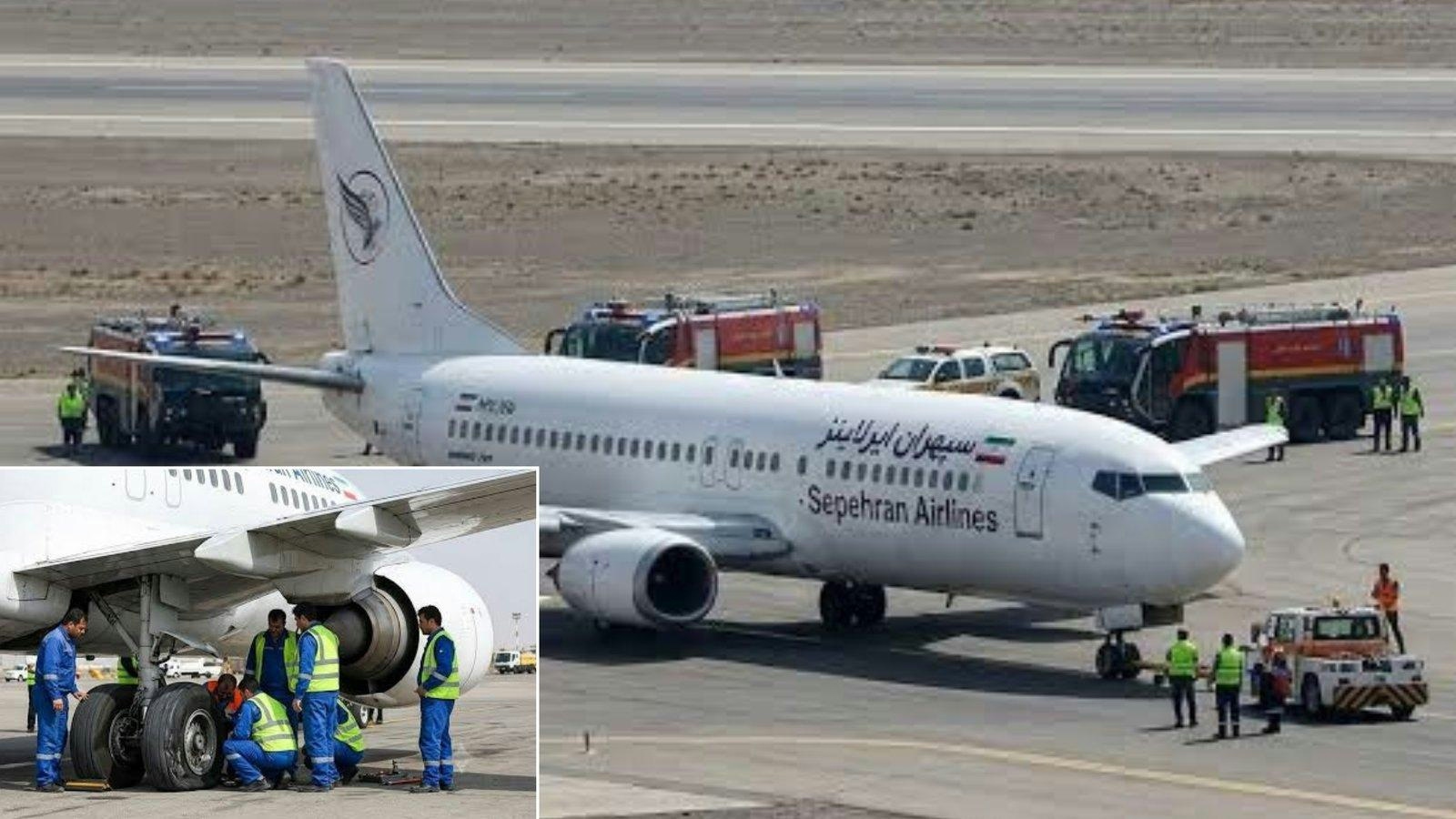
Sepehran Airlines B737 Returns to Mashhad After Tyre and Engine Issues

Etihad Deploys Widebody Fleet to Meet Strong Demand
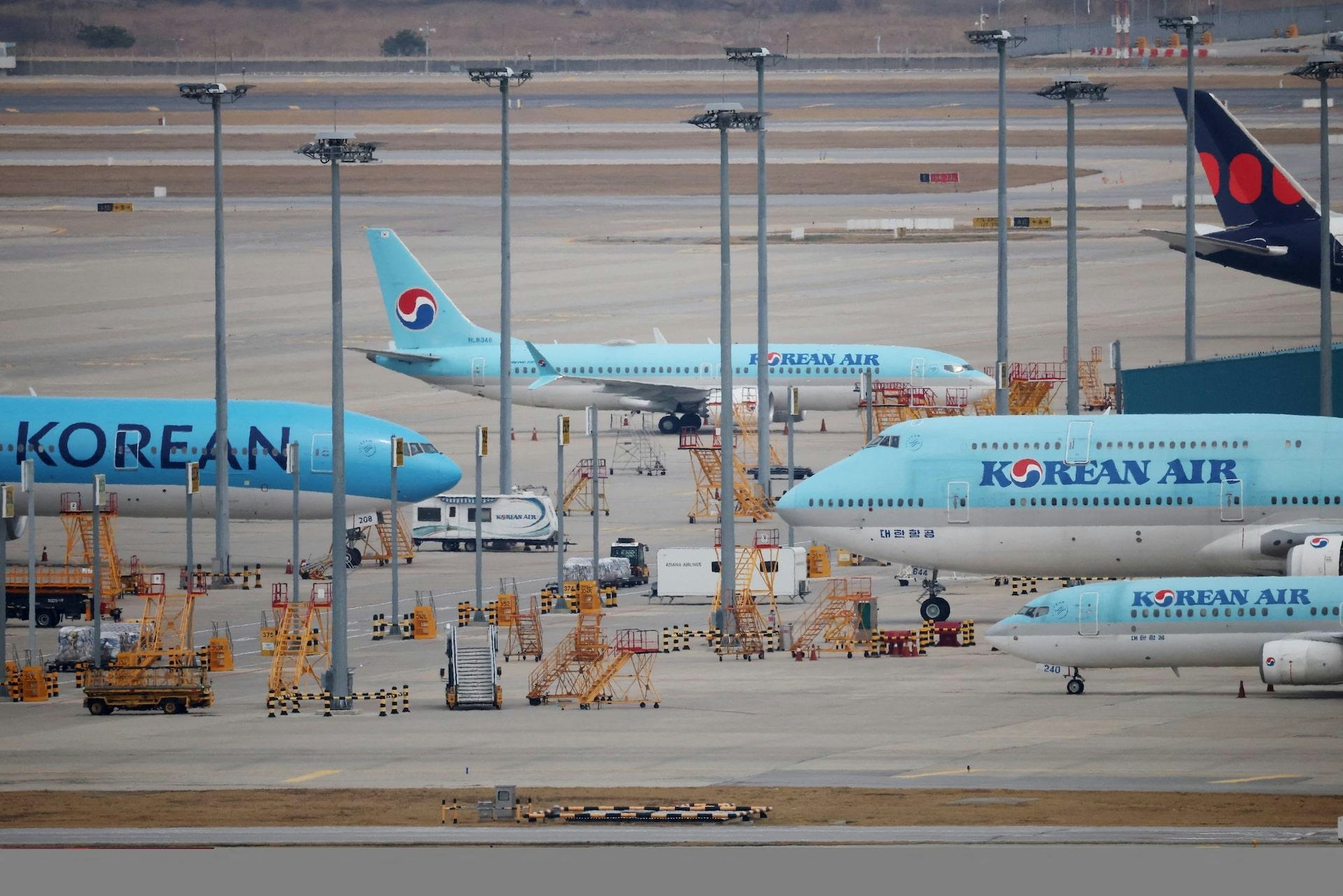
Korean Air Finalizes $36.2 Billion Deal with Boeing
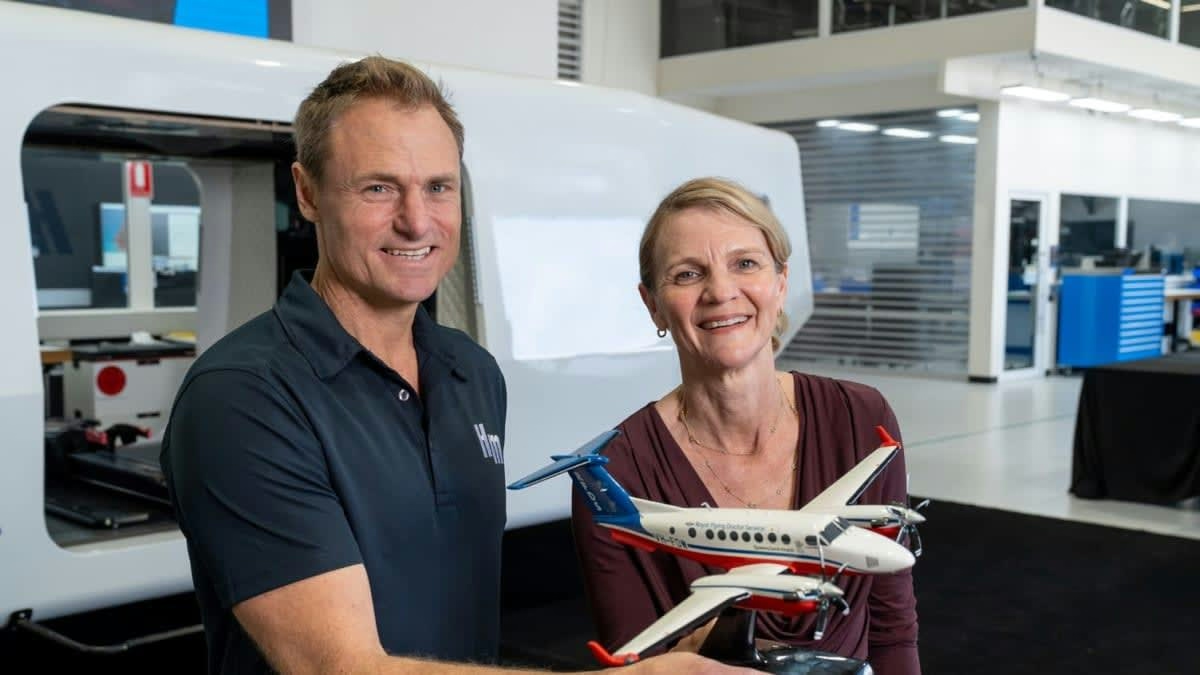
Australia’s RFDS Queensland Section Orders Six King Air 260Cs
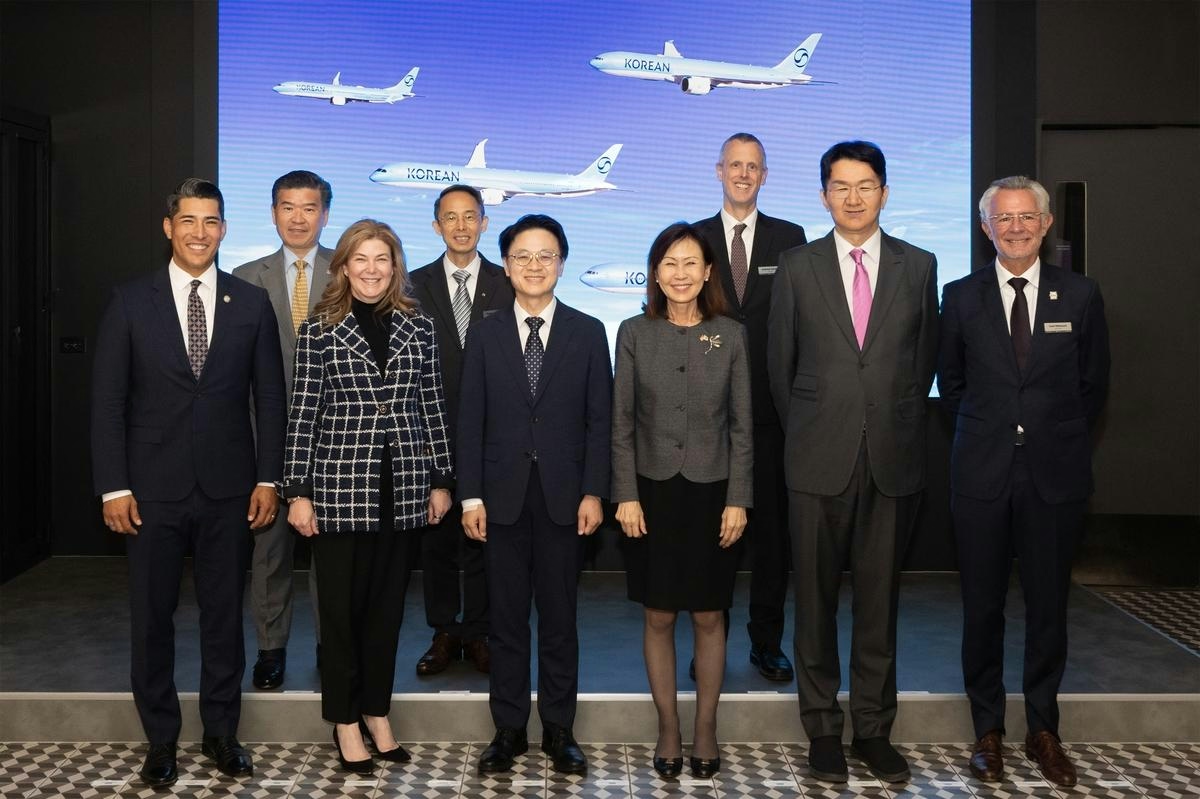
Korean Air Finalizes Order for 103 Boeing Jets and Engines
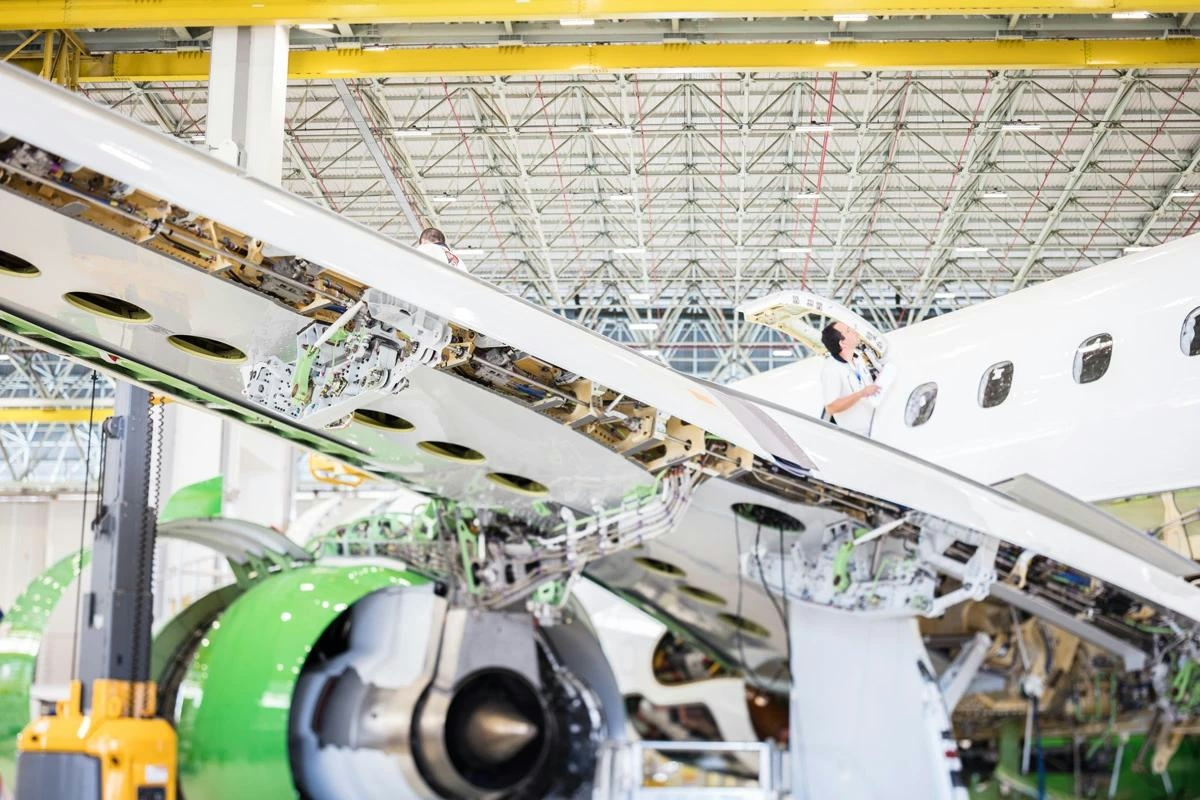
Embraer E195-E2 Features Distinctive Engine Placement Among Regional Jets
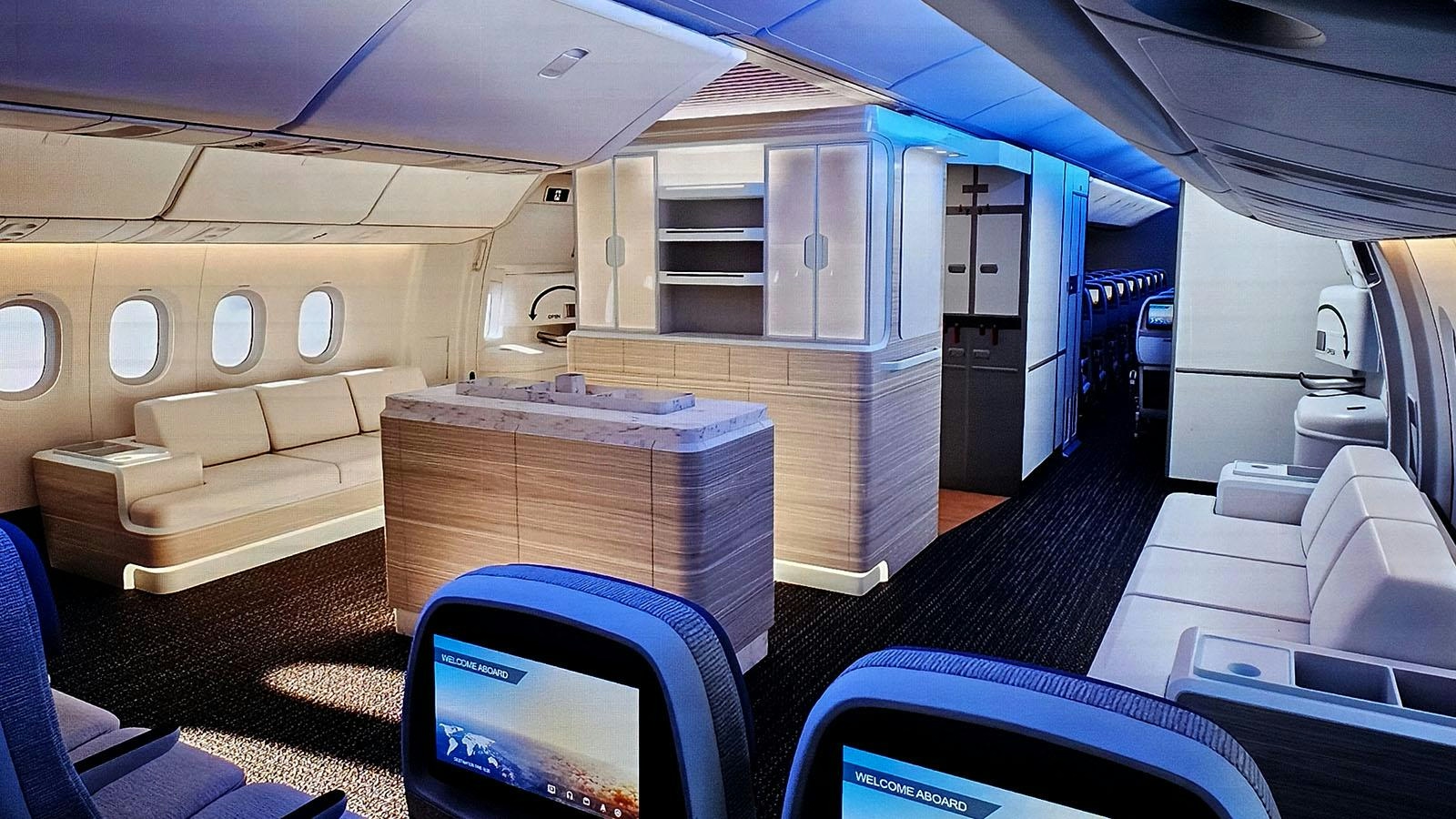
What Passengers Can Expect on Boeing’s New 777X Jet
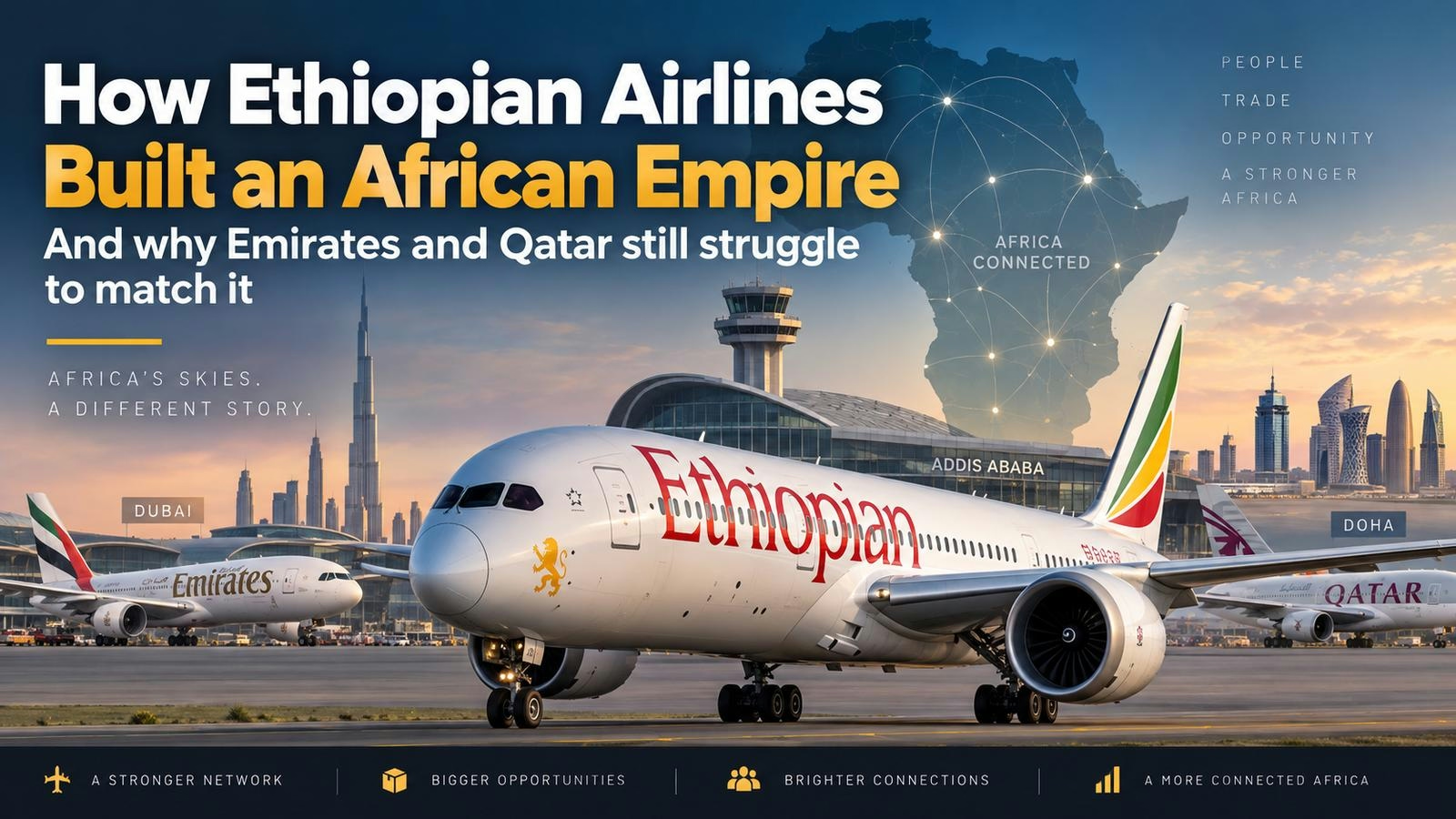
How Ethiopian Airlines Became Africa’s Leading Carrier Amid Gulf Competition
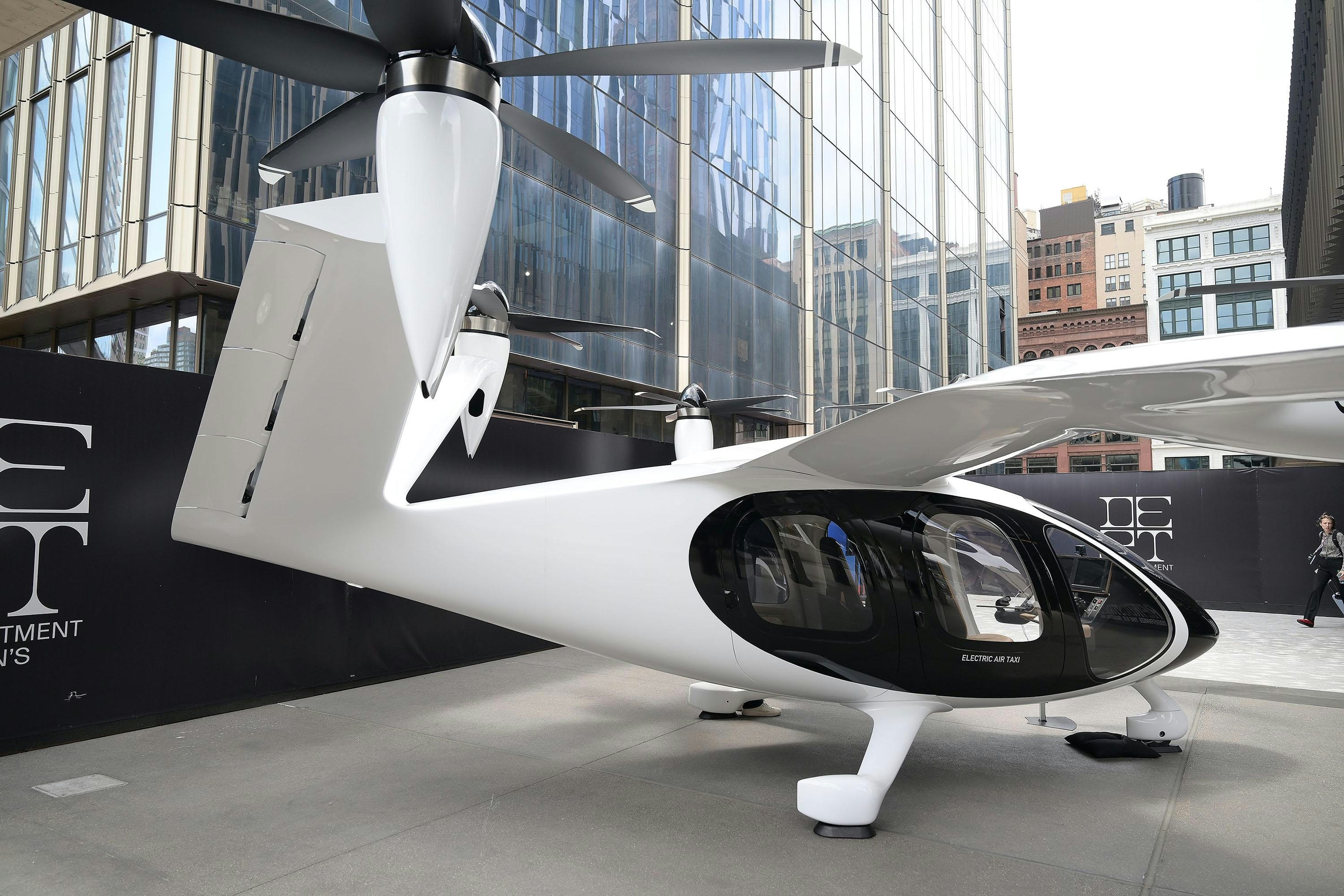
Joby Aviation Extends Autonomous Flight Capabilities with Cross-Country Tour
