
Orquestre insights de IA em ações

Tendências
Categories
The Last Airworthy Lockheed L-1011 TriStar
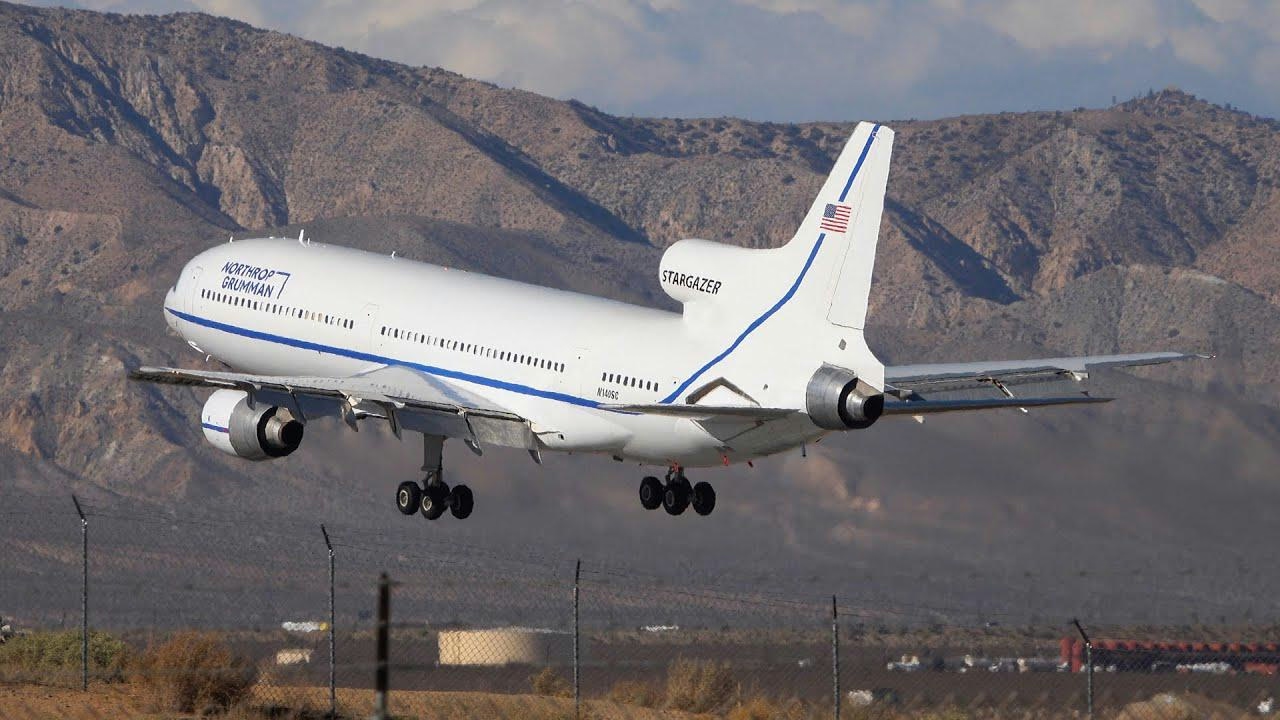
The Last Airworthy Lockheed L-1011 TriStar
The 1970s heralded a transformative era in commercial aviation with the advent of widebody aircraft—twin-aisle jets engineered to transport greater numbers of passengers per flight. The Boeing 747 pioneered this shift, soon followed by the McDonnell Douglas DC-10 and the Airbus A300. Lockheed entered this competitive field with the L-1011 TriStar, which made its debut in 1972, shortly after the DC-10 and two years before the A300. While the 747, DC-10 (which later evolved into the MD-11), and the A300 (whose design lineage continues in the A330neo) have maintained enduring legacies, the L-1011 has nearly disappeared from the skies.
Stargazer: The Last Flying TriStar
Today, only one Lockheed L-1011 TriStar remains airworthy: N140SC, known as Stargazer. Operated by Northrop Grumman’s Orbital Sciences division, Stargazer occupies a unique and critical niche as the world’s sole aircraft capable of launching the Pegasus XL rocket from mid-air. Since 1994, it has facilitated nearly 50 Pegasus rocket launches, deploying satellites into orbit and supporting missions such as NASA’s Swift Rescue Mission. The aircraft’s continued operation has garnered significant attention within the aerospace community, highlighting its unparalleled capabilities in space launch operations. No other active aircraft can perform this specialized function, leaving competitors without a comparable alternative.
Stargazer’s history began in 1974 when it was delivered to Air Canada as C-FTNJ. The aircraft was briefly leased to Air Lanka in 1982 before returning to Air Canada, where it remained until the conclusion of its commercial service. In 1992, Orbital Sciences acquired the jet and undertook over two years of modifications to convert it into a rocket launch platform. Originally constructed as an L-1011-1, the aircraft was upgraded in 1977 with a new center fuel tank and an increased maximum takeoff weight. Air Canada initially configured the plane with 288 seats—20 in first class and 268 in economy—later adjusting the layout to accommodate 306 passengers.
Beyond its primary role in launching Pegasus rockets, Stargazer is also available for research flights, further extending its operational utility. Its ongoing service stands in stark contrast to other widebody aircraft of its era: only a handful of Douglas DC-8s and nine McDonnell Douglas DC-10s remain in operation, while the Airbus A300 continues to be widely employed by cargo airlines, and the Boeing 707 serves various government and military functions.
Challenges and Future Prospects
Despite its unique capabilities, Stargazer’s future faces uncertainties. NASA’s transition from the International Space Station to commercial successors may affect the demand for specialized launch platforms like Stargazer. Nevertheless, its mid-air launch capability remains unmatched within the aerospace industry. Concurrently, broader trends in aerospace and defense—such as Lockheed Martin’s potential acquisition of defense technology firm Ultra Maritime—reflect a sector increasingly focused on expanding military and technological capacities amid rising geopolitical tensions.
As the last airworthy L-1011 TriStar, Stargazer not only embodies a remarkable chapter in aviation history but also continues to play a vital role in the evolving domain of space exploration.

Etihad and Swissport Extend Global Partnership
Sepehran Airlines B737 Returns to Mashhad After Tyre and Engine Issues
Etihad Deploys Widebody Fleet to Meet Strong Demand
Korean Air Finalizes $36.2 Billion Deal with Boeing
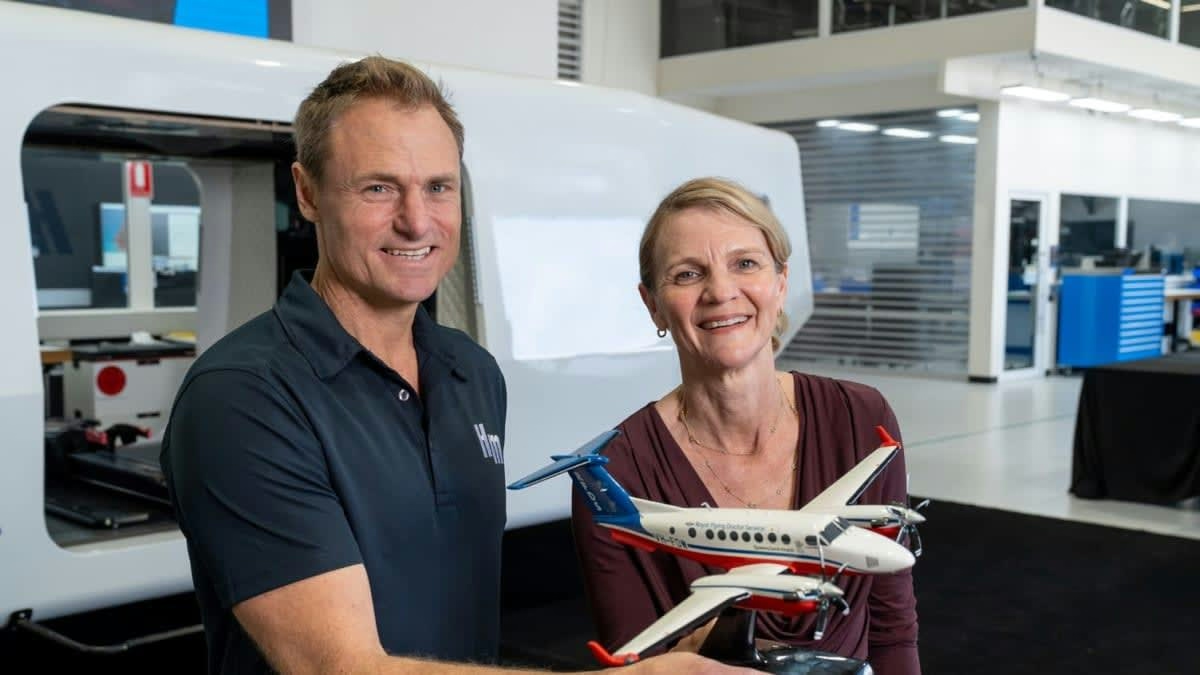
Australia’s RFDS Queensland Section Orders Six King Air 260Cs

Korean Air Finalizes Order for 103 Boeing Jets and Engines
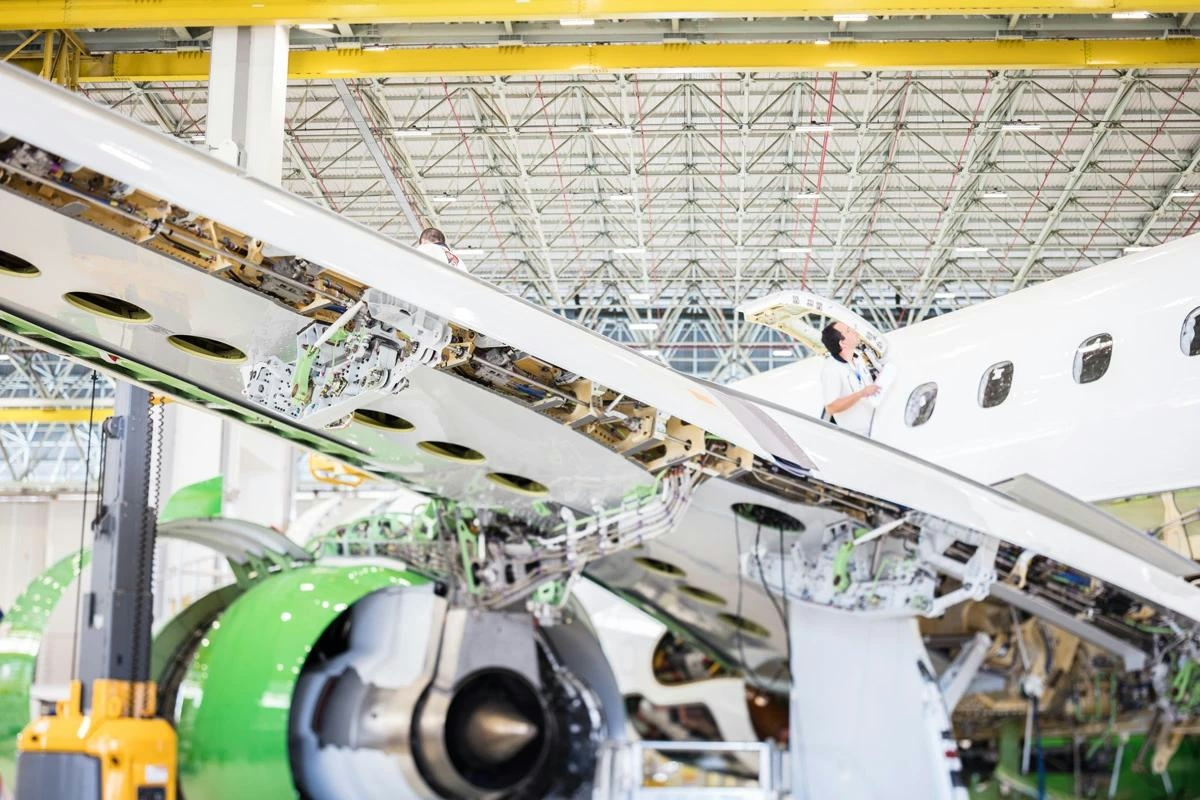
Embraer E195-E2 Features Distinctive Engine Placement Among Regional Jets
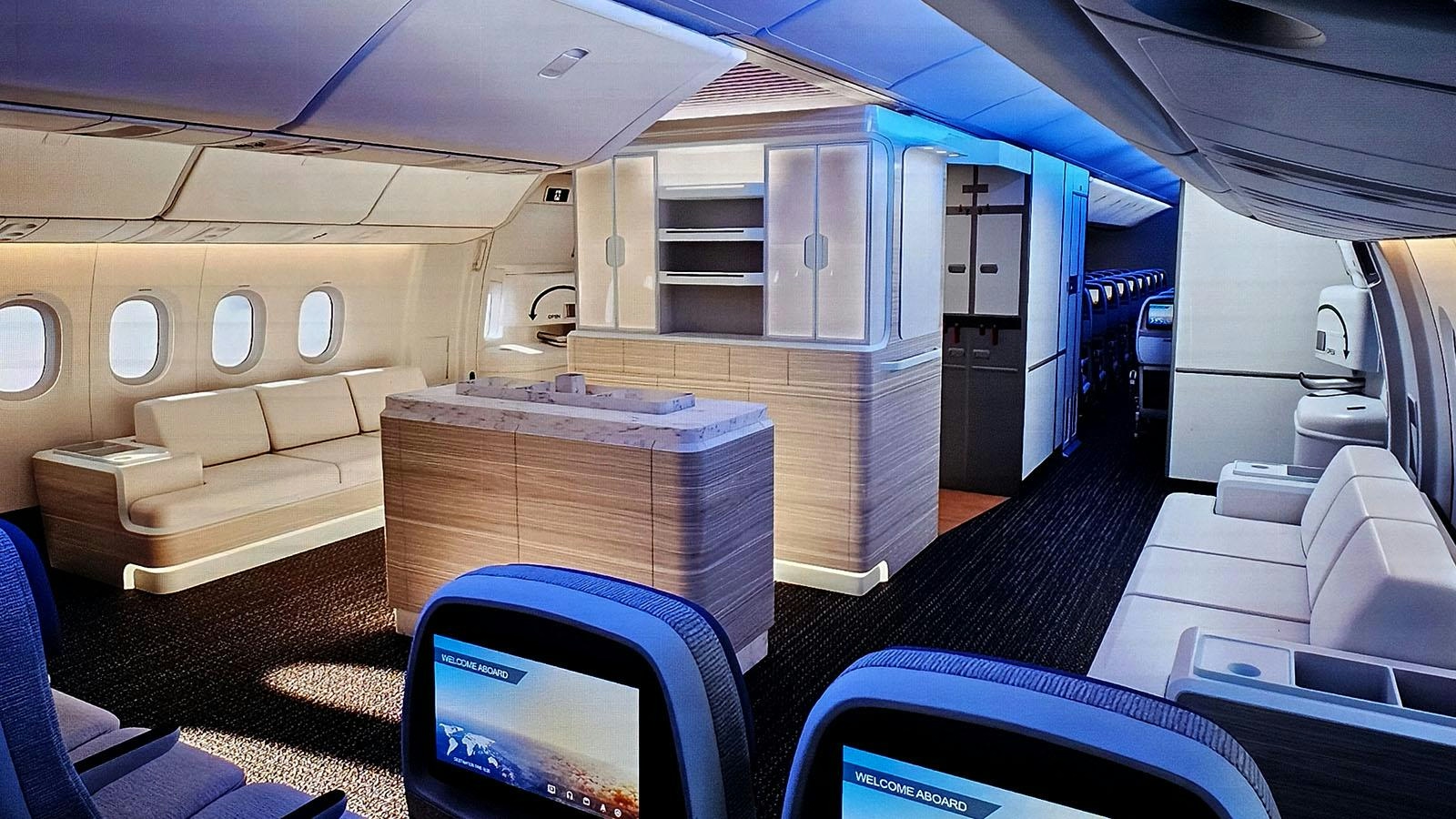
What Passengers Can Expect on Boeing’s New 777X Jet

How Ethiopian Airlines Became Africa’s Leading Carrier Amid Gulf Competition
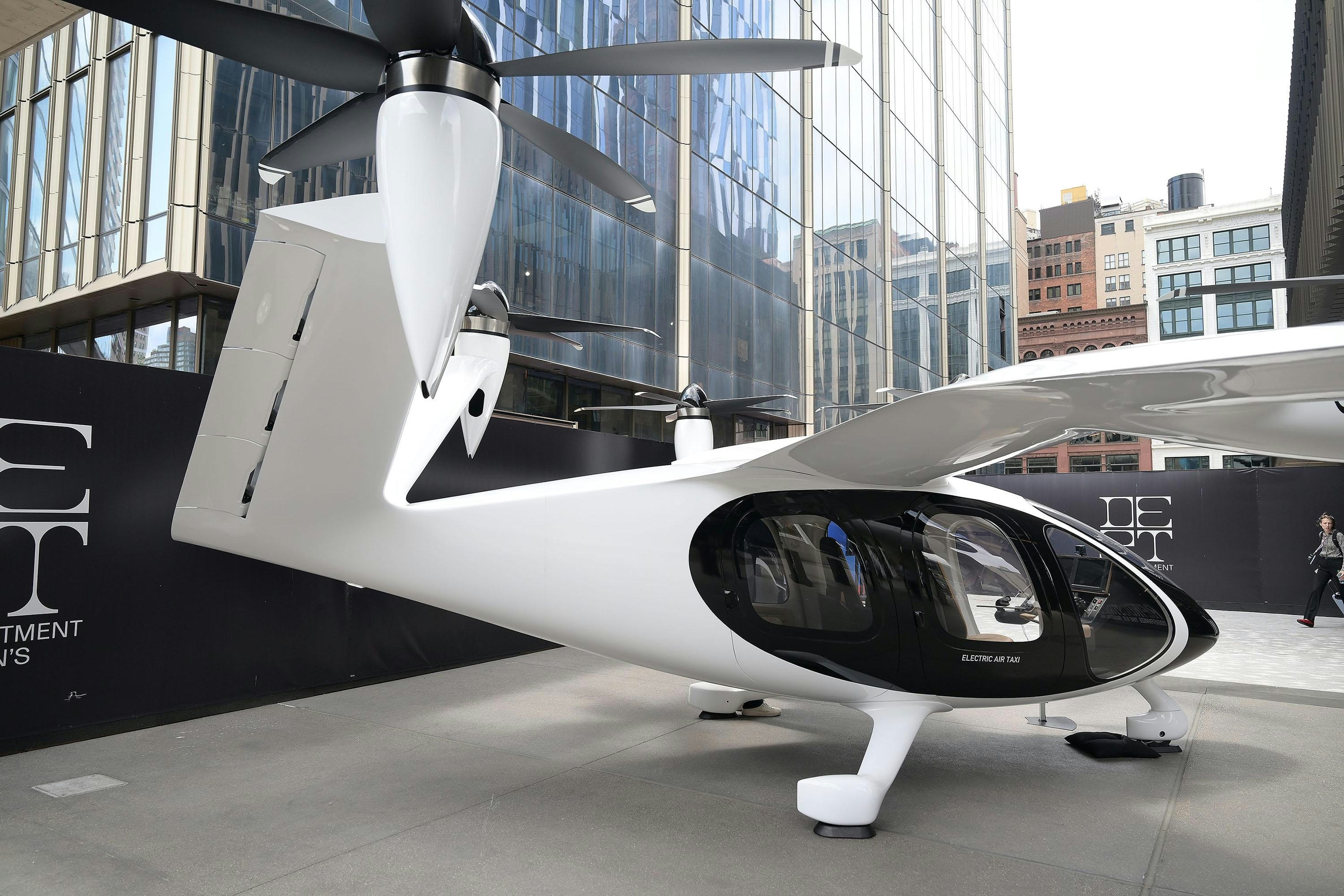
Joby Aviation Extends Autonomous Flight Capabilities with Cross-Country Tour
