
Orquestre insights de IA em ações

Tendências
Categories
United Airlines Introduces First Widebody Suite with Cloud-Based In-Flight Entertainment
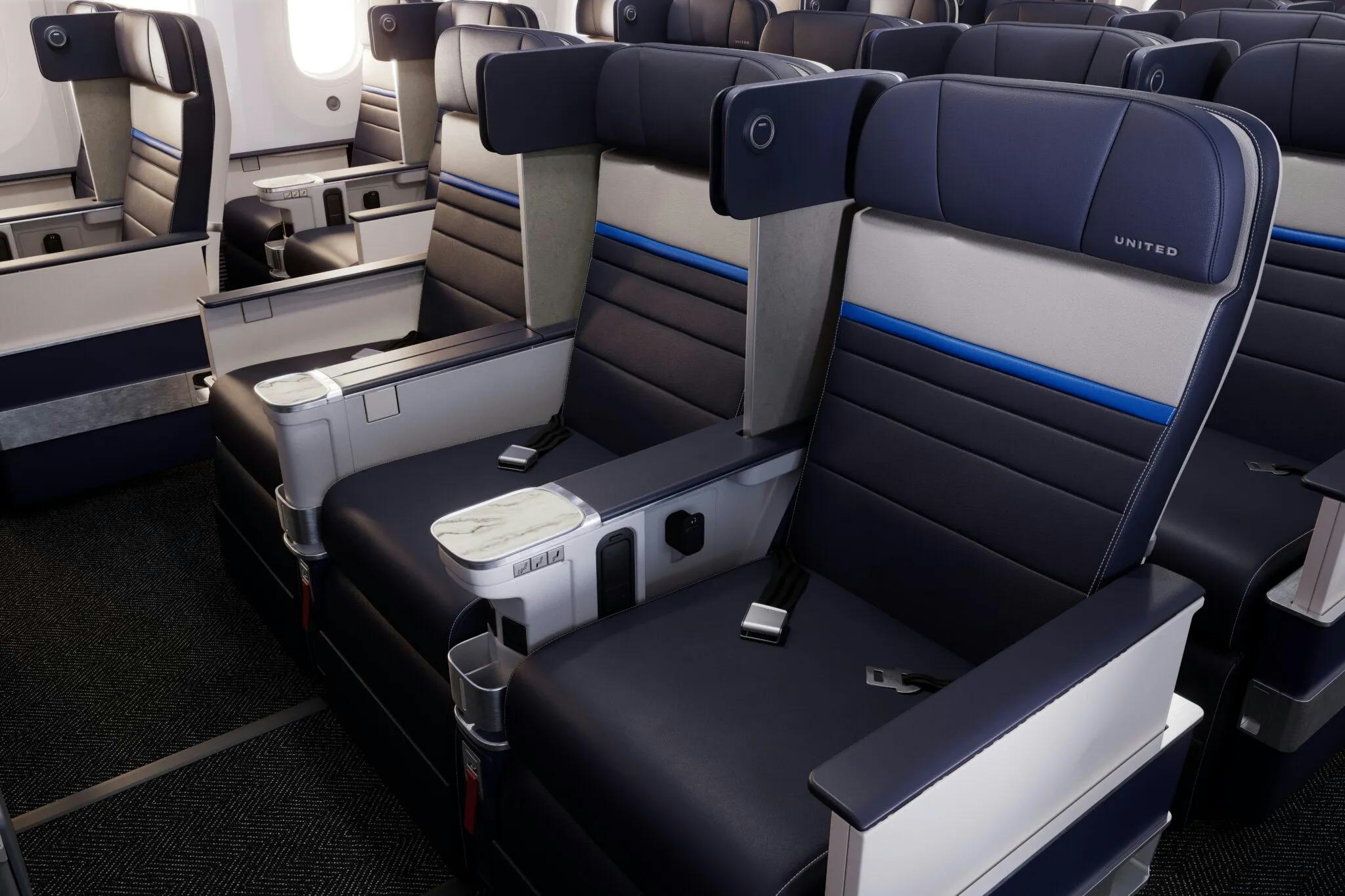
United Airlines Launches First Widebody Suite Featuring Cloud-Based In-Flight Entertainment
United Airlines has introduced a groundbreaking advancement in in-flight entertainment (IFE) with the debut of its new Boeing 787-9 aircraft, marking the first widebody jet to adopt a cloud-based IFE system. This innovation represents a significant shift from traditional onboard entertainment setups, fundamentally altering how digital content is delivered and managed at cruising altitude.
Transforming the In-Flight Entertainment Experience
Conventional IFE systems have long depended on bulky servers housed within the aircraft, which made content updates slow, costly, and often resulted in outdated entertainment options for passengers. United’s latest system replaces this hardware-intensive model with a cloud-based platform powered by Panasonic’s Astrova technology and SpaceX’s Starlink satellite network. This integration enables each seatback screen to operate as a personalized streaming portal, delivering studio-approved content directly from the cloud with real-time updates, eliminating the need for manual content uploads.
Beyond enhancing entertainment variety, this shift offers operational and environmental benefits. By removing centralized server racks, extensive cabling, and localized media storage, United reduces the aircraft’s weight by several hundred pounds. This weight reduction contributes to lower fuel consumption and simplifies maintenance procedures, thereby improving the airline’s efficiency and sustainability across its widebody fleet.
A Connected, Personalized Journey
United’s new Polaris Studio suites transform the aircraft into a node within a global digital network rather than an isolated data environment. Passengers can authenticate personal streaming profiles, access live app data, and enjoy tailored entertainment options that closely resemble the smart TV experience at home. The system’s open-architecture software, combined with continuous satellite connectivity, ensures a seamless data pipeline throughout all flight phases. This allows travelers to resume content seamlessly, even across multiple journeys.
Despite the promise of this technological leap, challenges remain. Integrating cloud-native IFE and maintaining consistent, high-speed connectivity at altitude require substantial investment and meticulous planning. Additionally, passenger adaptation to new interfaces and features will be critical. Early feedback, however, indicates strong enthusiasm among business travelers and premium customers, who are increasingly seeking enhanced onboard experiences.
Industry Implications and Competitive Response
United’s innovation is already influencing the broader airline industry. Competitors such as American Airlines are reportedly accelerating their own fleet upgrades to match or exceed the capabilities introduced by United and Delta. The industry-wide transition toward satellite-based IFE, driven by the expanding capabilities of Starlink, is poised to reshape onboard service quality, pricing structures, and product offerings across carriers.
By redefining the in-flight entertainment landscape with its cloud-based suite, United Airlines is setting a new standard for connectivity, passenger engagement, and operational efficiency, signaling a transformative era for air travel.

Etihad and Swissport Extend Global Partnership
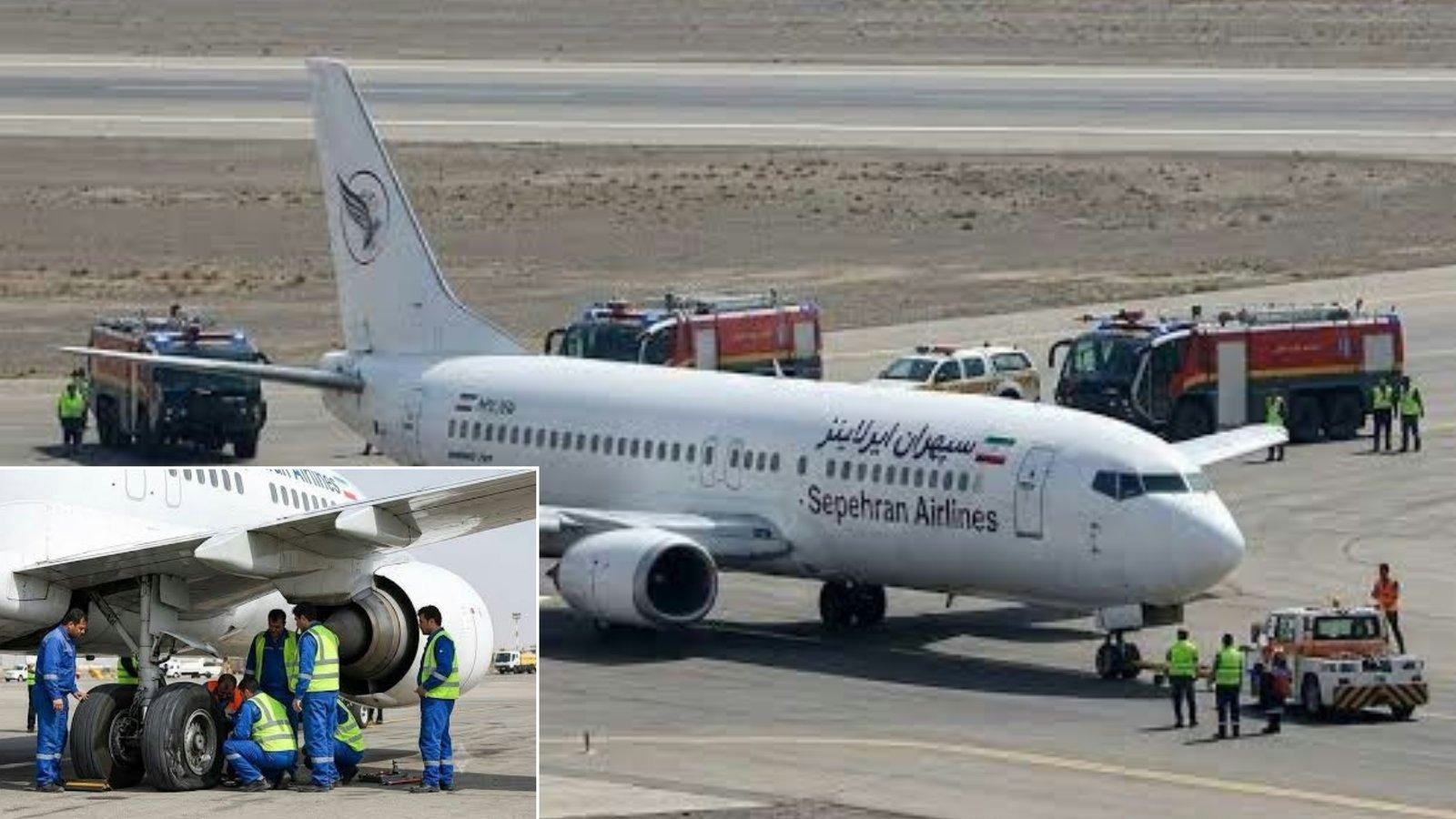
Sepehran Airlines B737 Returns to Mashhad After Tyre and Engine Issues

Etihad Deploys Widebody Fleet to Meet Strong Demand

Korean Air Finalizes $36.2 Billion Deal with Boeing
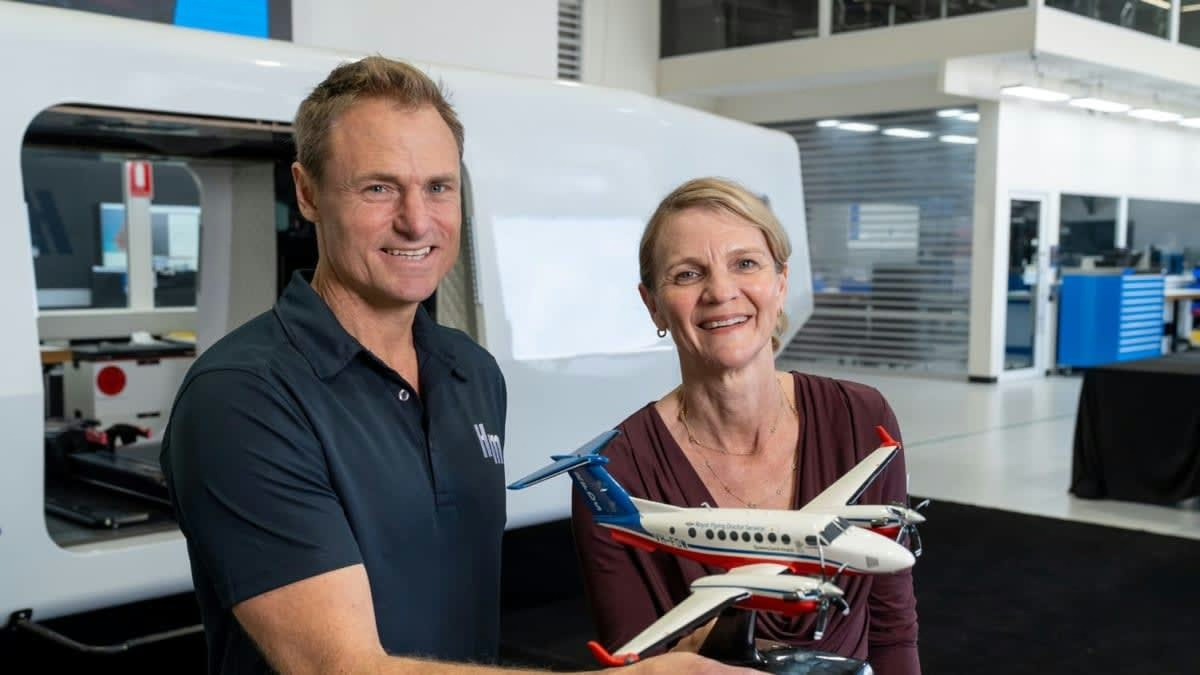
Australia’s RFDS Queensland Section Orders Six King Air 260Cs
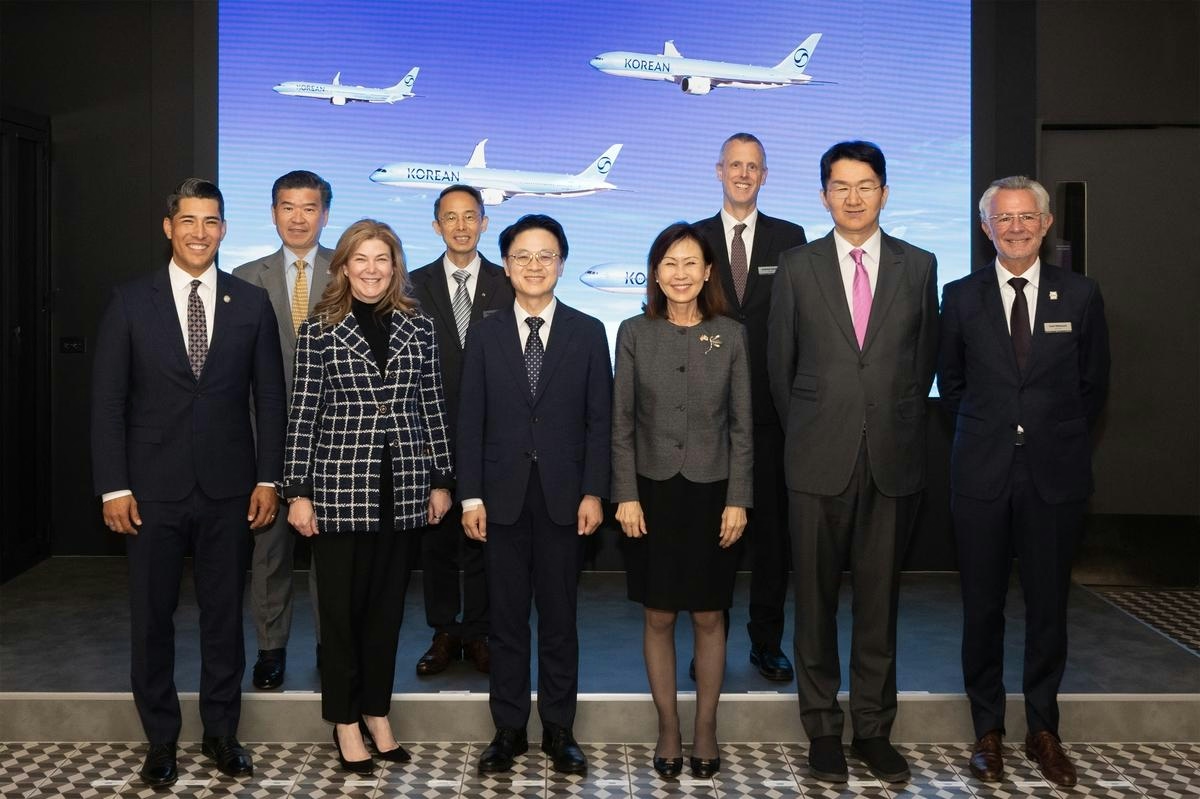
Korean Air Finalizes Order for 103 Boeing Jets and Engines

Embraer E195-E2 Features Distinctive Engine Placement Among Regional Jets
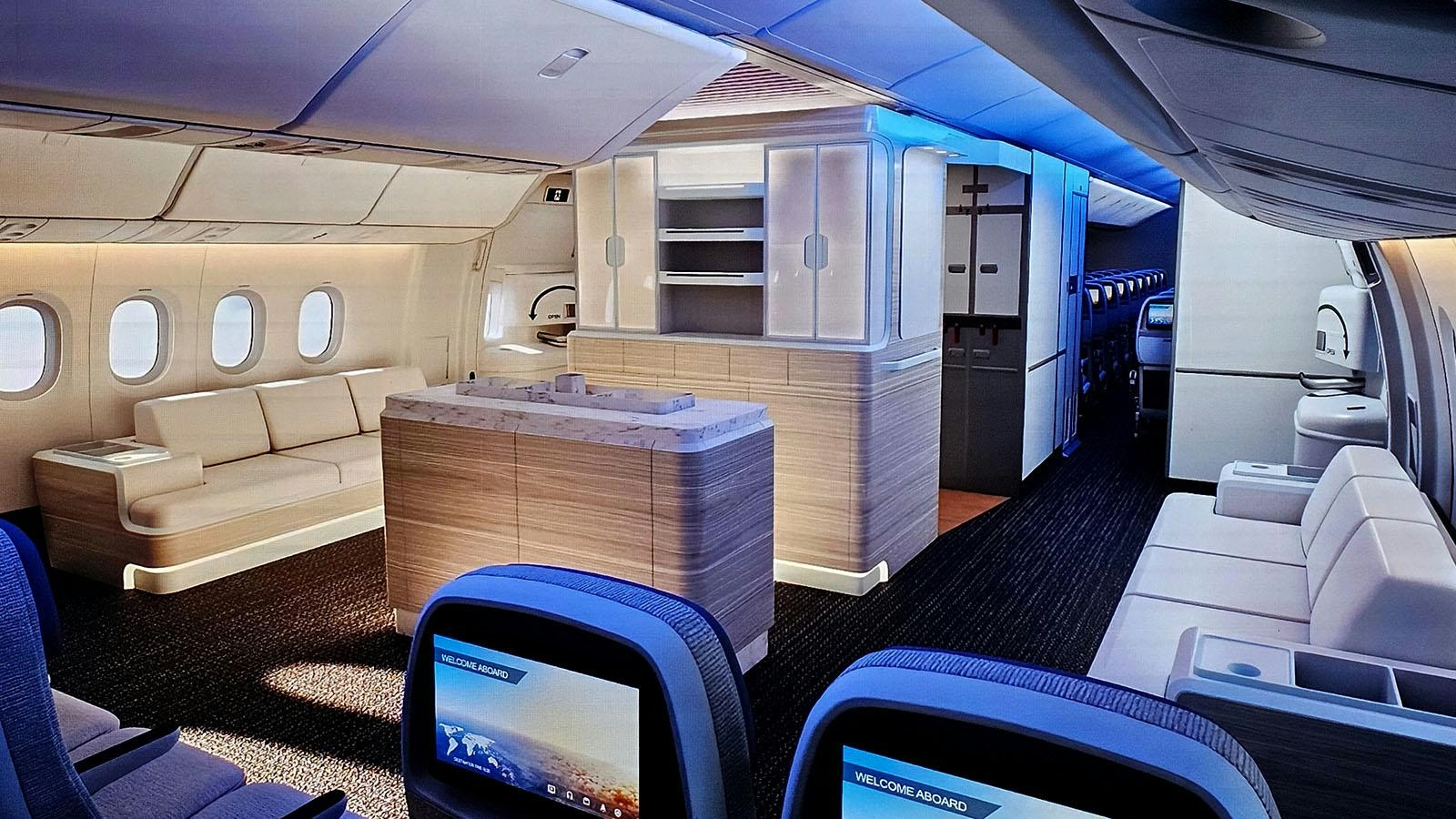
What Passengers Can Expect on Boeing’s New 777X Jet
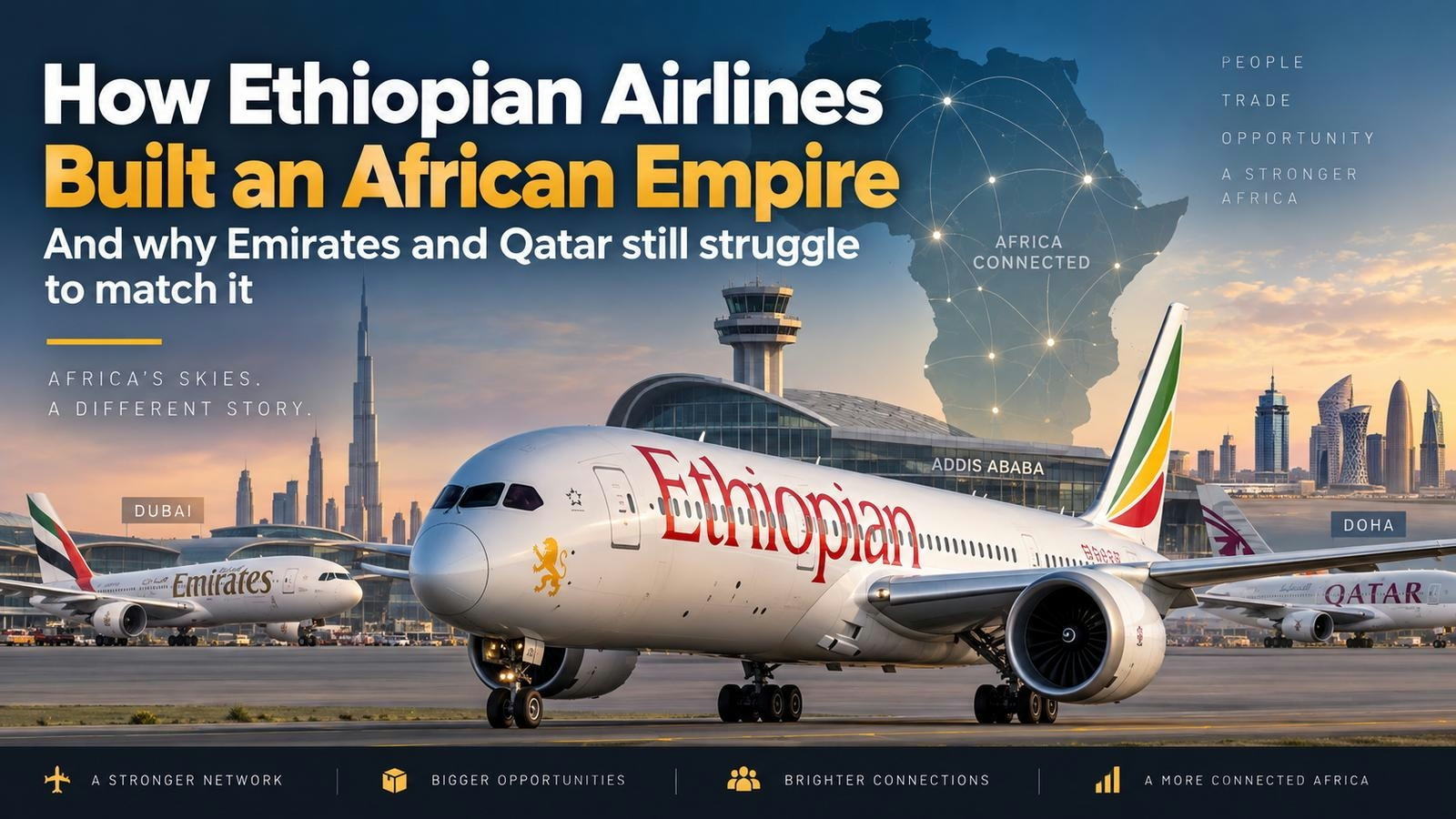
How Ethiopian Airlines Became Africa’s Leading Carrier Amid Gulf Competition

Joby Aviation Extends Autonomous Flight Capabilities with Cross-Country Tour
