
Orquestre insights de IA em ações

Tendências
Categories
US Airlines Invest in Premium Cabins, AI, and New Routes to Transform Air Travel by 2026
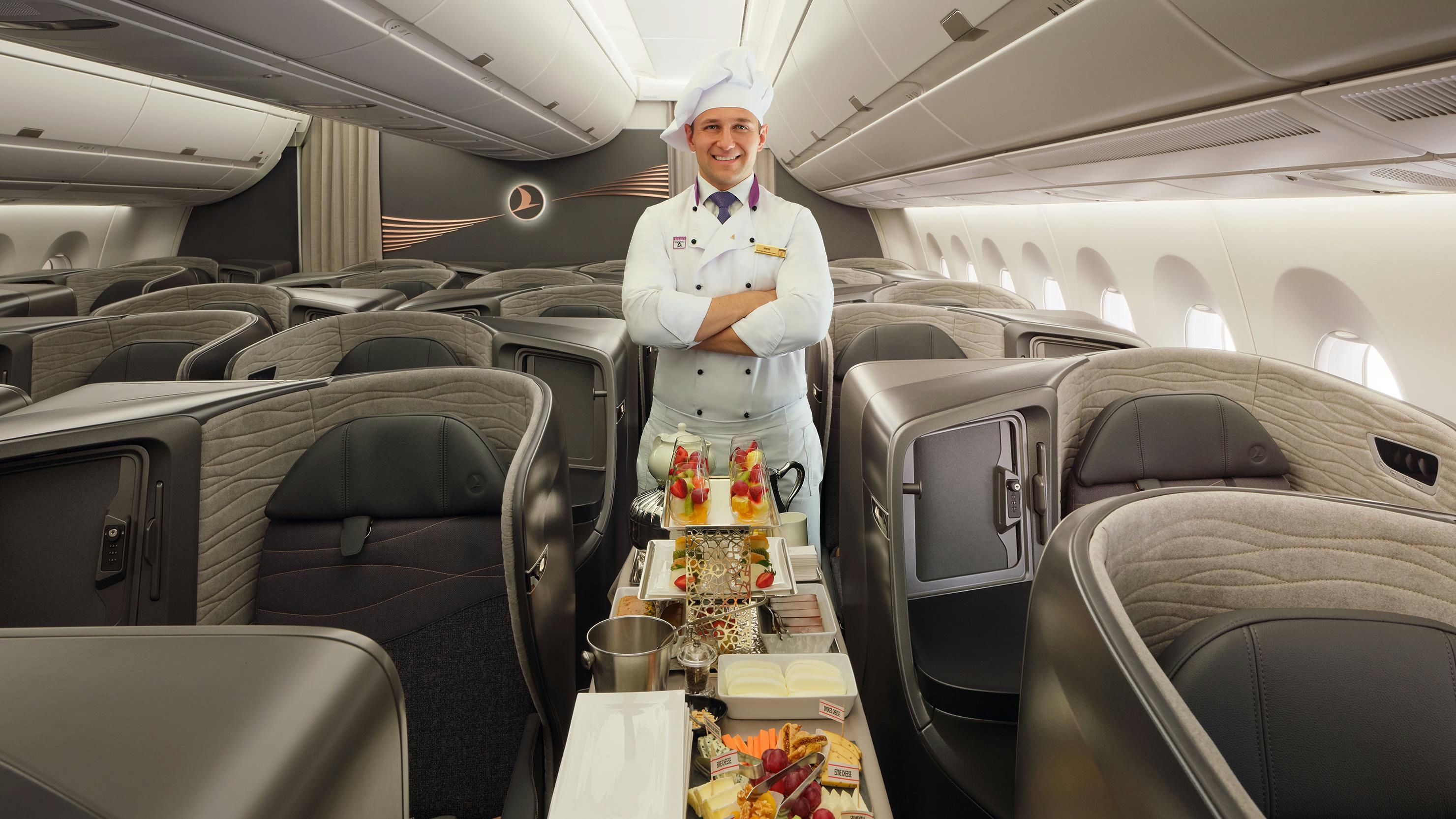
US Airlines Invest in Premium Cabins, AI, and New Routes to Transform Air Travel by 2026
Major US airlines, including United, American, Delta, Alaska, and Southwest, are undertaking significant transformations that extend beyond traditional fare competition. These carriers are investing heavily in premium cabins, artificial intelligence (AI), expanded international routes, high-speed onboard connectivity, and seamless digital airport experiences. This comprehensive industry shift is set to redefine air travel for millions of passengers by 2026, emphasizing smarter, faster, and more personalized journeys.
A New Era Focused on Passenger Experience
The US airline industry is entering a phase where the overall travel experience—from booking to arrival—holds equal importance to price and route availability. Rising passenger expectations, rapid technological advancements, and increased demand for premium leisure travel are driving airlines to redesign their products and services. Enhanced seating options, AI-powered customer service, faster Wi-Fi, and modernized aircraft interiors are becoming standard features. Simultaneously, digital tools are streamlining every stage of the journey, making convenience, flexibility, and customer satisfaction as critical as affordability for both leisure and business travelers.
United Airlines at the Forefront of Innovation
United Airlines is emerging as a leader in this transformation, aggressively expanding its international network across Europe, Asia, Africa, and the South Pacific. The airline has upgraded many of its aircraft with larger Polaris Business Class cabins, improved Premium Plus seating, and enhanced onboard entertainment systems. These enhancements reflect a growing willingness among travelers to pay a premium for comfort on long-haul flights. Additionally, United is leveraging AI to improve operational efficiency, personalize customer interactions, and manage disruptions more effectively, positioning itself at the cutting edge of airline innovation.
American Airlines’ Focus on Accessibility and Modernization
American Airlines is also modernizing its fleet and passenger experience by increasing the number of premium seats and updating cabin layouts. The airline is prioritizing value through upgraded cabins, enhanced lounges, and expanded international connectivity. Its goal is to make premium travel more accessible to a broader range of passengers, balancing luxury with affordability.
Challenges Amid Intensifying Competition
Despite these advancements, US airlines face considerable challenges. The drive toward premium products and AI-driven services is creating a widening gap between financially robust carriers and those struggling to keep pace, particularly in the context of volatile fuel prices. New entrants such as Riyadh Air, recently approved for direct flights to New York and Washington, are intensifying competition on lucrative transatlantic routes. This increased rivalry may place additional pressure on weaker airlines, potentially limiting their ability to invest in necessary upgrades.
Investor sentiment regarding AI’s role in aviation remains divided. While some view AI as a tool for immediate cost optimization and operational efficiency, others remain skeptical about its potential to drive long-term revenue growth. This ongoing debate influences the pace and scale at which airlines integrate AI into their operations.
Looking Ahead: The Future of US Air Travel
As US airlines continue to invest in premium cabins, AI innovation, and expanded global networks, the industry is clearly moving toward a more experience-driven model. These changes promise enhanced comfort, personalization, and convenience for passengers. However, they also underscore the growing divide between carriers capable of investing in the future and those at risk of falling behind. The coming years will be critical as airlines navigate evolving passenger expectations, technological disruption, and intensifying global competition.

Etihad Airways Suspends Airbus A380 Flights on Key Route

Aditya Birla Group Seeks Approval for Aircraft Leasing in GIFT City

Qatar Airways Highlights Innovation and Connectivity at Arabian Travel Market 2026

Hong Kong's Five-Year Plan Includes Andrew Fan's Aircraft Parts Processing Hub Proposal

ACIA Aero Leasing Delivers ATR72-600 to Air Nostrum

RTX Appoints Jill Albertelli as Head of Pratt & Whitney

TAT Technologies Joins Beyond Aero Hydrogen Aircraft Program

AURAK Study Highlights Barriers to Air Taxi Adoption in Emerging Economies

Xiamen Air Selects Altitude for 787 Maintenance at Heathrow

Etihad and Swissport Extend Global Partnership
