
Orquestre insights de IA em ações

Tendências
Categories
Wet leasing gains altitude as Egyptian airlines chase tourism growth
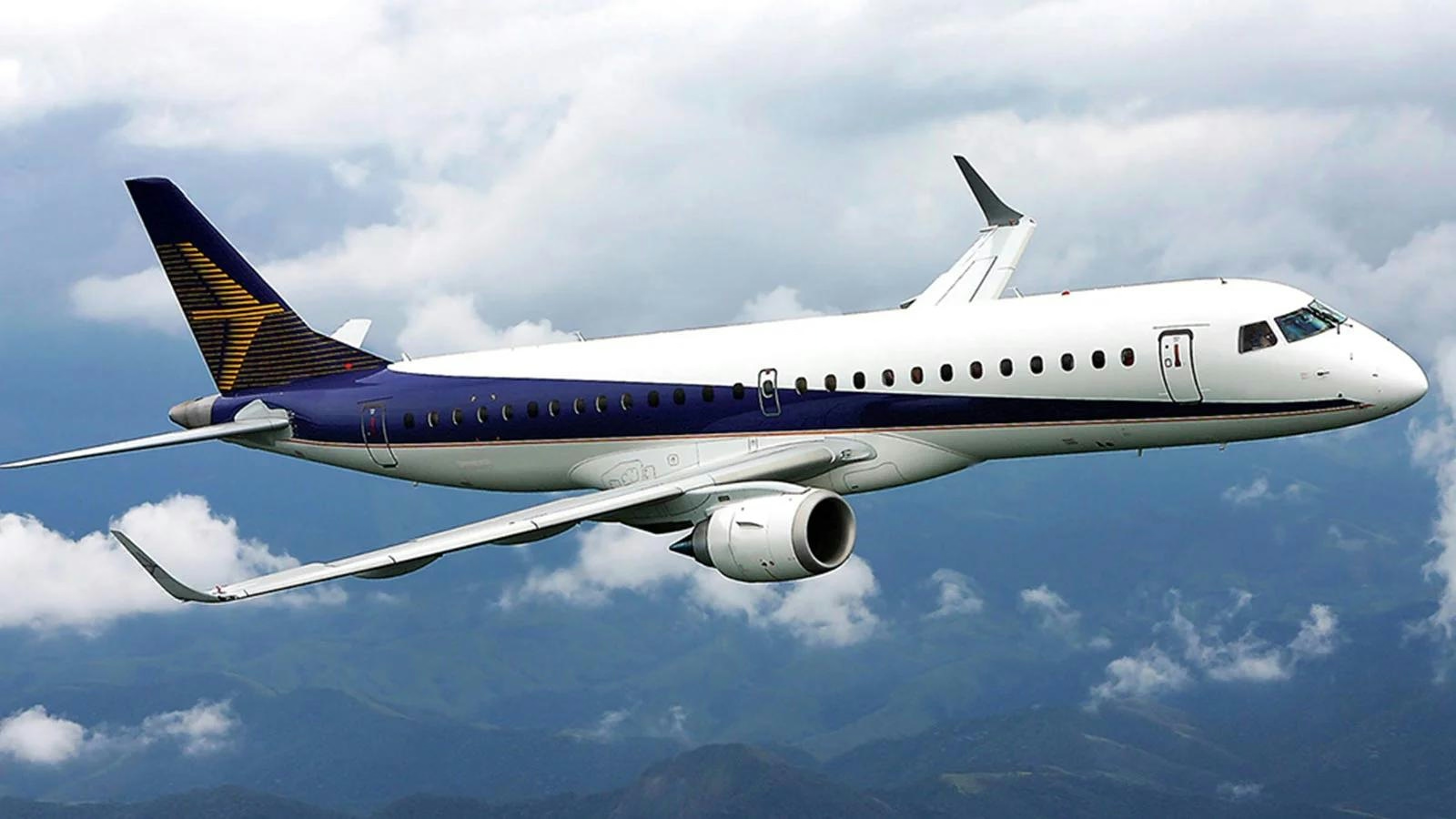
Wet Leasing Gains Altitude as Egyptian Airlines Chase Tourism Growth
Balancing Fleet Expansion with Flexibility
Egypt’s rapidly expanding tourism sector is prompting a strategic reassessment among the nation’s airlines as they seek to accommodate surging passenger numbers without incurring the high costs associated with permanent fleet expansion. The Ministry of Tourism and Antiquities projects nearly 19 million tourists will visit Egypt in 2025, fueling government ambitions for substantial growth in both air travel capacity and airport infrastructure. This surge in demand has intensified the need for more aircraft, yet industry experts emphasize that the challenge lies not only in acquiring additional planes but in determining the optimal balance between permanent fleet additions and temporary capacity solutions.
Wet leasing, also known as ACMI (aircraft, crew, maintenance, and insurance) leasing, has emerged as a critical component of this strategy. By providing airlines with the ability to scale capacity flexibly, wet leasing allows carriers to respond effectively to seasonal fluctuations, launch new routes, or cover short-term operational gaps without the long-term financial commitments of fleet ownership.
“Egypt’s airlines have strong reasons to grow, but not every increase in demand requires a permanent aircraft,” explained Justinas Bulka, CEO of KlasJet, an ACMI and charter operator within Avia Solutions Group. “Fleet ownership and long-term leases provide the foundation for sustained growth, while ACMI gives airlines the flexibility to respond to seasonal peaks, launch new routes, or cover short-term capacity gaps. The two should form part of the same fleet strategy.”
Infrastructure and Fleet Growth Amid Seasonal Variability
The importance of integrating wet leasing into fleet management is underscored by Egypt’s ongoing investments in aviation infrastructure. Cairo International Airport is preparing to open a fourth terminal, which will increase its annual passenger capacity to 70 million. Meanwhile, Sphinx International Airport has recently undergone significant upgrades. On the airline front, EgyptAir plans to expand its fleet to 125 aircraft by adding 34 new planes, aiming to double its passenger numbers. Its subsidiary, Air Cairo, intends to nearly double its fleet from 42 to 82 aircraft over the next four years.
Despite these ambitious plans, passenger traffic remains uneven throughout the year and across different routes. In 2024, European tourists accounted for 65% of Egypt’s international arrivals, totaling over 10.2 million visitors, according to OECD data. Charter flights to Egyptian destinations surged by 32% in 2025, reflecting the seasonal and market-driven variability in demand.
This uneven traffic pattern presents operational and financial challenges for airlines. Maintaining a permanent fleet large enough to cover peak seasons risks underutilization during off-peak periods, while sizing fleets to average demand can leave carriers short during high-demand intervals. Wet leasing offers a pragmatic solution, enabling airlines to rapidly increase capacity for defined periods and scale back when demand wanes. KlasJet highlighted its ability to deliver an aircraft to Air Cairo within three days of agreement in 2025, exemplifying the responsiveness wet leasing can provide.
Challenges and Competitive Dynamics in the ACMI Market
While wet leasing offers flexibility, it is not without its challenges. Egyptian airlines must carefully manage fluctuating demand, operational costs, and regulatory compliance. The rising popularity of ACMI solutions has intensified competition among carriers seeking wet lease agreements, potentially driving down prices and compressing profit margins. Regional competitors are adopting similar strategies to enhance capacity and capture market share, particularly in tourism-driven sectors. Airlines such as SpiceJet and EuroAtlantic Airways have actively engaged in wet leasing, signaling a competitive and evolving ACMI market.
As Egypt’s tourism ambitions continue to rise, the ability of its airlines to blend permanent fleet growth with flexible leasing arrangements will be essential. This approach will enable carriers to meet demand effectively while maintaining agility in an increasingly dynamic and competitive aviation landscape.

Etihad and Swissport Extend Global Partnership
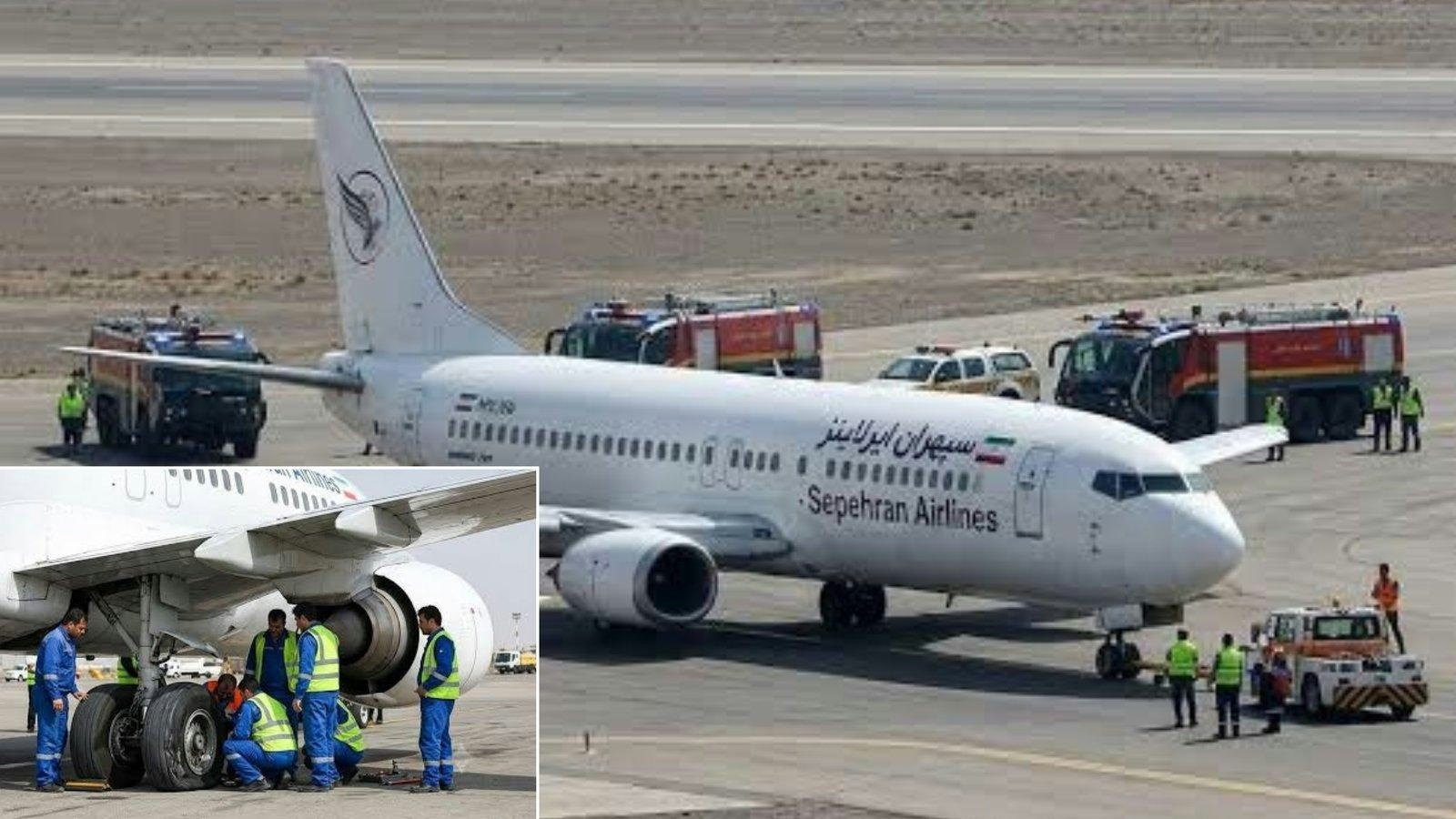
Sepehran Airlines B737 Returns to Mashhad After Tyre and Engine Issues

Etihad Deploys Widebody Fleet to Meet Strong Demand
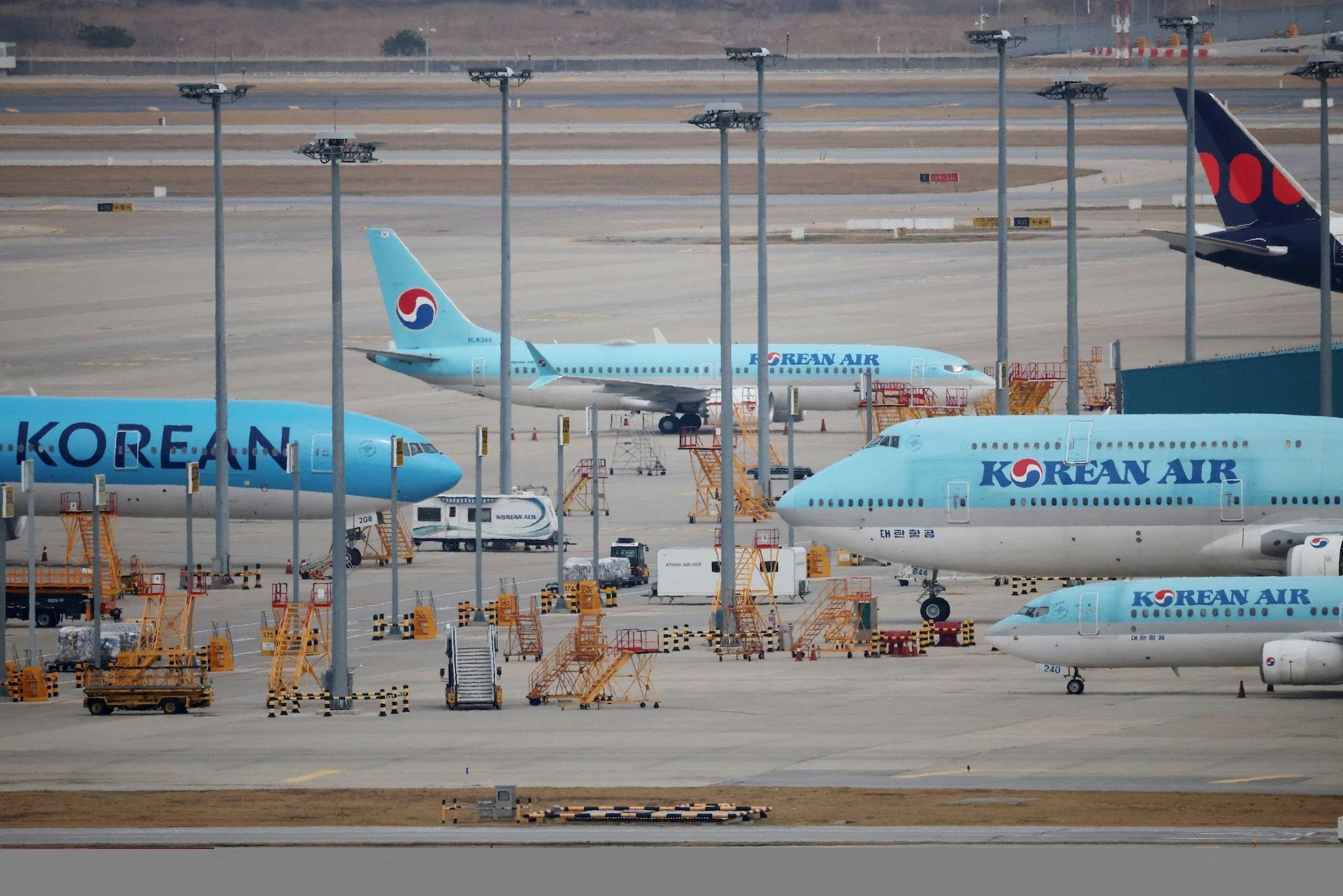
Korean Air Finalizes $36.2 Billion Deal with Boeing

Australia’s RFDS Queensland Section Orders Six King Air 260Cs
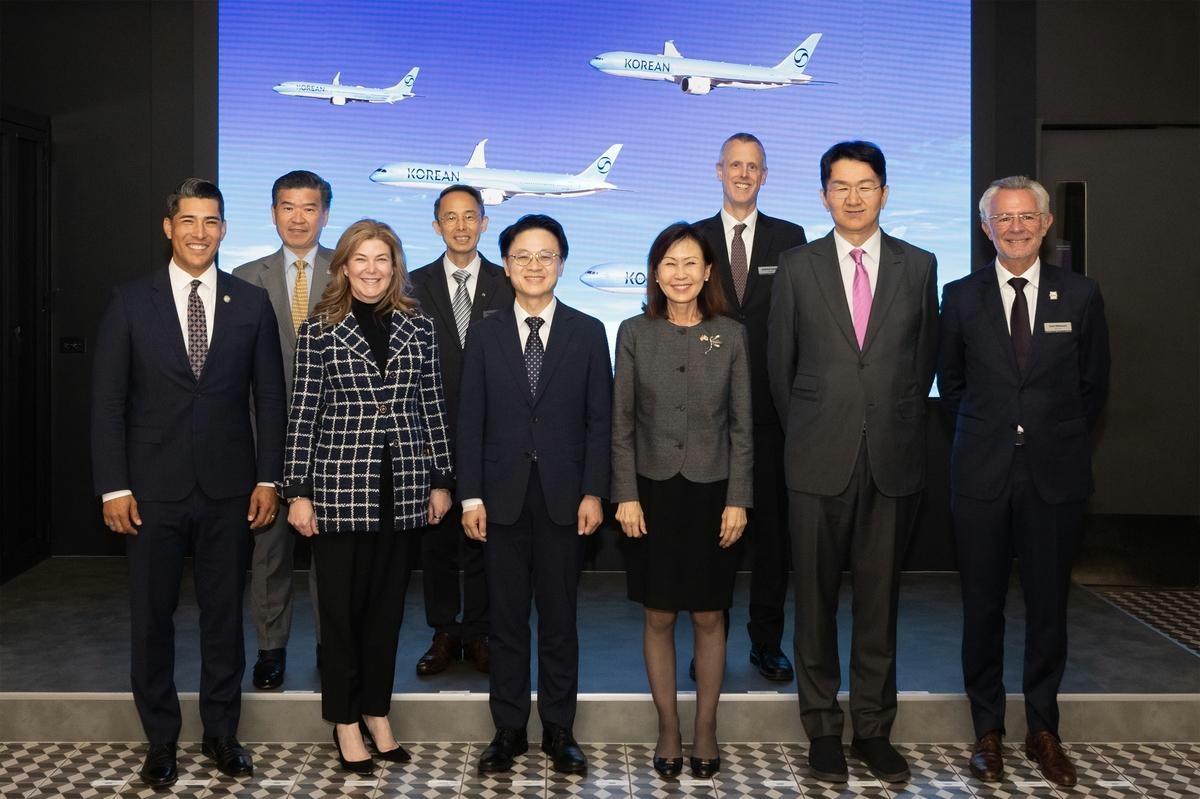
Korean Air Finalizes Order for 103 Boeing Jets and Engines
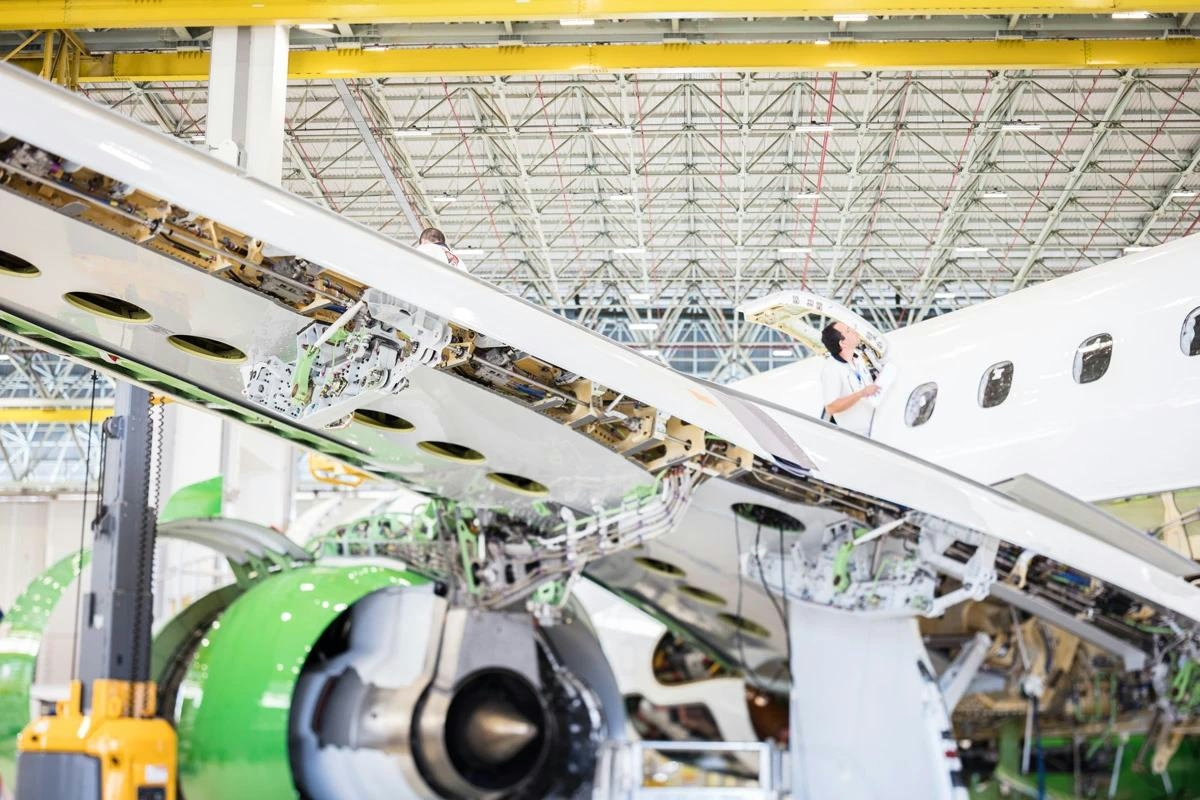
Embraer E195-E2 Features Distinctive Engine Placement Among Regional Jets
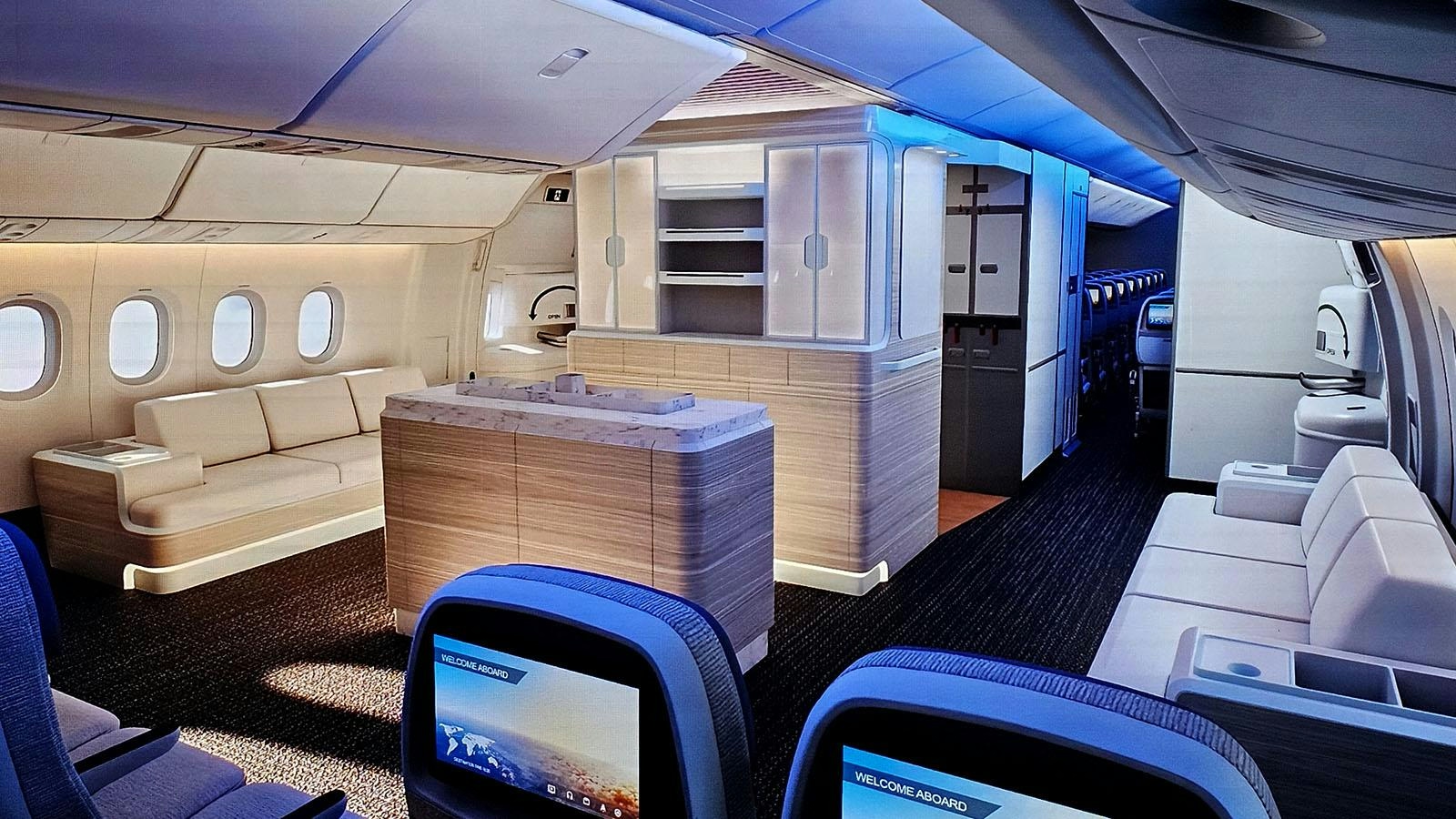
What Passengers Can Expect on Boeing’s New 777X Jet
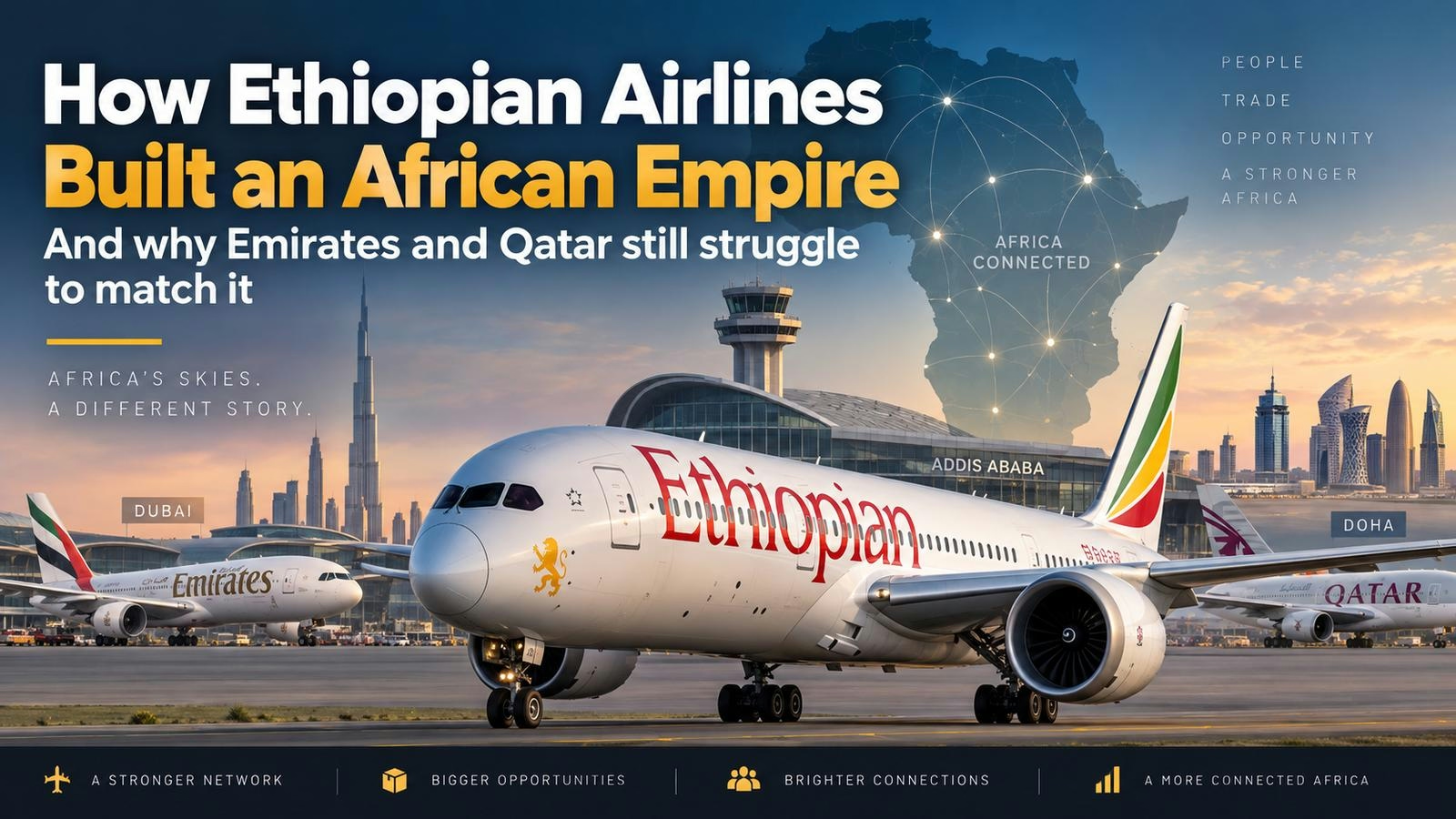
How Ethiopian Airlines Became Africa’s Leading Carrier Amid Gulf Competition

Joby Aviation Extends Autonomous Flight Capabilities with Cross-Country Tour
