
Превращайте аналитические выводы ИИ в реальные действия

В тренде
Categories
AI and eVTOL Developments Signal Growing Need for Aviation Training
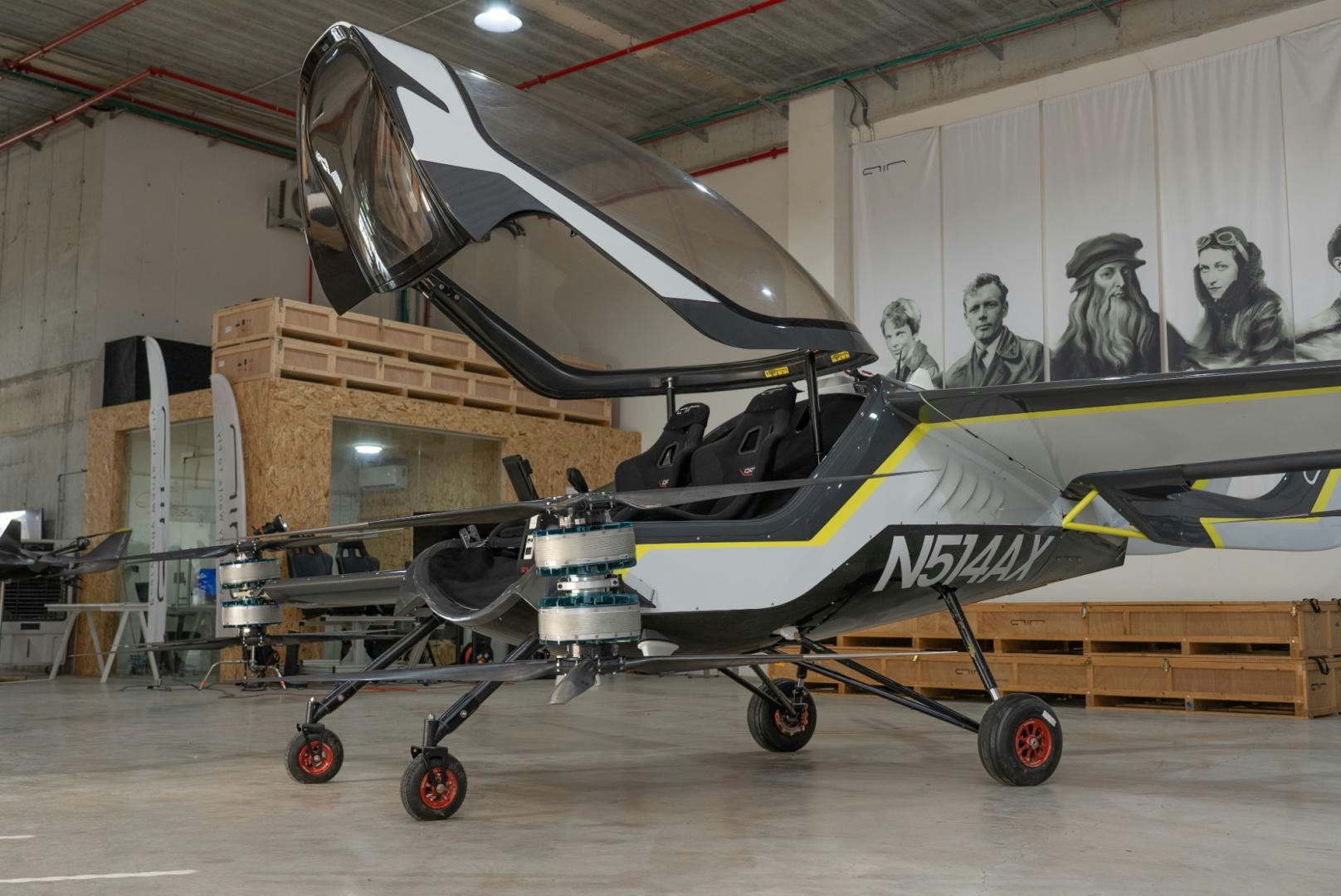
AI and eVTOL Developments Signal Growing Need for Aviation Training
As artificial intelligence (AI) and electric vertical takeoff and landing (eVTOL) technologies continue to advance, the aviation industry is experiencing an escalating demand for professionals skilled in both AI and next-generation flight systems. Advanced Air Mobility (AAM) is evolving from a futuristic vision into a tangible solution, integrating electric, autonomous, and highly connected aircraft into existing airspace. This integration aims to enhance the efficiency of passenger and cargo transport while addressing issues such as congestion and environmental impact.
Industry experts predict substantial progress in eVTOL deployment in the coming years, propelled by innovations in AI, automation, and digital aviation infrastructure. Nevertheless, the sector faces significant challenges. The eVTOL industry contends with high cash burn rates and prolonged flight testing periods, which have intensified scrutiny regarding financial sustainability and operational feasibility. In response, companies are adopting strategic adjustments; for instance, DreamFly has shifted its focus toward hybrid propulsion systems and cargo-first operations to better navigate these obstacles.
The Expanding Role of AI in Aviation
AI is rapidly becoming the essential intelligence layer that enables AAM systems to function safely and efficiently. As eVTOL and autonomous flight technologies approach commercial viability, AI is expected to support critical functions such as route optimization, predictive maintenance, air traffic management, operational analytics, and real-time decision-making. Consequently, structured AI training is imperative for aviation professionals tasked with managing these complex, data-intensive environments and facilitating the adoption of AAM technologies.
Recent developments indicate a transition from experimental phases to practical implementation. Regulatory bodies, manufacturers, and technology providers are collaborating to establish the infrastructure necessary for large-scale AAM operations. This shift demands intelligent systems capable of processing vast amounts of operational data and adapting to dynamic flight conditions—capabilities that would be nearly impossible to achieve manually as airspace becomes increasingly congested with traditional aircraft, drones, and eVTOL vehicles.
Why AI Skills Are Essential for AAM and eVTOL Success
The success of advanced air mobility depends not only on innovative aircraft design but also on cultivating a workforce proficient in integrating AI with aviation systems, data networks, digital twins, predictive models, and autonomous operations. Research demonstrates that AI is already being employed to simulate flight operations, optimize traffic flow, validate safety scenarios, and enhance decision-making processes. AI-powered test environments are accelerating innovation while mitigating risk, yet these advancements require personnel with practical AI expertise.
This growing demand for specialized training raises concerns about whether current educational programs sufficiently prepare graduates for careers in advanced air mobility. As aviation companies increasingly invest in AI-driven platforms, engineers, managers, safety specialists, and technology professionals must evolve alongside the technology to fully harness its potential.
Key Lessons from Aviation’s AI Evolution
A fundamental lesson emerging from the rise of AAM and eVTOL is that technological innovation alone is insufficient for success. The industry requires professionals capable of understanding, managing, and optimizing AI-driven systems. Interdisciplinary knowledge encompassing AI, cybersecurity, data analytics, automation, digital infrastructure, and operational management is becoming indispensable. Without comprehensive training and cross-functional expertise, organizations risk falling behind in a rapidly transforming aviation landscape.

Etihad Airways Suspends Airbus A380 Flights on Key Route

Aditya Birla Group Seeks Approval for Aircraft Leasing in GIFT City

Qatar Airways Highlights Innovation and Connectivity at Arabian Travel Market 2026

Hong Kong's Five-Year Plan Includes Andrew Fan's Aircraft Parts Processing Hub Proposal

ACIA Aero Leasing Delivers ATR72-600 to Air Nostrum

RTX Appoints Jill Albertelli as Head of Pratt & Whitney

TAT Technologies Joins Beyond Aero Hydrogen Aircraft Program

AURAK Study Highlights Barriers to Air Taxi Adoption in Emerging Economies

Xiamen Air Selects Altitude for 787 Maintenance at Heathrow

Etihad and Swissport Extend Global Partnership
