
Превращайте аналитические выводы ИИ в реальные действия

В тренде
Categories
AI-Powered Border Control System Introduced at Major Airport
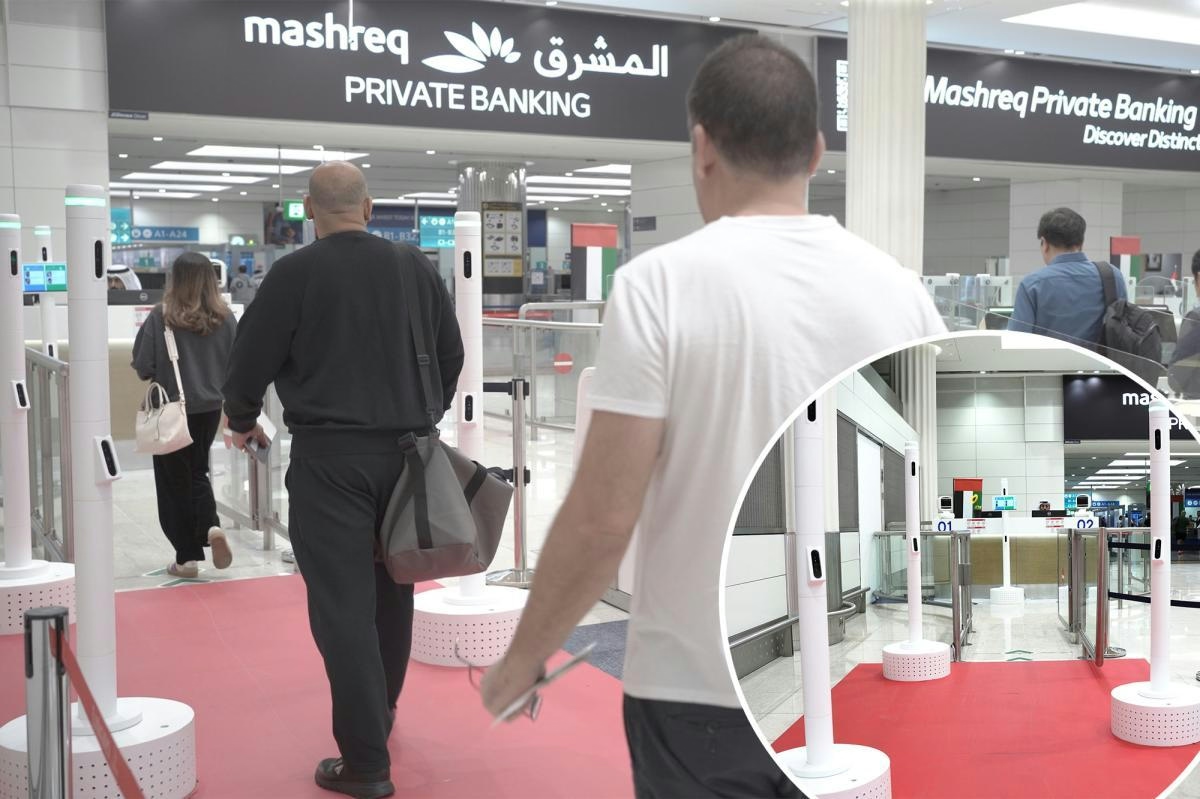
AI-Powered Border Control System Debuts at Dubai International Airport
Dubai International Airport (DXB) has unveiled an advanced border control system driven by artificial intelligence, designed to expedite passenger processing while bolstering security measures. Integrating AI with biometric cameras and real-time flight data, the system can identify travelers and detect suspicious luggage within six to fourteen seconds. Initially introduced last year for business class departures from Terminal Three, the technology has now been extended to arriving passengers, marking a significant step in the airport’s modernization efforts.
Enhancing Efficiency and Passenger Experience
The AI-enabled process allows up to ten passengers to pass through border control simultaneously, a notable improvement during peak travel times. Travelers utilizing the system are no longer required to present physical travel documents at checkpoints. Instead, they pre-register their passport information and submit an identifying photograph prior to arrival at the airport. This approach aims to reduce wait times and streamline the overall passenger journey.
Paul Griffiths, CEO of Dubai Airports, emphasized the airport’s commitment to leveraging advanced camera technology to facilitate a seamless security experience. “We want security measures to be less intrusive, yet thorough,” Griffiths stated, underscoring the objective of making airport procedures more efficient and less stressful for travelers. Developed in partnership with the General Directorate of Residency and Foreigners Affairs, the system has also undergone trials for first-class passengers and is expected to be rolled out to all travelers in the near future.
Griffiths envisions a future where passengers simply drop off their luggage at check-in and proceed directly to the departure lounge, with security and immigration processes integrated and largely invisible. This vision reflects a broader ambition to transform airport travel into a smooth, almost theme park-like experience.
Challenges and Industry Implications
Despite the promise of AI-powered border control, the implementation of such advanced systems is not without challenges. Comparable initiatives, including the European Union’s Entry/Exit System, have encountered technical difficulties that resulted in long queues and missed flight connections, raising concerns about operational reliability. These setbacks have fostered skepticism among travelers and airlines, who remain wary of potential delays and system malfunctions.
In response to these challenges, other players in the aviation sector are exploring their own AI-driven solutions, either to replicate Dubai’s efficiency gains or to address the technical shortcomings observed in existing systems. The increasing reliance on AI in border control also invites scrutiny regarding government regulation. Recent measures by the U.S. administration to restrict foreign nationals’ access to advanced AI models highlight potential regulatory obstacles that could affect the global deployment and commercial viability of AI technologies.
Nonetheless, Griffiths remains optimistic about the future. He suggested that intelligent use of infrastructure could enable airports to accommodate higher passenger volumes without the need for physical expansion. His vision of airport travel is one where passengers and their luggage move effortlessly through terminals, supported by sophisticated technology that enhances both speed and security.
As Dubai International Airport pioneers this AI-driven approach, the global aviation industry will be closely monitoring its ability to deliver on the promise of improved efficiency and convenience, while avoiding the pitfalls experienced by similar systems elsewhere.

Etihad and Swissport Extend Global Partnership

Sepehran Airlines B737 Returns to Mashhad After Tyre and Engine Issues

Etihad Deploys Widebody Fleet to Meet Strong Demand

Korean Air Finalizes $36.2 Billion Deal with Boeing
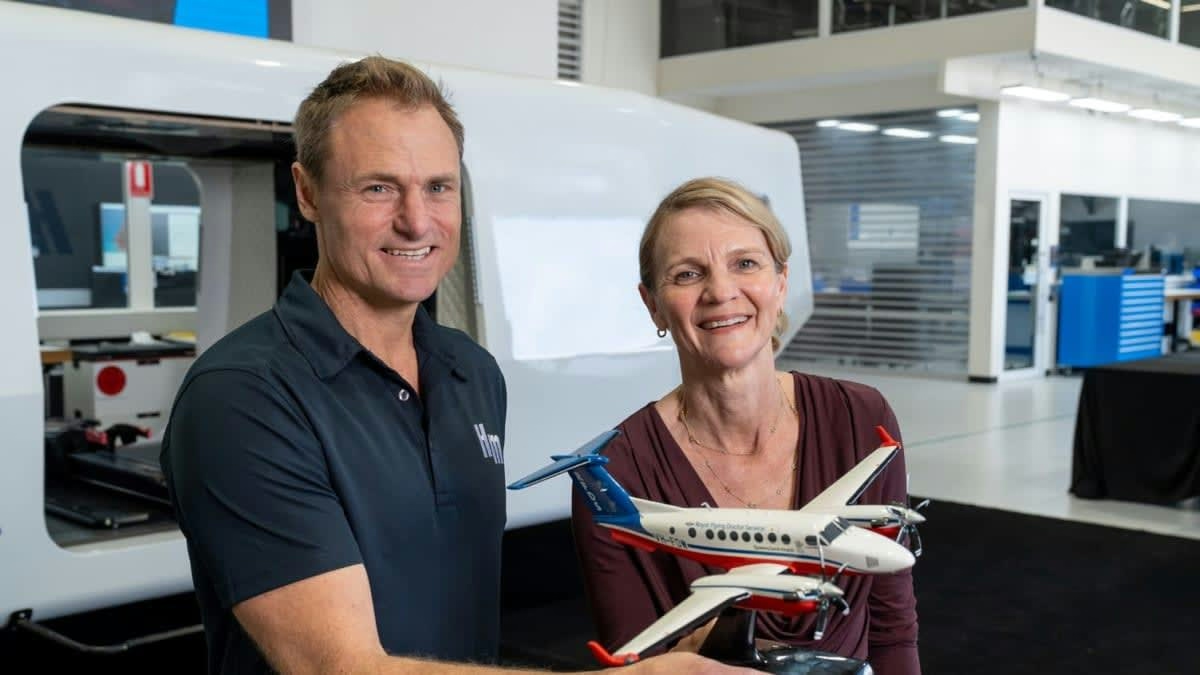
Australia’s RFDS Queensland Section Orders Six King Air 260Cs

Korean Air Finalizes Order for 103 Boeing Jets and Engines
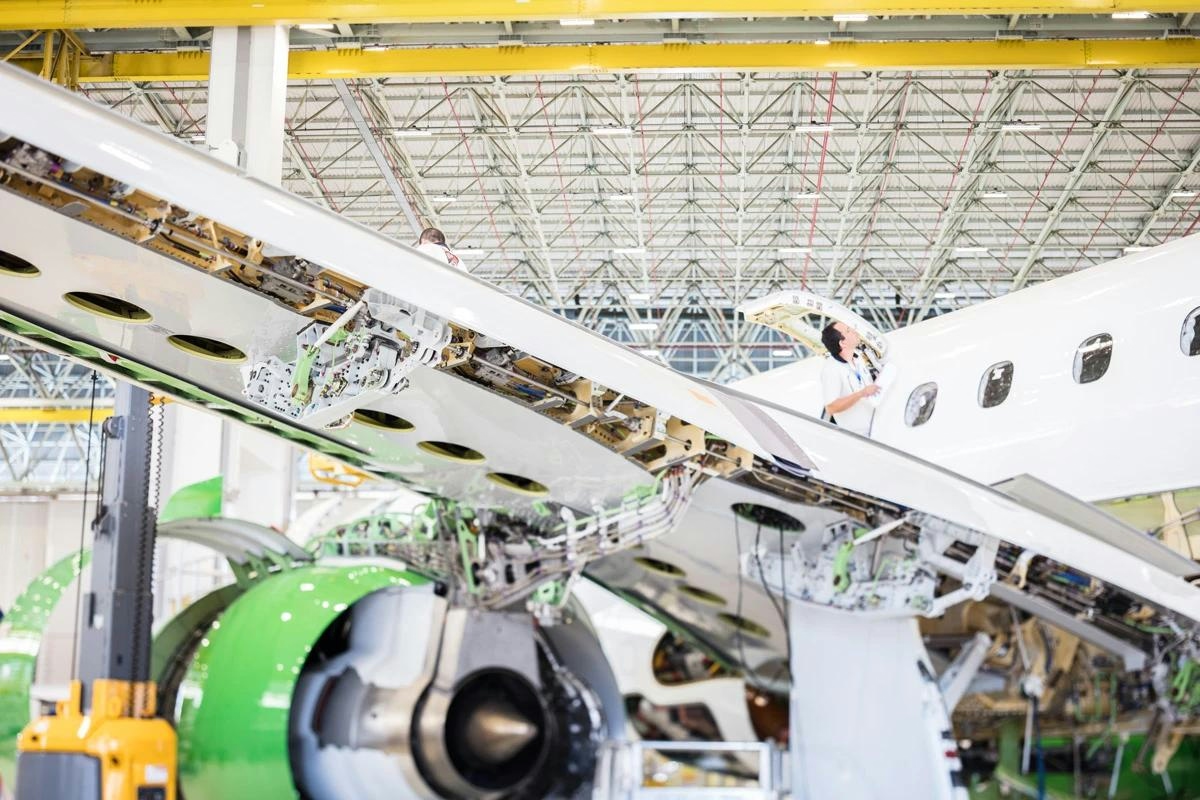
Embraer E195-E2 Features Distinctive Engine Placement Among Regional Jets
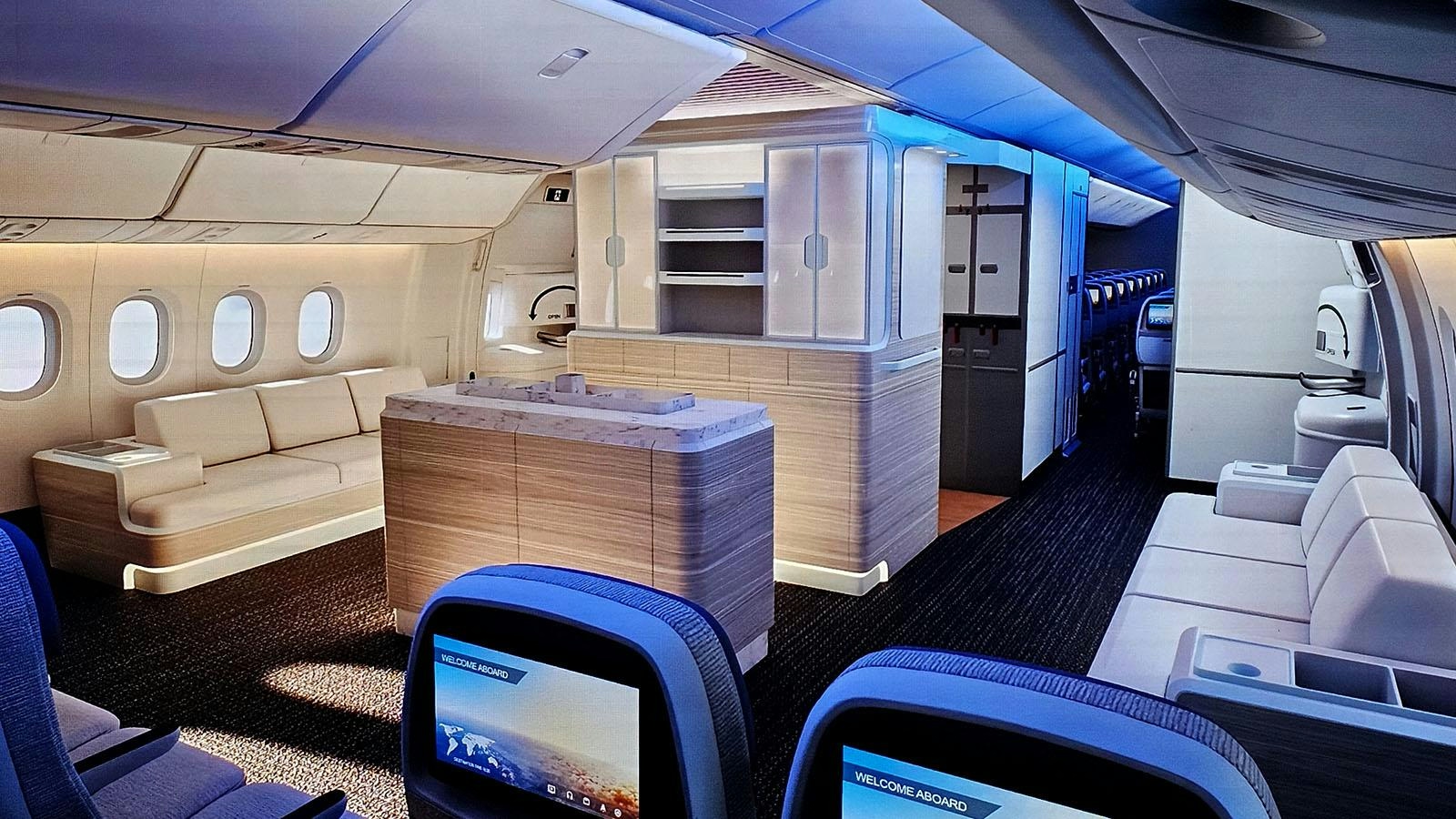
What Passengers Can Expect on Boeing’s New 777X Jet
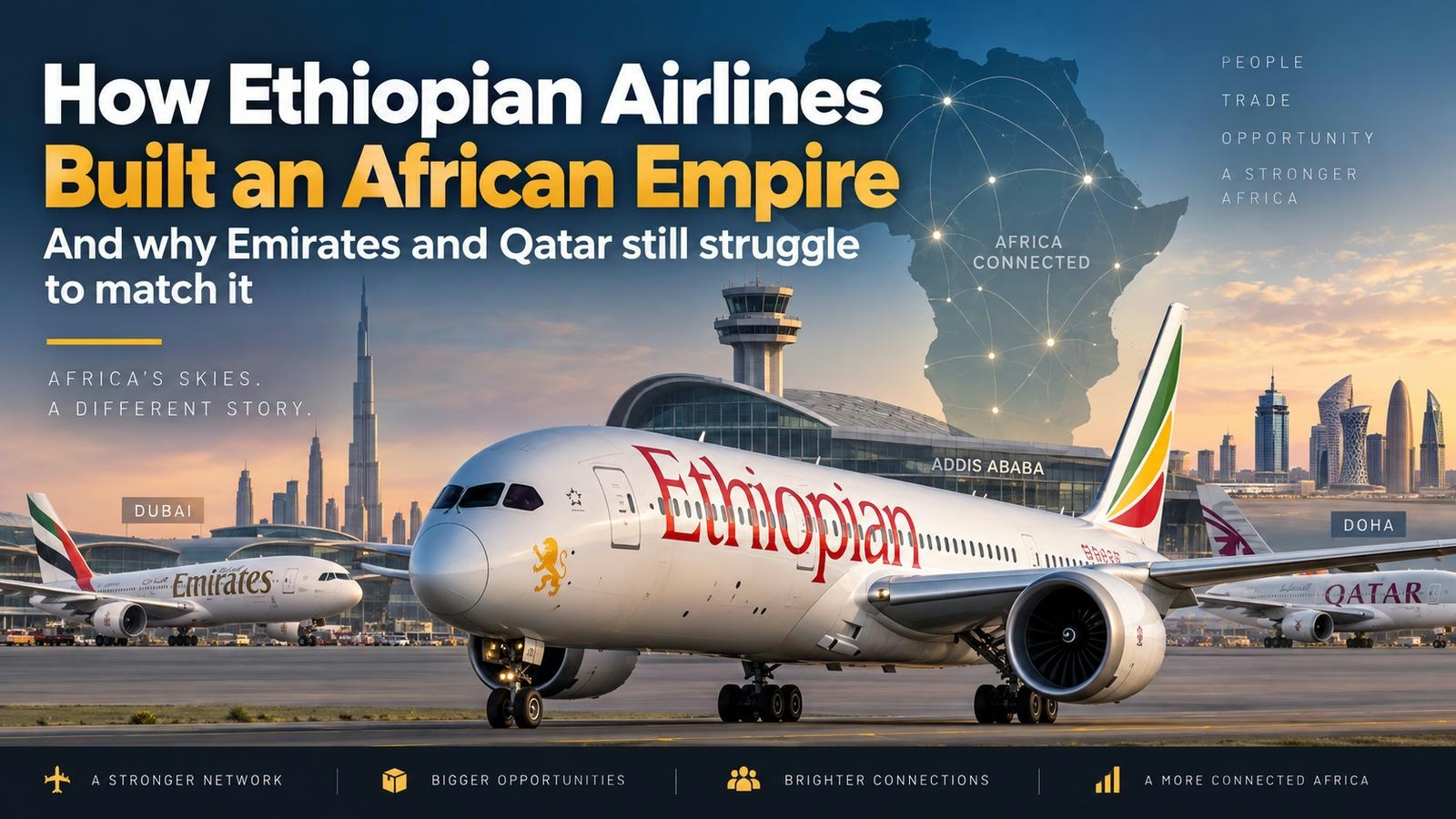
How Ethiopian Airlines Became Africa’s Leading Carrier Amid Gulf Competition
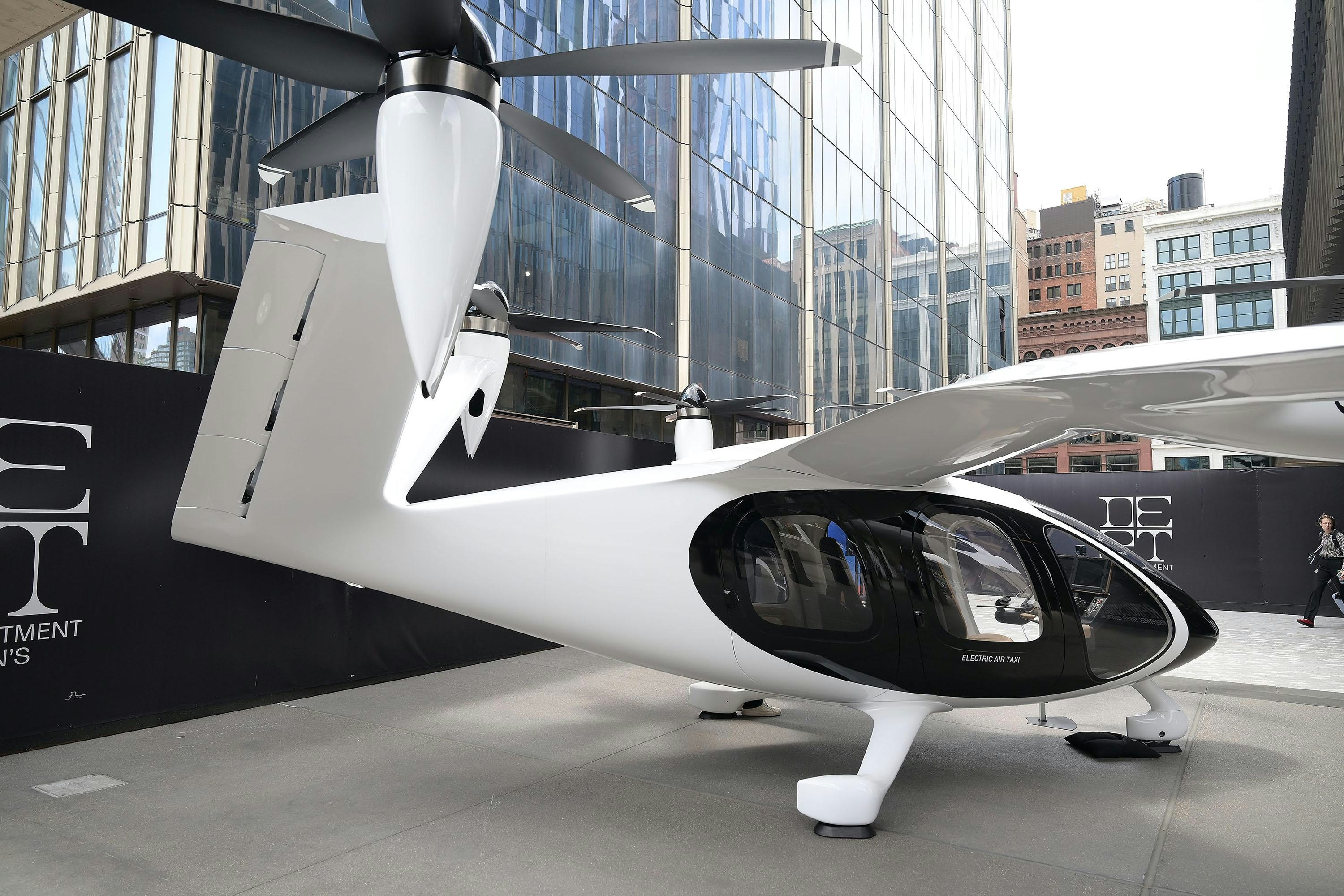
Joby Aviation Extends Autonomous Flight Capabilities with Cross-Country Tour
