
Превращайте аналитические выводы ИИ в реальные действия

В тренде
Categories
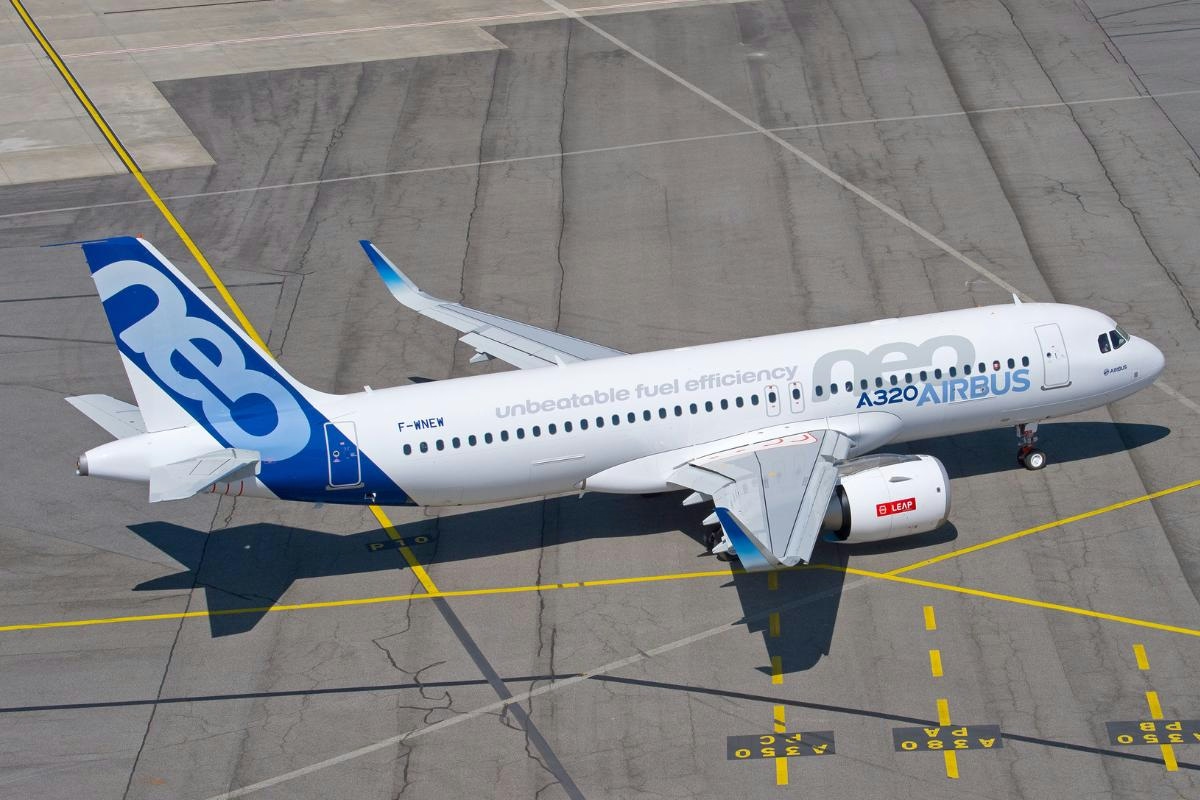
Airbus A320 Software Glitch: Current Status and Impact on Travelers
Airbus A320 Software Glitch: Current Status and Impact on Travelers
Urgent Software Update and Industry Response
Over the weekend, global airlines faced a significant challenge following the discovery of a critical software glitch affecting Airbus A320 aircraft. Airbus issued a partial recall, mandating urgent software updates for more than 6,000 active A320 jets—accounting for over half of the worldwide A320 fleet. The timing of this recall, just before the peak holiday travel season, compelled airlines to act swiftly to mitigate operational disruptions.
In response to directives from international aviation regulators, airlines undertook overnight efforts to implement the necessary software fixes. Major carriers such as United Airlines, Air India, Delta Air Lines, and Hungary’s Wizz Air reported substantial progress or completion of the updates by Saturday. Most airlines indicated that the glitch had minimal or no impact on their flight operations.
American Airlines, one of the largest operators of the A320, confirmed that only four of its 209 affected aircraft remained pending maintenance as of Saturday. Both Delta Air Lines and United Airlines reported that their flight schedules remained unaffected, with United stating that its aircraft had not experienced operational issues. Wizz Air, which operates approximately 250 Airbus jets, completed all required upgrades overnight, allowing it to resume normal flight operations promptly.
In India, the Directorate General of Civil Aviation (DGCA) announced on Sunday that airlines had completed software upgrades on 323 operational A320 aircraft. IndiGo, the country’s largest carrier, confirmed full compliance across its 200 A320-family planes, while Air India reported that over 90% of its affected aircraft had undergone the necessary resets.
Steven Greenway, CEO of Saudi Arabia’s Flyadeal, highlighted that the recall was issued late in the evening, which helped prevent more extensive disruptions. The airline successfully repaired all 13 affected jets and planned to resume normal operations by midnight.
Impact on Travelers and Ongoing Oversight
Despite the scale of the recall and the heightened travel demand during the Thanksgiving holiday period, airlines have largely managed to minimize disruptions. The most notable operational challenges and cancellations occurred in Asia and Europe, whereas U.S. carriers experienced limited impact.
U.S. Transportation Secretary Sean Duffy reassured the public that American airlines had made “great progress” and were on track to complete all required updates by Sunday at midnight. He emphasized that travelers should not anticipate major disruptions, noting that all affected U.S. airlines were adhering to the established schedule for completing the software updates.
Although the immediate crisis appears to be under control, airlines and regulatory authorities continue to monitor the situation closely. The rapid response and prioritization of software updates have been instrumental in maintaining largely normal operations, ensuring passenger safety, and minimizing inconvenience during a critical travel period.
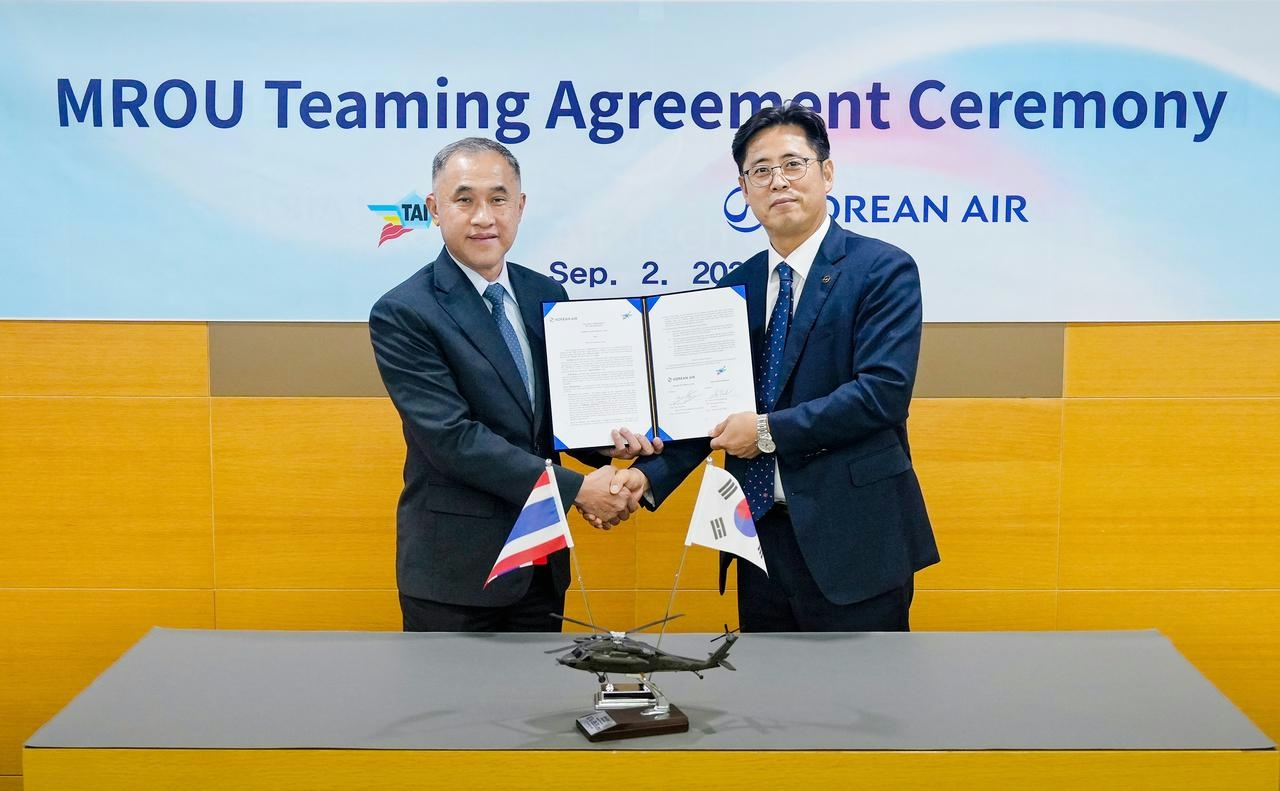
Korean Air to Maintain Thai Army Black Hawks in Partnership with TAI

Brussels Summit Addresses Challenges of Aviation’s Net-Zero Goals

Lesha Bank Acquires Portfolio of 18 Aircraft
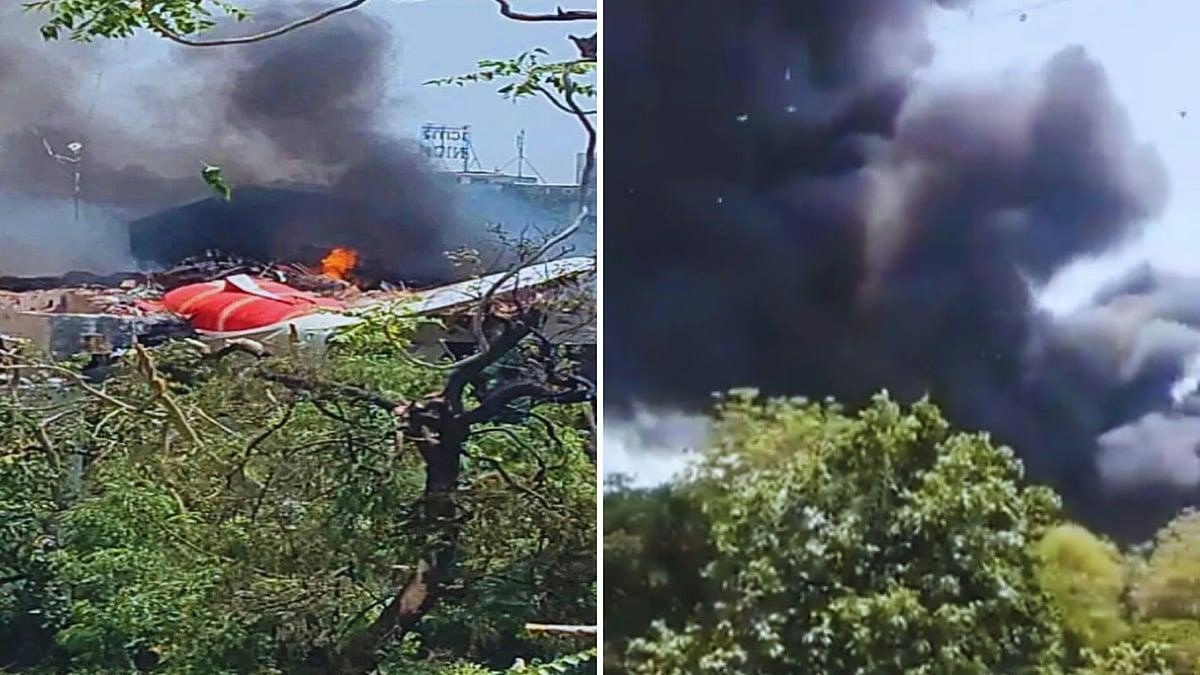
Civil Aviation Minister Announces Imminent Completion of AI-171 Crash Report
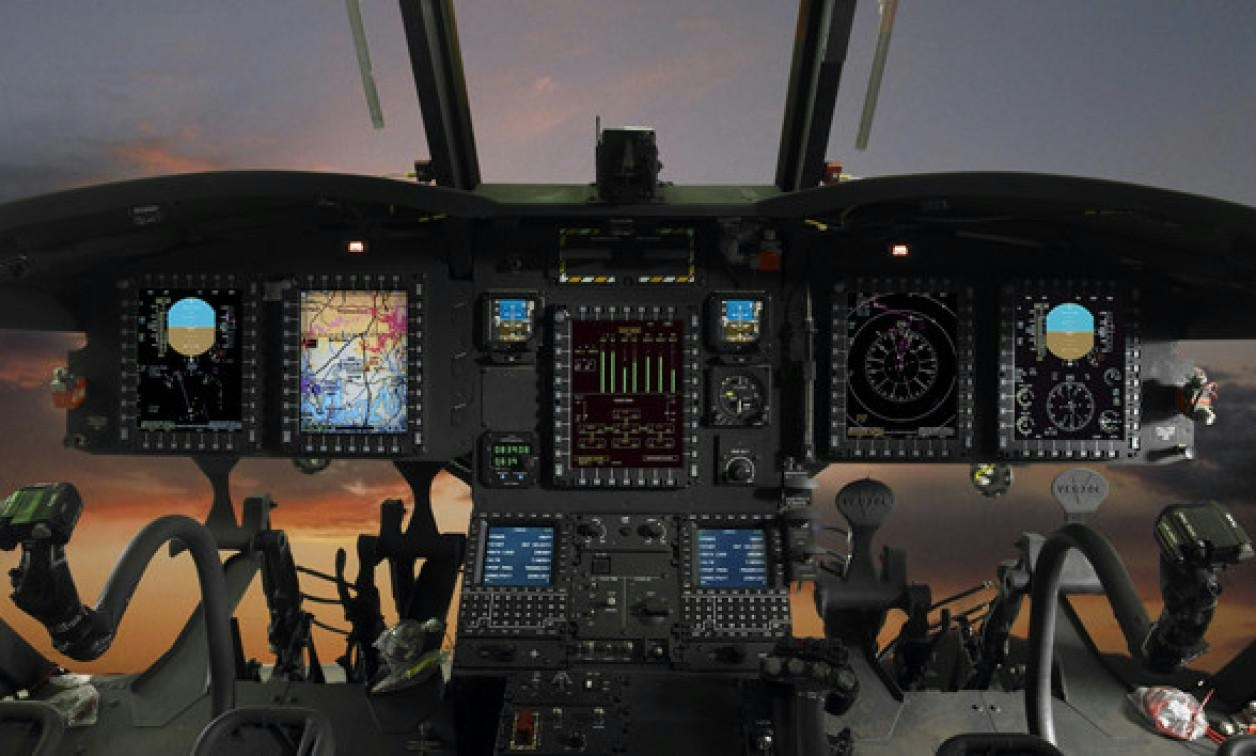
Collins Aerospace Awarded Army CAAS Software Support Contract

Tampa International Airport Introduces Aviation Exhibit at MOSI
AFI KLM E&M and Air Corsica Extend Partnership with LEAP-1A Engine Support Agreement

Pi-Sky Flight Tracking Dashboard
HAVELSAN Increases A320 Full Flight Simulator Orders to Six
TP Aerospace Expands Partnership with Parata Air
