
Превращайте аналитические выводы ИИ в реальные действия

В тренде
Categories
Airbus A380 at Tarbes Yields Over 90% of Parts for Active Fleets Through Careful Dismantling
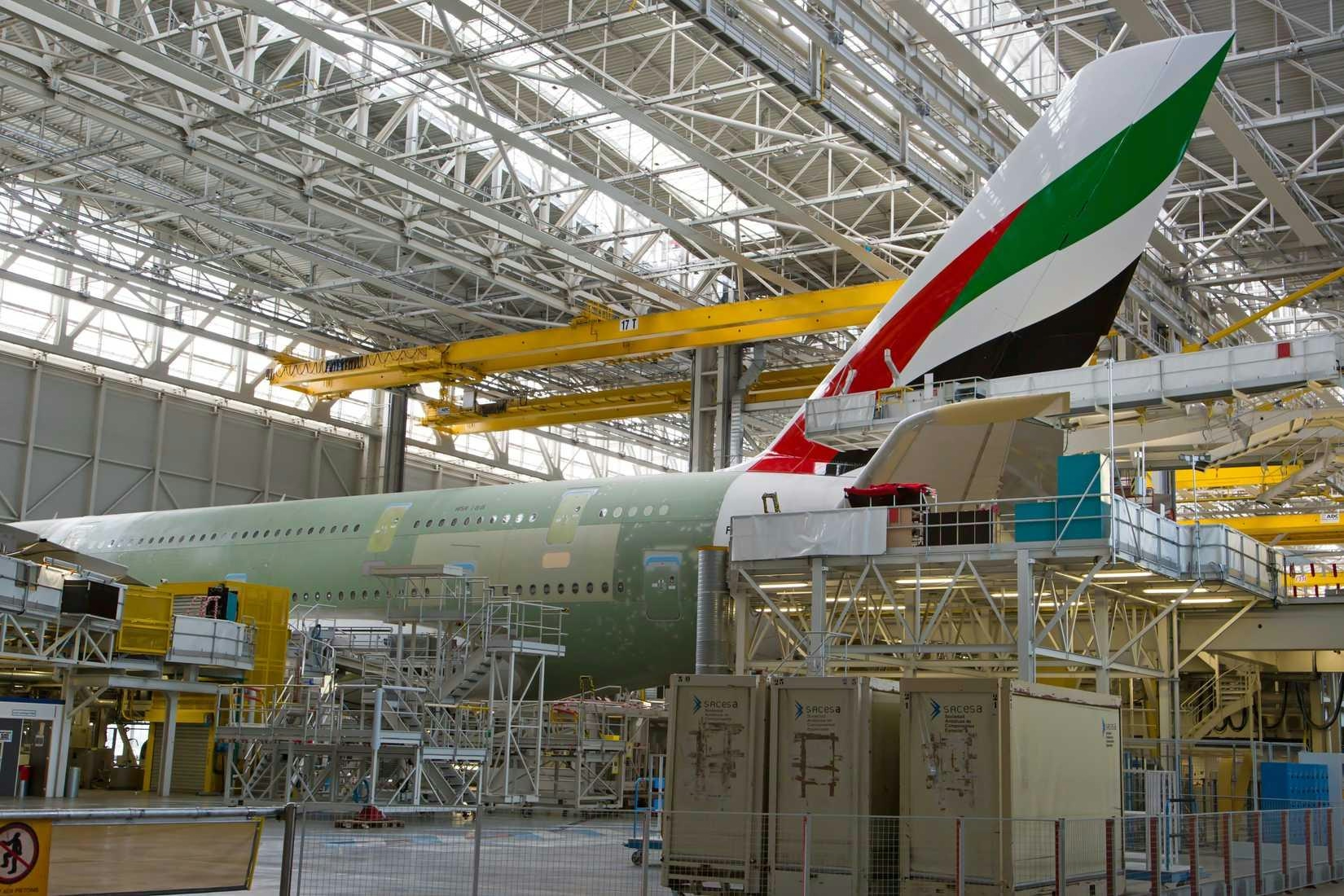
Airbus A380 at Tarbes Yields Over 90% of Parts for Active Fleets Through Careful Dismantling
The Decline of the A380 and the Rise of Aircraft Recycling
The Airbus A380, once hailed as the pinnacle of long-haul air travel, symbolized a new era with its double decks, four engines, and capacity to carry over 500 passengers. As the largest passenger aircraft ever constructed, it was designed to dominate the busiest global routes for decades. However, less than two decades after its introduction, the A380’s future has become uncertain. Its value increasingly lies not in active service but in the careful dismantling and recycling of its components.
At Tarbes, located in the foothills of the French Pyrenees, the specialist firm Tarmac Aerosave is leading this transformation. The company is responsible for dismantling retired A380s, including those formerly operated by Singapore Airlines, which have struggled to find new operators amid declining demand for the superjumbo. Over several months, these 250-ton aircraft are methodically broken down into sorted piles of reusable parts and recyclable metals, with less than 10% of the material ultimately discarded as waste.
Economic and Operational Factors Driving Dismantling
The economic realities underpinning this shift are clear. The A380’s operation is expensive, with four fuel-intensive engines and a cabin configuration optimized for a hub-and-spoke model that many airlines have moved away from. As demand for used A380s has sharply declined, their resale value has plummeted. Nevertheless, with approximately 190 A380s still in service worldwide, the demand for spare parts remains robust. For grounded aircraft, the aggregate value of their components now surpasses that of the intact airframe.
The engines are the most valuable assets. Each of the A380’s four Rolls-Royce Trent 900 engines can command prices in the millions or generate significant monthly revenue when leased to airlines continuing to operate the type. These engines are removed first, followed by landing gear, avionics, hydraulic systems, and thousands of other parts. The fate of each component depends on its maintenance history and certification status; only parts with proper documentation are refurbished or resold, while others are scrapped.
Recycling and Sustainability in Aviation
After the removal of valuable systems, the airframe itself is dismantled. The A380 contains roughly 120 tons of aluminum, which is carefully sorted and melted down to re-enter the supply chain as raw material. Tarmac Aerosave, a joint venture partly owned by Airbus, reports that it recovers more than 90% of each aircraft by weight, often exceeding 92% across its operations. Only a small portion, primarily composites and hazardous materials, is discarded as waste.
This exceptionally high recovery rate is particularly notable given the complexity of wide-body jets. Nearly every part that once flew is either returned to service or recycled, reflecting a broader industry trend toward sustainability and resource optimization. Rising maintenance costs and parts shortages have prompted airlines to reconsider the viability of the A380, as exemplified by Qantas’ decision to retire its fleet four years ahead of schedule, by 2028. While some carriers continue to operate the superjumbo, others are scaling back, favoring more fuel-efficient models such as the Airbus A320neo and Boeing 737 Max. These newer aircraft are also increasingly dismantled for parts by recycling specialists like Tarmac Aerosave, underscoring a growing commitment to environmental responsibility within the aviation sector.
At Tarbes, the meticulous disassembly of the A380 represents not merely an end but a transformation, ensuring that even as the era of the superjumbo wanes, its legacy endures through the fleets that continue to take to the skies.
Linking Ireland’s Aircraft Leasing Industry to Elite Football
BBN Airlines Becomes IATA Member
FAA Orders Breeze Airways and Delta to Inspect Airbus A220 Fuel Hoses
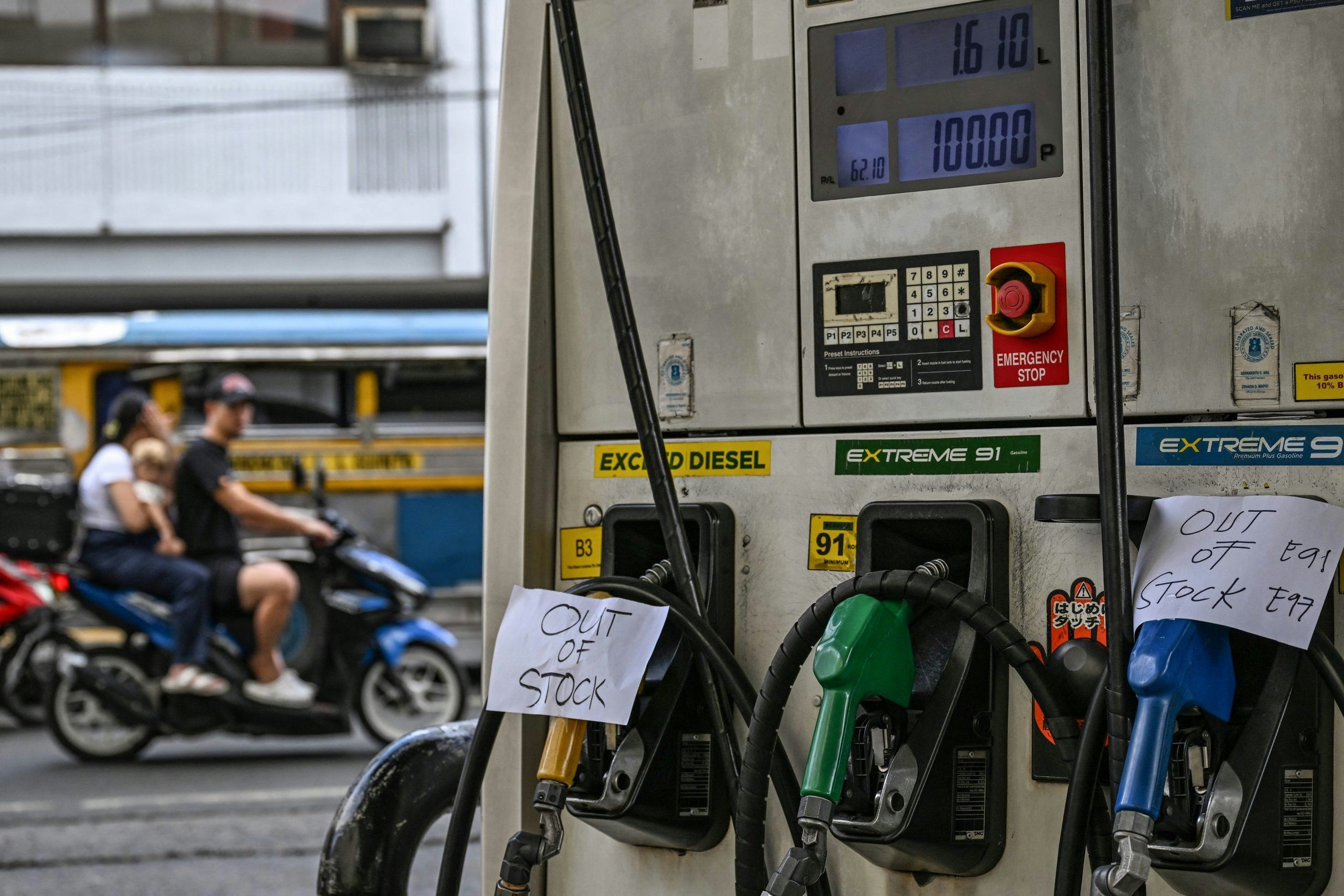
Philippine Aviation Navigates Expansion and Costs Amid Fuel Price Volatility
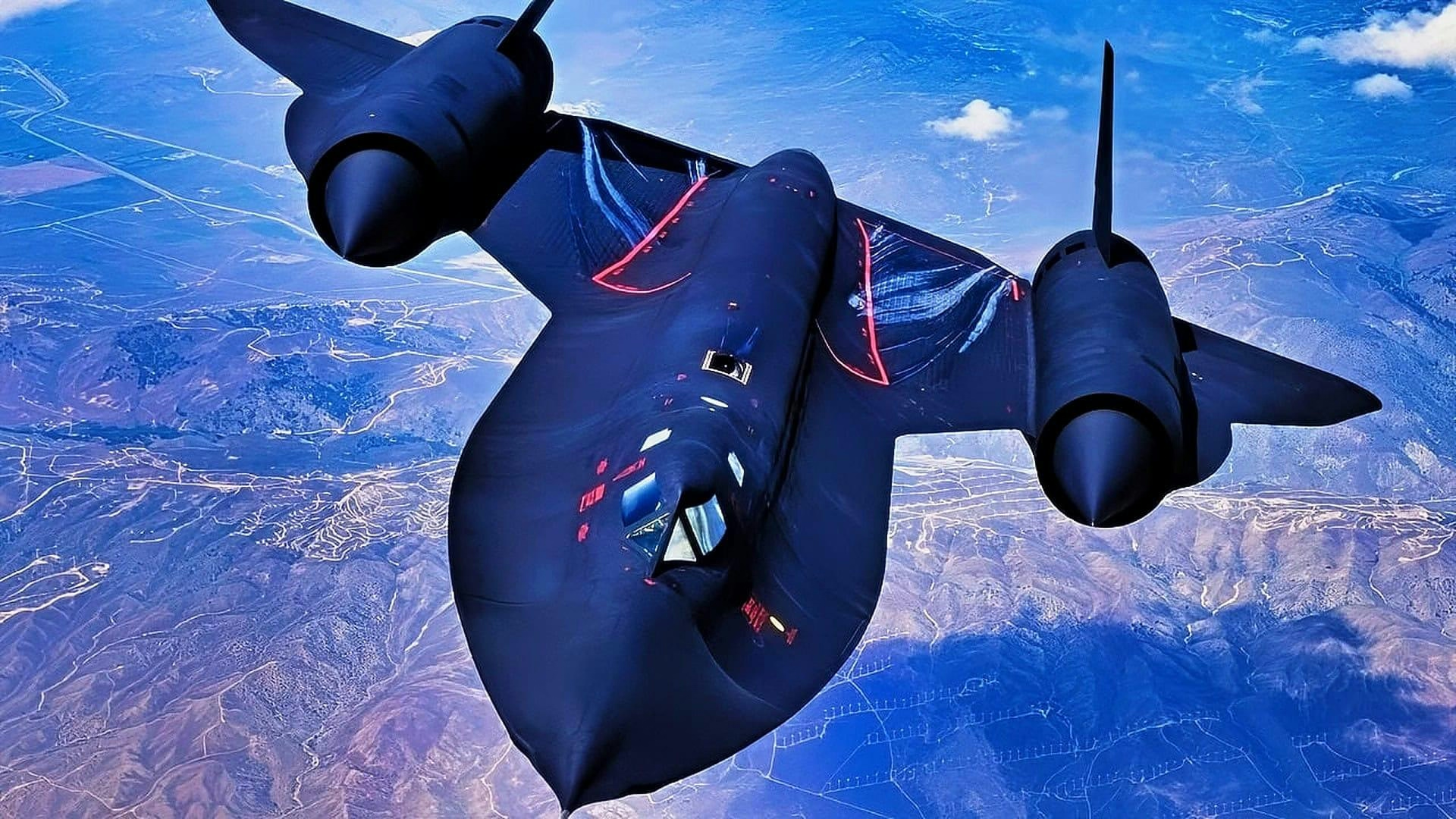
On April 26, 1971, an SR-71 Blackbird Flew Over 15,000 Miles in 10.5 Hours, Limited by Liquid Nitrogen Supply
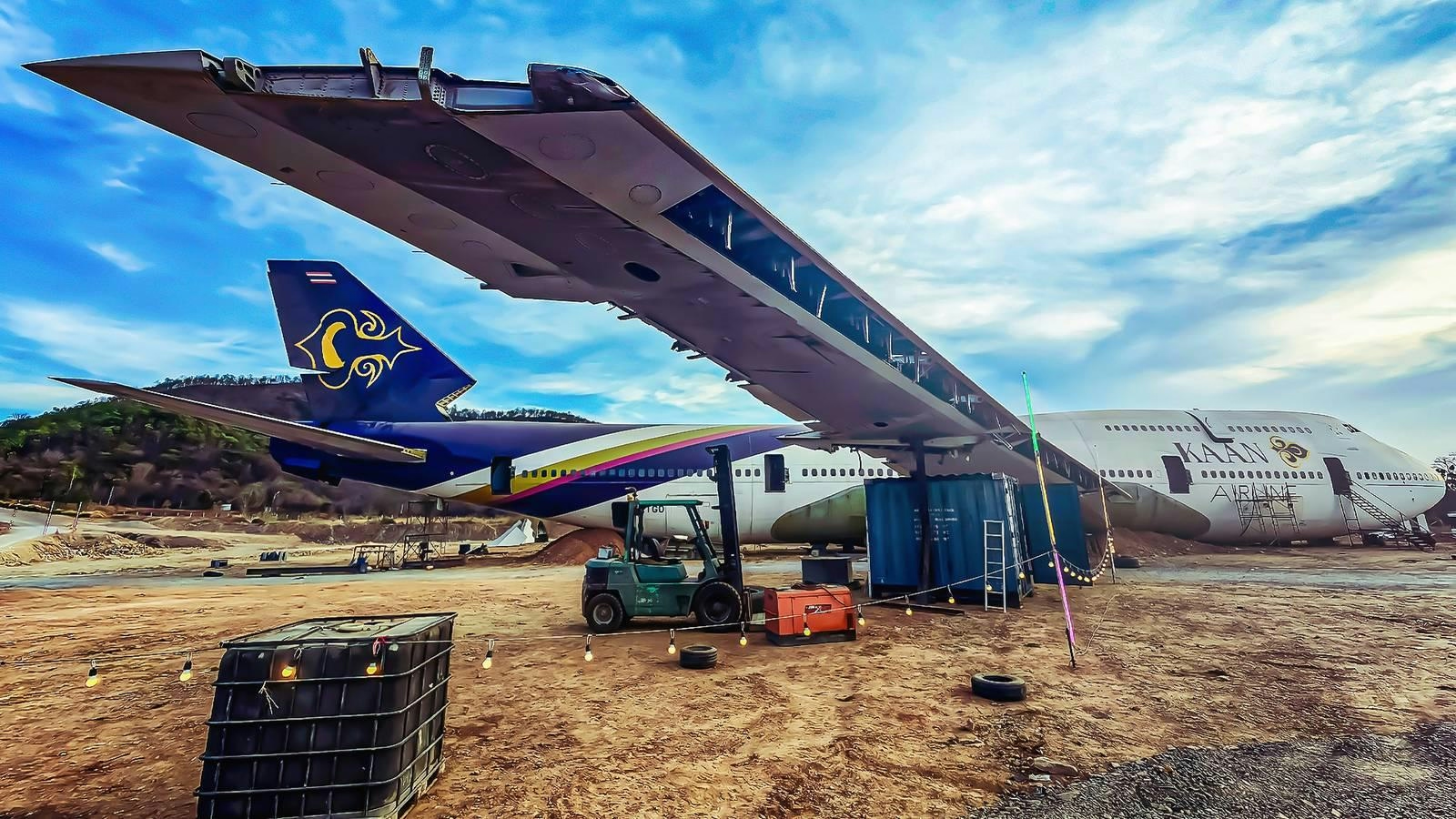
Boeing 747 Airframe Valued Less Than One Landing Gear Component
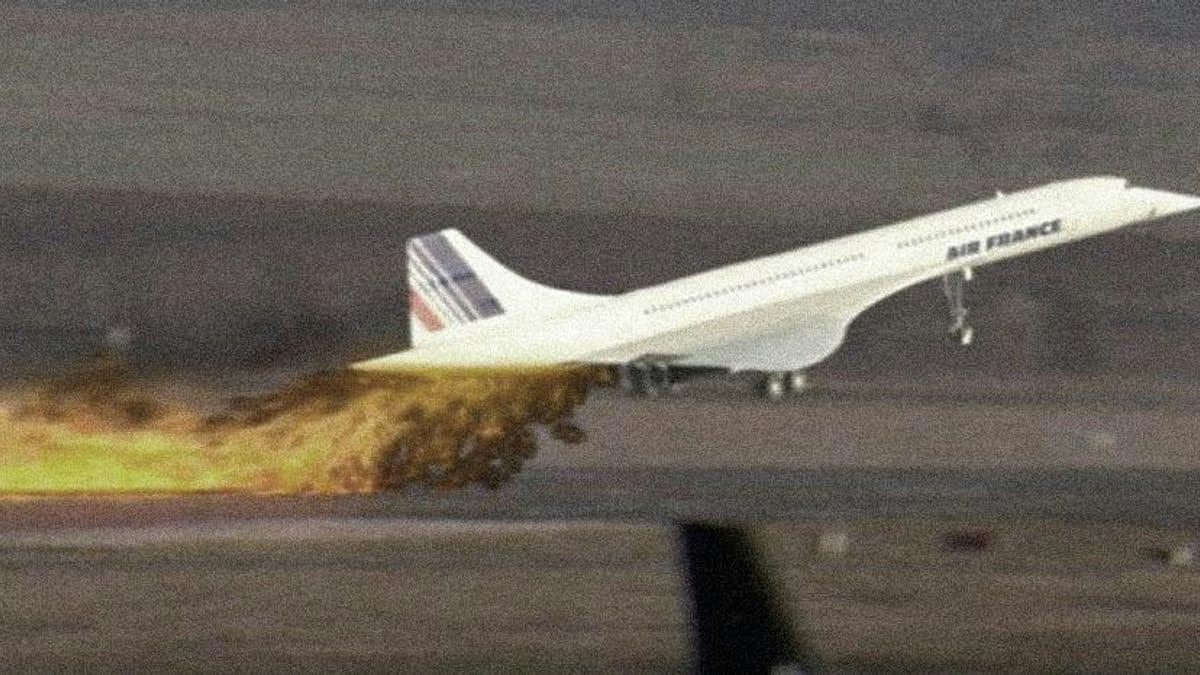
The Rear-Fan Engine Behind the Crash of the World's Fastest Airliner
Morphing Aircraft Skin Improves Safety and Fuel Efficiency
BRICS Nations Commit to Enhanced Cooperation on Sustainable Transport and Green Aviation
CFM Turbine Upgrade Doubles LEAP Engine Service Life in Harsh Conditions
