
Превращайте аналитические выводы ИИ в реальные действия

В тренде
Categories
Aircraft Anchoring Systems Expected to Grow Through 2035 Amid Airport Modernization
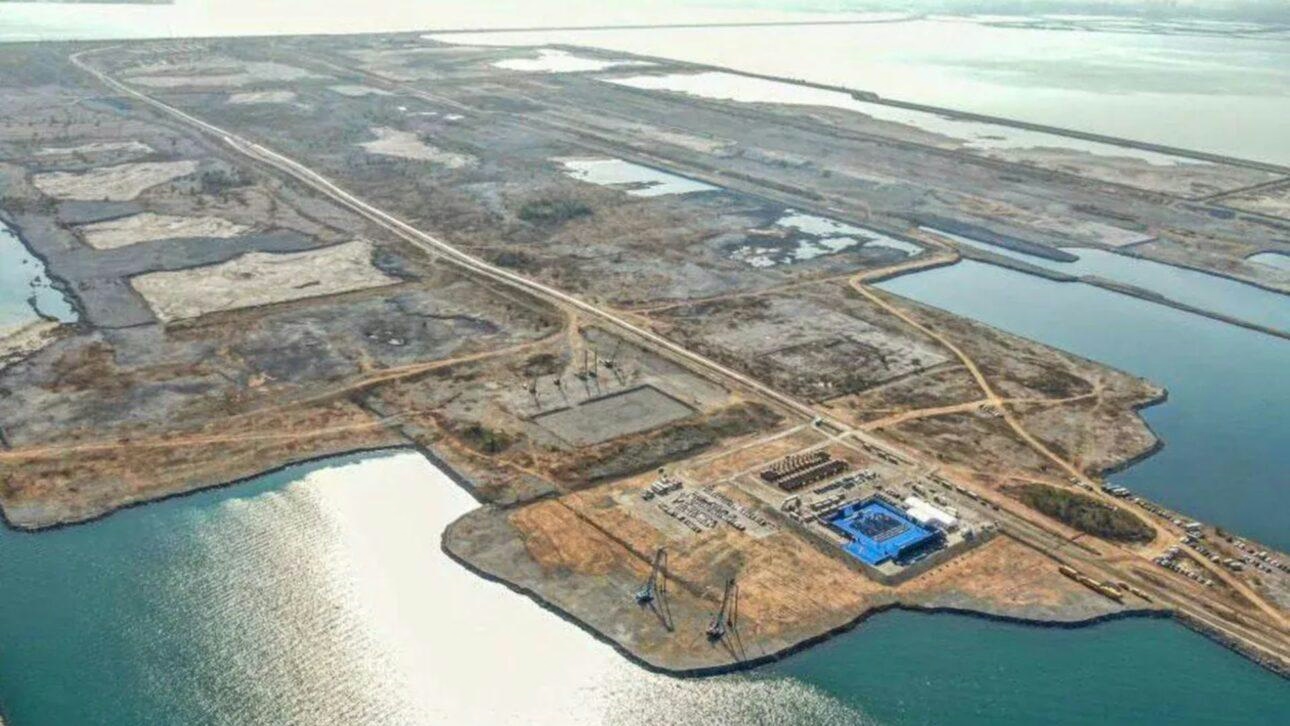
Aircraft Anchoring Systems Market Set for Sustained Growth Through 2035 Amid Global Airport Modernization
The global aircraft anchoring systems market is projected to experience steady expansion through 2035, driven by a resurgence in air travel and widespread airport modernization initiatives. According to the latest IndexBox report, the sector enters 2026 with strong demand fundamentals, disciplined procurement practices, and a more regionally diversified supply base, positioning it for robust growth in the coming decade.
Market Drivers and Technological Advancements
As passenger traffic recovers and major airport projects progress across Asia-Pacific, the Middle East, and North America, demand for certified, high-performance anchoring solutions is increasing. The market encompasses complete anchoring systems for both civil and military aircraft, as well as essential components such as tie-down rings, tensioning devices, and consumables including shackles, straps, and fasteners. Notably, integrated systems featuring automated control and monitoring capabilities are gaining prominence as airports seek to enhance operational efficiency and safety.
A significant structural transformation is underway with the rapid adoption of smart, electronically monitored anchoring systems. These advanced solutions, which integrate seamlessly with airport operations software, enable predictive maintenance, load sensing, and remote diagnostics. The smart anchoring segment is expected to grow from approximately 20% of the annual market value in 2026 to over 35% by 2035, fundamentally reshaping competitive dynamics and value propositions within the industry.
The market’s growth trajectory is closely linked to global air passenger traffic, which is forecasted to expand at an annual rate of 3.5 to 4.5 percent over the next decade. This growth underpins a projected compound annual growth rate (CAGR) of 4.5 to 5.5 percent for the aircraft anchoring systems market, with the market index (2025=100) anticipated to reach between 155 and 170 by 2035. Key drivers include the expansion of airport infrastructure and new gate construction to accommodate rising passenger volumes, a recurring replacement cycle for installed systems typically every 10 to 15 years, incremental demand from greenfield airport projects in emerging economies, and rising aircraft production rates.
Challenges and Regional Market Outlook
Despite promising growth prospects, the market faces several challenges. Supply chain disruptions, escalating raw material costs—particularly for steel and semiconductor components—and stringent regulatory compliance requirements imposed by authorities such as the FAA, EASA, and CAAC present ongoing risks. These factors contribute to high entry barriers, limiting the pool of qualified suppliers and reinforcing pricing power for established manufacturers. Currently, the top eight suppliers account for an estimated 45 to 55 percent of international revenue.
In response, industry participants are increasing investments in technology and infrastructure, pursuing strategic partnerships, and innovating product offerings to maintain competitiveness. Expansion into emerging markets remains a key strategy as air travel penetration rises in regions such as Latin America and Africa.
Regionally, Asia-Pacific leads the market in volume share, driven by extensive airport expansion in China, India, and Southeast Asia. North America and Europe continue to be critical markets for system upgrades and the retrofitting of smart technologies, while the Middle East maintains significant investment in mega-hub infrastructure. Latin America and Africa are anticipated to provide longer-term growth opportunities as their aviation sectors develop.
Overall, the aircraft anchoring systems market is positioned for steady growth, supported by ongoing airport modernization, increasing aircraft production, and the accelerating adoption of smart technologies, despite persistent supply chain and regulatory challenges.

Etihad and Swissport Extend Global Partnership

Sepehran Airlines B737 Returns to Mashhad After Tyre and Engine Issues

Etihad Deploys Widebody Fleet to Meet Strong Demand

Korean Air Finalizes $36.2 Billion Deal with Boeing

Australia’s RFDS Queensland Section Orders Six King Air 260Cs
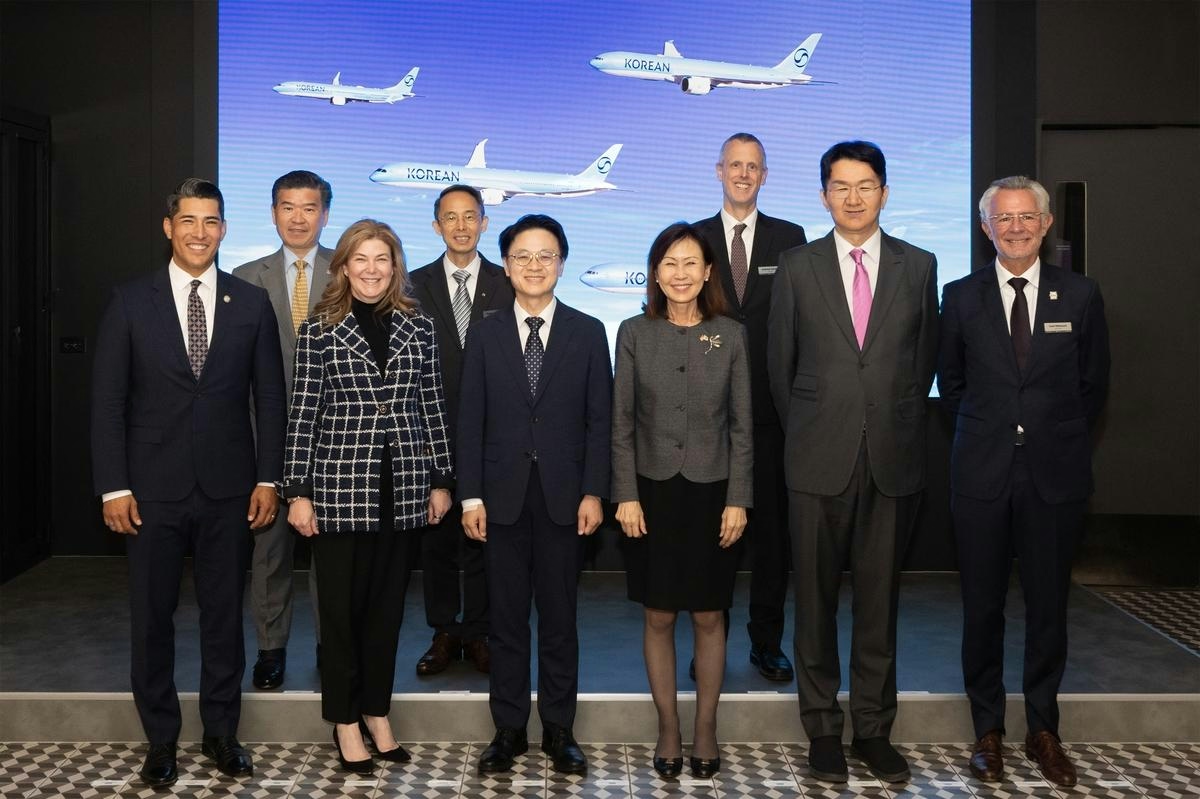
Korean Air Finalizes Order for 103 Boeing Jets and Engines
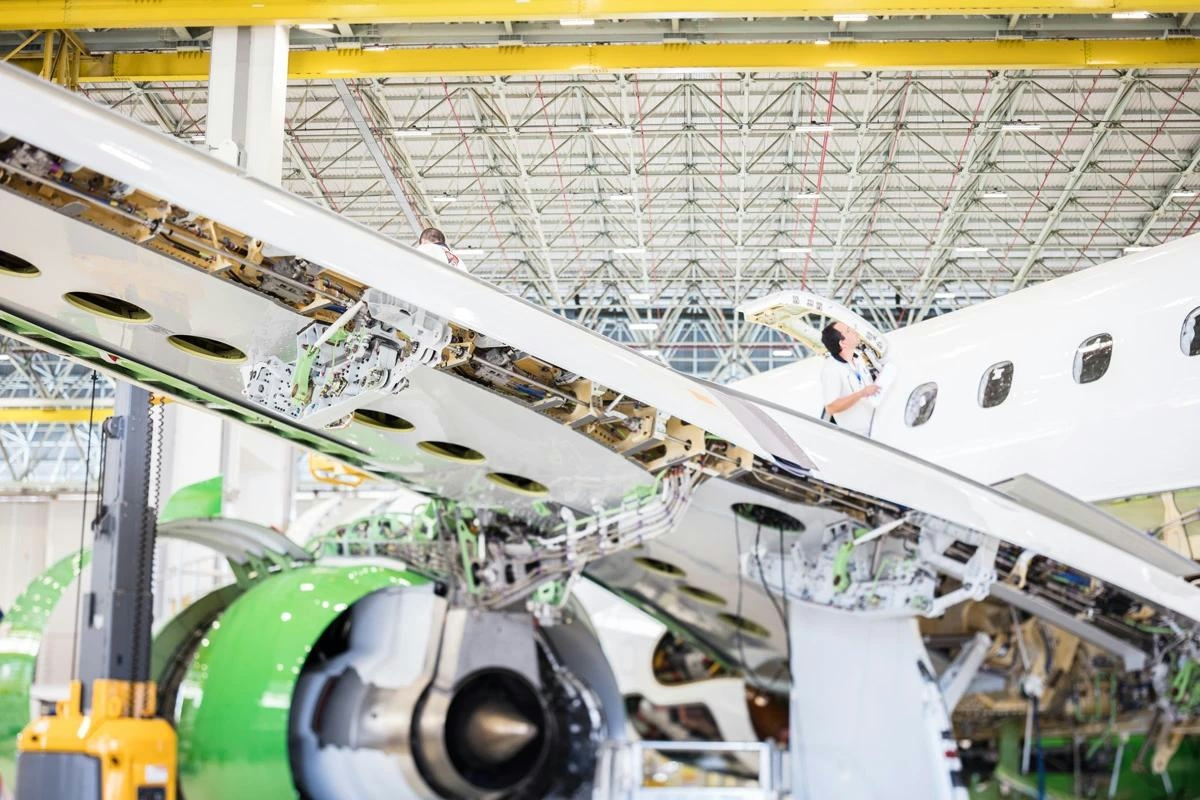
Embraer E195-E2 Features Distinctive Engine Placement Among Regional Jets
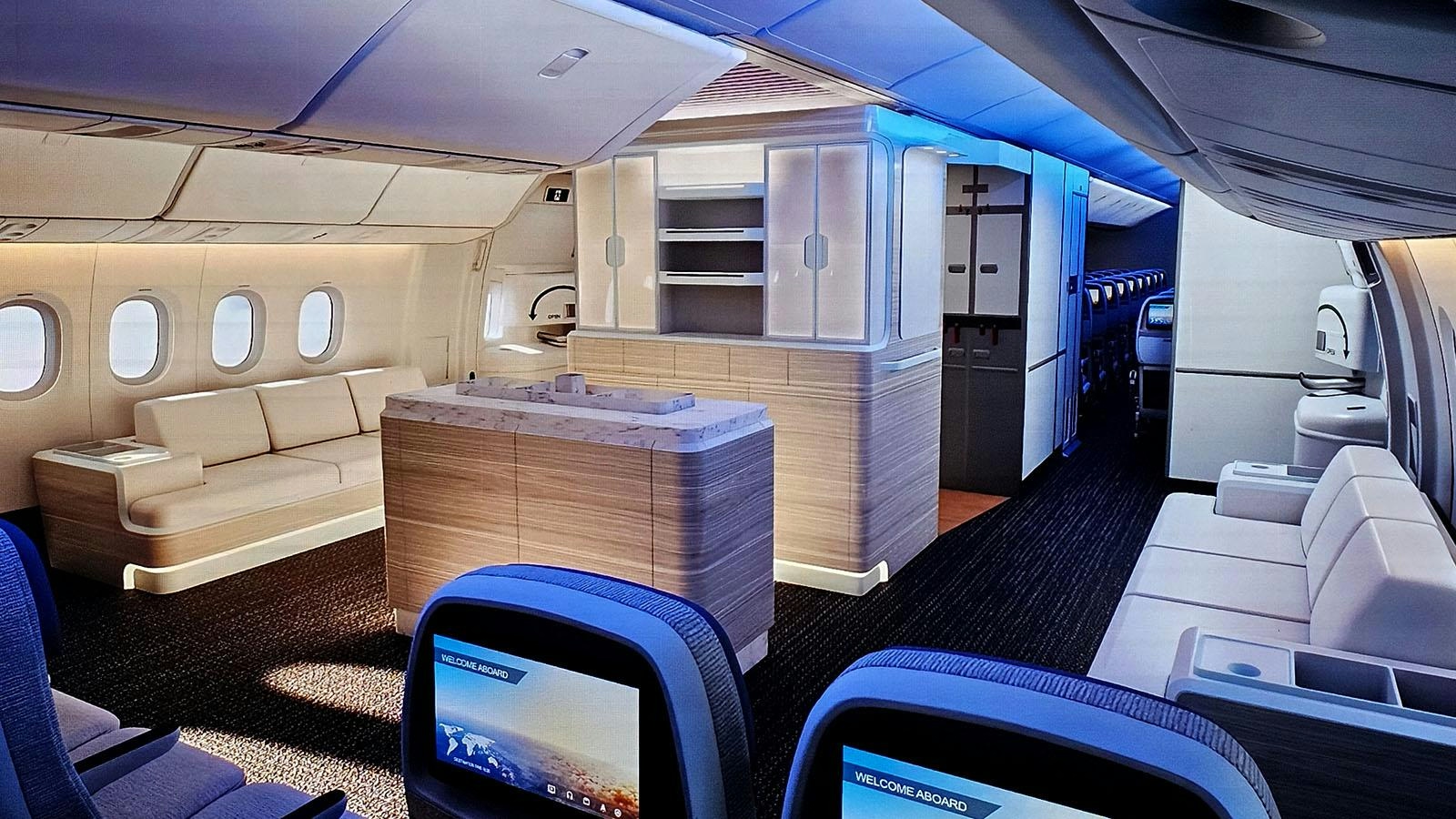
What Passengers Can Expect on Boeing’s New 777X Jet

How Ethiopian Airlines Became Africa’s Leading Carrier Amid Gulf Competition

Joby Aviation Extends Autonomous Flight Capabilities with Cross-Country Tour
