
Превращайте аналитические выводы ИИ в реальные действия

В тренде
Categories
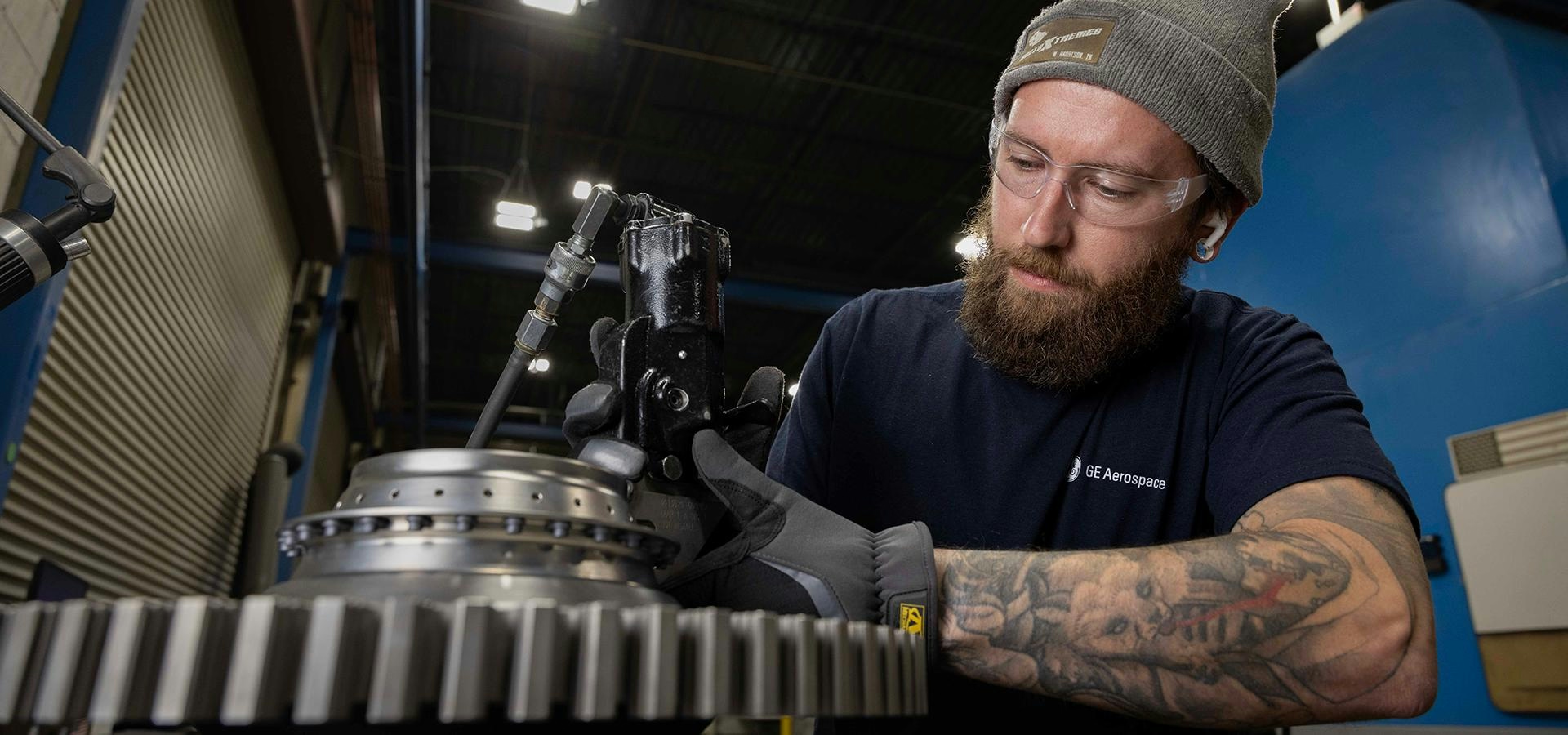
Are Engine Manufacturers Responding to Rio's Call?
Are Engine Manufacturers Responding to Rio's Call?
Industry Pressure Mounts Amid Engine Shortages
At the recent International Air Transport Association (IATA) Annual General Meeting in Rio de Janeiro, senior executives from the world’s foremost engine manufacturers faced intense scrutiny from airline leaders frustrated by ongoing engine shortages and reliability concerns. The airline industry’s patience is clearly wearing thin as persistent supply constraints continue to disrupt operations globally.
The challenges confronting engine manufacturers stem from their inability to keep pace with surging demand. United Airlines CEO Scott Kirby highlighted that the scarcity of available engines will remain a significant bottleneck for at least the next five years. This shortage has already grounded hundreds of Airbus A320neo aircraft worldwide, as airlines endure prolonged delays for engine inspections and repairs. Much of the disruption has been traced to a manufacturing defect in Pratt & Whitney’s geared turbofan (GTF) engines, which has forced airlines to sideline affected aircraft for extended periods.
Recurring Reliability Issues and Industry Response
The criticism directed at Pratt & Whitney was echoed in concerns about other major manufacturers. Rolls-Royce, for instance, has grappled with durability problems affecting its Trent 1000 engine on the Boeing 787 since 2016. Similar issues have since emerged with the Trent 7000 powering the Airbus A330neo, as well as with the XWB-84 and -97 engines used on the A350. These recurring technical setbacks have raised serious doubts among airlines regarding the reliability and longevity of engines promised by manufacturers.
Airlines contend that they have not only paid premium prices for engines that have failed to meet performance expectations but have also borne the operational and financial burdens of grounded fleets. The market response has been sharply critical, with calls for more resilient and responsive engine supply chains. Industry leaders are urging manufacturers to increase production capacity and accelerate innovation to prevent future shortages and rebuild trust.
As the aviation sector looks ahead, the message from Rio is unequivocal: engine manufacturers must take decisive action to resolve quality and supply challenges. Whether original equipment manufacturers (OEMs) will respond with the urgency demanded by airlines remains uncertain, but the pressure for meaningful change has never been more pronounced.

Etihad Airways Suspends Airbus A380 Flights on Key Route

Aditya Birla Group Seeks Approval for Aircraft Leasing in GIFT City

Qatar Airways Highlights Innovation and Connectivity at Arabian Travel Market 2026

Hong Kong's Five-Year Plan Includes Andrew Fan's Aircraft Parts Processing Hub Proposal

ACIA Aero Leasing Delivers ATR72-600 to Air Nostrum

RTX Appoints Jill Albertelli as Head of Pratt & Whitney

TAT Technologies Joins Beyond Aero Hydrogen Aircraft Program

AURAK Study Highlights Barriers to Air Taxi Adoption in Emerging Economies

Xiamen Air Selects Altitude for 787 Maintenance at Heathrow

Etihad and Swissport Extend Global Partnership
