
Превращайте аналитические выводы ИИ в реальные действия

В тренде
Categories
Boeing CEO Projects Max 7 and Max 10 Deliveries in 2027, Low Margins Through 2030
Boeing CEO Confirms 737 MAX 7 and MAX 10 Deliveries in 2027 Amid Ongoing Financial Challenges
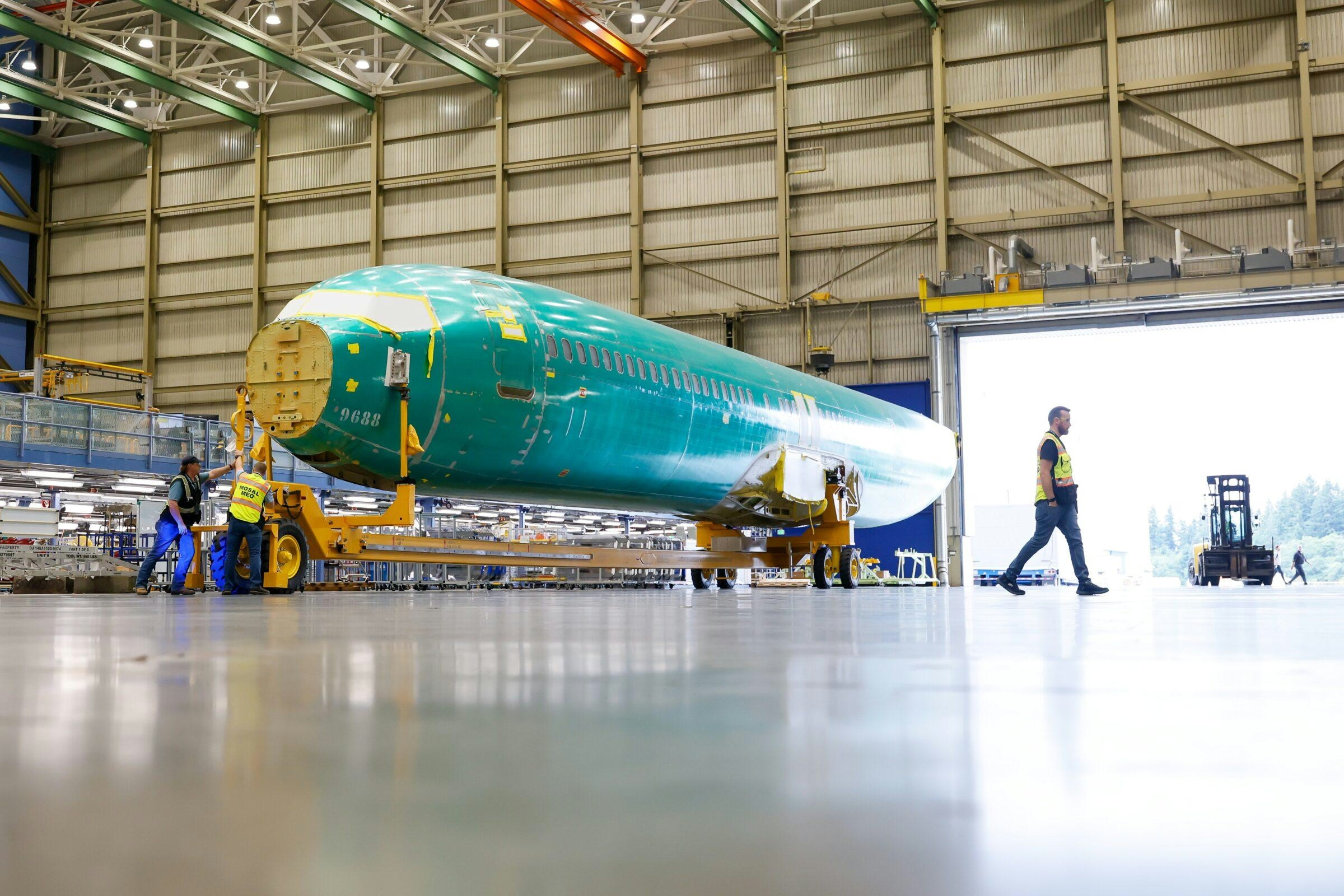
Boeing’s Chief Executive Officer, Kelly Ortberg, has reaffirmed the company’s commitment to delivering the long-delayed 737 MAX 7 and MAX 10 models starting in 2027. During the second-quarter earnings call, Ortberg indicated that the Federal Aviation Administration (FAA) is expected to grant amended type certificates for the MAX 7 imminently, with certification for the MAX 10 to follow shortly thereafter. These approvals represent a critical step forward for Boeing’s flagship narrowbody aircraft family, which has endured years of regulatory scrutiny and production setbacks.
Despite this progress, Boeing faces significant operational challenges. Approximately 35 completed MAX 7 and MAX 10 aircraft remain undelivered at the Renton, Washington facility, with deliveries postponed for at least another six months. Many of these jets have been held since the late 2010s, necessitating ongoing maintenance that increases costs and further compresses program margins. Southwest Airlines, the largest prospective operator of the MAX 7 with 269 orders, has been particularly affected as it seeks to replace its aging fleet of 737-700s, which now average two decades in service.
The MAX 10 faces a competitive market landscape, entering with a substantial order deficit compared to the Airbus A321neo, which commands a five-to-one advantage in the large narrowbody segment. While the MAX 7 is positioned as a niche offering amid a market trend favoring larger aircraft, Boeing regards the MAX 10 as a vital contributor to future profitability.
Financial Outlook and Market Challenges Through 2030
Boeing Commercial Airplanes (BCA) reported a net loss of $322 million in the second quarter on revenues of $11.8 billion, delivering 171 aircraft between April and June. The commercial division has not recorded a positive net income since 2018. Chief Financial Officer Jay Malave highlighted that margins on the 737 are expected to return to 2018 levels by the end of the decade, with the 787 program anticipated to exceed those margins within the same period. However, Boeing must first navigate a backlog of low-margin deliveries, many of which include compensation penalties stemming from prolonged delays.
“Program cash margins are currently just above break-even on the 737 and 787, largely due to pricing drags from earlier commitments,” Malave explained. “It will take time for these drags to dissipate, but improved delivery cadence should eventually drive earnings growth.”
Looking forward, Boeing’s 2027 delivery goals for the MAX 7 and MAX 10 face additional obstacles, including the need to stabilize production rates, maintain financial resilience, and advance new engine and aircraft technologies. Investor sentiment remains cautiously optimistic as the company contends with sustained low margins projected through 2030. Meanwhile, competitors such as Airbus are expected to respond aggressively, potentially accelerating their own single-aisle aircraft development programs.
Although Boeing has incorporated lessons from previous certification challenges with the MAX and 777X programs, the absence of an official launch for a new aircraft initiative raises concerns about the company’s long-term competitive position in the commercial aviation market.

Etihad and Swissport Extend Global Partnership
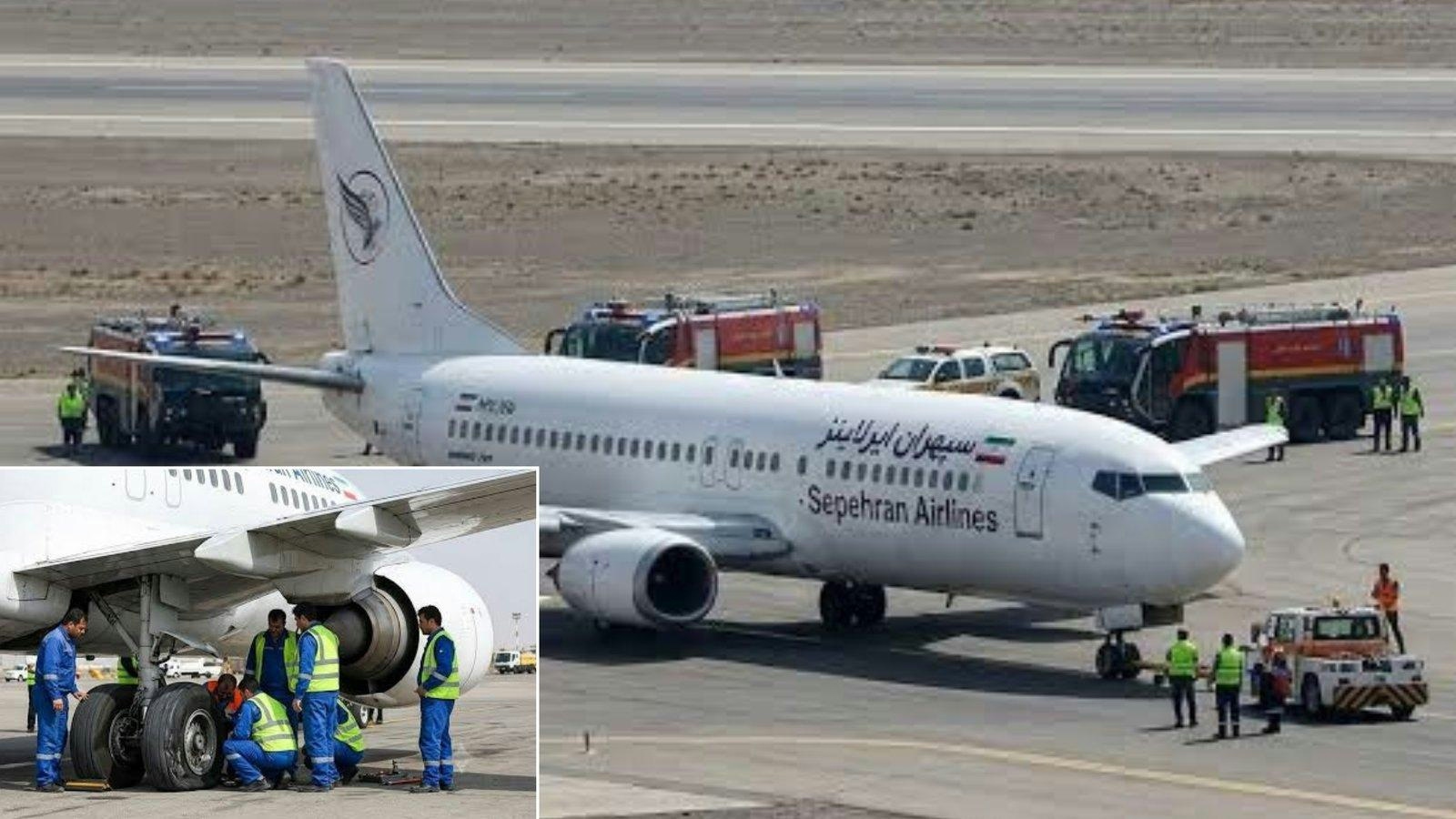
Sepehran Airlines B737 Returns to Mashhad After Tyre and Engine Issues
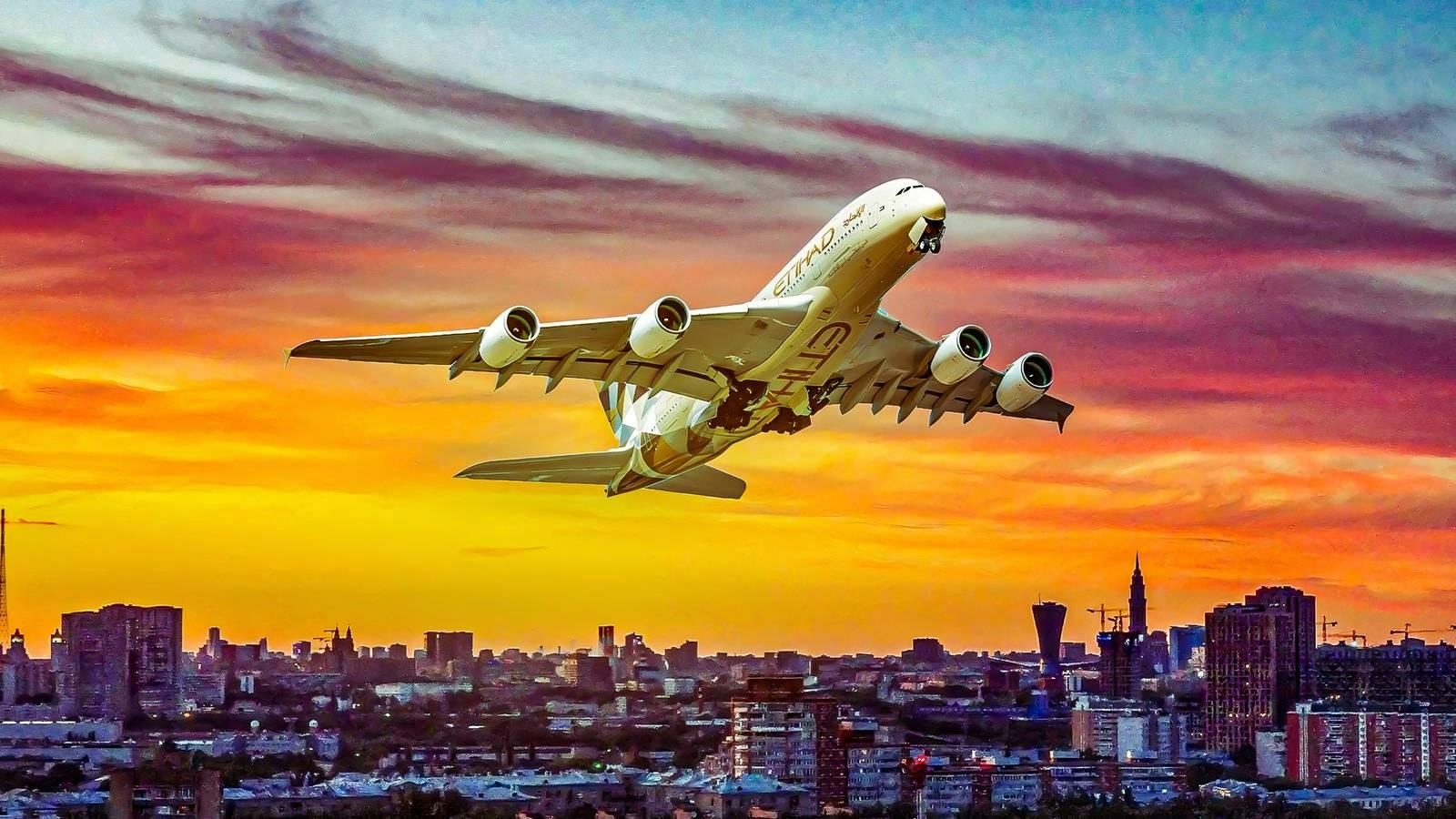
Etihad Deploys Widebody Fleet to Meet Strong Demand
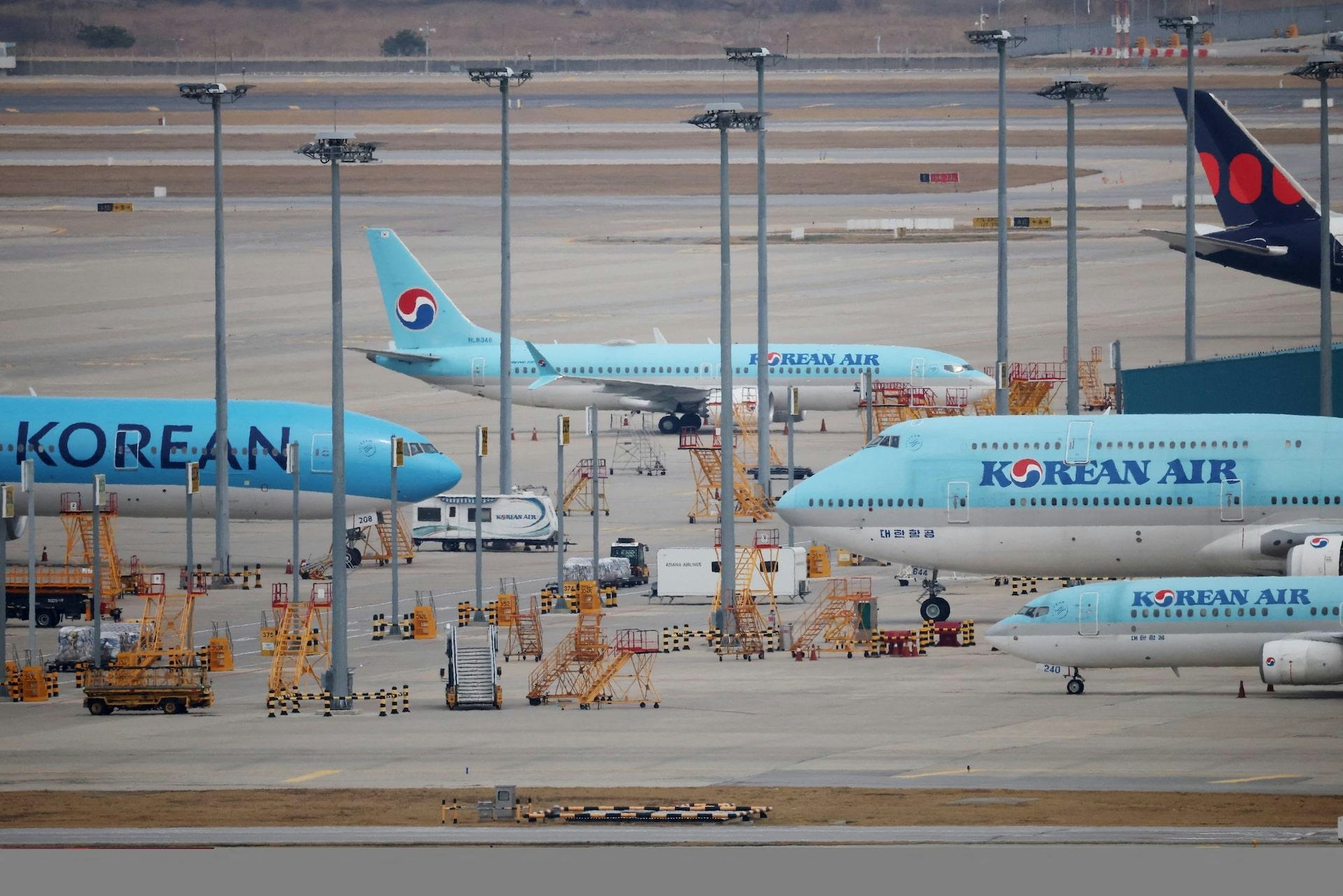
Korean Air Finalizes $36.2 Billion Deal with Boeing
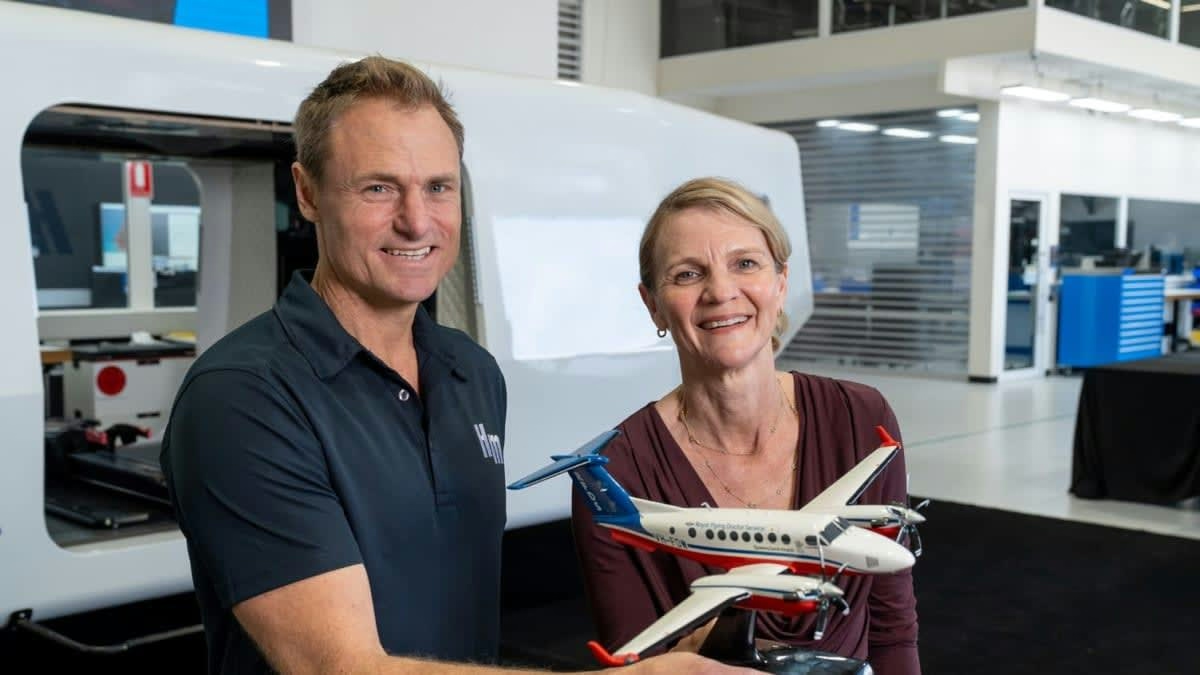
Australia’s RFDS Queensland Section Orders Six King Air 260Cs
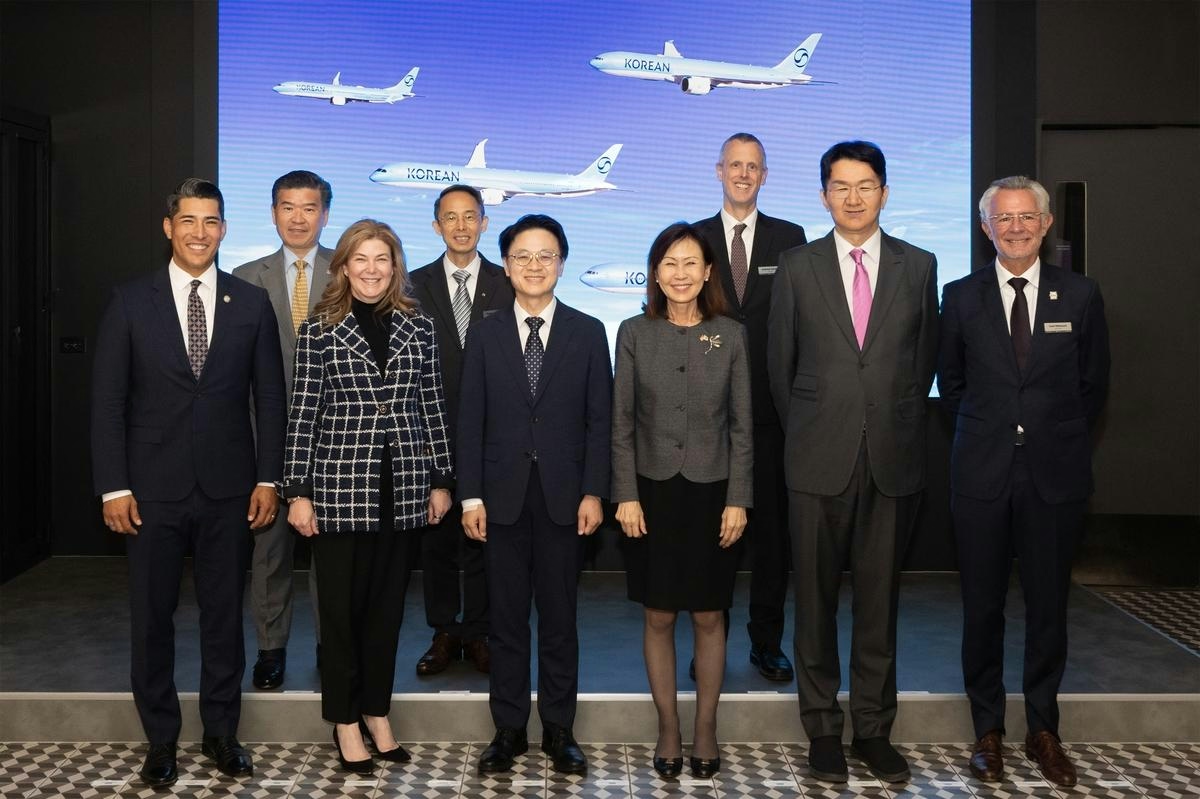
Korean Air Finalizes Order for 103 Boeing Jets and Engines
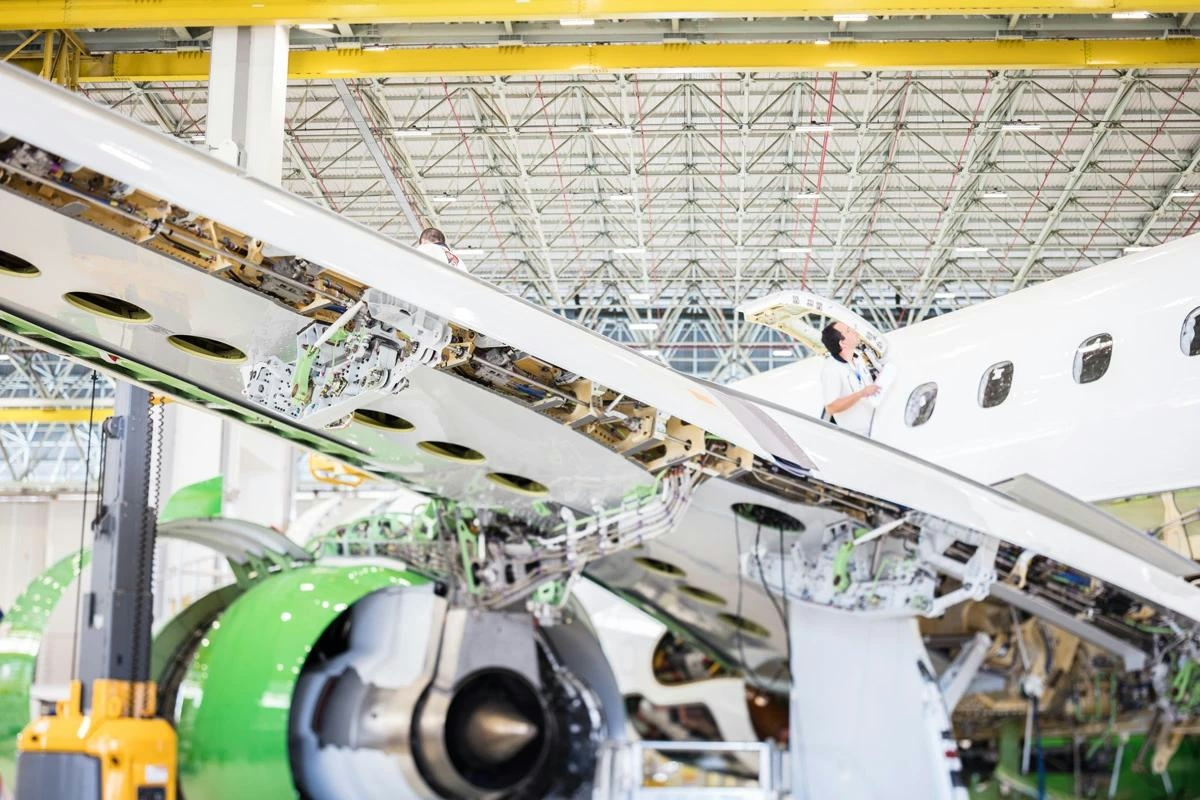
Embraer E195-E2 Features Distinctive Engine Placement Among Regional Jets
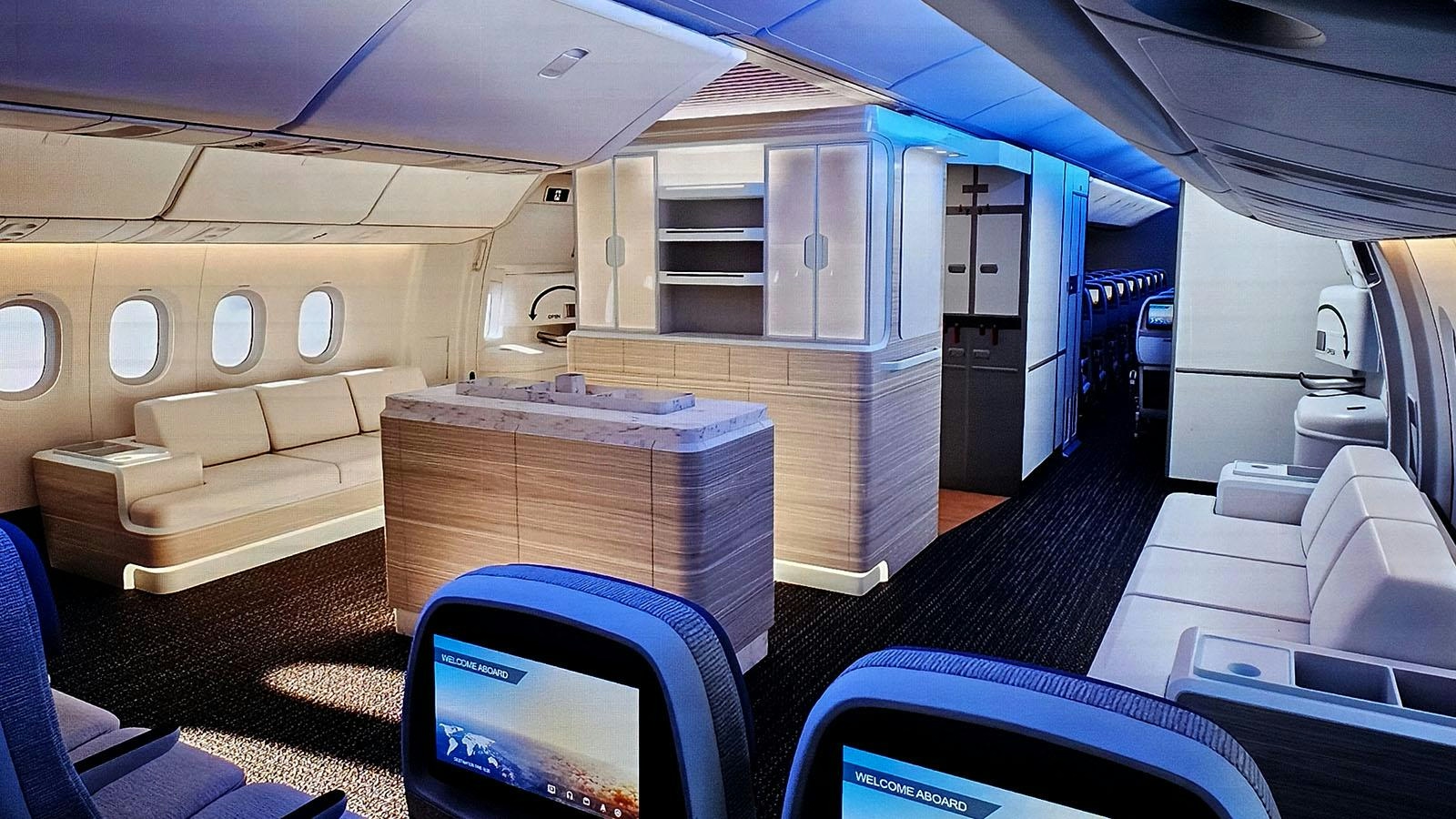
What Passengers Can Expect on Boeing’s New 777X Jet
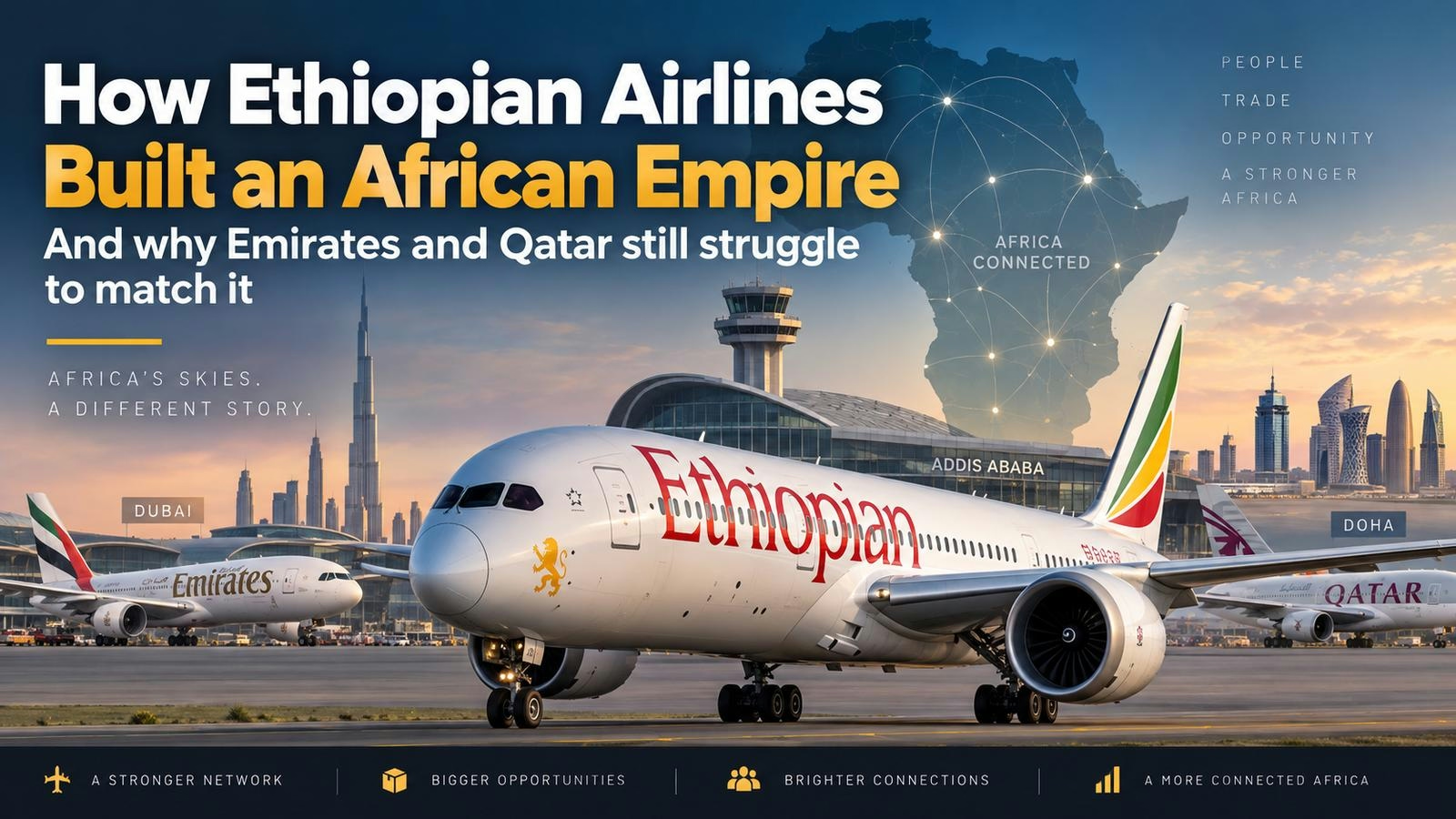
How Ethiopian Airlines Became Africa’s Leading Carrier Amid Gulf Competition
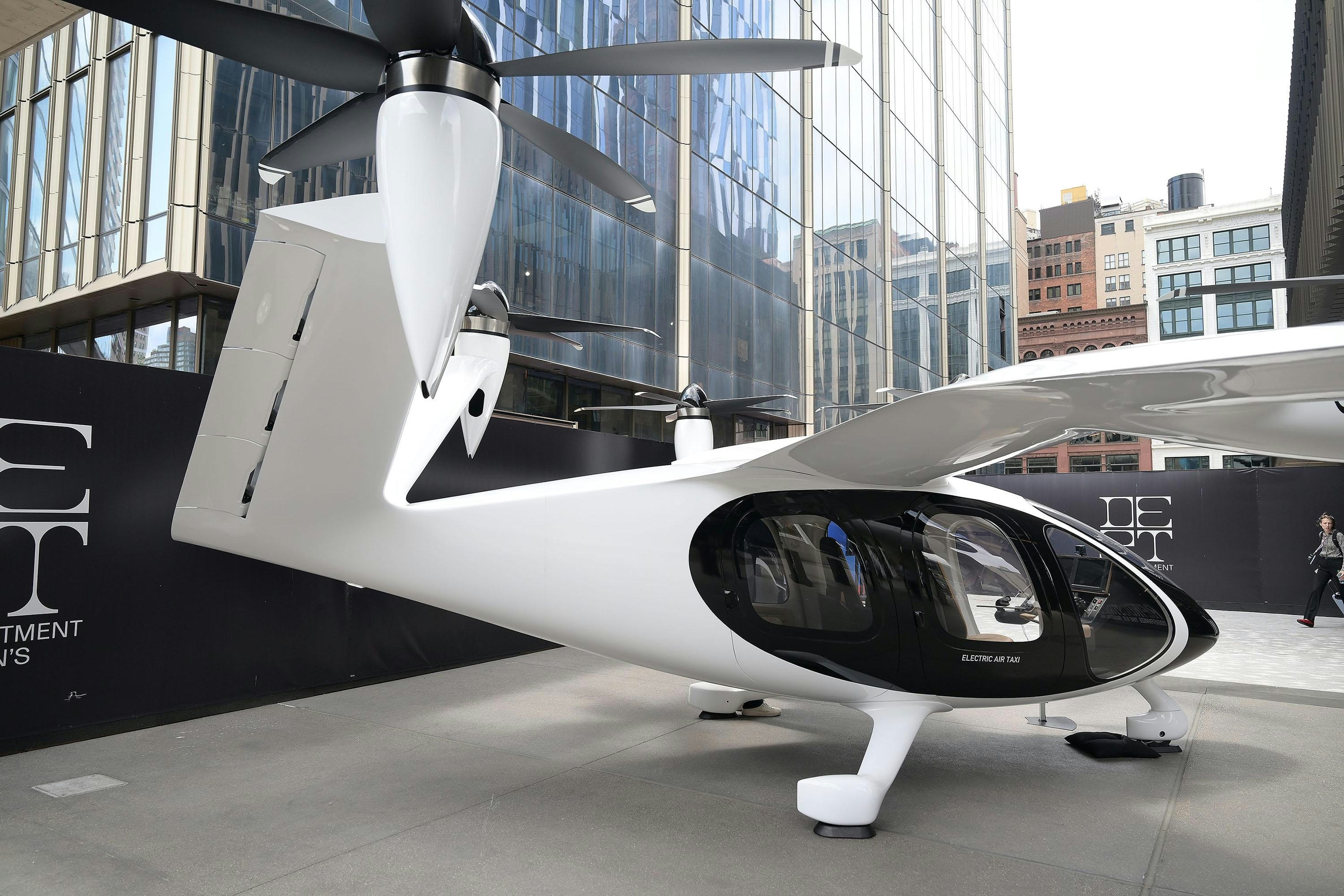
Joby Aviation Extends Autonomous Flight Capabilities with Cross-Country Tour
