
Превращайте аналитические выводы ИИ в реальные действия

В тренде
Categories
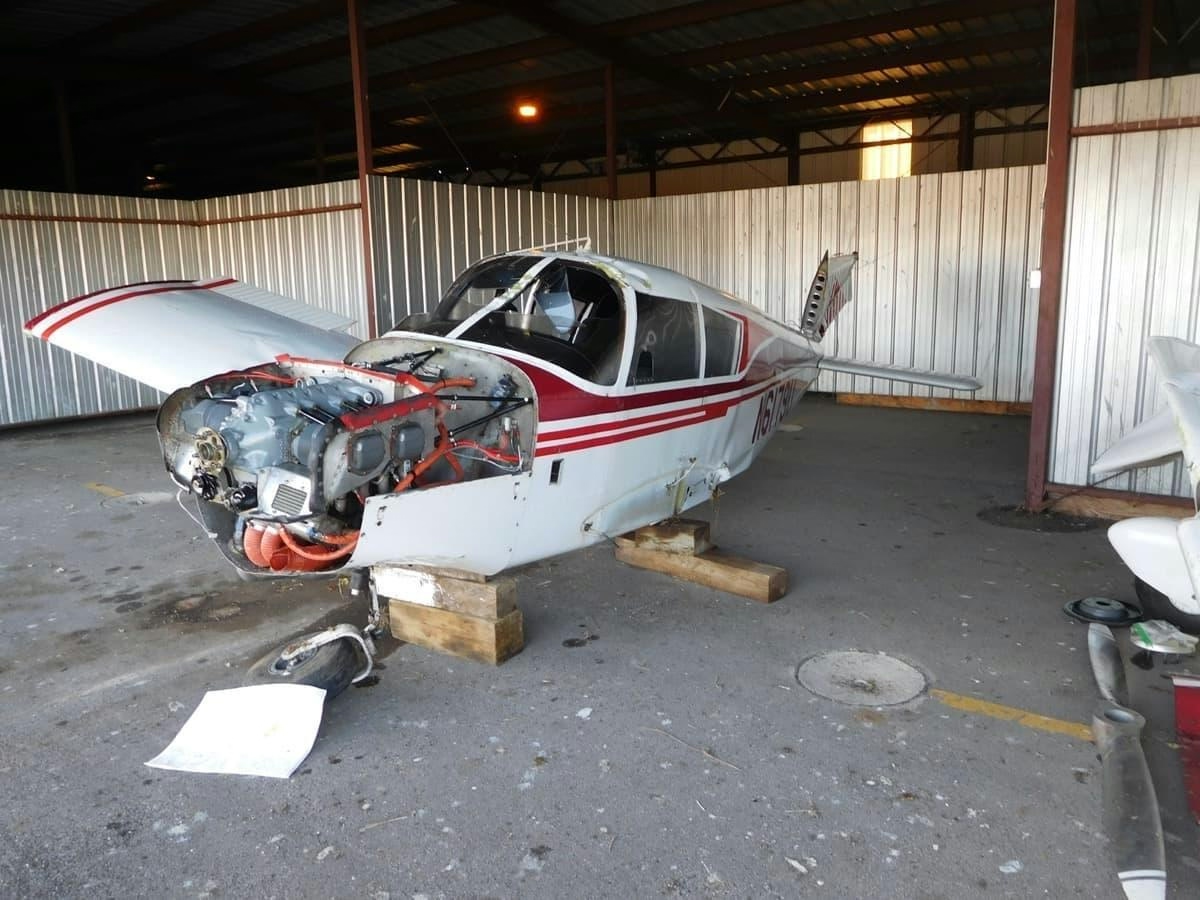
Cessna 172 Crashes Following Nose Oil Seal Failure
Cessna 172 Crashes Following Nose Oil Seal Failure
Incident Overview and Pilot Response
A Cessna 172 experienced an engine failure near Palatka Municipal Airport (28J) in Florida, resulting in a crash landing after a nose oil seal malfunction, according to a preliminary investigation. The pilot was conducting a practice instrument approach and had increased power to climb from 2,500 to 3,000 feet mean sea level when the engine began running roughly. Observing low oil pressure and reduced climb performance, the pilot aborted the approach and attempted to return to the airport, located approximately 10 miles away. Unable to maintain altitude, he executed an emergency landing in a recently logged field about two miles short of the runway. The aircraft came to rest upright amid rough terrain with tall grasses and young pine trees. The pilot escaped without injury.
Investigation Findings and Mechanical Condition
An FAA inspector reported substantial damage to the fuselage but confirmed that both wing fuel tanks contained uncontaminated 100LL aviation fuel. Flight control continuity was intact, and the fuel strainer screen showed no signs of obstruction, ruling out fuel system issues. Examination of the engine revealed oil contamination on multiple surfaces, including the crankcase and lower cowling. Crucially, the crankcase nose oil seal was found protruding approximately 3/8 inch from its recess, with sealant smeared on its forward surface. Approximately two quarts of oil were drained from the engine during inspection.
Further scrutiny uncovered significant corrosion pitting on the hydraulic tappet bodies and light scoring on the crankshaft journals and bearings. Maintenance records indicated the engine had accumulated 20.3 hours since its last 100-hour inspection and had been in service for 6,089 hours over 19 years since its last overhaul. According to Lycoming Service Instruction 1009BE, engine overhaul is recommended within 12 calendar years, indicating the engine was well beyond the advised interval.
Implications for Aviation Safety and Industry
This incident has intensified concerns among aviation regulators and industry stakeholders regarding the risks posed by aging aircraft components and deferred maintenance. Potential regulatory responses may include increased oversight, targeted safety investigations, and possible recalls. The event could also influence the market, with Cessna potentially facing a decline in sales and higher insurance premiums for pilots operating similar models. Competitors might capitalize on the situation by highlighting enhanced safety features and promoting alternative aircraft perceived as more reliable.
As the investigation proceeds, the crash underscores the critical importance of adhering to manufacturer-recommended maintenance schedules and highlights the potential consequences of component failures in aging aircraft.

Etihad Airways Suspends Airbus A380 Flights on Key Route

Aditya Birla Group Seeks Approval for Aircraft Leasing in GIFT City

Qatar Airways Highlights Innovation and Connectivity at Arabian Travel Market 2026

Hong Kong's Five-Year Plan Includes Andrew Fan's Aircraft Parts Processing Hub Proposal

ACIA Aero Leasing Delivers ATR72-600 to Air Nostrum

RTX Appoints Jill Albertelli as Head of Pratt & Whitney

TAT Technologies Joins Beyond Aero Hydrogen Aircraft Program

AURAK Study Highlights Barriers to Air Taxi Adoption in Emerging Economies

Xiamen Air Selects Altitude for 787 Maintenance at Heathrow

Etihad and Swissport Extend Global Partnership
