
Превращайте аналитические выводы ИИ в реальные действия

В тренде
Categories
Challenges in Airline Distribution: MCP and NDC Compared
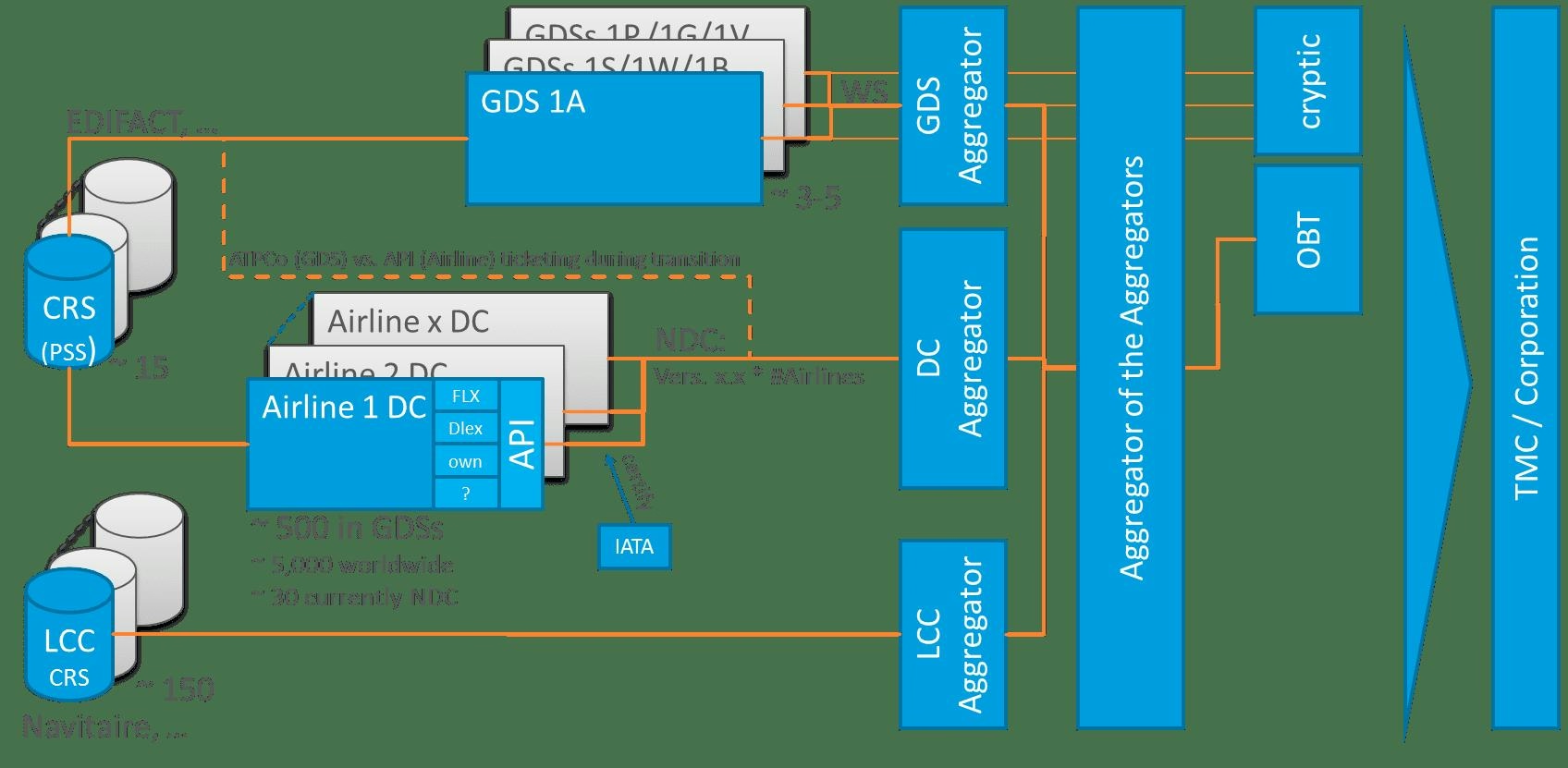
Challenges in Airline Distribution: MCP and NDC Compared
The future of airline distribution is at a crossroads, with artificial intelligence (AI) and emerging protocols challenging established standards such as the New Distribution Capability (NDC), introduced by the International Air Transport Association (IATA) in 2012. These themes dominated discussions at the recent Airline Distribution 2026 conference, hosted by UATP, where industry leaders examined the evolving dynamics of airline retailing and the potential impact of technological innovation on distribution models.
Balancing Direct and Indirect Sales Channels
Airlines have long pursued strategies to increase direct sales while utilizing technologies like NDC to enhance their retail offerings. However, achieving an optimal balance between direct and indirect sales channels remains a complex challenge. Neil Geurin, Vice President of Sales at American Airlines, acknowledged the limitations of direct distribution, stating that although the ideal scenario would be to fill every seat through direct channels, the reality is more nuanced. Currently, approximately 55% of American Airlines’ business is conducted directly, a proportion that fluctuates with indirect sales and is unlikely to shift significantly in the near future.
At United Airlines, the distribution landscape differs somewhat, with direct sales constituting 70% of bookings. Anthony Toth, Managing Director of Digital Sales at United, explained that the remaining bookings are divided between 10% through NDC outside of global distribution systems (GDSs) and 20% via legacy systems. Toth emphasized the gradual industry transition away from older standards such as EDIFACT, forecasting organic growth in both NDC and direct channels as airlines continue to modernize their distribution frameworks.
The Emergence of MCP and the Role of AI
NDC was designed to provide airlines with greater control over how their content is presented to consumers and travel sellers. Despite its promise, adoption has been inconsistent, and the industry’s focus has broadened toward a more comprehensive offer and order retailing ecosystem. The introduction of AI and advanced protocols like the Model Context Protocol (MCP) is now prompting a reevaluation of the necessity of traditional standards.
Guido Becher, Global Head of Travel and Loyalty at Rappi, highlighted AI’s potential to streamline complex integrations that previously required extensive time and resources. He observed that AI models capable of understanding intricate distribution complexities could reduce the reliance on costly and time-consuming standardization efforts. This perspective suggests that AI might diminish the importance of existing protocols by enabling more flexible and efficient distribution solutions.
Integration Challenges and Industry Implications
Despite the promise of AI and MCP, integrating these technologies into existing airline systems presents considerable challenges. Legacy infrastructure often resists rapid transformation, and airlines must invest in retraining personnel and revising established operational processes. Furthermore, competitive pressures are likely to drive widespread adoption of similar technologies, accelerating industry-wide change.
Consumer behavior may also evolve, with travelers increasingly favoring AI-driven booking platforms that offer enhanced personalization and efficiency. However, regulatory considerations remain a significant factor, as authorities scrutinize the implications of new distribution models and the use of AI in handling sensitive customer data.
Navigating the Transition
As the airline industry contemplates a shift from NDC toward potentially more advanced protocols like MCP, it must carefully balance innovation with operational realities. The transition will demand substantial technological investment alongside prudent management of regulatory, competitive, and consumer factors. Whether AI ultimately serves as a transformative force or functions primarily as an optimization tool within existing systems, the airline distribution landscape is poised for profound change.
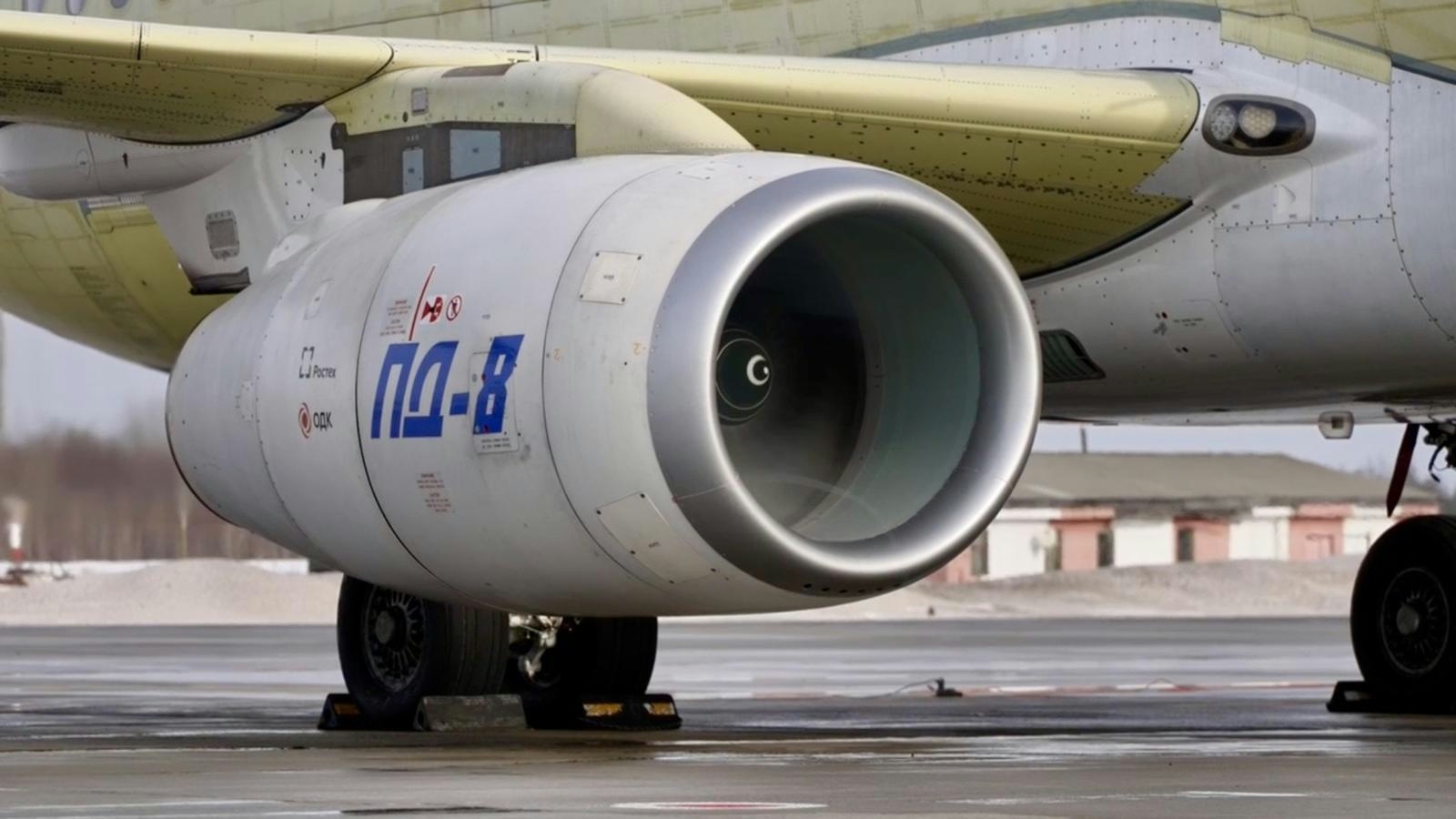
PD-8 Engine Encounters Corrosion Issues from Saltwater Exposure

Weekly Summary: August Deliveries, Year-to-Date Orders, and 4.1 Million Share Buyback
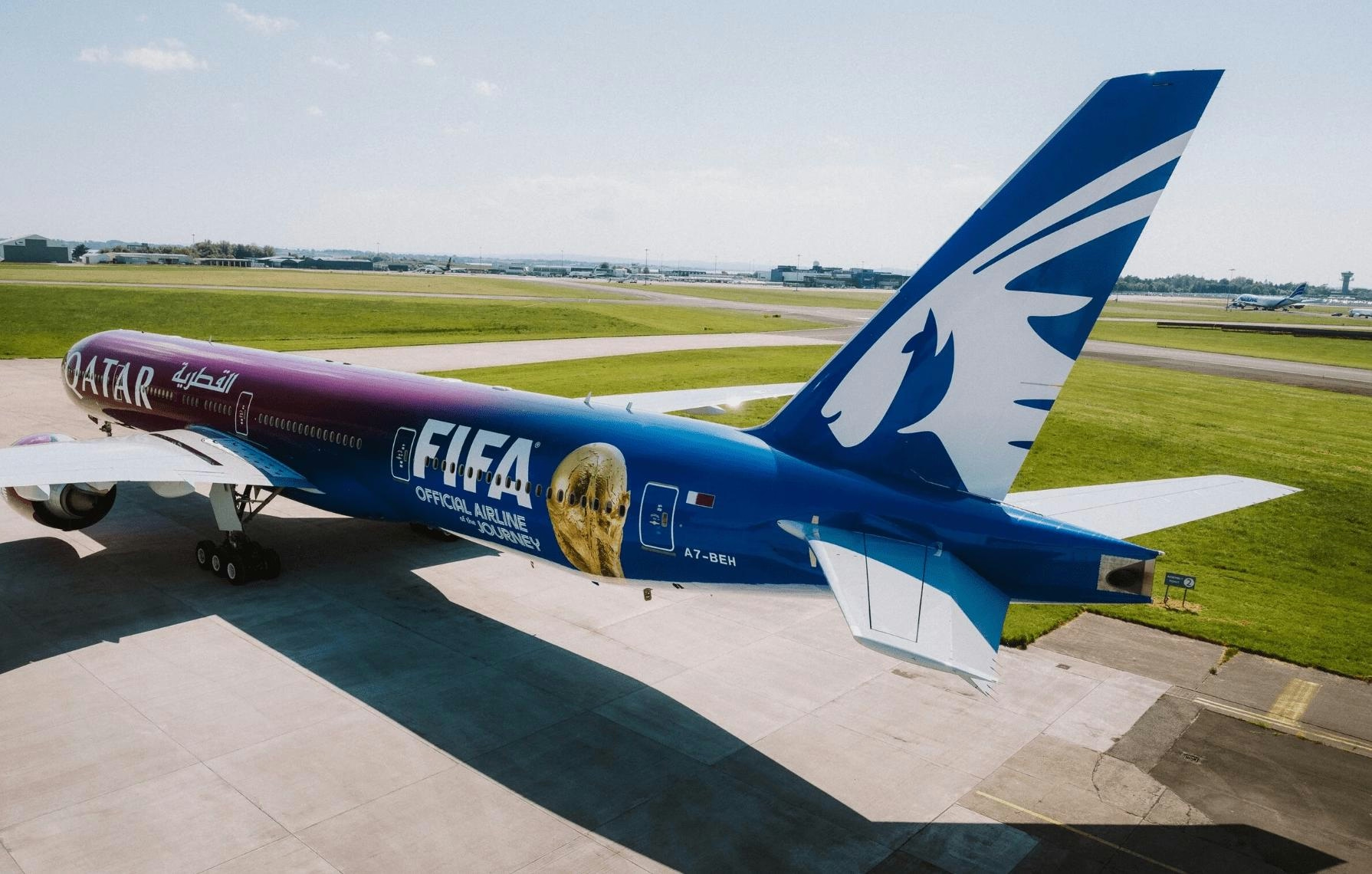
Linking Ireland’s Aircraft Leasing Industry to Elite Football
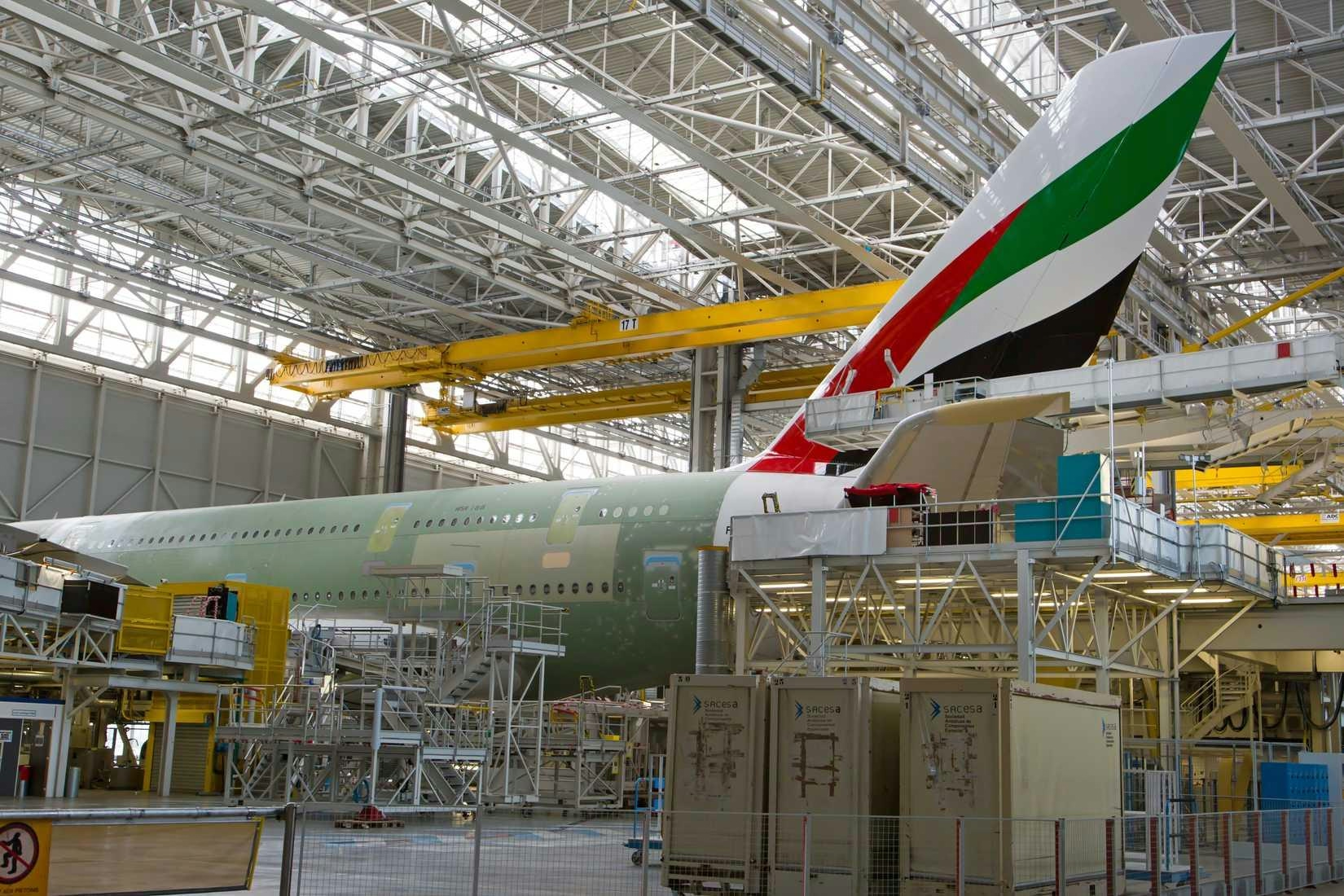
Airbus A380 at Tarbes Yields Over 90% of Parts for Active Fleets Through Careful Dismantling
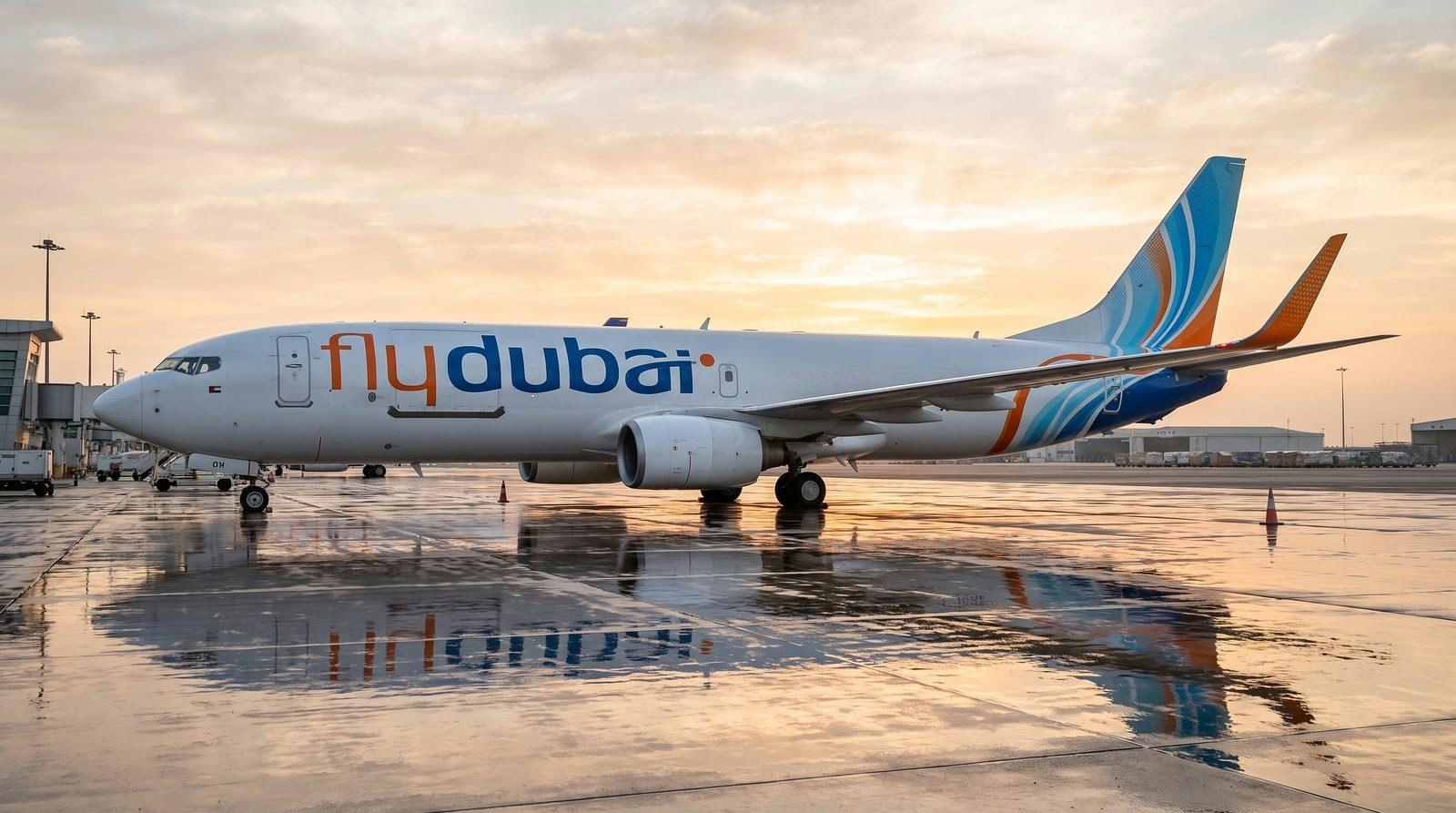
flydubai Begins Dedicated Freighter Operations with Three Leased 737-800s
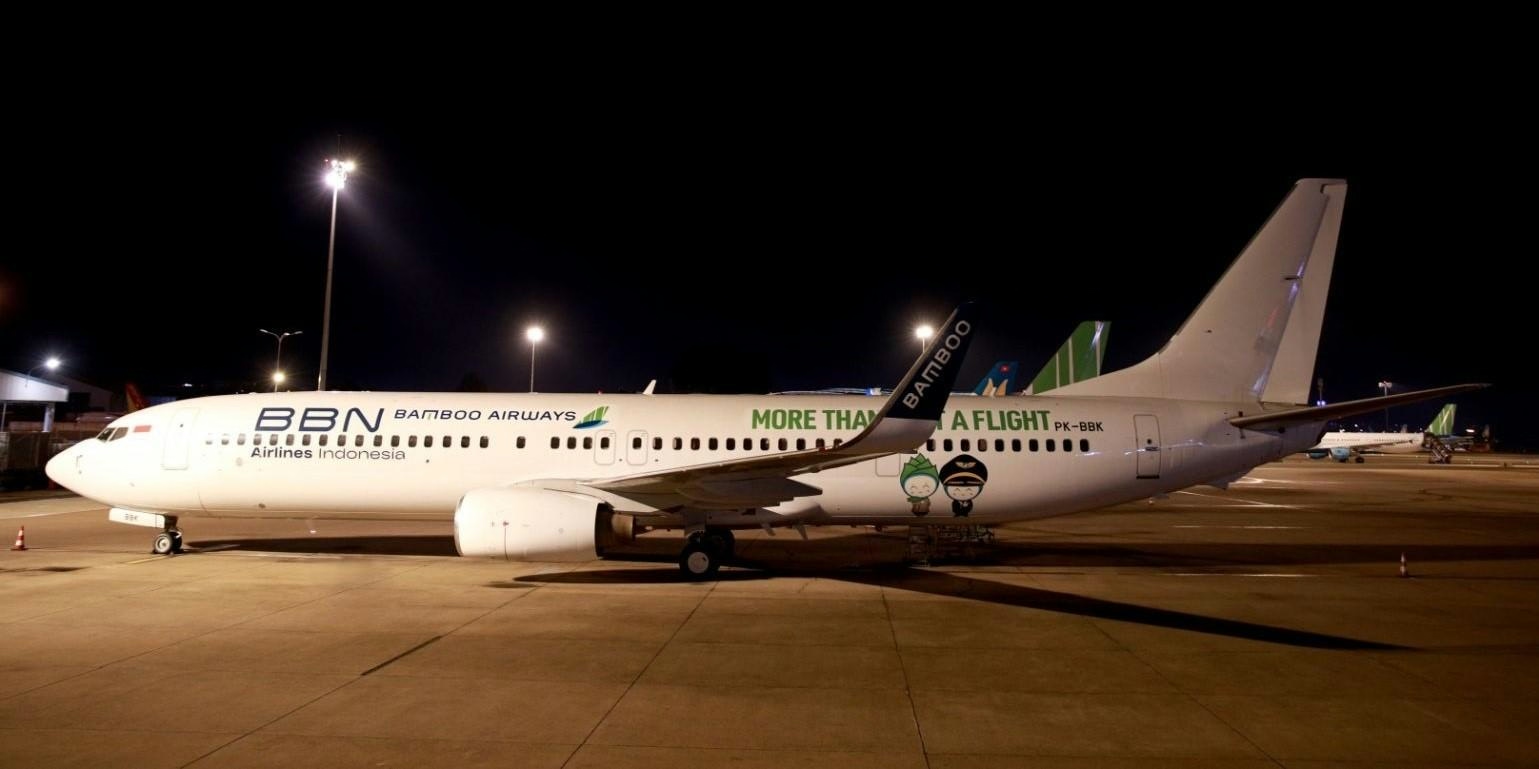
BBN Airlines Becomes IATA Member
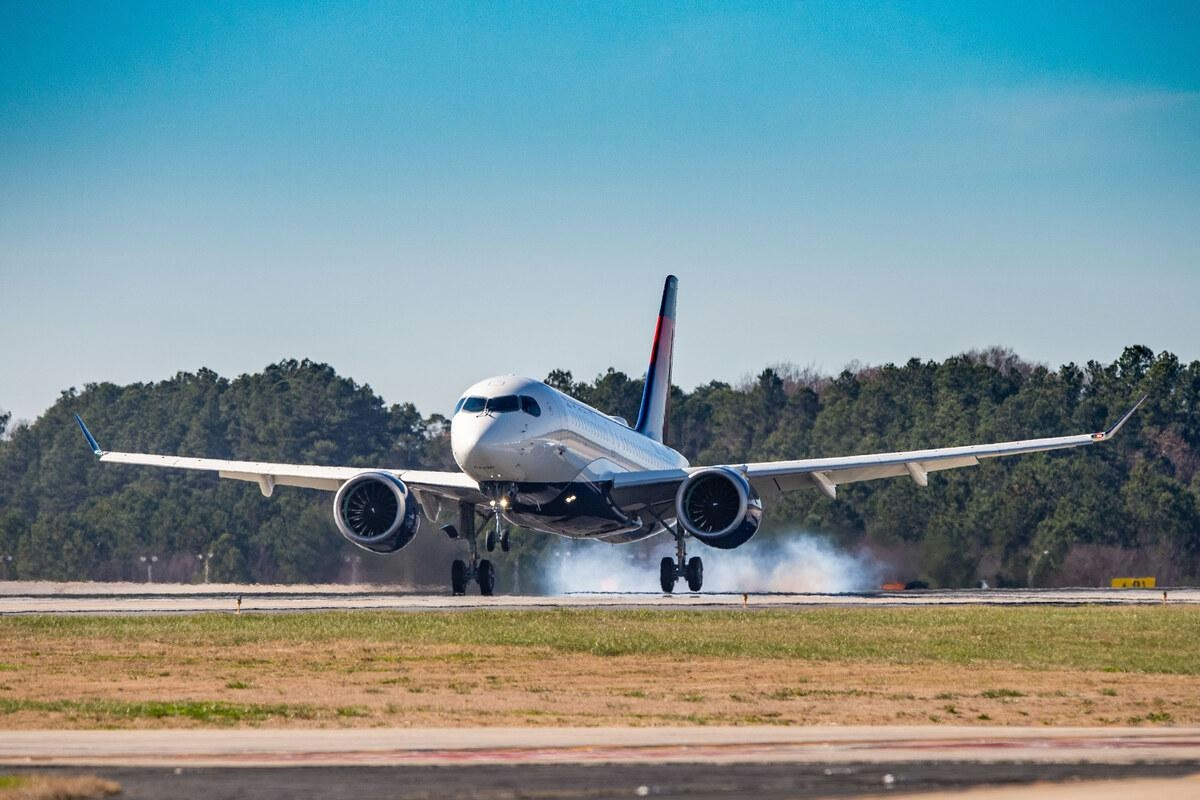
FAA Orders Breeze Airways and Delta to Inspect Airbus A220 Fuel Hoses

Philippine Aviation Navigates Expansion and Costs Amid Fuel Price Volatility
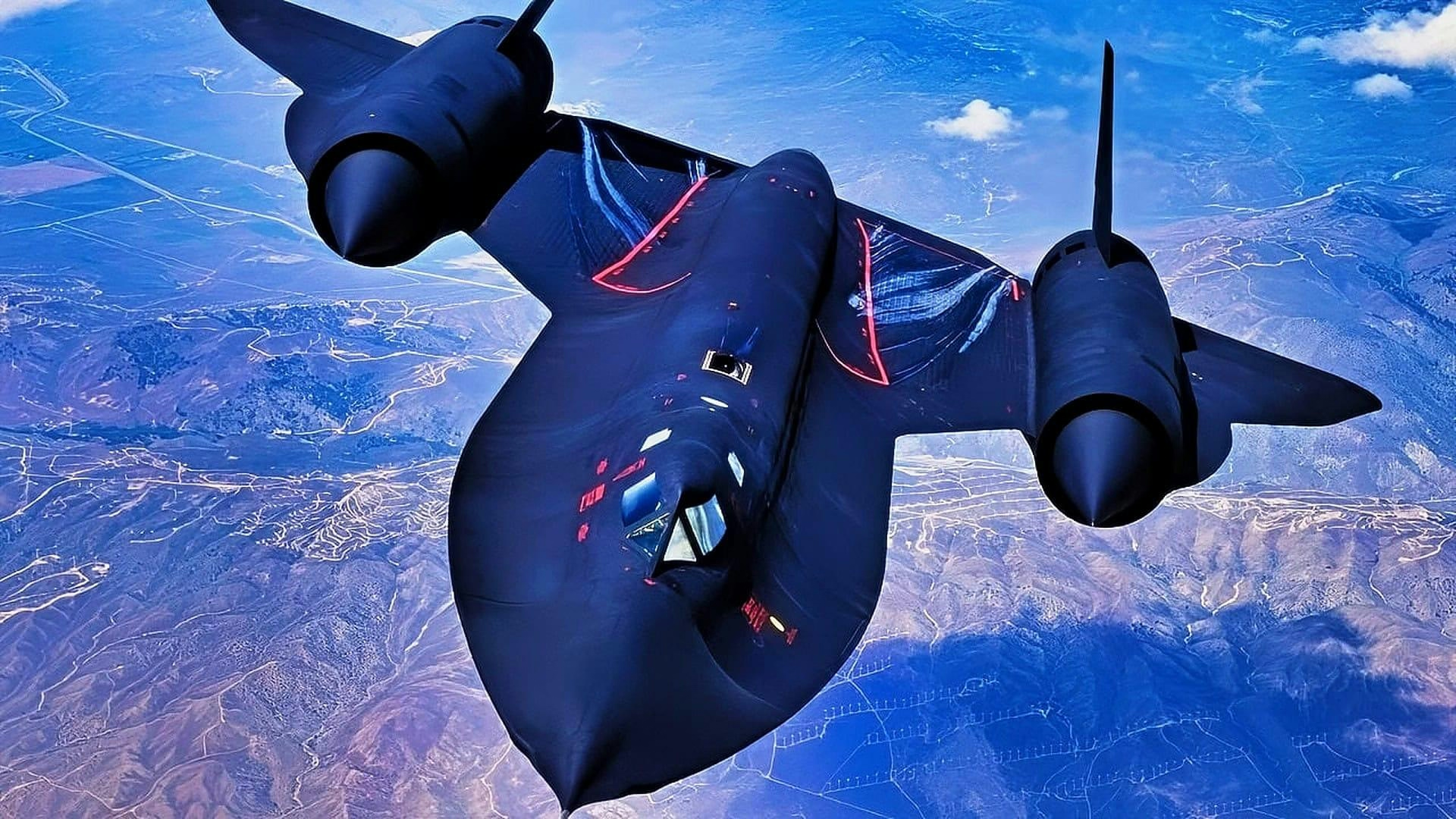
On April 26, 1971, an SR-71 Blackbird Flew Over 15,000 Miles in 10.5 Hours, Limited by Liquid Nitrogen Supply
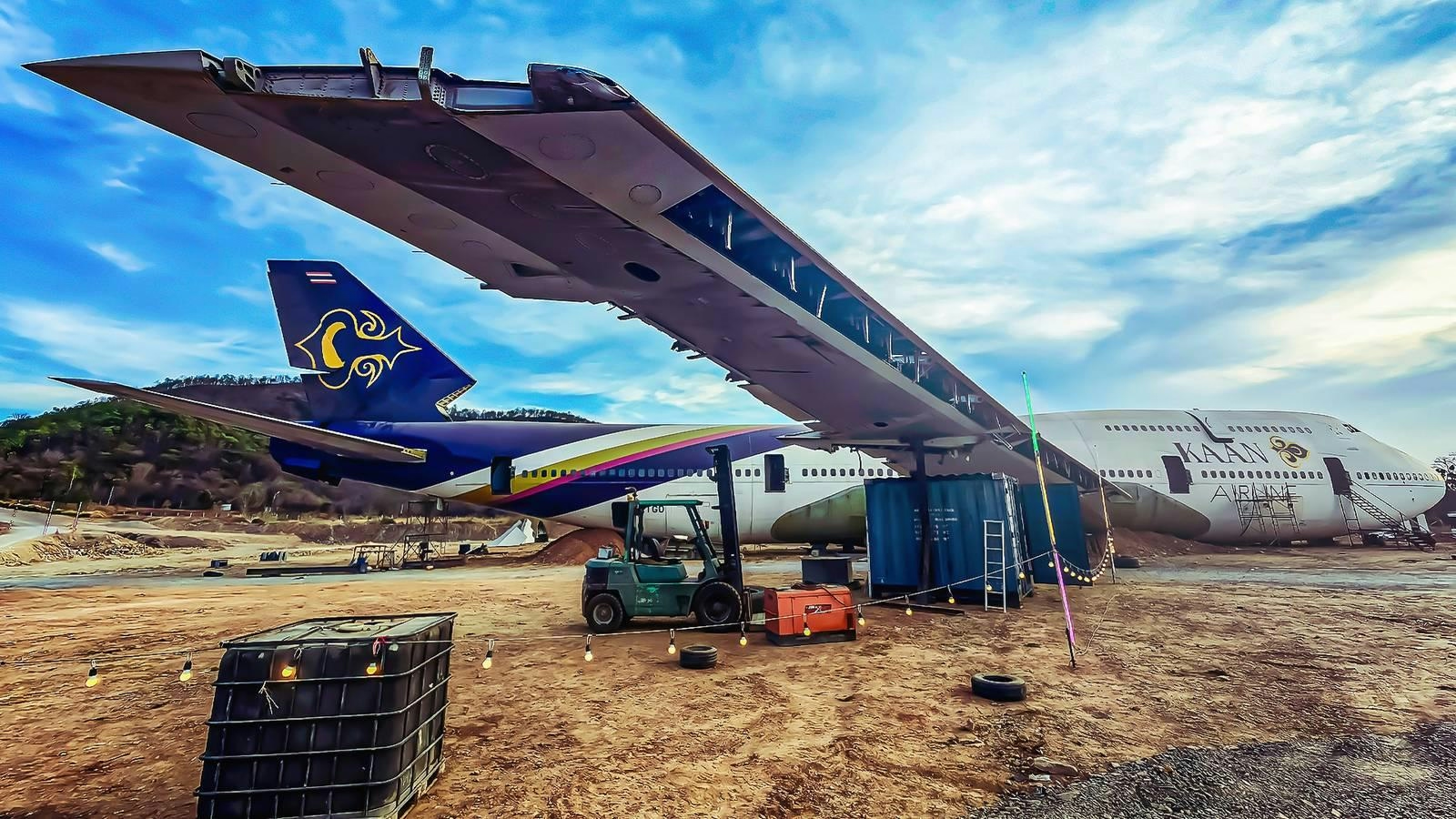
Boeing 747 Airframe Valued Less Than One Landing Gear Component
