
Превращайте аналитические выводы ИИ в реальные действия

В тренде
Categories
Cirrus Aircraft Backlog Exceeds 1,000 Units
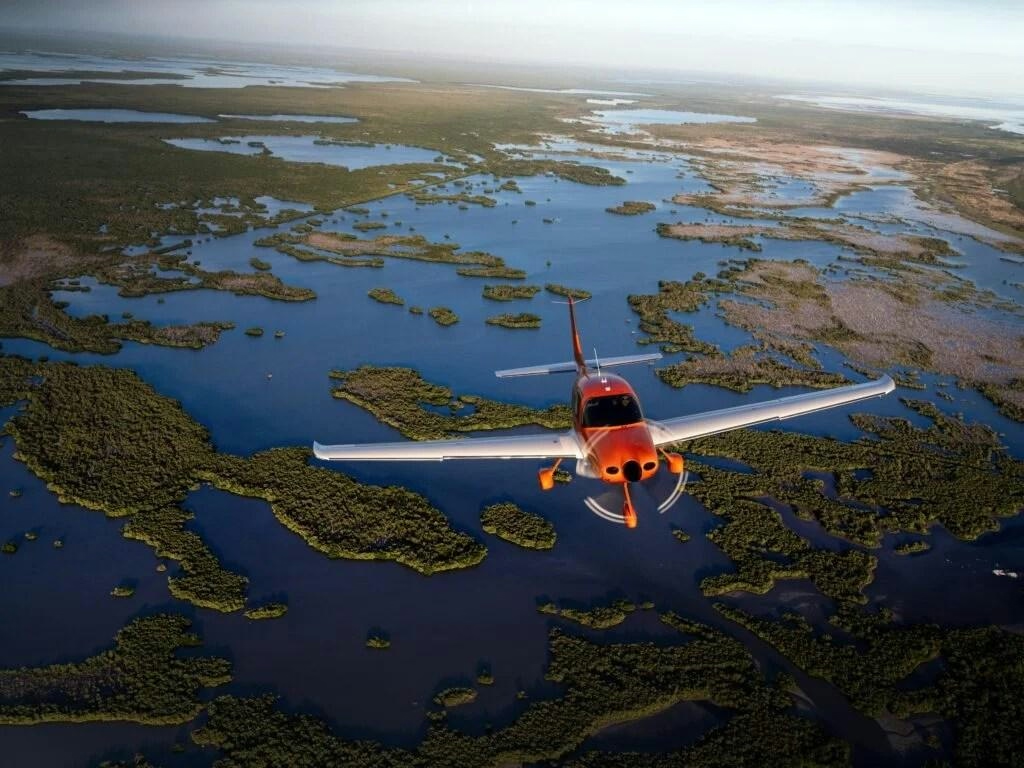
Cirrus Aircraft Backlog Surpasses 1,000 Units Amid Strong Market Demand
Cirrus Aircraft has announced that its order backlog remains above 1,000 units, reflecting sustained robust demand as the company reported significant growth in deliveries and revenue for the first half of 2026. The manufacturer delivered 405 aircraft during this period, marking a 16% increase from 350 deliveries in the same timeframe last year. Correspondingly, revenue rose 24% to $737 million, up from $594 million in the first half of 2025.
Orders and Financial Performance
The surge in orders and reservations was particularly notable, increasing by 65% to 398 aircraft compared to 241 in the first half of 2025. This strong order intake resulted in a book-to-bill ratio of 0.98, indicating that Cirrus received nearly as many new orders as it fulfilled in deliveries. While the company did not provide a detailed breakdown of its backlog by model, CEO Zean Nielsen emphasized the health of the order pipeline, noting that delivery wait times range from one to two years depending on the aircraft type. He also highlighted that this dynamic supports a robust used aircraft market.
Aircraft sales generated $617 million in revenue during the first half, up from $498 million a year earlier. Revenue from Cirrus Services and other operations increased to $120 million from $96 million. Net income rose to approximately $88.1 million, compared to about $65 million in the same period last year, underscoring the company’s improved profitability.
Production Expansion and Strategic Outlook
Cirrus’s strong financial and operational performance coincides with its efforts to expand production capacity. On August 14, the company inaugurated an expanded manufacturing facility in Grand Forks, North Dakota, adding over 30,000 square feet dedicated to composite manufacturing. This facility supports production of components for the SR Series and Vision Jet, and will also be used for the upcoming TRAC10 training aircraft.
Chief Financial Officer George Letten noted that the near one-to-one book-to-bill ratio reflects a balance between incoming orders and deliveries, which has helped maintain a strong backlog as production capacity increases. The company is preparing to commence TRAC10 production ahead of planned deliveries in 2027. Nielsen indicated that Cirrus aims to gradually reduce delivery wait times, targeting a backlog equivalent to approximately one year of production.
Industry Implications and Competitive Landscape
The backlog exceeding 1,000 units highlights both the opportunities and challenges facing Cirrus Aircraft. While the surge in orders demonstrates strong market demand, it also poses potential strains on production capabilities and supply chain logistics, which could lead to delays and increased operational costs. Nevertheless, the company’s growth has attracted heightened investor interest and may positively influence its market position.
Competitors are expected to respond by accelerating product development, intensifying marketing efforts, or adjusting pricing strategies to capitalize on the increased demand and profitability observed at Cirrus. As Cirrus works to balance production with demand, the broader aviation market is closely monitoring how the company and its rivals will navigate this evolving environment.

Etihad and Swissport Extend Global Partnership
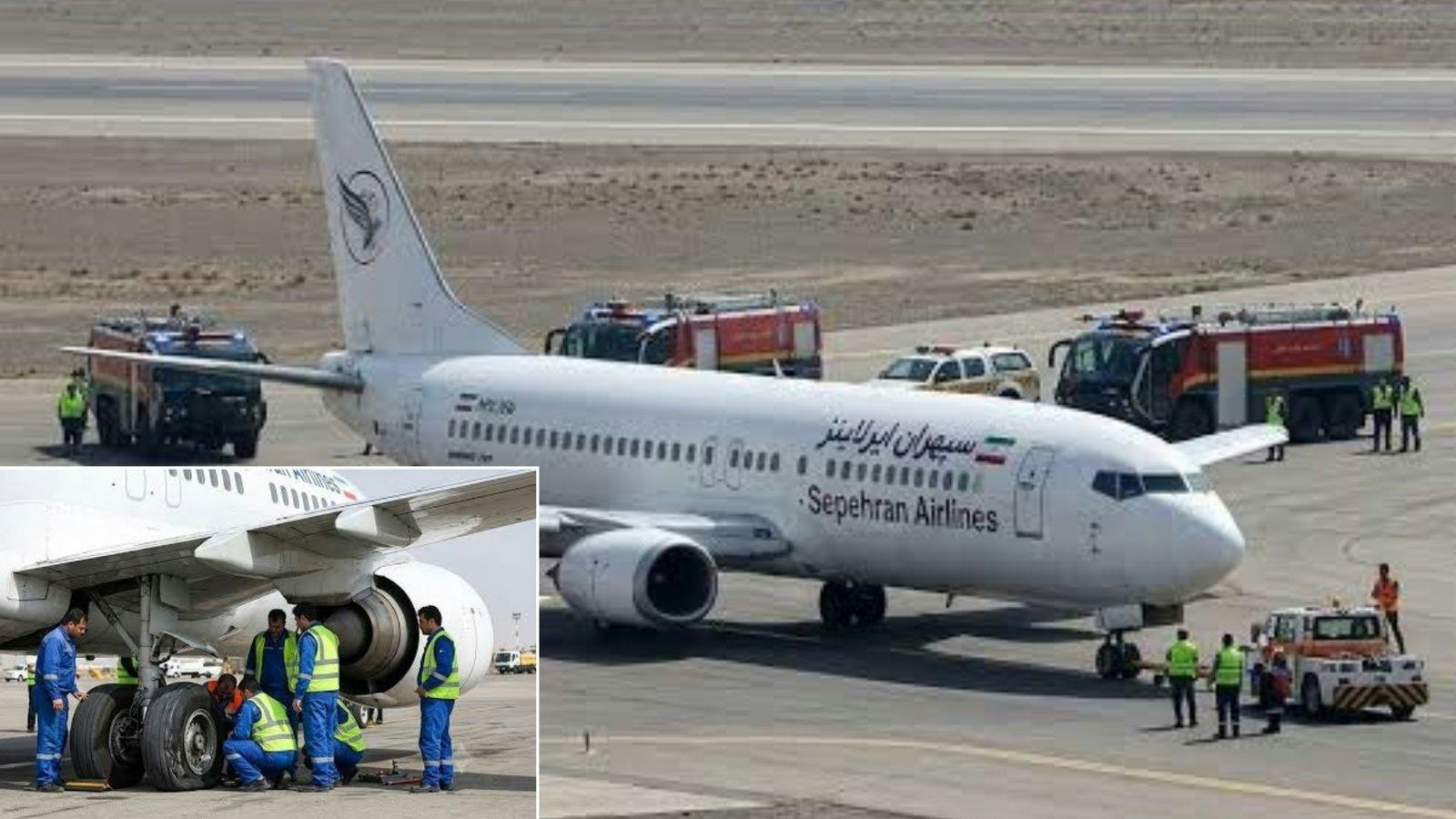
Sepehran Airlines B737 Returns to Mashhad After Tyre and Engine Issues

Etihad Deploys Widebody Fleet to Meet Strong Demand

Korean Air Finalizes $36.2 Billion Deal with Boeing

Australia’s RFDS Queensland Section Orders Six King Air 260Cs

Korean Air Finalizes Order for 103 Boeing Jets and Engines

Embraer E195-E2 Features Distinctive Engine Placement Among Regional Jets

What Passengers Can Expect on Boeing’s New 777X Jet

How Ethiopian Airlines Became Africa’s Leading Carrier Amid Gulf Competition

Joby Aviation Extends Autonomous Flight Capabilities with Cross-Country Tour
