
Превращайте аналитические выводы ИИ в реальные действия

В тренде
Categories
DGCA Orders Safety Inspections for Air India’s Boeing 787 Fleet Following Ahmedabad Crash
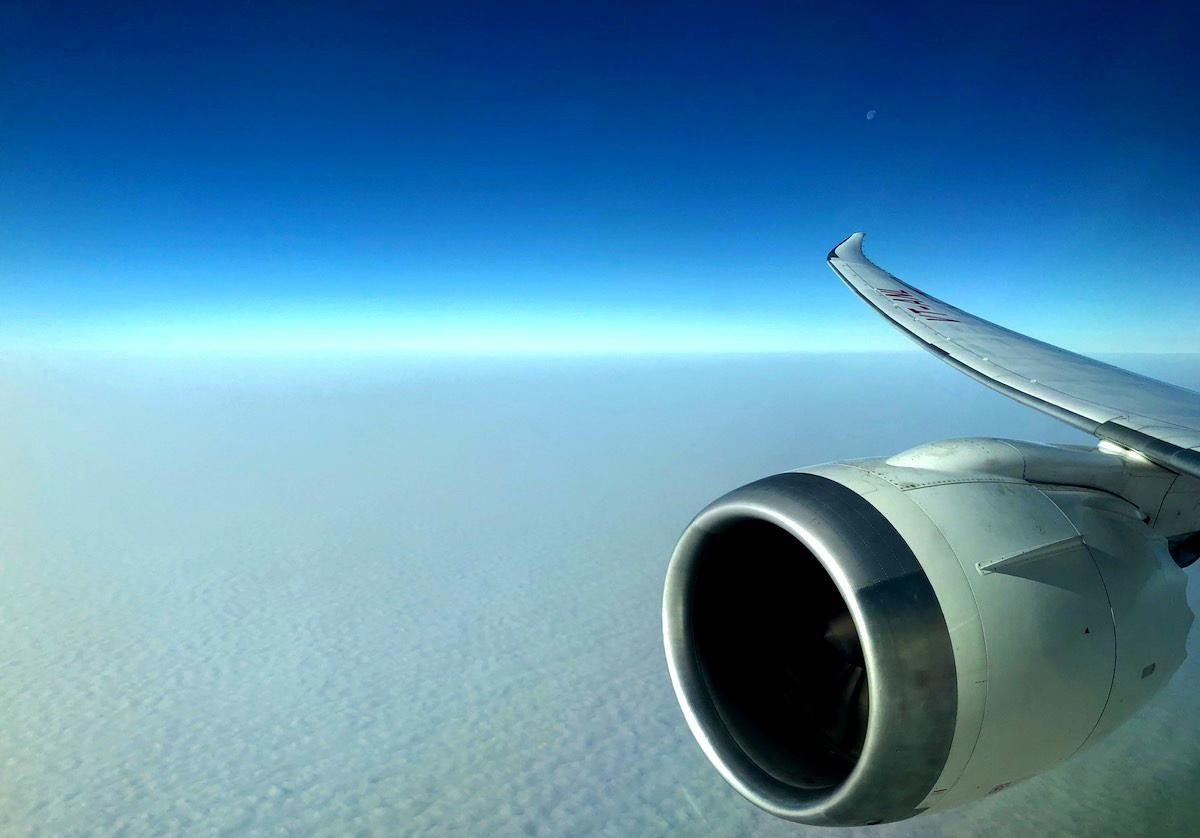
DGCA Orders Safety Inspections for Air India’s Boeing 787 Fleet Following Ahmedabad Crash
Heightened Regulatory Scrutiny After Ahmedabad Incident
India’s aviation sector has come under intensified scrutiny following a directive from the Directorate General of Civil Aviation (DGCA) mandating comprehensive safety inspections of Air India’s entire Boeing 787 fleet. This order follows a recent crash in Ahmedabad, prompting urgent concerns regarding operational safety and the broader implications for the nation’s flagship carrier.
The DGCA’s directive represents a marked escalation in regulatory oversight. Authorities are expected to conduct thorough examinations of maintenance records, crew training protocols, and technical systems across Air India’s Dreamliner fleet. While such inspections are customary after significant incidents, the scale and urgency of the DGCA’s response highlight the gravity of the situation.
Potential Impact on Air India and the Aviation Market
For Air India, the consequences could be considerable. Should inspectors identify systemic issues, the airline may face temporary grounding of some or all of its Boeing 787 aircraft. Such a development would disrupt flight schedules, potentially leaving passengers stranded and undermining confidence in the airline’s reliability. Additionally, insurance premiums are likely to rise as underwriters reassess risk in light of the crash and ensuing regulatory measures.
The market has reacted swiftly to the DGCA’s announcement, with Air India’s stock price experiencing a decline amid investor concerns over operational disruptions and the financial implications of necessary repairs or compensation claims. Passenger confidence, already fragile due to a series of high-profile aviation incidents worldwide, may be further eroded as travelers weigh safety assurances against the convenience of flying with India’s largest international carrier.
Rival airlines stand to benefit from Air India’s challenges, potentially gaining market share as passengers seek alternative options. The DGCA’s actions may also prompt the wider industry to implement more rigorous safety checks, setting a precedent that could lead other carriers to proactively review their fleets to avoid similar regulatory scrutiny.
Challenges Amid Ambitious Expansion Plans
The timing of the crash and subsequent inspections is particularly sensitive for Air India, which is currently undergoing an ambitious transformation under new ownership. The airline has been positioning itself as a symbol of India’s aviation aspirations, investing heavily in fleet modernization and service enhancements to compete on the global stage. This crisis threatens to disrupt that trajectory, testing both the management’s resolve and the resilience of India’s aviation sector.
As the DGCA’s inspections continue, the industry will closely monitor the findings, which could have far-reaching implications for safety standards nationwide. For Air India, the coming weeks represent a critical period—not only in terms of technical compliance but also in restoring confidence among regulators, investors, and the flying public.

Etihad Airways Suspends Airbus A380 Flights on Key Route

Aditya Birla Group Seeks Approval for Aircraft Leasing in GIFT City

Qatar Airways Highlights Innovation and Connectivity at Arabian Travel Market 2026

Hong Kong's Five-Year Plan Includes Andrew Fan's Aircraft Parts Processing Hub Proposal

ACIA Aero Leasing Delivers ATR72-600 to Air Nostrum

RTX Appoints Jill Albertelli as Head of Pratt & Whitney

TAT Technologies Joins Beyond Aero Hydrogen Aircraft Program

AURAK Study Highlights Barriers to Air Taxi Adoption in Emerging Economies

Xiamen Air Selects Altitude for 787 Maintenance at Heathrow

Etihad and Swissport Extend Global Partnership
