
Превращайте аналитические выводы ИИ в реальные действия

В тренде
Categories
Electric Aircraft Market Outlook Through 2035
Electric Aircraft Market Set for Substantial Growth Through 2035
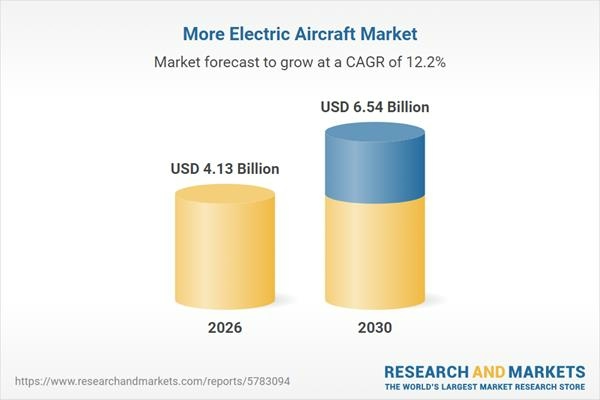
The global electric aircraft market is poised for significant expansion over the next decade, with its value projected to rise from $3.65 billion in 2025 to $6.54 billion by 2030. This growth, outlined in the "More Electric Aircraft Market Report 2026" by ResearchAndMarkets.com, corresponds to a compound annual growth rate (CAGR) of 12.2% from 2026 onward. The surge is primarily driven by the aviation sector’s transition from traditional hydraulic and pneumatic systems to advanced electric technologies.
Drivers of Market Expansion
Several key factors underpin this rapid growth. Increasing demand for fuel-efficient and low-emission aircraft is a major catalyst, alongside continuous innovations in electric propulsion systems. Regulatory pressures emphasizing sustainability are also accelerating the shift toward electric solutions. Global initiatives aimed at reducing aviation emissions have intensified research into hybrid-electric and fully electric propulsion technologies. These developments have heightened the need for lightweight electrical systems and more efficient energy storage, both essential for the broader adoption of electric aircraft.
The rise of urban air mobility and electric vertical takeoff and landing (eVTOL) vehicles exemplifies emerging market opportunities. These technologies align with the growing emphasis on greener transportation options in urban environments. Concurrently, advancements in high-performance inverters, power conversion technologies, and energy storage are enabling the design of next-generation electric aircraft. The International Air Transport Association (IATA) forecasts global air passenger traffic to reach 4 billion by 2024, surpassing pre-pandemic levels. This increase is prompting airlines to invest in electric aircraft to meet the demands of commercial and business travelers with more sustainable fleets.
Industry Developments and Challenges
Leading aerospace companies are actively responding to these trends with substantial investments and strategic initiatives. ZeroAvia, for instance, is progressing in the development of electric and hydrogen-powered components, targeting certification for engines suitable for aircraft with up to 90 seats. The company is focusing on electric motors and silicon carbide inverters that comply with rigorous aerospace standards while reducing emissions.
In a significant move, BAE Systems acquired Ball Aerospace & Technologies Corp. in February 2024, enhancing its capabilities in space, intelligence, and mission systems. This acquisition reflects a broader industry pattern of consolidating technological expertise to address both defense and civil aviation requirements.
Despite the promising outlook, the electric aircraft market faces notable challenges. Technological barriers such as improving battery efficiency and reducing weight remain critical obstacles to widespread adoption. Additionally, evolving certification standards and regulatory frameworks introduce uncertainties that could affect market development timelines. The high initial costs associated with research, development, and infrastructure investment further complicate progress.
To overcome these challenges, companies are increasing their investments in electric aircraft technologies and fostering collaborations between traditional aerospace manufacturers and technology firms. These partnerships aim to accelerate the advancement of electric propulsion systems and secure competitive advantages in a rapidly evolving market. As the industry continues to navigate these complexities, the pursuit of sustainable aviation is expected to remain a central focus shaping the electric aircraft market through 2035 and beyond.

Etihad Airways Suspends Airbus A380 Flights on Key Route

Aditya Birla Group Seeks Approval for Aircraft Leasing in GIFT City

Qatar Airways Highlights Innovation and Connectivity at Arabian Travel Market 2026

Hong Kong's Five-Year Plan Includes Andrew Fan's Aircraft Parts Processing Hub Proposal

ACIA Aero Leasing Delivers ATR72-600 to Air Nostrum

RTX Appoints Jill Albertelli as Head of Pratt & Whitney

TAT Technologies Joins Beyond Aero Hydrogen Aircraft Program

AURAK Study Highlights Barriers to Air Taxi Adoption in Emerging Economies

Xiamen Air Selects Altitude for 787 Maintenance at Heathrow

Etihad and Swissport Extend Global Partnership
