
Превращайте аналитические выводы ИИ в реальные действия

В тренде
Categories
Etihad Airways Responds Calmly to Boeing 777X Delays
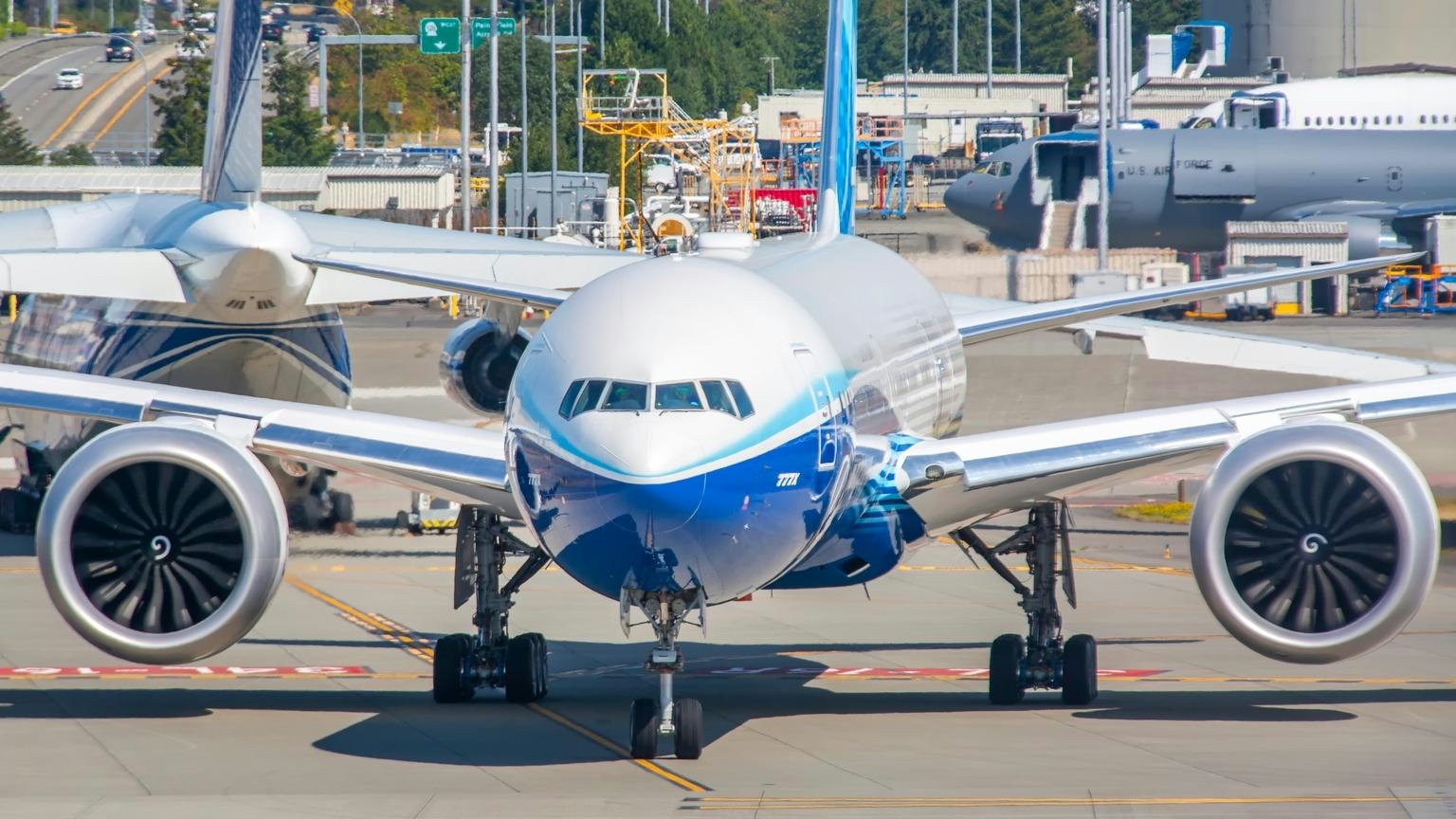
Etihad Airways Responds Calmly to Boeing 777X Delays
The ongoing industrial challenges affecting Boeing’s assembly lines have introduced significant uncertainty across the Persian Gulf’s aviation sector. However, Abu Dhabi-based Etihad Airways has maintained a notably composed stance amid the turmoil. While many regional carriers confront multi-year delivery delays and scramble to revise their fleet strategies, Etihad has effectively insulated its global capacity plans from the disruption, avoiding the widespread panic that has unsettled much of the industry.
Strategic Fleet Planning and Timelines
Etihad’s resilience stems from a deliberately cautious approach to aircraft procurement. Unlike several regional competitors who have placed large, speculative orders to secure market dominance, Etihad has avoided overexposure to manufacturer setbacks. The extensive delays in Boeing’s 777X program have disrupted long-term fleet renewal plans across the sector, compelling many legacy operators to extend the operational life of aging aircraft at considerable expense. In contrast, Etihad’s forward-looking strategy, established years ago, has created a structural buffer that shields its network ambitions from production setbacks in Seattle.
Central to this composure is Etihad’s carefully structured order book. Under CEO Antonoaldo Neves, the airline has scheduled its first Boeing 777X delivery for 2031, well beyond the current crisis horizon. This back-loaded timeline transforms what is an immediate operational emergency for others into a distant concern for Etihad, allowing the carrier to concentrate on its Journey 2030 transformation program supported by a stable and active fleet.
Despite Boeing’s 777X program lagging seven years behind its original schedule, Etihad has met its near-term capacity needs with reliable, already-certified twin-aisle aircraft. Neves characterizes the manufacturing environment as a “mixed bag” but emphasizes, “It’s a big problem, but we don’t face that problem,” referring to the certification bottlenecks that have ensnared competitors.
Etihad plans to add an average of 20 aircraft annually over the next five years, relying on predictable deliveries to satisfy growing premium travel demand. This measured approach protects the airline from the financial strain associated with emergency leases or unplanned maintenance. It has contributed to a robust post-tax profit of $698 million last year and a 21 percent increase in passenger numbers, reaching 22.4 million. The carrier’s 90 percent load factor reflects a fleet precisely aligned with its current route structure rather than one dependent on delayed capacity.
Competitive Dynamics and Emerging Risks
Nonetheless, Etihad’s calm may face challenges as competitors adjust their strategies. Emirates anticipates receiving its first Boeing 777X by June next year but remains cautious, citing ongoing concerns over Rolls-Royce engine improvements for the rival Airbus A350-1000. Meanwhile, Japan’s ANA expects to take delivery of Boeing 777-9s starting in 2027 but has contingency plans should further delays occur. These developments underscore persistent uncertainty in the market and suggest that Etihad’s confidence in its recovery and expansion plans could be tested if supply chain disruptions continue or if competitors’ contingency measures prove more effective.
Diversification as a Pillar of Stability
Etihad has further mitigated risk by diversifying its fleet investments, finalizing a significant order for 32 Airbus widebody aircraft, including long-range A350-1000s. This balanced procurement strategy across multiple manufacturers ensures that the airline is not overly dependent on a single supplier, reinforcing its capacity to navigate ongoing industry disruptions.
In a region where many airlines remain vulnerable to the volatility of aircraft manufacturing, Etihad’s measured and strategic approach stands out. However, as the competitive landscape evolves and supply chain uncertainties persist, the airline’s resilience will continue to be tested in the years ahead.

Etihad and Swissport Extend Global Partnership
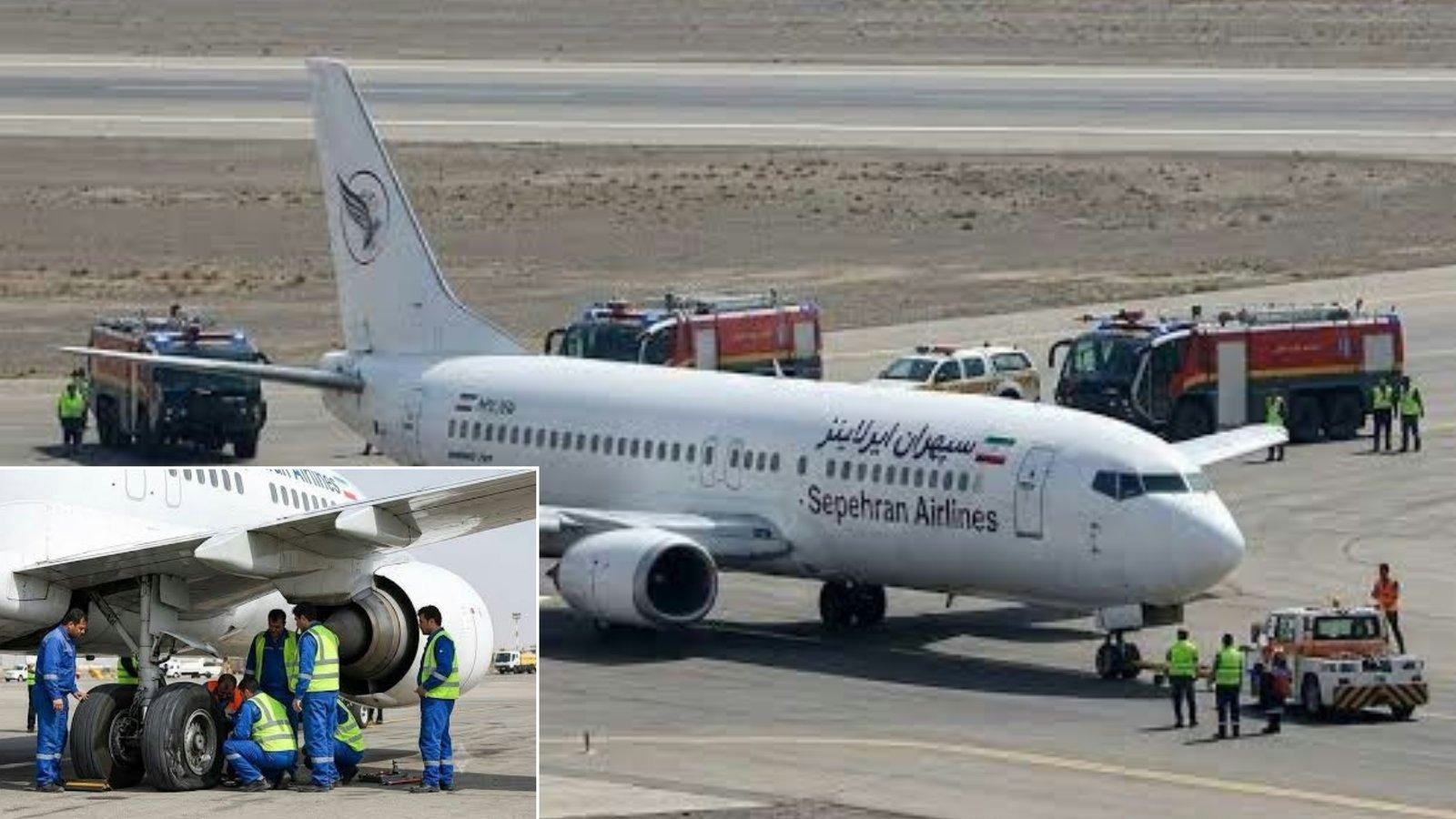
Sepehran Airlines B737 Returns to Mashhad After Tyre and Engine Issues
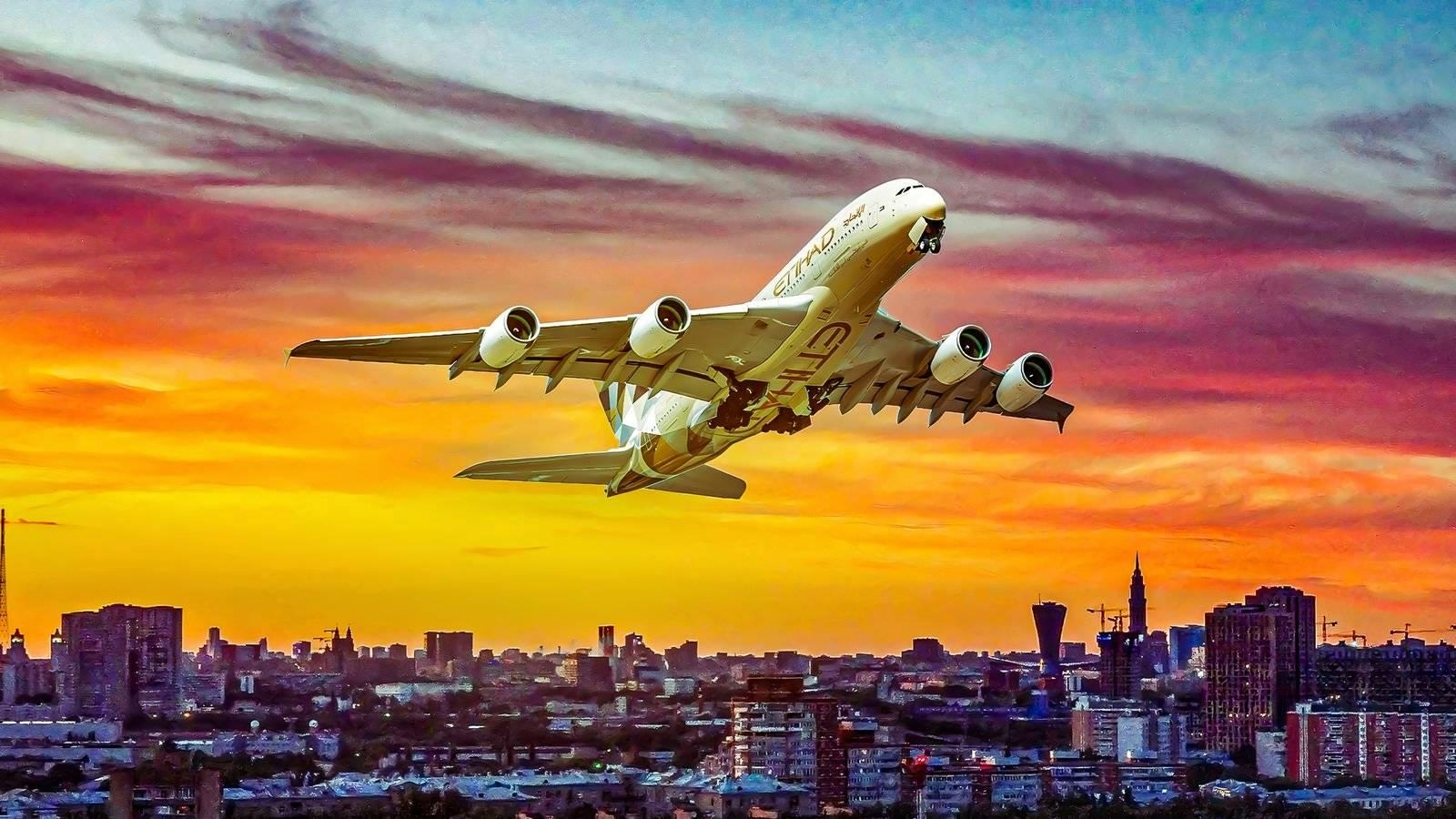
Etihad Deploys Widebody Fleet to Meet Strong Demand
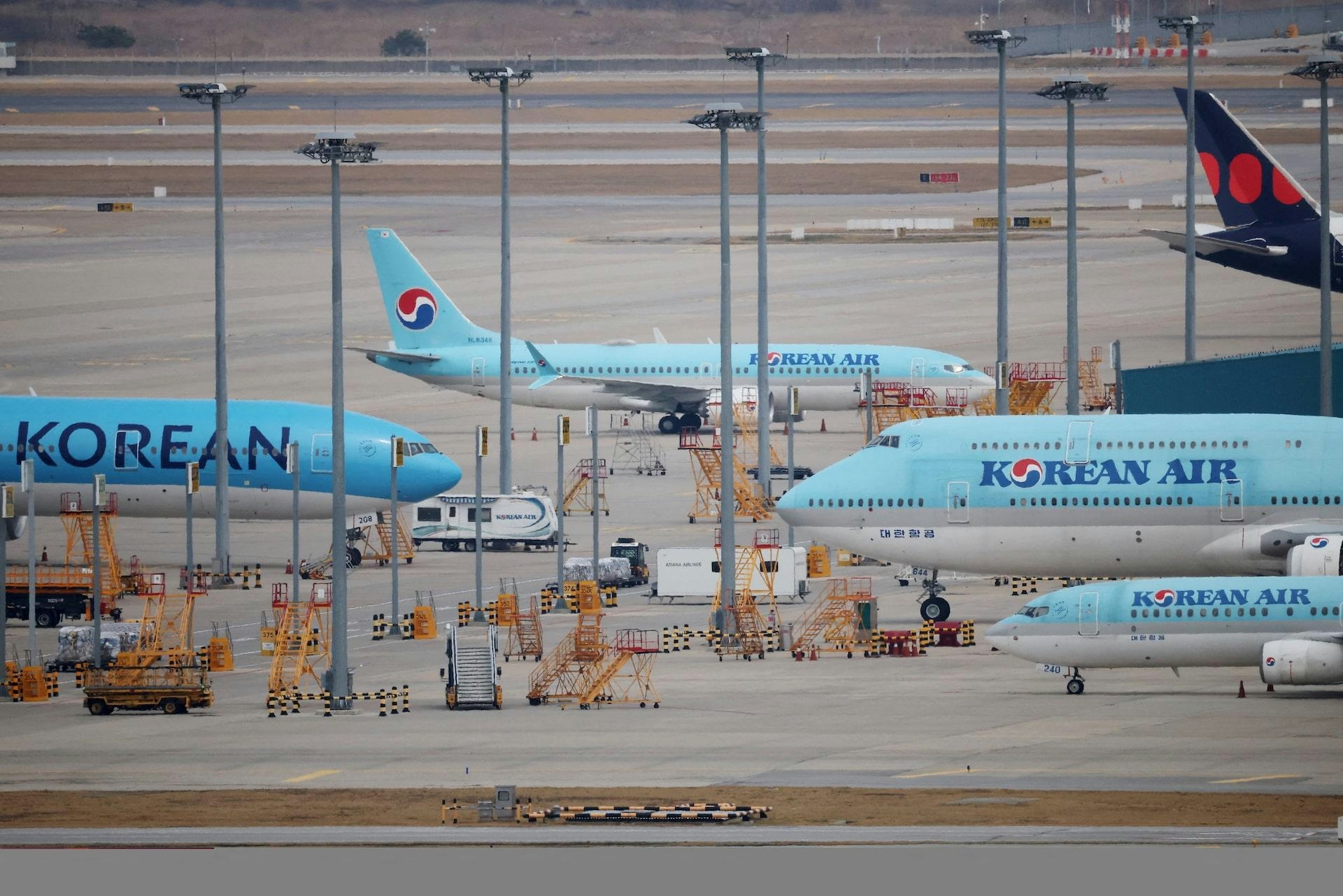
Korean Air Finalizes $36.2 Billion Deal with Boeing
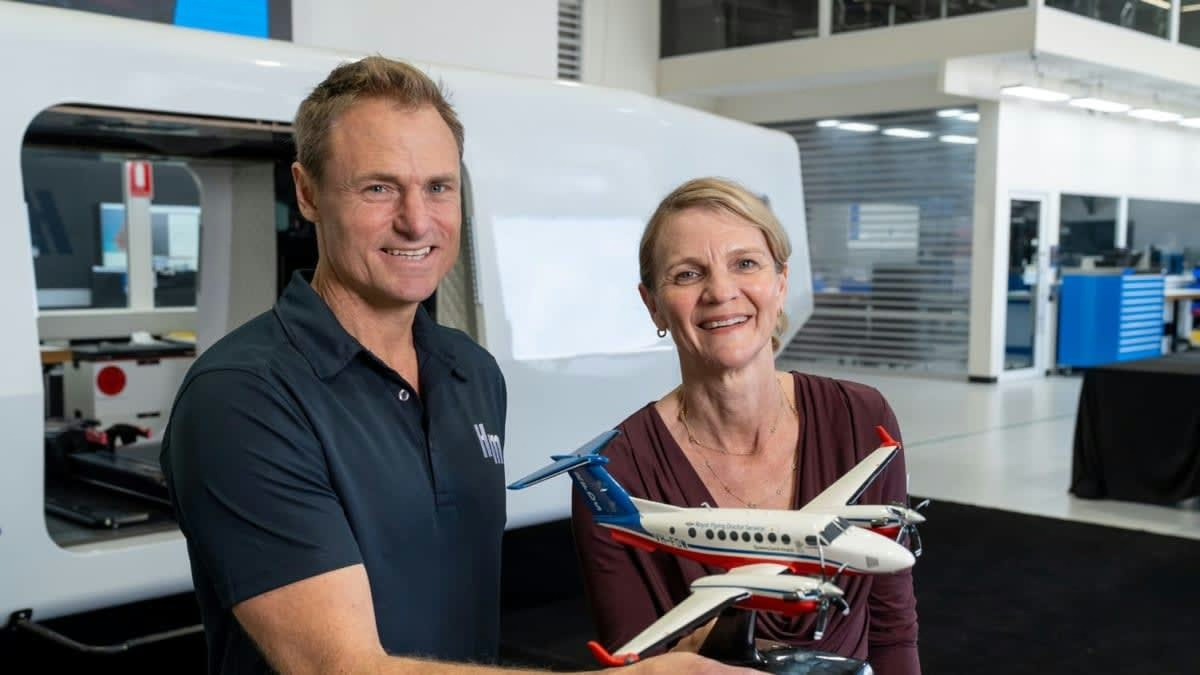
Australia’s RFDS Queensland Section Orders Six King Air 260Cs
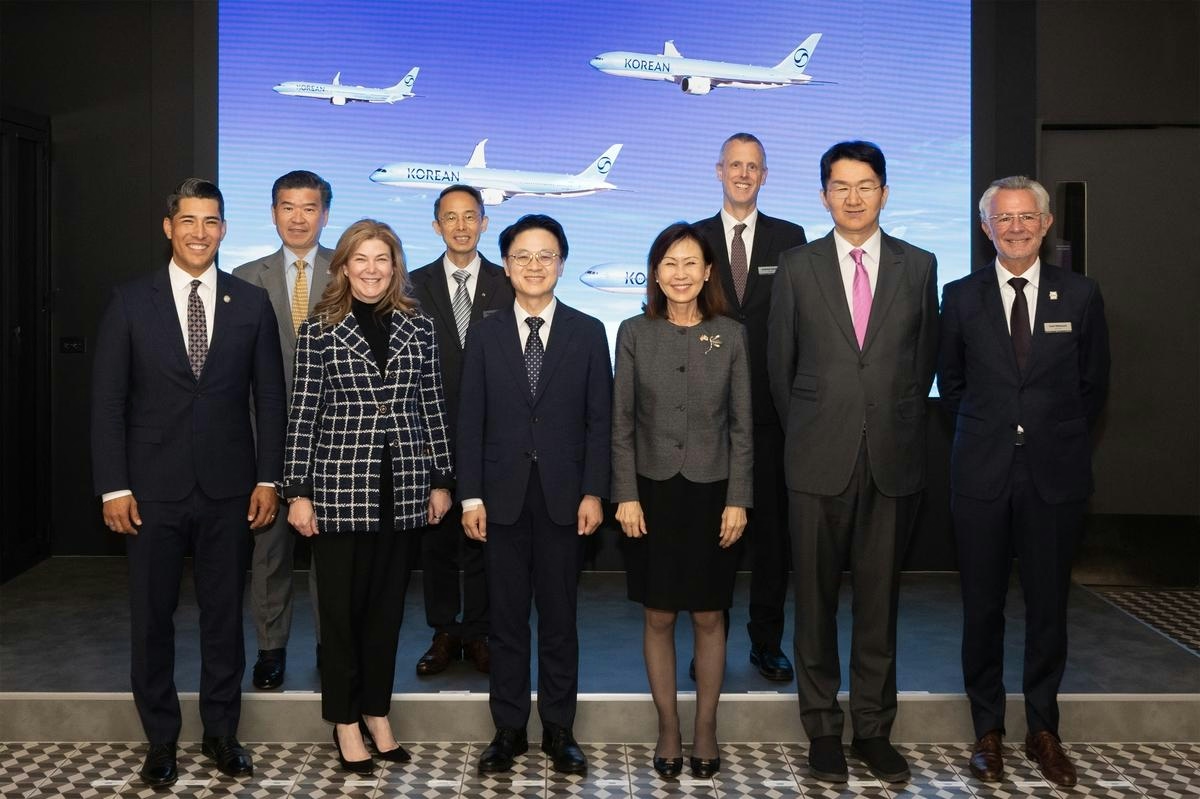
Korean Air Finalizes Order for 103 Boeing Jets and Engines
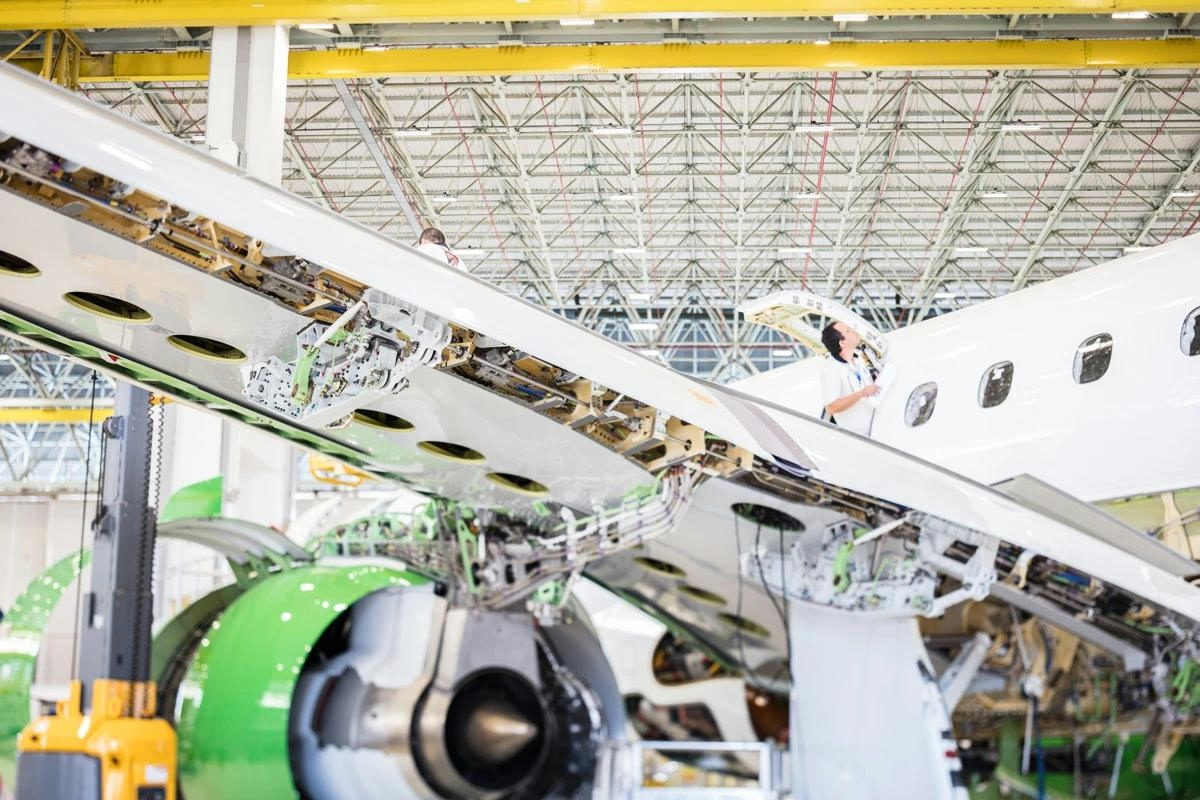
Embraer E195-E2 Features Distinctive Engine Placement Among Regional Jets
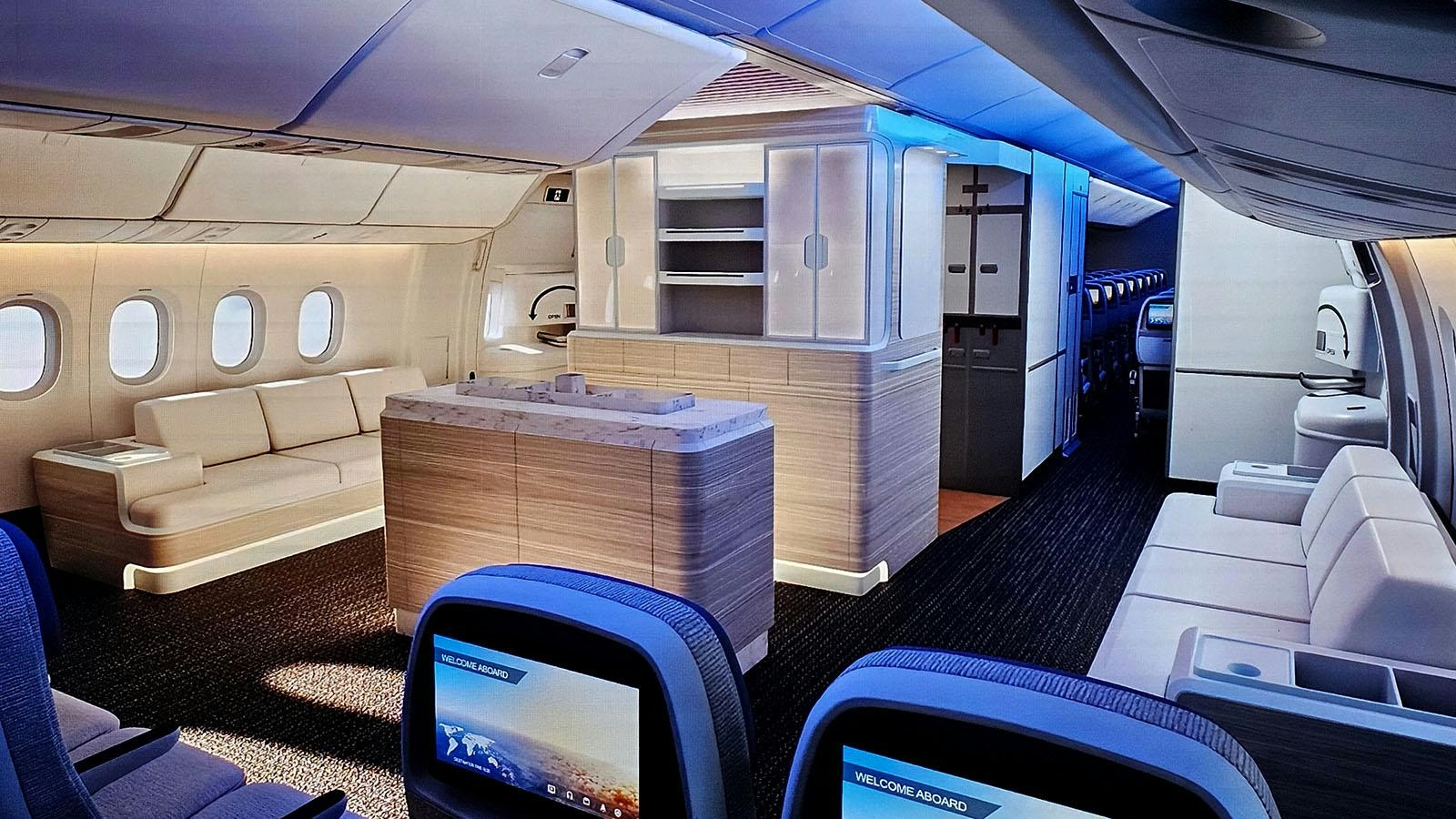
What Passengers Can Expect on Boeing’s New 777X Jet
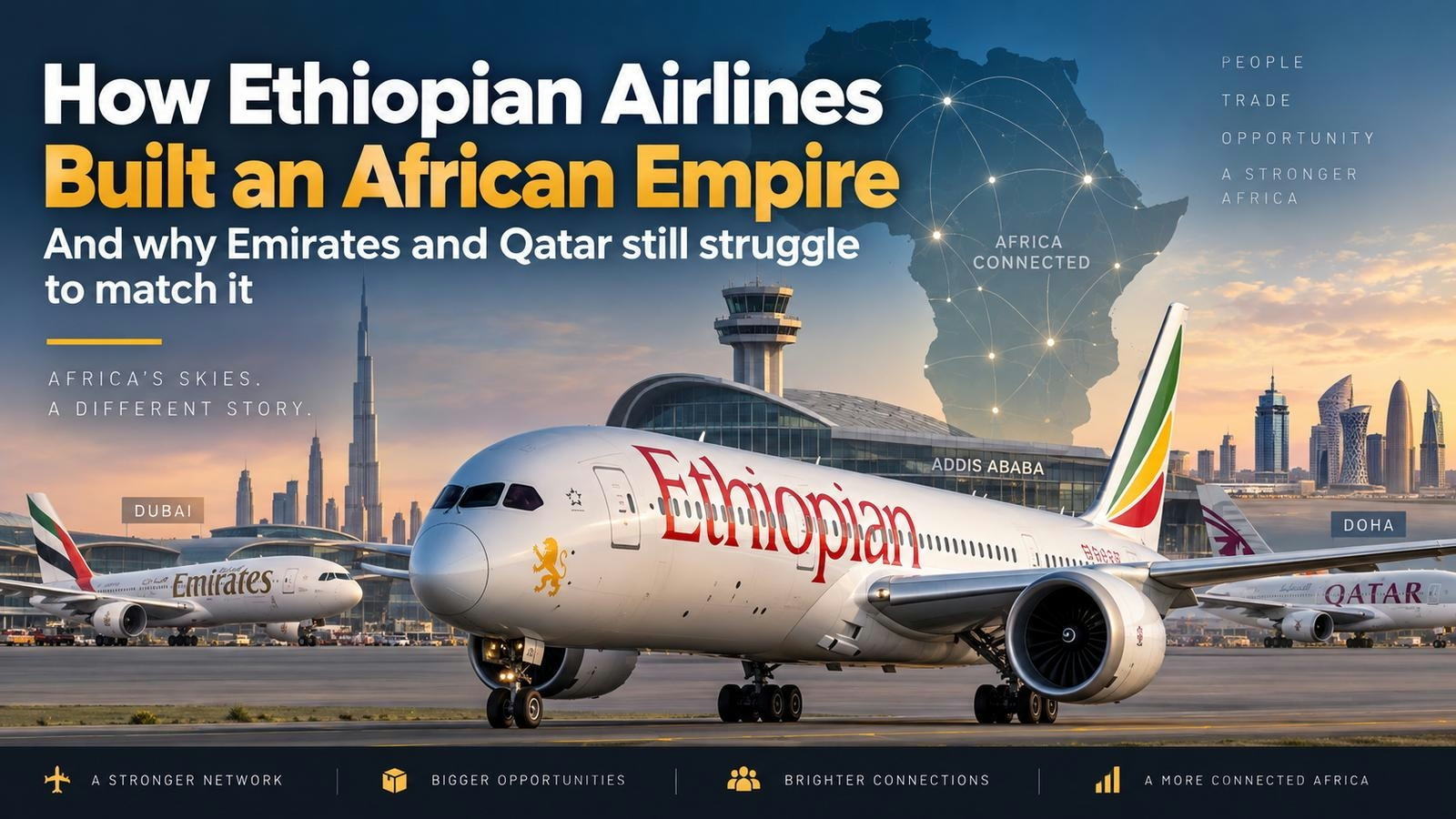
How Ethiopian Airlines Became Africa’s Leading Carrier Amid Gulf Competition
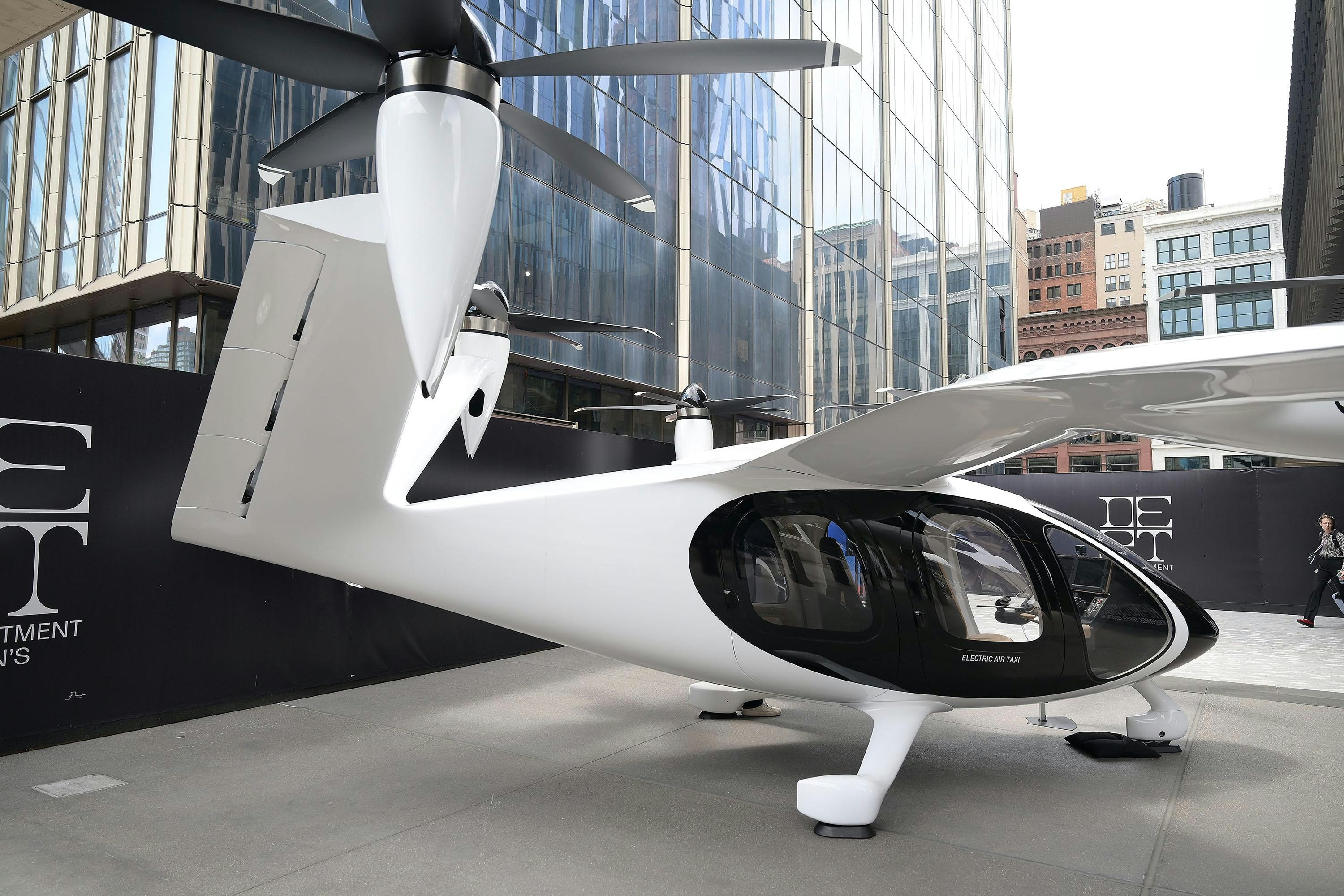
Joby Aviation Extends Autonomous Flight Capabilities with Cross-Country Tour
