
Превращайте аналитические выводы ИИ в реальные действия

В тренде
Categories
From Garage to Hangar: Why Auto Mechanics Should Move to Aviation
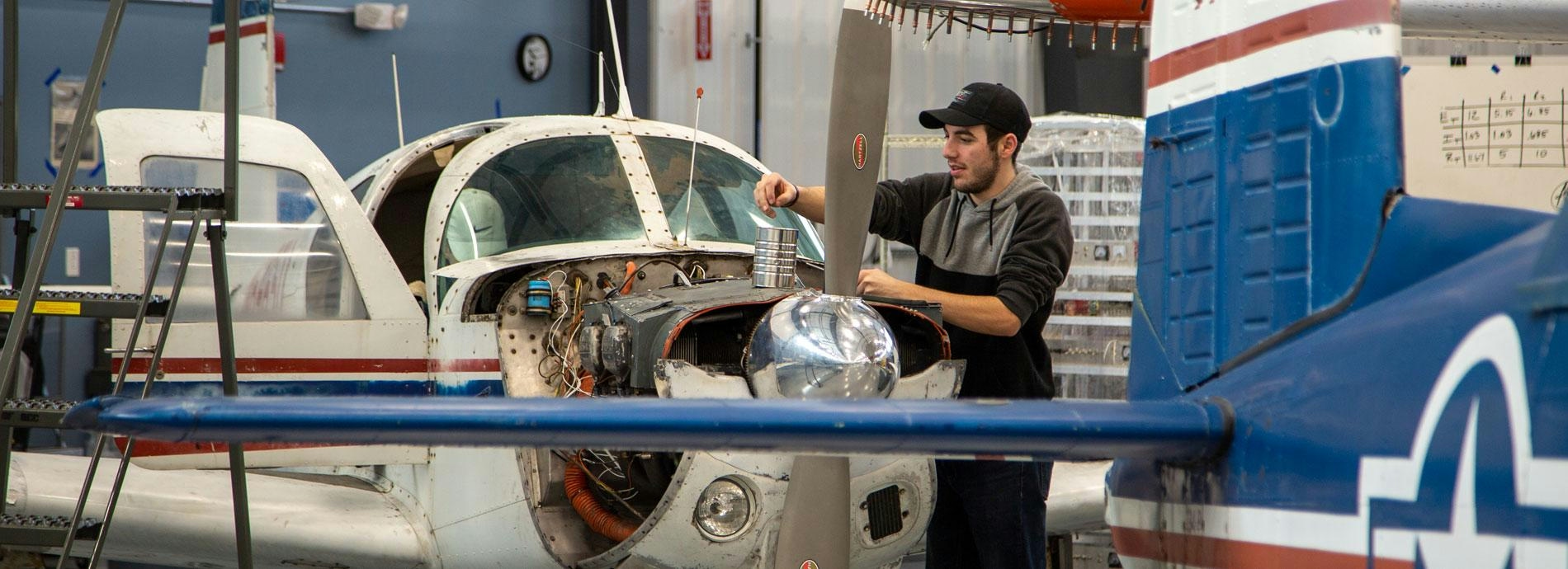
From Garage to Hangar: Why Auto Mechanics Should Move to Aviation
The roots of American hot rod culture trace back to World War II, when aircraft mechanics returned home and applied their technical expertise to automobiles. Today, the dynamic is reversing. The aviation industry is facing a critical shortage of skilled mechanics, creating unprecedented opportunities for automotive technicians to advance their careers. Despite the apparent differences between cars and airplanes, the foundational skills of auto mechanics position them well to meet the growing demands of aviation maintenance.
Aviation’s Growing Need for Skilled Mechanics
The aviation maintenance sector is currently experiencing one of the most significant labor shortages in its history. With the average age of aircraft mechanics at 54 and many approaching retirement, the gap in qualified personnel is expanding rapidly. Boeing estimates that approximately 710,000 new aircraft maintenance technicians will be required worldwide over the next twenty years. In the United States alone, the shortfall could reach 25,000 by 2028. This shortage coincides with a surge in global air travel, intensifying pressure on an already strained workforce and underscoring the urgent need for new talent.
Why Auto Mechanics Are a Natural Fit
Auto mechanics possess hands-on experience and a meticulous approach to maintenance—qualities that are essential in aviation. Although aircraft systems are more complex and subject to stringent regulatory oversight, many routine tasks overlap with automotive work. These include engine disassembly, brake servicing, preventive maintenance, electrical diagnostics, and hydraulic system repairs. However, transitioning from automotive to aviation maintenance is not without its challenges, requiring adaptation to advanced technologies and compliance with rigorous safety standards.
Navigating the Transition: Challenges and Opportunities
The shift from automotive to aviation maintenance demands significant investment in training to acquire aviation-specific skills and certifications. The learning curve is steep, as technicians must master new technologies and adhere to strict regulatory frameworks. While some sectors within the aviation industry welcome the cross-industry expertise that auto mechanics bring, others remain cautious about the ease with which these skills can be transferred.
Market conditions also influence this transition. Recent financial difficulties faced by car dealerships in China highlight the volatility of the automotive sector, making the relative stability and growth prospects of aviation more appealing. Additionally, both industries are increasingly reliant on automated dispatch systems and efficiency-driven service models, emphasizing the need for adaptable and technologically proficient workers.
Industry Response and the Road Ahead
Responses from employers in both sectors vary. Certain aviation companies are actively recruiting auto mechanics, recognizing the value of their practical skills and fresh perspectives. Conversely, some continue to prioritize candidates from traditional aviation training pathways. For automotive technicians, moving into aviation offers not only improved compensation and job security but also the opportunity to work in a field where precision and expertise are paramount.
As the aviation industry prepares for a wave of retirements amid rising demand, auto mechanics stand at a unique crossroads. With appropriate training and a willingness to adapt, the transition from garage to hangar represents a promising new chapter in skilled trades.

Etihad Airways Suspends Airbus A380 Flights on Key Route

Aditya Birla Group Seeks Approval for Aircraft Leasing in GIFT City

Qatar Airways Highlights Innovation and Connectivity at Arabian Travel Market 2026

Hong Kong's Five-Year Plan Includes Andrew Fan's Aircraft Parts Processing Hub Proposal

ACIA Aero Leasing Delivers ATR72-600 to Air Nostrum

RTX Appoints Jill Albertelli as Head of Pratt & Whitney

TAT Technologies Joins Beyond Aero Hydrogen Aircraft Program

AURAK Study Highlights Barriers to Air Taxi Adoption in Emerging Economies

Xiamen Air Selects Altitude for 787 Maintenance at Heathrow

Etihad and Swissport Extend Global Partnership
