
Превращайте аналитические выводы ИИ в реальные действия

В тренде
Categories
Frontier Airlines A321neo Engine Incident Raises Concerns Over Flight Disruptions
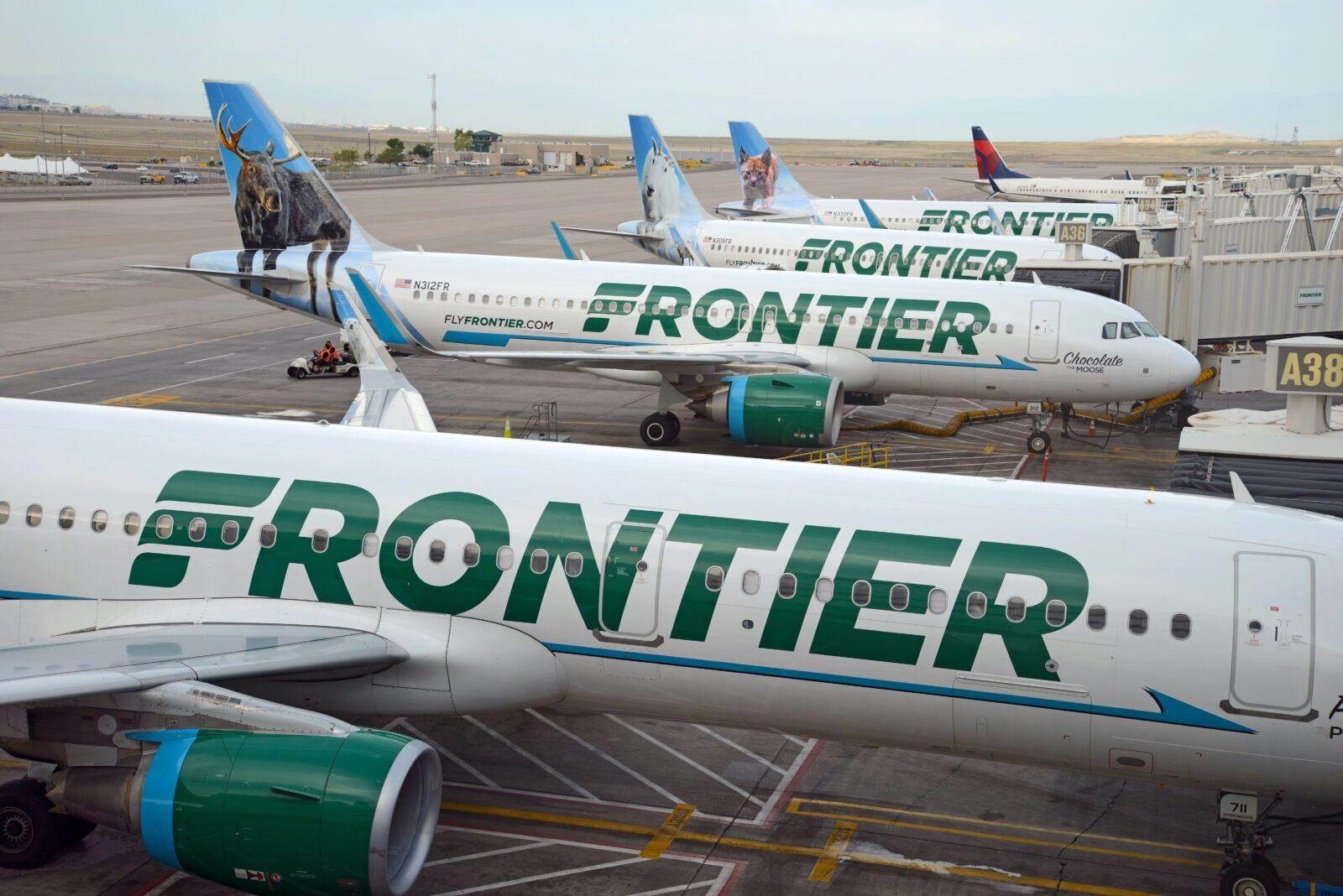
Frontier Airlines A321neo Engine Incident Raises Concerns Over Flight Disruptions
Engine Flameout Forces Emergency Return
A Frontier Airlines Airbus A321neo was compelled to return to Cleveland International Airport shortly after takeoff due to an engine malfunction. The aircraft, equipped with Pratt & Whitney’s geared turbofan (GTF) engines, experienced a rare flameout—an unexpected loss of engine power. The flight concluded safely with no injuries reported among passengers or crew, averting what could have been a more serious incident.
This event has heightened scrutiny of both Frontier Airlines and the wider aviation industry, particularly regarding the reliability of Pratt & Whitney’s GTF engines. These engines have faced ongoing technical challenges, contributing to maintenance delays and flight disruptions across several carriers. Frontier’s rapid expansion of its A320 family fleet to accommodate increasing demand from budget travelers places additional pressure on the airline to maintain operational reliability amid these concerns.
Broader Implications for the Aviation Sector and Travelers
The incident raises significant questions about potential disruptions for passengers. Airlines operating aircraft with the affected engines have encountered difficulties in maintaining schedules, leading to delays and cancellations that reverberate through the hospitality and tourism industries. Frontier now faces intensified regulatory scrutiny and the prospect of increased maintenance costs, which may result in more frequent schedule adjustments or service interruptions in the near term.
Investor confidence has also been affected, as evidenced by a temporary decline in Frontier’s stock price following the incident. Competitors may capitalize on this vulnerability by attracting travelers seeking more dependable service, thereby increasing competitive pressures on Frontier. Should these operational challenges persist, other airlines stand to gain market share at Frontier’s expense.
Industry-Wide Challenges and Operational Complexities
Compounding Frontier’s difficulties are broader technical issues affecting the aviation sector. Airlines operating Airbus A320-family aircraft are contending with necessary software updates, which demand significant attention and resources. These concurrent challenges risk diverting focus from resolving engine reliability problems, complicating efforts to ensure seamless operations.
Guidance for Travelers
In light of these developments, passengers are advised to monitor flight statuses closely, particularly when traveling on A320neo family aircraft. Flexible booking options and travel insurance may help mitigate the impact of potential disruptions. Staying informed through official airline communications regarding maintenance updates or schedule changes is also recommended.
As Frontier Airlines and the industry at large address these technical and operational hurdles, the incident underscores the critical importance of rigorous aircraft maintenance and reliability. Passengers are encouraged to remain vigilant and plan accordingly to minimize the effects of any unforeseen travel disruptions.

Etihad Airways Suspends Airbus A380 Flights on Key Route

Aditya Birla Group Seeks Approval for Aircraft Leasing in GIFT City

Qatar Airways Highlights Innovation and Connectivity at Arabian Travel Market 2026

Hong Kong's Five-Year Plan Includes Andrew Fan's Aircraft Parts Processing Hub Proposal

ACIA Aero Leasing Delivers ATR72-600 to Air Nostrum

RTX Appoints Jill Albertelli as Head of Pratt & Whitney

TAT Technologies Joins Beyond Aero Hydrogen Aircraft Program

AURAK Study Highlights Barriers to Air Taxi Adoption in Emerging Economies

Xiamen Air Selects Altitude for 787 Maintenance at Heathrow

Etihad and Swissport Extend Global Partnership
