
Превращайте аналитические выводы ИИ в реальные действия

В тренде
Categories
GE Aerospace Advances XA102 Adaptive Cycle Engine Toward Assembly for U.S. Air Force Combat Aircraft
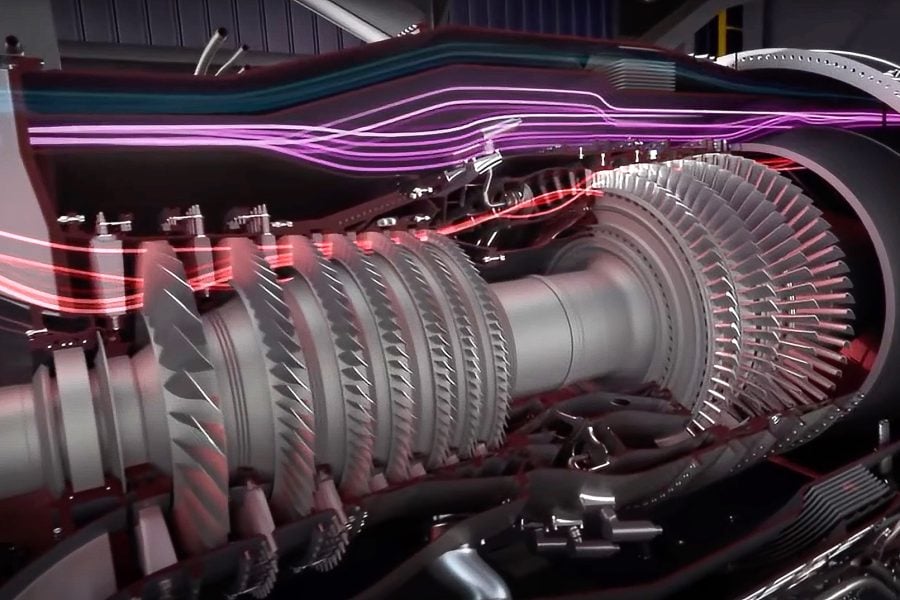
GE Aerospace Advances XA102 Adaptive Cycle Engine Toward Assembly for U.S. Air Force Combat Aircraft
GE Aerospace is progressing toward the assembly of its first XA102 adaptive cycle engine test asset, a critical milestone within the U.S. Air Force’s Next Generation Adaptive Propulsion (NGAP) program. This initiative aims to develop advanced propulsion systems for future combat aircraft, with the XA102 representing a significant evolution in adaptive engine technology. Currently, the company is procuring hardware from suppliers and conducting rigorous subcomponent testing, transitioning the XA102 from its digital development phase into a tangible test configuration.
Advancing Adaptive Cycle Engine Technology
Jorge Perez, general manager of Edison Works Advanced Combat Engines at GE Aerospace, emphasized the company’s strategic approach: “Our team is working with suppliers to procure hardware and test subcomponents as we prepare for assembly of the first XA102 test asset.” Building on insights gained from the earlier XA100 program, GE Aerospace is well positioned to advance adaptive cycle engine technology in alignment with the Air Force’s vision for next-generation propulsion systems.
Adaptive cycle engines like the XA102 are engineered to address the demanding requirements of propulsion efficiency, fuel economy, and thermal management inherent to advanced combat aircraft. Leveraging experience from the XA100, GE Aerospace is focused on integrating cutting-edge technologies while striving to avoid development delays and ensuring compliance with stringent military performance standards.
Digital Innovation and Manufacturing Integration
A notable innovation within the XA102 program is the extensive use of model-based engineering, which has significantly reduced development time and costs. GE Aerospace is now extending this digital methodology into manufacturing, inspection, and assembly processes. The XA102 will be the company’s first engine constructed entirely using model-based definition, replacing traditional two-dimensional engineering drawings with a comprehensive, machine-readable product definition. This integrated digital framework connects design, production, and inspection through unified models, enhancing accuracy and accelerating the transition from engineering to manufacturing.
Suppliers are being prepared to incorporate model-based data into their manufacturing and inspection workflows, making digital product definitions a fundamental component of the XA102 production framework. GE Aerospace has already demonstrated the effectiveness of its model-based engineering practices during the program’s initial phase and is now applying these methods alongside lessons learned from the XA100 in adaptive propulsion, thermal management, and advanced engine design.
Workforce Development and Industry Impact
To support the anticipated increase in production and address potential labor shortages, GE Aerospace has initiated workforce training programs aimed at cultivating a skilled labor pool for engine parts manufacturing. This proactive strategy is designed to facilitate a seamless transition as the XA102 advances toward assembly and subsequent testing phases.
The progress of the XA102 program has garnered significant attention within the defense and aerospace sectors. Industry analysts suggest that GE Aerospace’s advancements may bolster investor confidence in the company’s capacity to deliver innovative propulsion solutions. Concurrently, competitors such as Rolls-Royce and other engine manufacturers are expected to accelerate their own development efforts to maintain competitiveness in the evolving market for next-generation military engines.

Joby Aviation Extends Autonomous Flight Capabilities with Cross-Country Tour
Strengthening Europe's Aviation Supply Chain Amid Uncertainty
He 111Z Zwilling: Twin Fuselages, Five Engines, One Pilot
Monacair Plans Electric Air Taxi Service Between Monaco and Nice by 2029
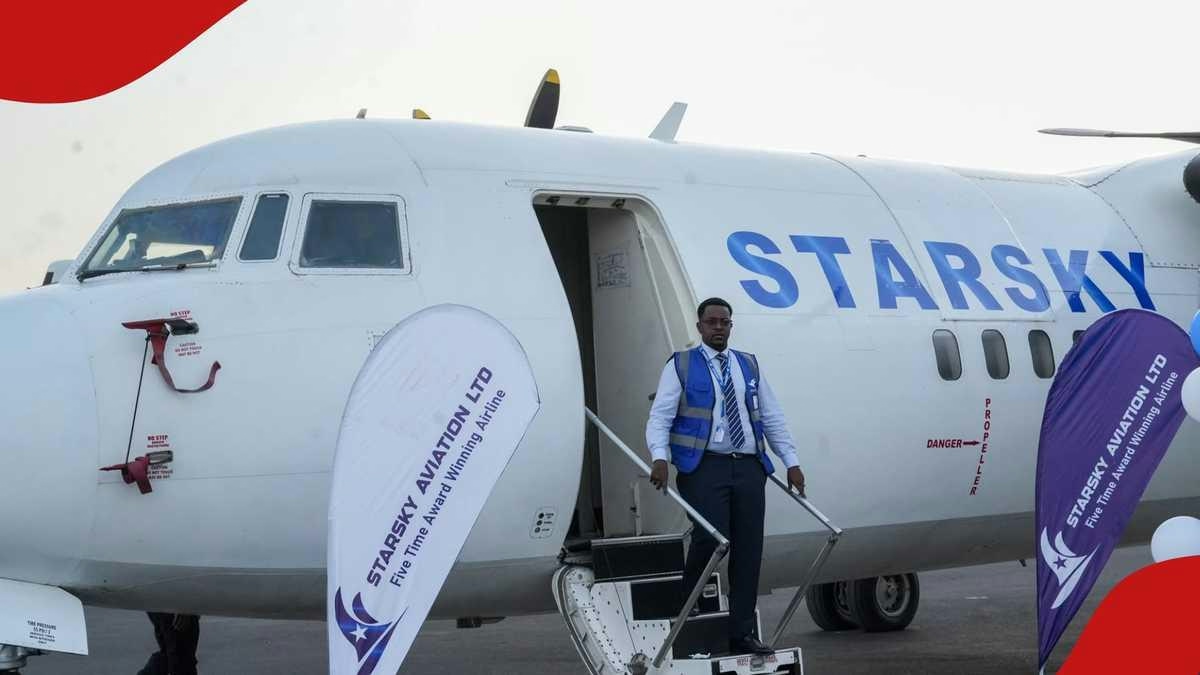
Somalia’s Starsky Aviation Plans International Expansion
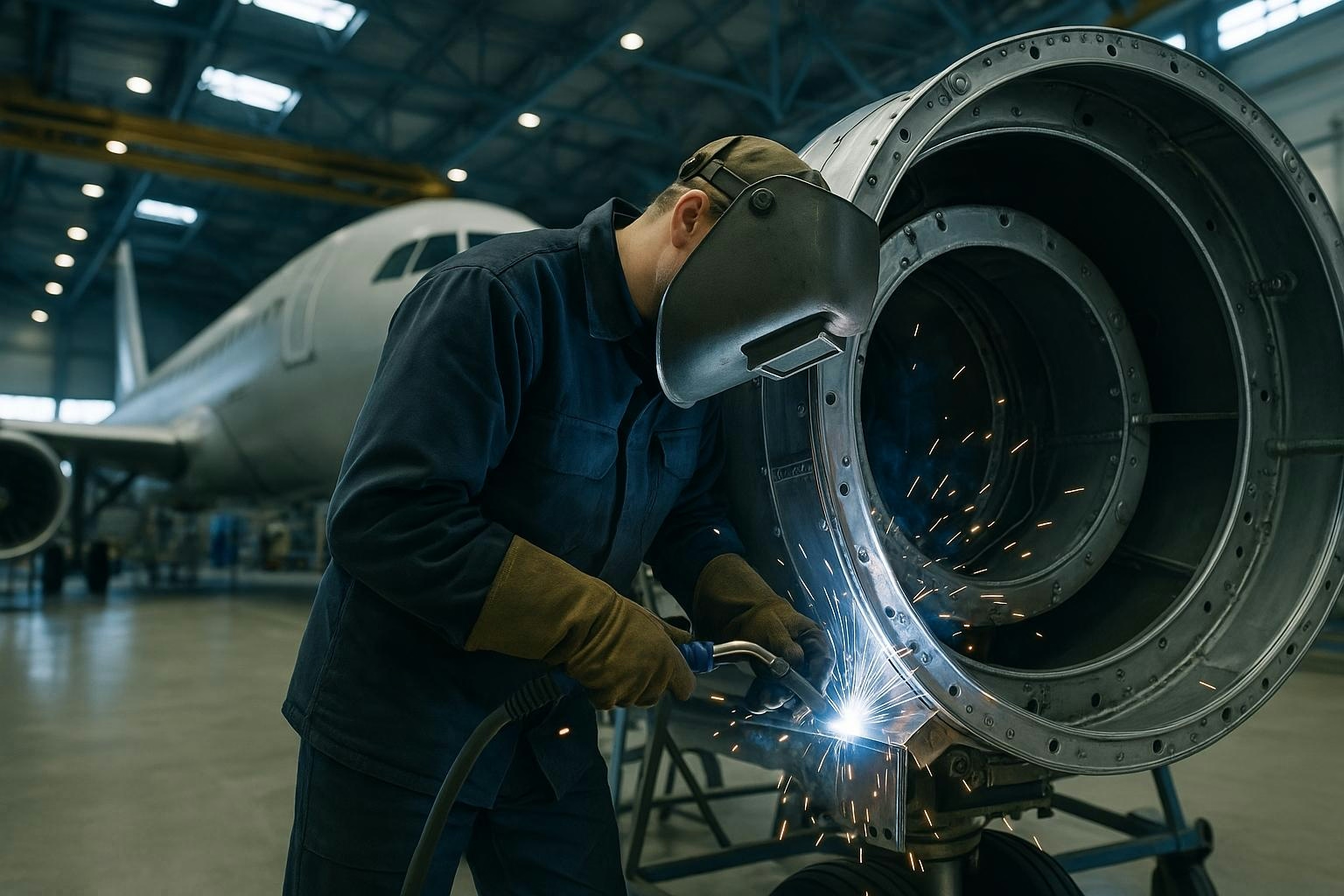
Precision and Care Essential in Aerospace Coating Applications
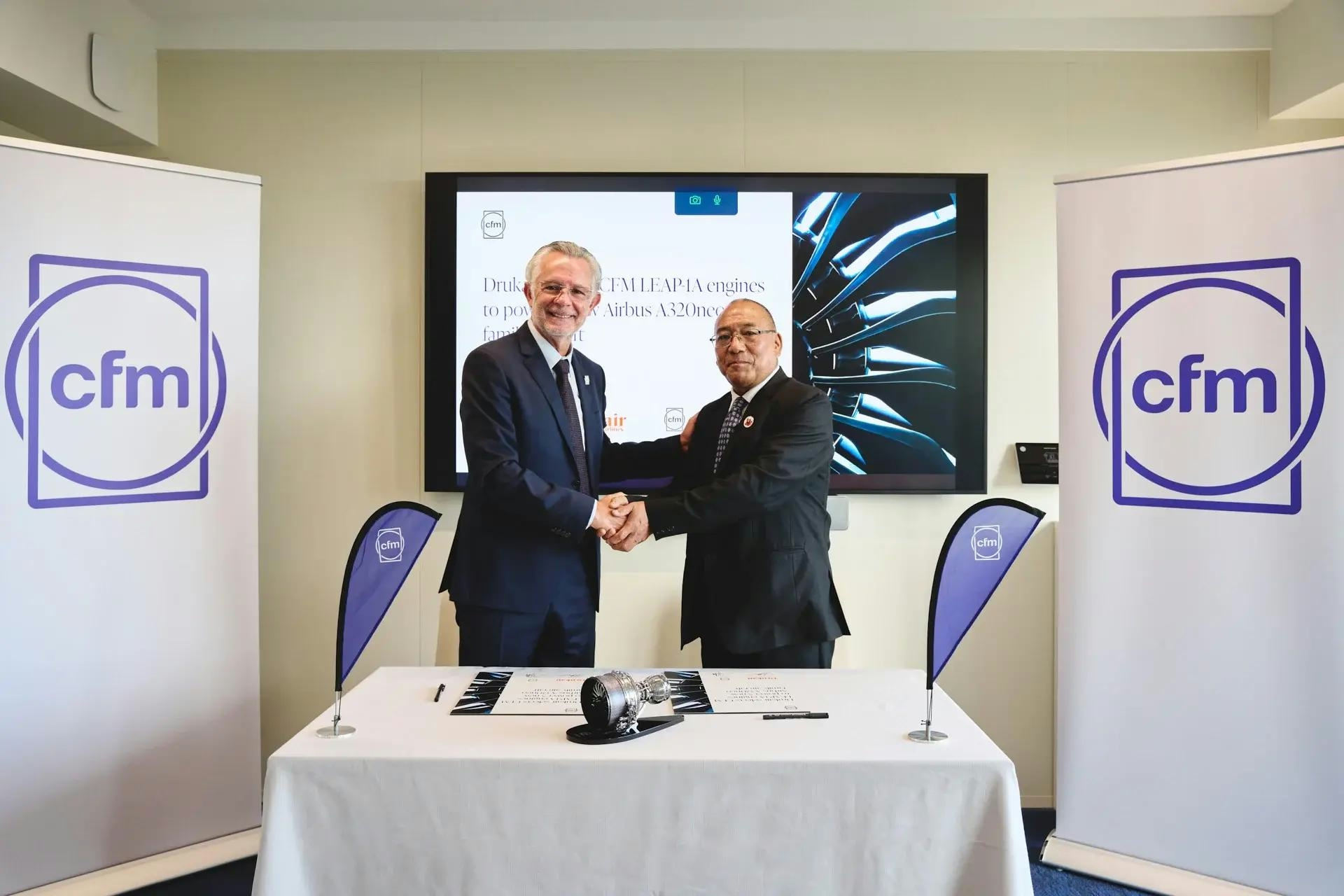
Drukair Chooses LEAP Engines for Five Airbus Aircraft
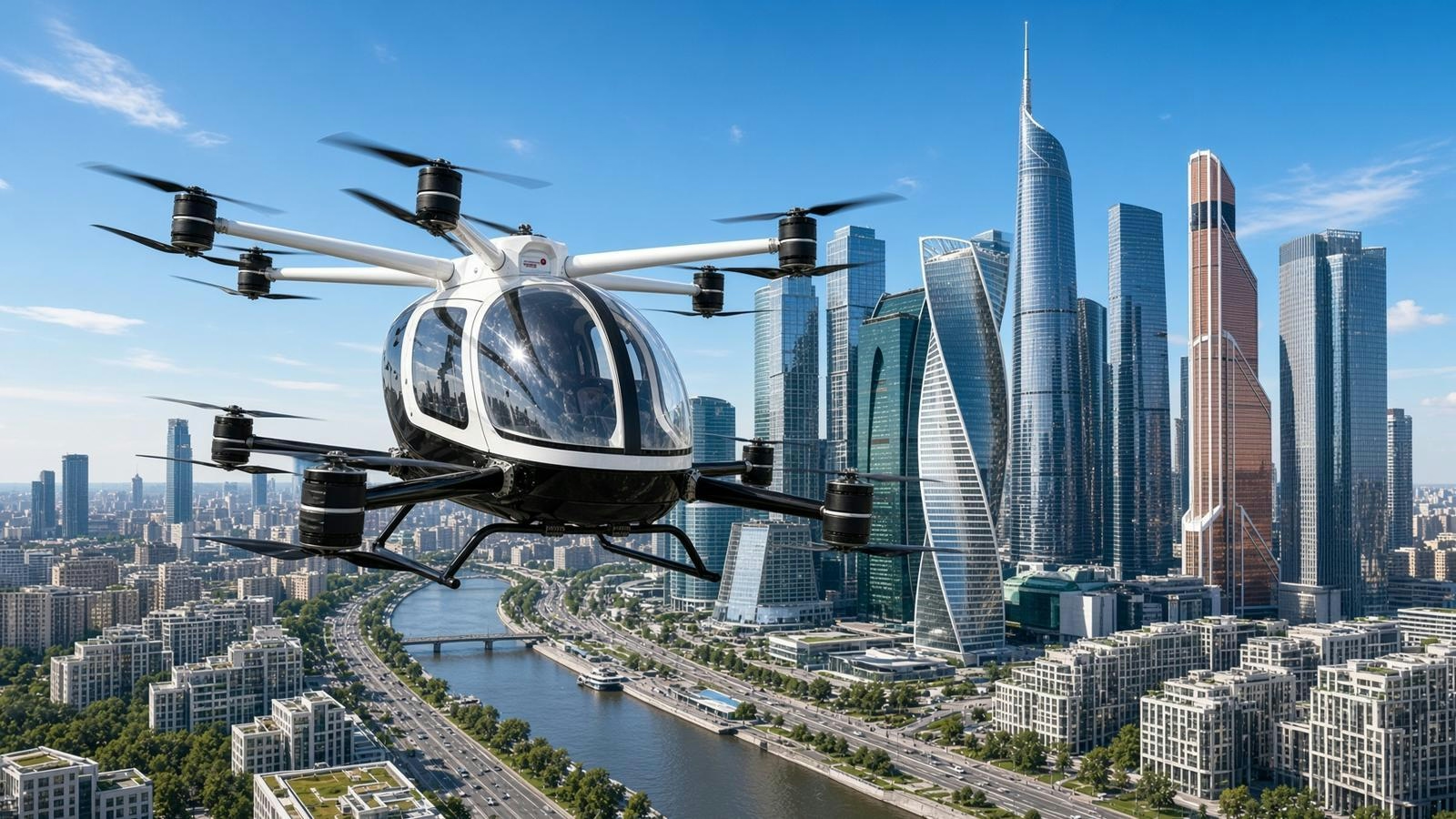
Russia Tests Air Taxis with Passenger Flights Possible in 2-3 Years
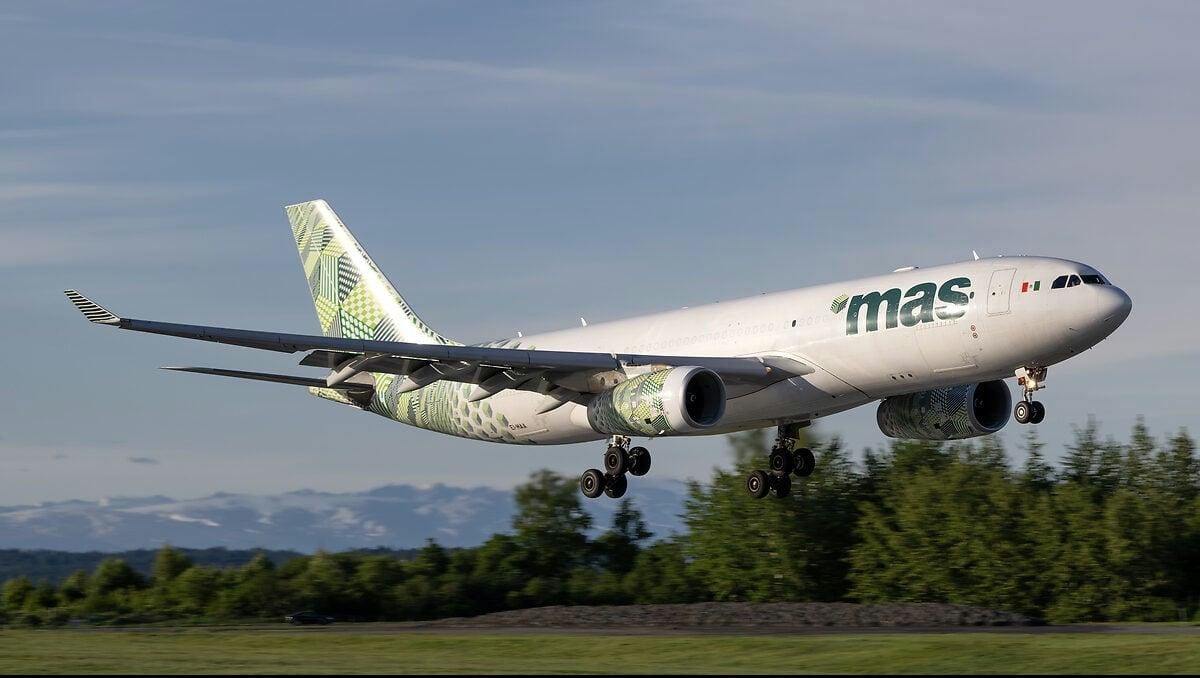
EPCOR and MAS Sign Five-Year A330 APU Support Agreement
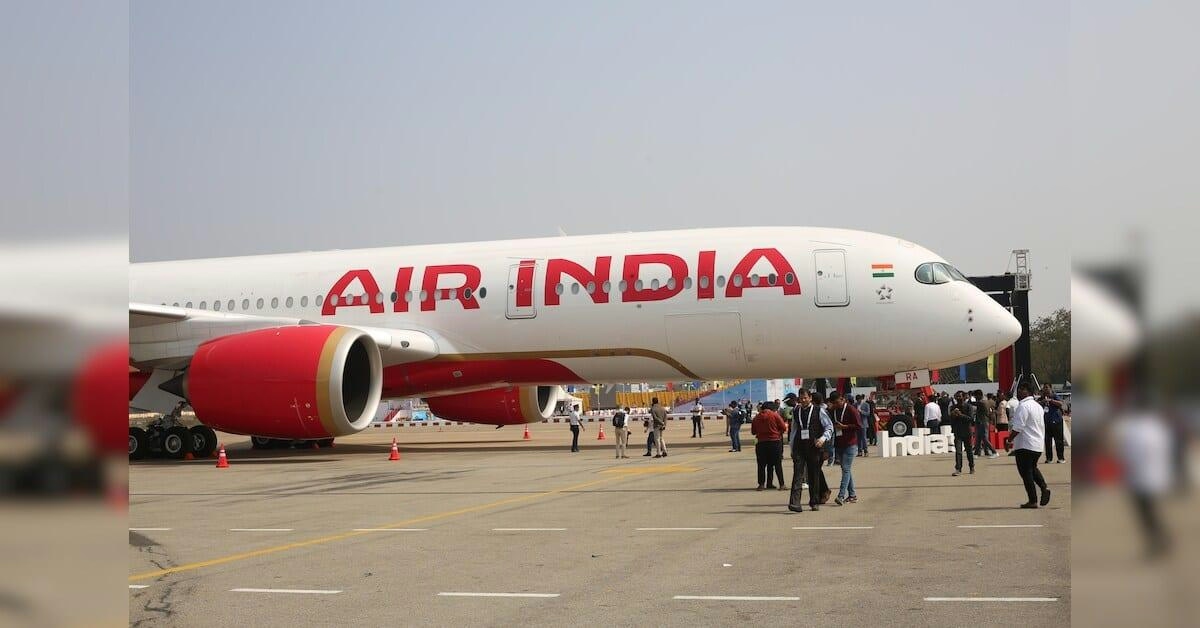
Air India Expands Use of Salesforce AI to Enhance Customer Service
