
Превращайте аналитические выводы ИИ в реальные действия

В тренде
Categories
How AI Is Helping American Airlines Hold Flights For Passengers
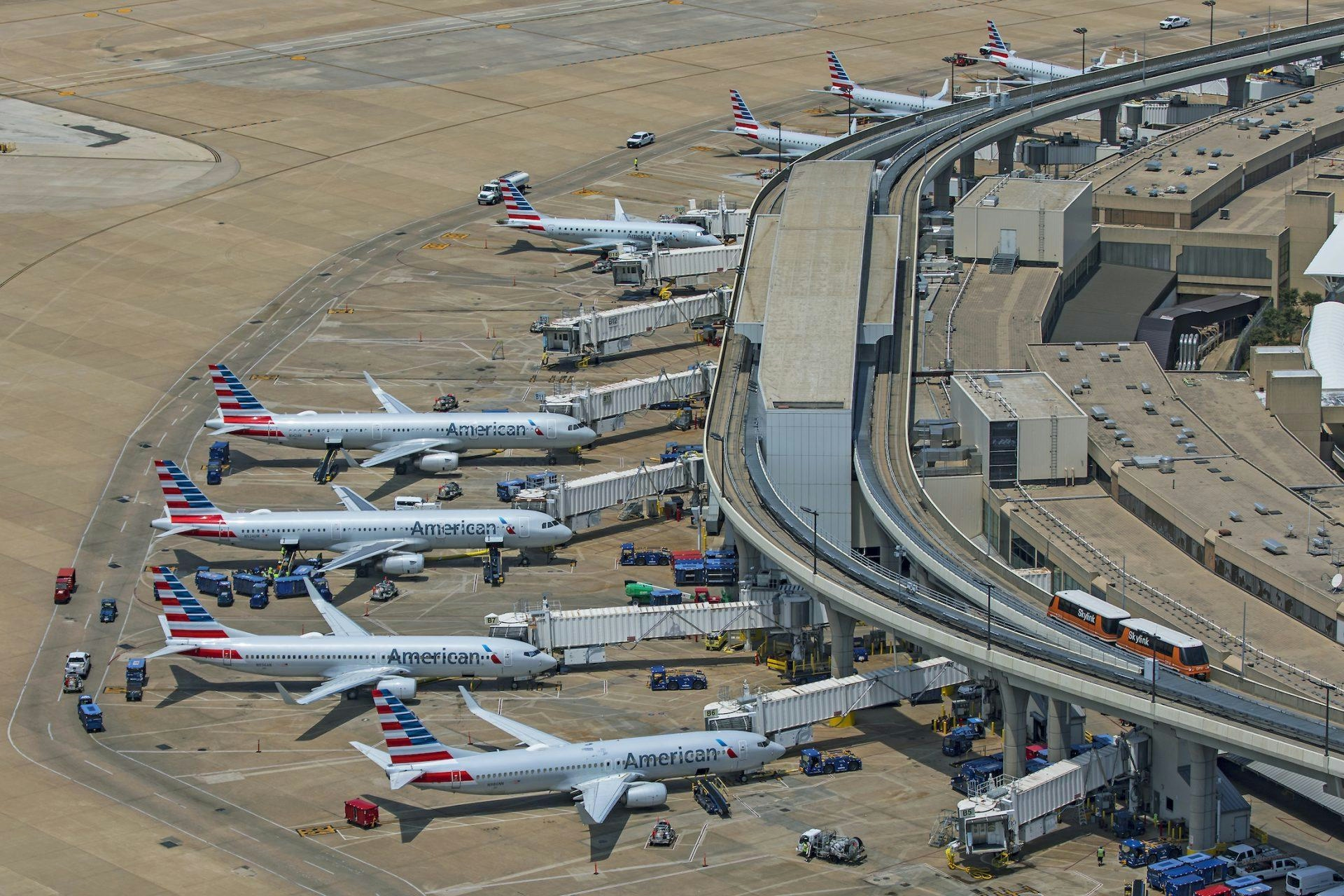
How AI Is Helping American Airlines Hold Flights for Passengers
Leveraging Artificial Intelligence to Improve Connections
Artificial intelligence (AI) is increasingly being integrated into the airline industry, with American Airlines adopting the technology to enhance the travel experience for passengers facing tight connections. Unlike some carriers, such as Riyadh Air, which utilize AI primarily for operational functions like air traffic management and predictive maintenance, American Airlines has developed an in-house AI system focused on a direct passenger benefit: the ability to delay departing flights to accommodate travelers arriving late on connecting flights.
Introduced in May 2025, this AI-powered system continuously analyzes real-time data to identify departing flights with connecting passengers at risk of missing their onward journey. When the system determines that a brief delay will not significantly disrupt the airline’s overall schedule, it recommends holding the flight to allow these passengers to board. This innovation aims to alleviate the stress and inconvenience associated with missed connections, which often lead to complicated rebooking processes and disruptions to lodging or ground transportation arrangements.
Previously, decisions to hold flights for connecting passengers were made manually by in-flight staff in coordination with ground crews, a process constrained by limited speed and scope. The AI system automates and accelerates these decisions, enabling American Airlines to manage a greater number of connections more efficiently. Additionally, it provides real-time updates to customers through the airline’s mobile application, enhancing communication and transparency.
Implementation and Operational Challenges
American Airlines initially deployed the system at its Dallas-Fort Worth hub, with plans to extend its use to Charlotte Douglas International Airport (CLT) and other major hubs. The airline has emphasized that the primary objective is to reduce missed connections without causing widespread delays across its network.
However, integrating AI into flight operations introduces new complexities. The airline must carefully balance the benefits of accommodating late-arriving passengers against the risk of cascading delays that could disrupt the broader schedule. Furthermore, the financial implications of implementing and maintaining such advanced technology remain a consideration, with potential impacts on ticket pricing and operational budgets.
Market responses have been varied. Many passengers welcome the improved service and reduced anxiety associated with tight connections, while some industry analysts express concerns about possible schedule disruptions and increased operational complexity. Competitors are closely monitoring these developments; major carriers like United Airlines are reportedly exploring similar AI-driven solutions to enhance their competitive positioning in an industry where customer experience is increasingly influenced by technological innovation.
Broader Implications for the Aviation Industry
The rapid adoption of AI in aviation also raises important environmental considerations. As airlines deploy more data-driven systems to optimize operations and improve service, overall energy consumption and greenhouse gas emissions have been on the rise. This trend presents a significant challenge for U.S. carriers striving to meet ambitious climate targets, underscoring the need to balance technological advancement with environmental responsibility.
American Airlines’ initiative to hold flights for late-arriving passengers exemplifies how AI is reshaping air travel. This approach may herald a broader transformation in how airlines manage customer service and operational efficiency amid an increasingly complex and technology-driven landscape.

Arcadis Named Owner’s Representative for Lufthansa Technik’s New Clark Maintenance Facility
Textron Aviation Receives Australian CASA Part 145 Certification
Twelve Notable Fighter Jets Across Generations
Kenya Airways Terminates Terra Avia Agreement, Considers Leasing B777F
Inside Kenya Airways’ AI Playbook
SIAEC Acquires 30% Stake in Arport AME Fujian
Plane Shortages Fuel Growth in Aircraft Maintenance and Repair
AMAC Aerospace Sees Increased Demand for Bombardier Jets
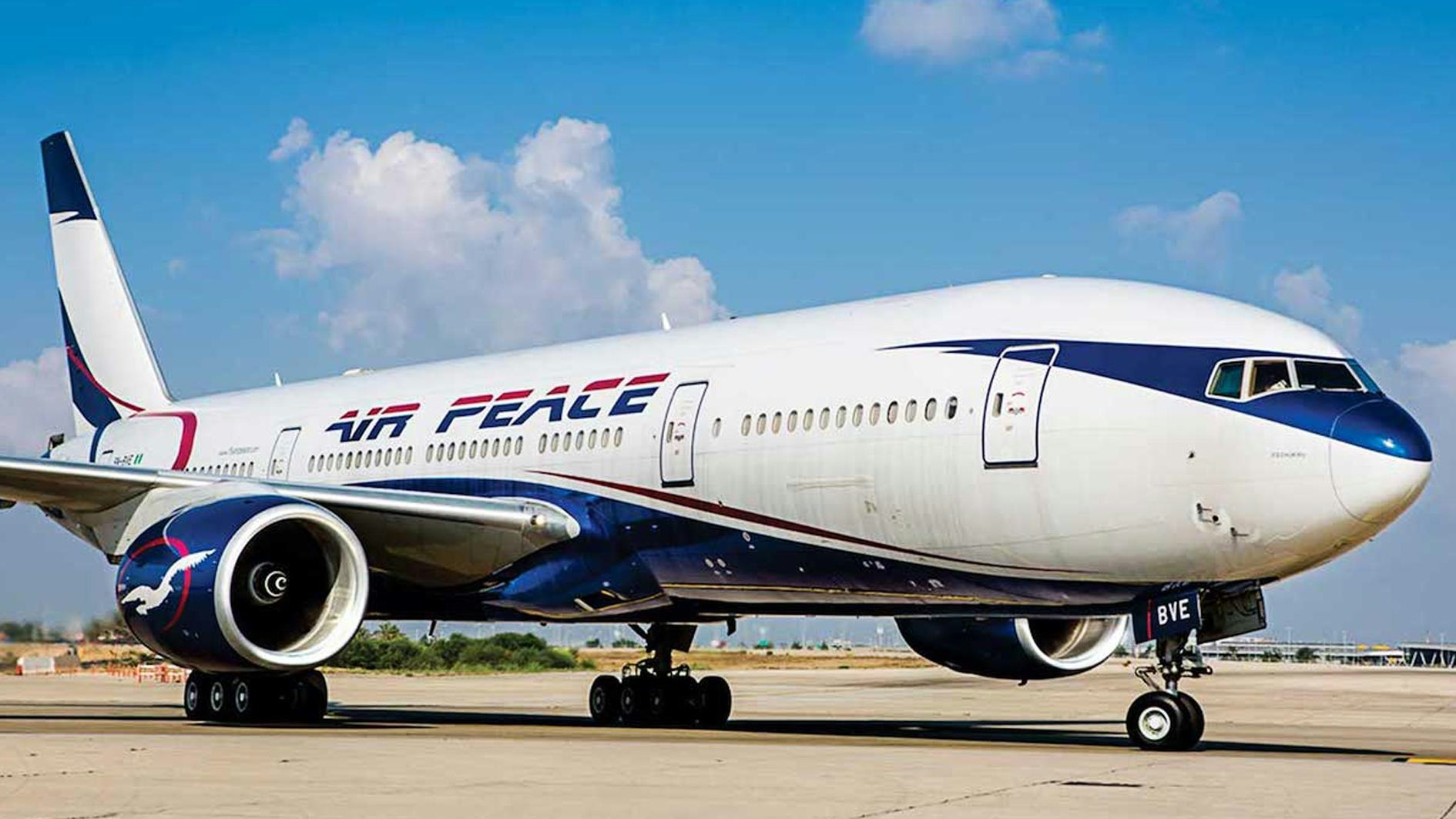
Air Peace Denies Fire Alert on Wet-Leased Aircraft
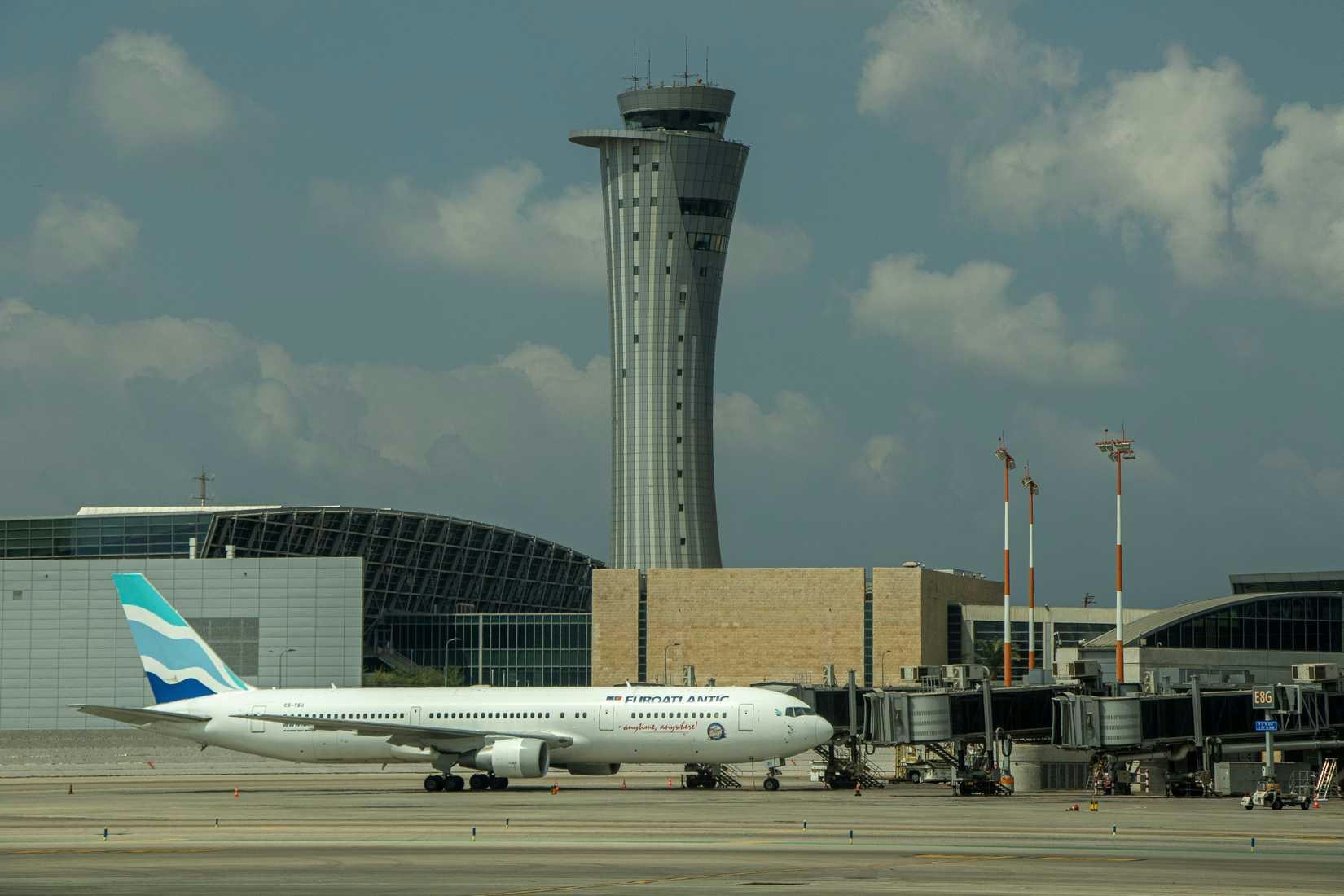
EuroAtlantic’s New CEO Details Dual-Fleet Strategy
